
By Emma Coleman, Co Editor-in-Chief
If you hadn't yet noticed, Epigram's website now has a mysterious new section called Longreads. It may seem pretty self-explanatory, but this is for our new long-form articles ranging from 2,000 to 7,000 words, which will (hopefully) be produced by you with the help of a mentor from our Editorial team. We cannot wait to see what you write.
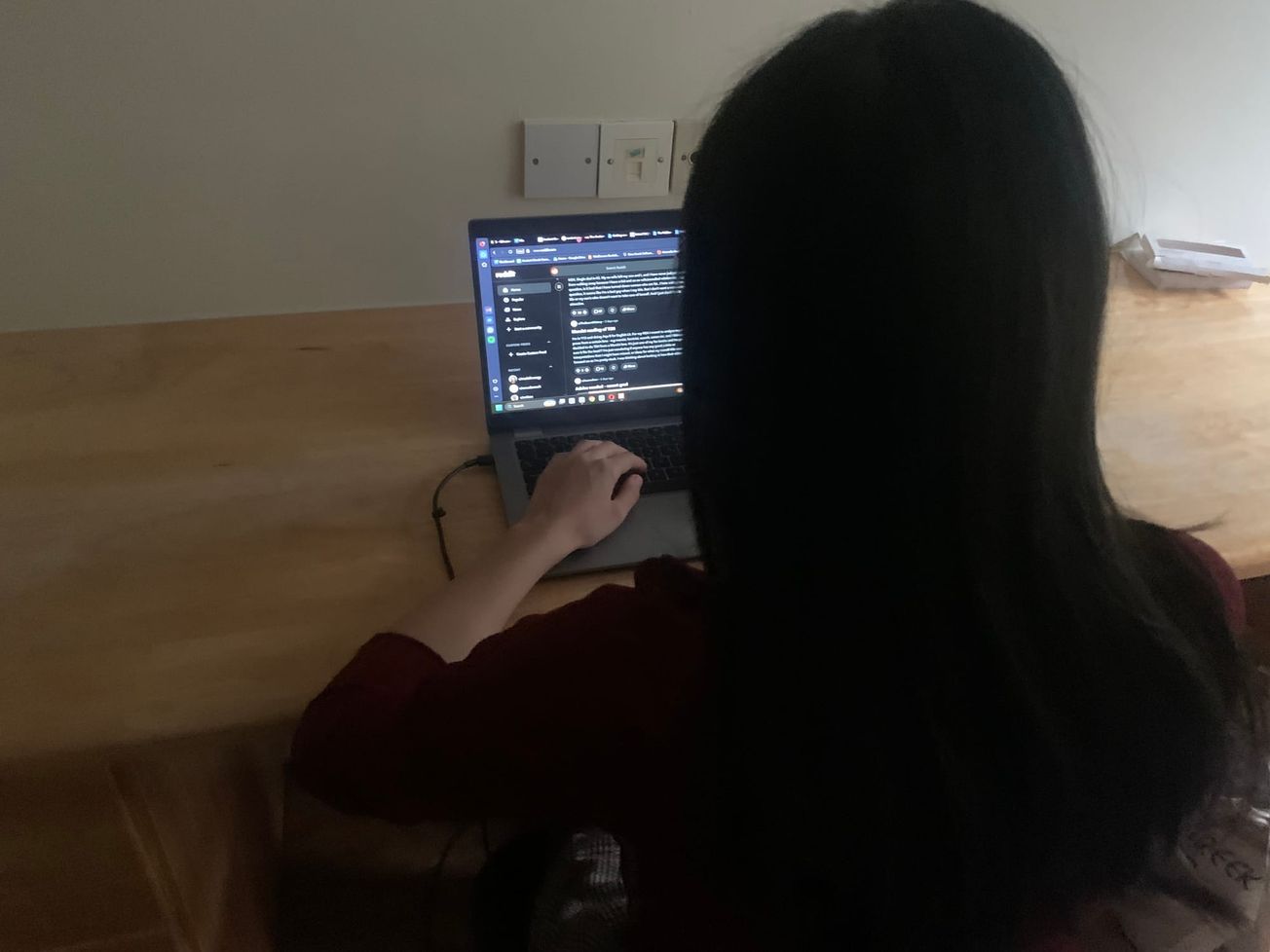
If I gave you a pen and paper right now and asked you to write as much as you can on a topic you love, without the usual academic boundaries, what would you create? You’re probably thinking a lot of words and are maybe even excited about the possibilities (you don’t get that feeling with your 3,000-word coursework essays, I’ll tell you that for free). We all have something that takes up a lot of space in our minds, maybe it is a long-held view or something stemming from a personal experience that you want to share. This is long-form journalism and this is why it matters - opportunity, freedom, expression, and creativity.
 Jed Dixon
Journalist Samira Shackle describes long-form journalism as ‘an opportunity to step back and engage with real-world events in a different way: to see new perspectives, to be drawn in by story rather than just information, and to understand the experiences of people whose lives bear little relation to our own’. Shackle doesn’t define any boundaries on word count or structure, and instead demonstrates the sense of community long-form journalism can create through introducing you to new ways of thinking and understanding. This is the freedom Epigram wants to provide our writers with when introducing our Longreads section in 2026/27.
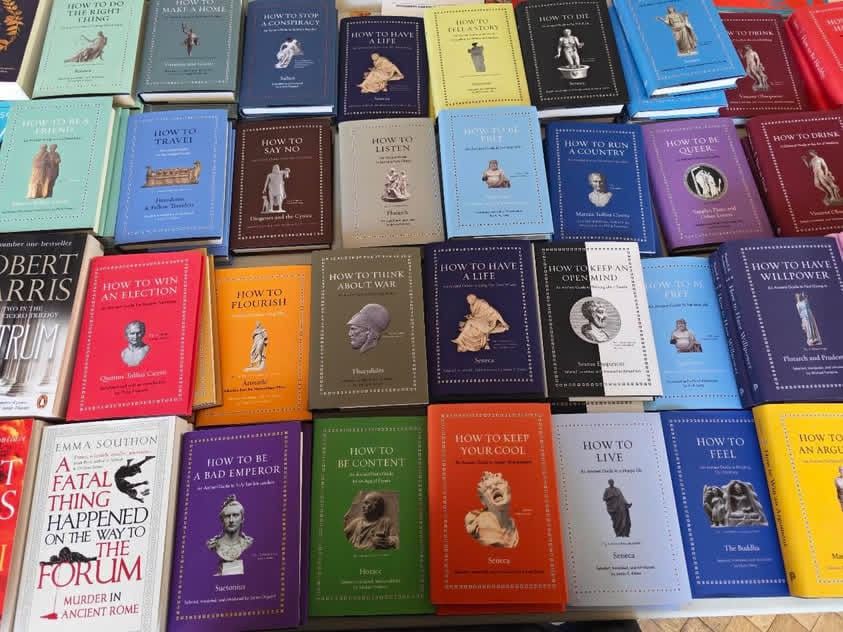
However, for the sake of clarity, they are extended journalistic articles consisting of a few thousand words rather than a few hundred. They also tend to be more investigative, thought provoking, and often take on a narrative form. As such, they take time, effort, and attention to read. Epigram is not the first publication to desire a return to truly in-depth, captivating journalism - you can find long-form articles on The Guardian - The long read and Epigram’s other Editor-in-Chief’s, Jed’s, personal favourite, Aeon.
Long-form journalism has gone under many names, most notably creative nonfiction. This reveals an interesting link between journalism and works of literature - think self-help books and autobiographies. There is no coincidence here as Journalism University explains this term comes from the 1960s and 1970s New Journalism movement under prominent writers such as Tom Wolfe. It uses techniques from fiction, such as setting a scene (you imagining yourself with a pen) and includes realistic dialogue from ‘characters’ (stemming from my interactions with real people who contributed quotes and opinions to this article). This is the narrative element and allows for full immersion into the story rather than simply hitting a wall after the facts (me telling you the history of long-form journalism, then providing statistics on whether readers are even interested and stopping there). It is far from being just an extended word count and holds many similarities to books, which is maybe why we see so many journalists who are also authors.
As long-form journalism grew more popular, Literary Hub notes that the reading times you often see on publications’ digital platforms (including Epigram’s) were introduced. Busy people need to know how long an article will take to read. Additions like these go to show how significant long-form journalism is becoming in media industries and as it becomes more mainstream.
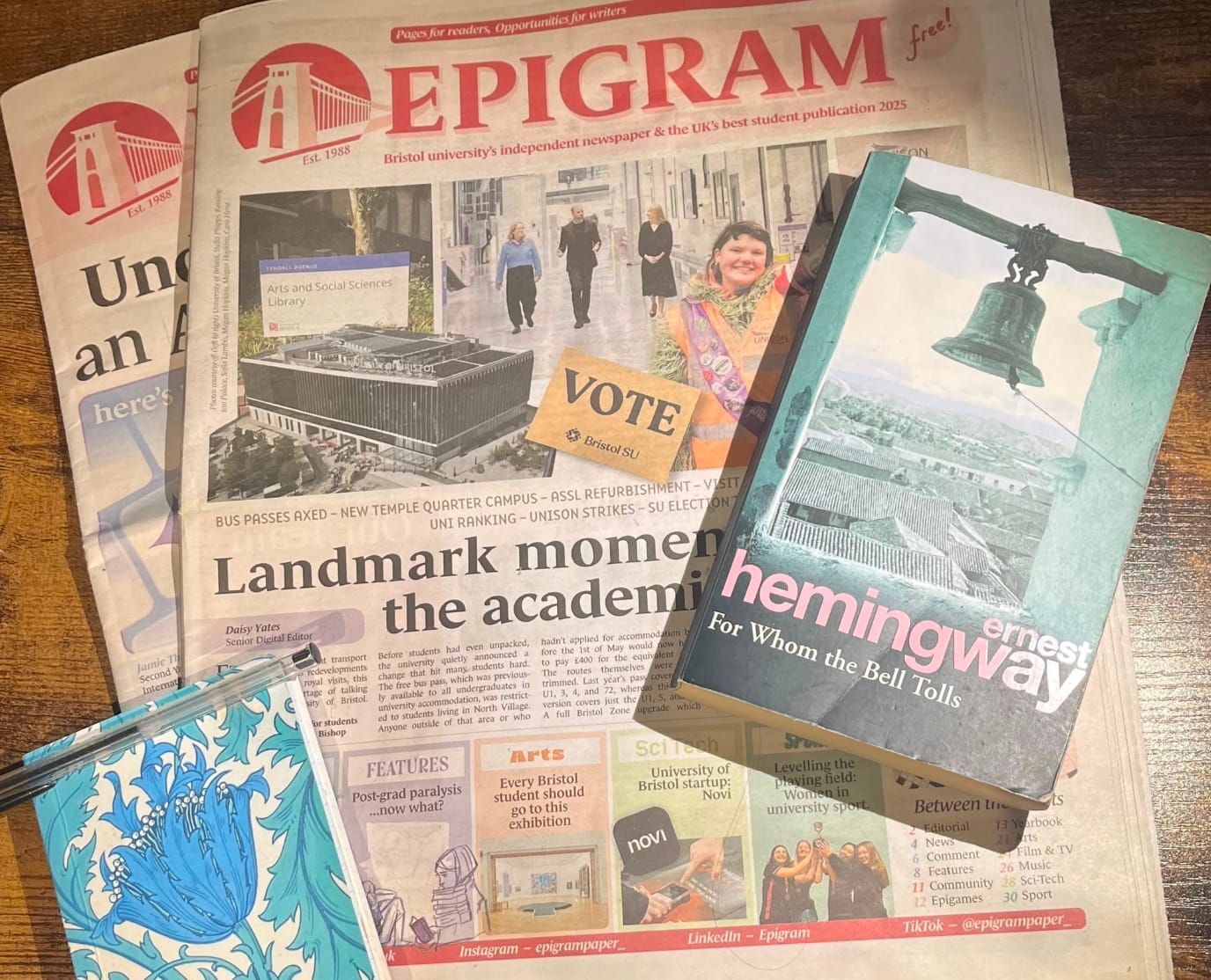
Speaking with former business journalist, Helen, she said:
‘In a world in which we are all bombarded all the time with rolling news through multiple outlets, flooding us with the ‘latest’ less than two minutes after we last had the ‘latest’, long-form journalism absolutely has its place.’
‘It’s the way that writers convey background, context, nuance, emotion, character and personality in a way that micro-news can never do. Short-form or ‘micro-journalism’ simply reports, giving us one-detail updates on a developing story - the age of a suspect just revealed by the police maybe, or an unexpected adjective used by a member of the Royal Family – and creating breathless headlines often out of not very much. Long-form journalism deep dives, explores, investigates, questions and, crucially, allows not only the writing to breathe, but the reader also.’
‘Long-form journalism done well will give a platform for meaningfully sourced quotes, comparisons, and sometimes contradictions, that make the reader really think. Good writers use it very successfully to humanise a story, and a backstory, in a way that the bite-size simply isn’t there to do. Rolling news updates may present rumours disguised as ‘facts’, later corrected in another rolling update as part of a fast-moving story. Long-form must get things right first time, making it a beacon for accountability and accuracy in journalism.’
‘Given the prevalence of social media, fake news and AI that is doing so much damage by creating fear and division, I believe the solid permanent record of long-form, and the work involved to produce it, is exponentially more important.’
A stark division is created between long-from and micro-journalism, not just because of the word count, but because of its factual integrity, storytelling, and the space it creates amid fast-paced news outlets. Long-form writing takes up a place in history as it is so heavily researched and edited making it reliable. As Helen suggests, this works directly against the fear-mongering news pieces we read daily and the human disconnect that is brought about by AI being used in everything, rejecting this robotisation of language.

So, why does Epigram want to introduce long-form journalism this year? Gen Z have often been seen as the most phone-addicted generation, with PCMag finding 76.3 per cent of Gen Z are on their phone more than than they would like each day. The majority of students fall under this age category, so when there is the long-form journalism being discussed, we have to talk about its evil alter-ego that is short-form. I am not claiming there is inherently anything wrong with short-form media - news stories must be quick, factual and concise - I am talking about when social media becomes involved.
I am definitely part of this 76.3 per cent and fall into the trap of endless short-form media consumption such as reels and TikToks. We can all admit our time spent scrolling is pointless but for some reason we just can’t close the app. Well, there is a reason. Most of us at Bristol are what I would call young adults and Psychology Today explains that the part of our brain that regulates impulse control (the prefrontal cortex) is not yet fully developed. When scrolling, we receive a steady hit of dopamine that is achieved far more easily than the dopamine we would produce through dedicating time to anything long-form. Because of this underdeveloped impulse control, it is far more challenging to work longer for what I would like to unscientifically name 'real dopamine'. It is the same principle with getting fast food delivered or making a nutritious meal - dopamine will be released either way but one is far quicker and lower effort.
This is one of the reasons why I believe long-form journalism is so important. We each consume so many snippets of information at lightning speed that our attention spans are, in a vicious cycle, now built to desire this. SQ magazine reports that UK phone users aged 18-24 spend 6 hours and 20 minutes online daily. This is equivalent to (and actually slightly longer than) Sabastian Sawe’s record marathon time if he ran it three times. How's 76.8 miles to put into perspective how much time is wasted mindlessly scrolling. When entertainment has never been so easily available, let’s be honest, who is reading a 15 minute article over watching 20 TikToks?

I take that back. What if everything we read about attention spans and that we want to consume media this way is wrong? What if we want a way out of this endless scrolling cycle?
Geetika Rudra for Nieman Lab made some very interesting predictions on this in 2025. They found that the average reader on Substack (if you don’t know, get to know) spent 12 minutes reading per newsletter in 2023, whilst 61 per cent of podcast listeners preferred episodes that were over an hour long. This shows people are actively turning away from short-form content in preference of longer reads and longer listens.
But that isn’t us, that isn’t the students of the University of Bristol. So, what do we want?
Through Instagram I found that 87 per cent of Bristol’s students believe they have the attention span to read an article around 2,000 words and 51 per cent would actually rather read a long-form article. Not only can we read these longer pieces, but we want to. Despite the fact we are largely perceived to be ‘brain-rotted’, we are still curious and interested in diving deeper than the facts. We are interested in hearing the human told story behind them and, together, we have proved Rudra’s predictions were correct.

‘Accessing new information in a world of tiny attention spans is vital.’
When asking you why long-form journalism is important one of the responses we received is that ‘accessing new information in a world of tiny attention spans is vital’. Extended journalism can become a direct protest against the media that is making us spend over six hours a day on our phone. I always think of it in terms of the brain being trained like a muscle (if you want to get technical we can call it neuroplasticity) and in practising spending a long time on a single thing, like reading a long-form article, we can overcome the urge to endlessly scroll.
‘So many topics can’t be explained in 600/800 words.’
‘Attention spans should be considered depending on topic for article engagement.’
On the flip side, I discovered long-form journalism is desired topically as a student said ‘so many topics can’t be explained in 600/800 words’ and Senior Digital Editor, Tylah, said ‘Attention spans should be considered depending on topic for article engagement’. Rightfully so, an article on why avocados are healthy may not need 2,000 words, whereas one on the rise of domestic violence during the World Cup certainly does. If you find an article boring and drawn-out, like the waffle we attempt to cut out of our academic essays before submission, there is a significantly smaller chance that you will finish it.
 Lianne Ponferrada
 Jasmine Symes
So, if the wider population wants to read long-form journalism, and so do the students of Bristol, I’ll ask again, does anyone care about long-form journalism anymore?
Well to answer my own question, yes. You care about long-form journalism. Without even noticing you have gotten to the end of this article, one of Epigram’s first Longreads. Ta-da.
Featured Image: Illustration by Epigram / Romina Trevino
If you are interested in writing a long-form article this year under our new Longreads section, please reach out with an idea!
editor.epigram@gmail.com