By Jasmine Symes, Second Year, English
At the end of a long day of lectures and studying, the temptation to pick up our phones and doomscroll can feel irresistible. Often, the act of doomscrolling feels like downtime; it requires little effort and allows us to disengage with the world around us. In some ways, this short form content has taken over the role of books. So, why should we spend time reading instead of on our phones?
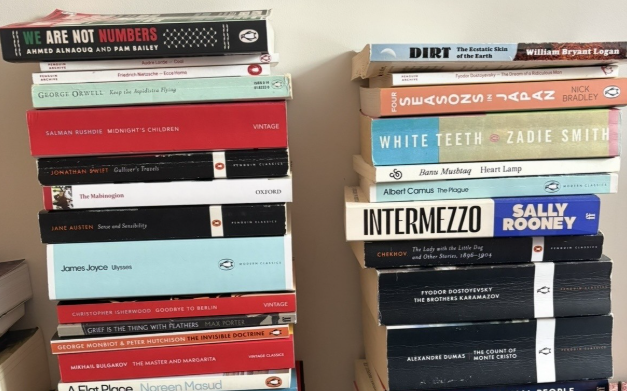
The benefits of reading on our cognitive function, wellbeing, and sleep are well known. According to The Gallup/Walton Study, students who enjoy reading are more likely to report strong overall academic performance. Though unfortunately, 40% of British people haven't read or listened to any books in the last year, creating genuine damage to the vigour of the country.
Although access to books has always been a privilege, they are inarguably more available in contemporary society. In the Medieval period, the Bible was reserved for the 5% who could read Latin – in fact, translating it was viewed as a sin. Power remained in the hands of the literate elite until it was translated into English in the 1530s, particularly as the Bible was used to shape governing law. Moreover, manuscripts were produced on commission (reserved for those who could afford it) until the invention of the printing press. This marked a shift: literature could be mass produced at a reduced price, allowing for vast access to knowledge.
Access to books is an essential part of a functioning democracy. From this angle, we could see the decline in reading as an erosion of our ability to think for ourselves. The very act of choosing the content we engage with is lost in the digital age that we live in, as our algorithms choose for us. In this way, reading allows us to take back control of what we consume.
Social media can often pave the way for false news and propaganda. I can’t help but see a connection between our inability to sit in the discomfort of not having quick answers and the recent receptiveness to Populism, such as Reform UK who offer ‘easy’, reductive solutions to complex issues. Moreover, social media allows for engagement with content which aligns with the individuals’ views, censoring any alternative opinions. This has been used as a method of control throughout history, with the media being used as a key tool of propaganda for authoritarian regimes.
The combination of digital media polarising opinions and the censorship of literature can be seen in America today. Where Margaret Atwood’s The Handmaids Tale (a dystopian fiction where America has fallen to a far-right Christian regime which relies on the repression of women), and Angie Thomas’s The Hate U Give (a novel which explores a young girl’s fight for racial equality and justice after the tragic death of her childhood friend by the hands of the police), were among the 6,870 book banned in the 2024-2025 school year (PEN America). If banning books is a form of repression, not engaging with them is equally as dangerous. It is a form of self-censorship.
‘If there are no young readers and writers, there will shortly be no older ones. Literacy will be dead, and democracy will be dead as well.’ — Margaret Atwood.
Although BookTok, and other book-based online spaces, seem to encourage engagement with literature, it also perpetuates a competitive culture around reading. Social media’s focus on the number of books people can read in a short span of time has led to the commodification of books. Our focus is drawn to the cultural capital we can gain from it, rather than what we can learn. Reading is not about appearance, or how many books you can read in a year to hit your Goodreads goal (which I can admit I’ve been a victim of). It is a process where you allow yourself to feel uncertainty, discomfort, confusion. Books have always been a way to gain cultural capital, and social media trends reinforce this notion that specific books can elevate individuals’ status. Reading is more than what you read; it is about allowing time and space to engage with your text. It is about choosing what you engage with and understanding what it is communicating. The beauty of reading is that it relies on interpretation – and our individual interpretations are shaped by personal and societal experiences, allowing the meaning of books to change with time. For example, the COVID-19 pandemic made Albert Camus’s novel The Plague (which follows the city of Oran as it is put under strict quarantine due to the outbreak of a plague) surge in popularity as it seemed to contain many similarities to our experience.
 Rosy Brown
So, what is the answer to this? Consume something different. Social media and AI encourage us to be passive puppets capable of memorising and churning out information without the capacity for nuance and opinions. In a world of binaries and polarisation, allow yourself to exist in the unknown in-between space.
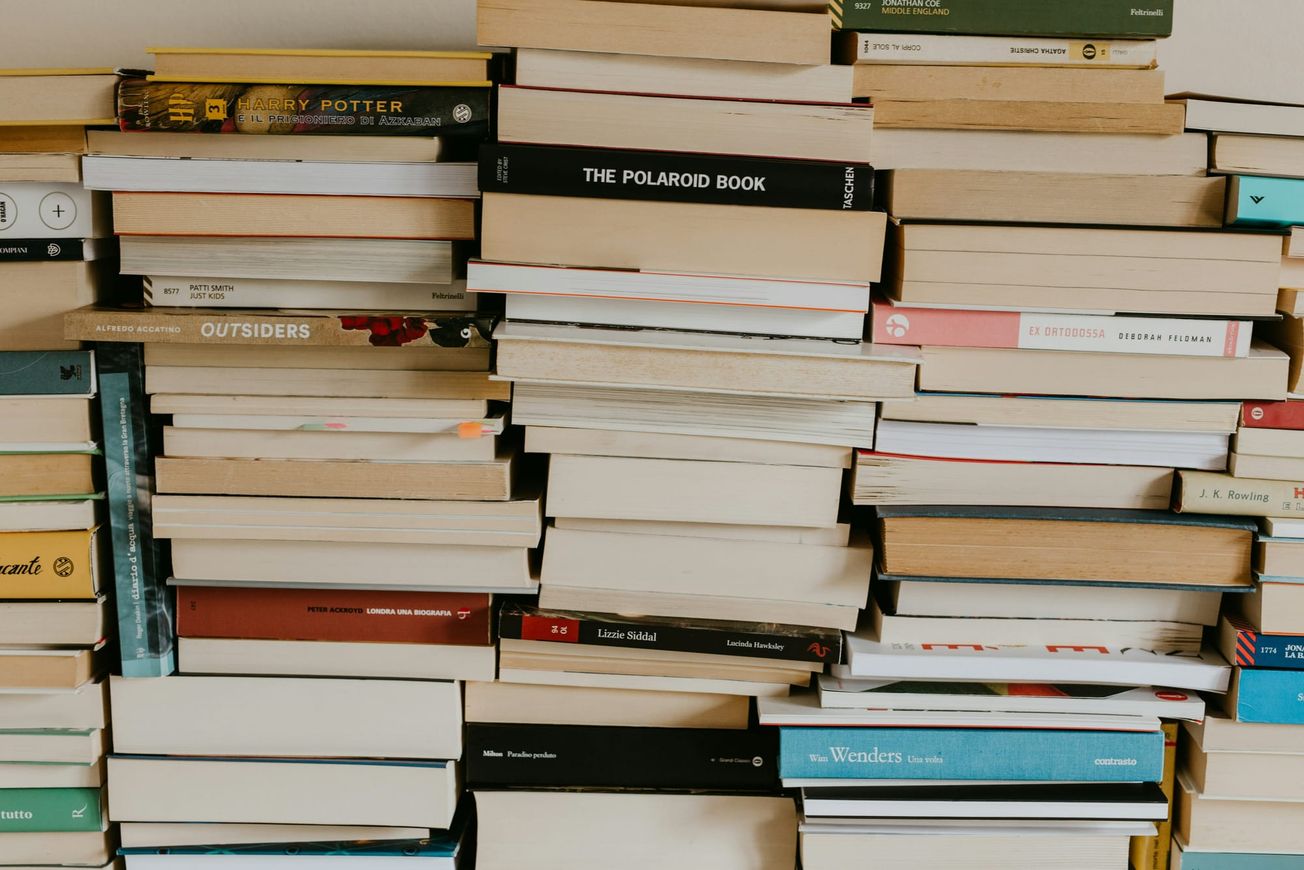
Featured Image: Photo by Rhamely / Unsplash
Do you enjoy reading as a hobby?