By Grace Rose, Community Subeditor
‘Shall we go together?’ I’m not too proud to admit that the inspiration for this article came from the Practical Magic 2 (2026) press tour, when a clip of Sandra Bullock discussing the time-honoured tradition of women going to the bathroom together found its way onto my feed.
Dark beginnings
Bullock, in conversation with Nicole Kidman and Jake Shane, references said phenomenon and explains that ‘there were no bathrooms for women a couple hundred years ago, so they had to go in the fields, and when they were in the fields they became vulnerable and were attacked’ and so they began going in packs to be ‘safe’. Watching, I was struck by a piece of history – still relevant to our everyday lives – that had taken 21 years to get to me. What I had heard in place of legitimate historical reason was the baseless mocking of women for partaking in such innocuous camaraderie as going to the bathroom together. I commenced a deep dive and considered the rarely utilised power of short-form content to educate.
Bullock’s findings turned out to be the tip of the iceberg in the bid for equal access and the reasons for our making toilet trips a social gathering. Yes, historically women were not granted the same access to public bathrooms. It was viewed as indecent for them to use facilities outside of their homes and so, as Bullock says, they went in packs in open land to protect each other from the ‘attack’ of men. The other option (using the male-dominated public toilets) ran the risk of social disgrace along with the same risk of physical attack. As time and technology progressed, the issue of equal access for women only grew more steeped in complex economic, sexual, and social inequalities.
The birth of modern public toilets
By the 19th century we began to see strides in innovation such as the grand unveiling of the first public flushing toilet at the Great Exhibition of 1851. As more and more of these modern bathrooms cropped up for men in social and professional spaces, crickets chirped for women. In an era of women’s domestic confinement, this infrastructural deficit was brilliantly successful in policing their freedom and maintaining the status quo.
In ‘Rooms of Their Own: Public toilets and gendered citizens in a New Zealand city, 1860‐1940’ (2000), Annabel Cooper et al. discuss the concept of the ‘bladder as a kind of leash’ during this era; if women did venture into wider society, no more than a few hours could pass by before it was necessary for them to return home to access what were essentially the only bathrooms they were permitted. During menstruation, leaving home at all was virtually impossible, especially in an era so concerned with social propriety and ‘cleanliness’ as they saw it in the mainstream.
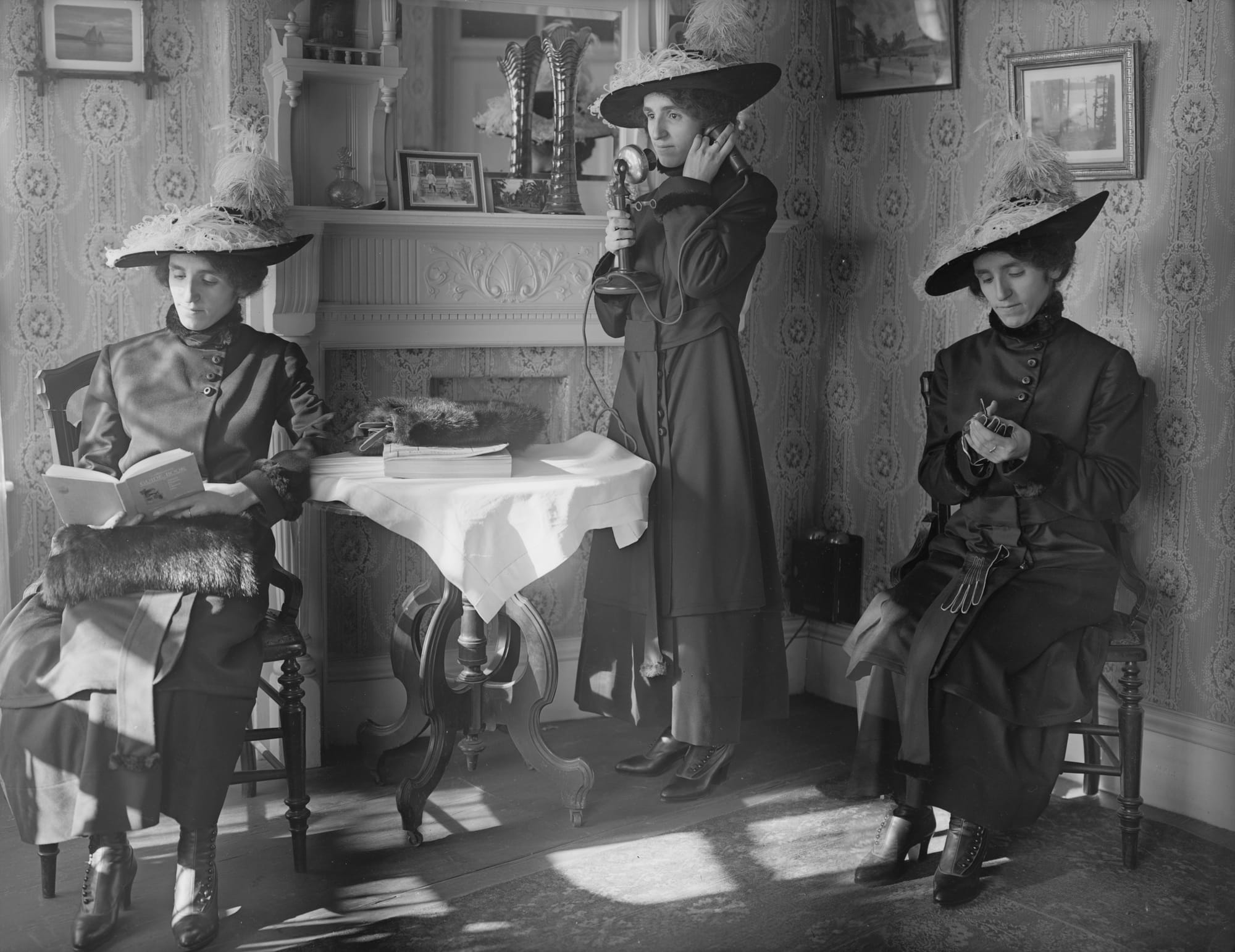
In the period addressed here, I should mention that there was some access to public facilities for women, though drastically less than what was available to men. Public facilities for women only really began to pop up at the end of the 19th century, in cafes and tea rooms catering specifically for middle-class women, and in department stores; 1909 saw Oxford Street Selfridges implement some of the first washrooms for women in a department store. The placement of these facilities limited public toilet access to white women in the middle and upper echelons, and was driven solely by capitalistic incentive. It is suddenly worth investing in facilities for women if it is in the interest of their shopping longer and spending bigger...right?
Gendered bathrooms also fell into that category of spaces that would have been exclusively for women – a category which, again, only began its expansion toward the end of the 19th century. While men-only spaces have existed for millennia, women-only spaces were in their infancy in the late 19th century. The first women-only social club in London, The Somerville Club, for example, only commenced its endeavours in 1878.
'A space you rarely ever leave without feeling bolstered by the camaraderie of those inside; a dressing room for the performance of womanhood, or a space where you just might be convinced that it’s okay to take the mask off, or better, to leave it there.'
Spaces for women alone meant that information could be shared, plans could be made, and ideas could be strengthened without the watchful eye of a male counterpart. These spaces would be and were a direct threat to patriarchal structures that depended heavily on subjugating women through supervision and withheld information. Think only of the vilification of ‘gossip’, and the women who partake in it – a vilification likewise rooted in fear of women’s private confidences (see Isabel Reilly’s article on the subject). While there is obviously no official documentation from the period citing this patriarchal fear as reason for preserving the status quo, I cannot help but suspect its likely place among the myriad of motivations for maintaining the ‘urinary leash’ up until the mid-to-late 20th century.
Contemporary inequalities
So, where are we today? Despite the appearance of equality in access for women, the quest is, unfortunately, not over yet. Longer queue times for women’s toilets in public spaces amount to substantial time over the course of a life. Missing the beginning of a lecture or the first song of a gig may seem inconsequential, but consider that this is frequent and far less likely to happen to a man because of a 10-person queue for the loo.
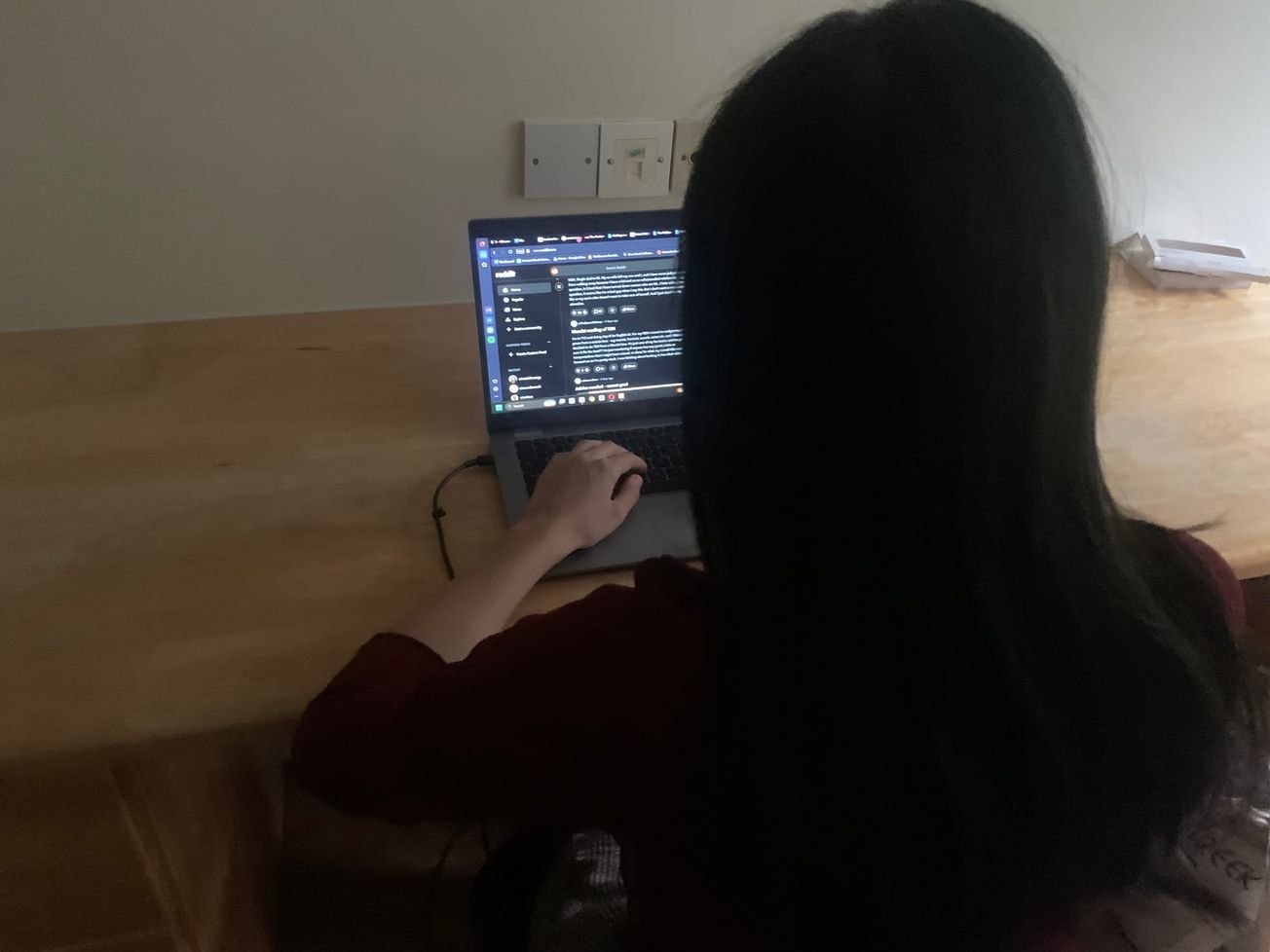
Causes for such wait times have been cited as a lack of urinals and biological differences that demand longer average use of cubicles. The Royal Society for Public Health has therefore called for ‘Potty Parity’, arguing that ‘because of time-consuming factors related to clothing, menstruation and anatomical differences, a fair ratio of toilet provision would be at least 2:1 in favour of women.’ Agree with this proposal or not, any woman knows this inequality to be true when she (I) must often venture up all three floors of the ASS (Arts and Social Sciences) library in the quest for a toilet queue less than ten minutes long – 10 minutes away from her laptop while her male counterpart finishes reading that secondary source in the same amount of time.
An ode to the safe space
Despite a history shrouded in slow improvement and prevailing inequalities, the facilities that our predecessors fought so hard for are often, in my experience, the best part of any social excursion – especially in nightlife. Christine Overall puts it succinctly: 'They offer a space for bonding, the exchange of information, and personal recovery' and provide 'a place to feel safe, both physically safe but also psychologically safe.’
 Isabel Reilly
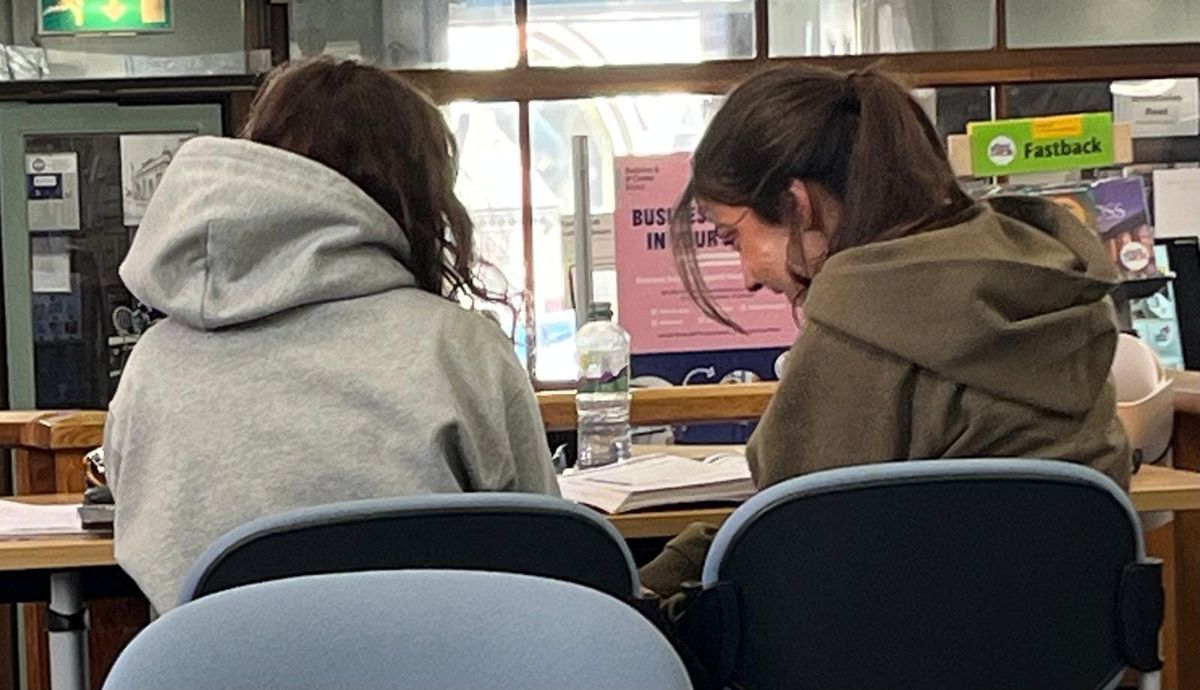
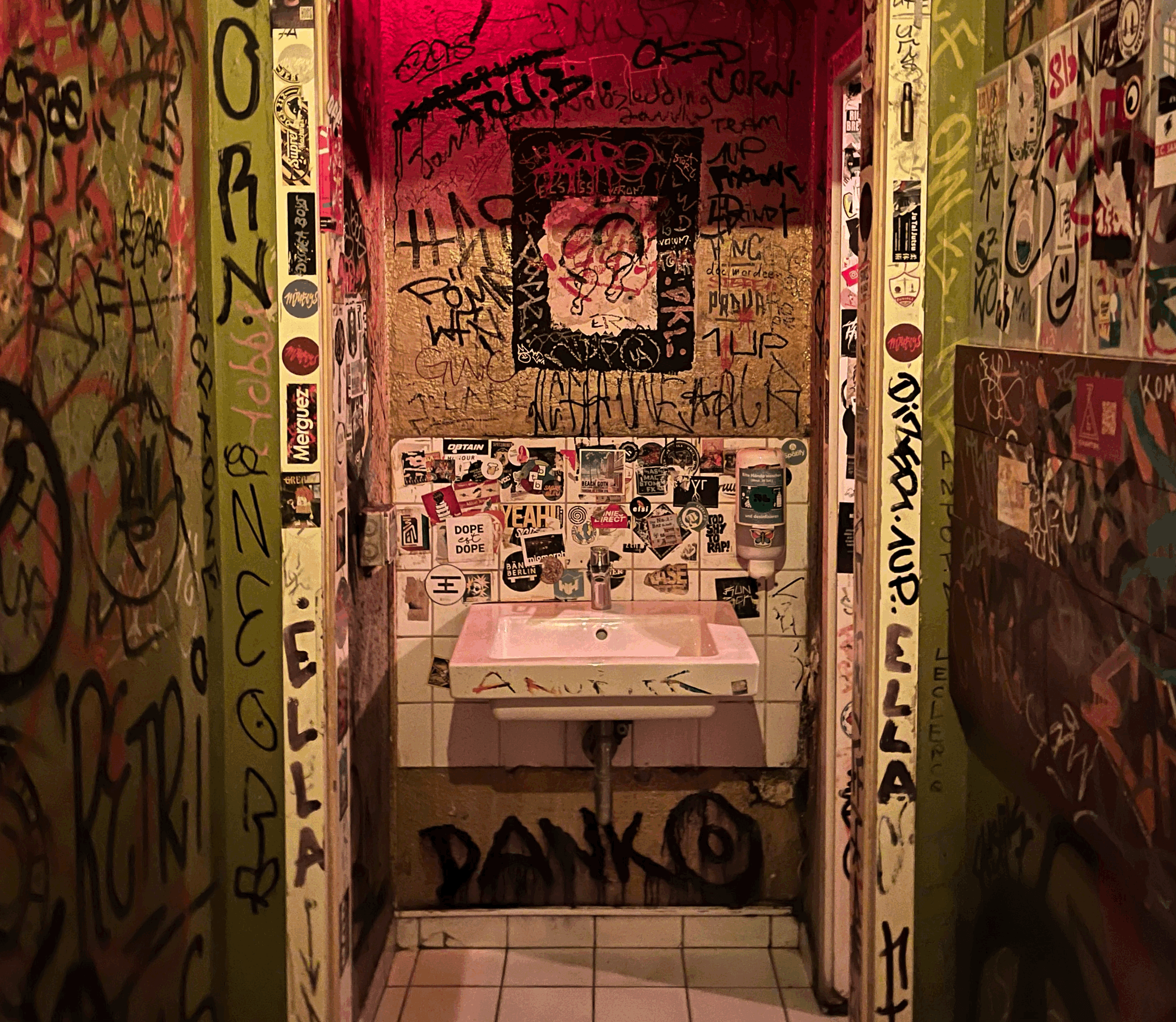
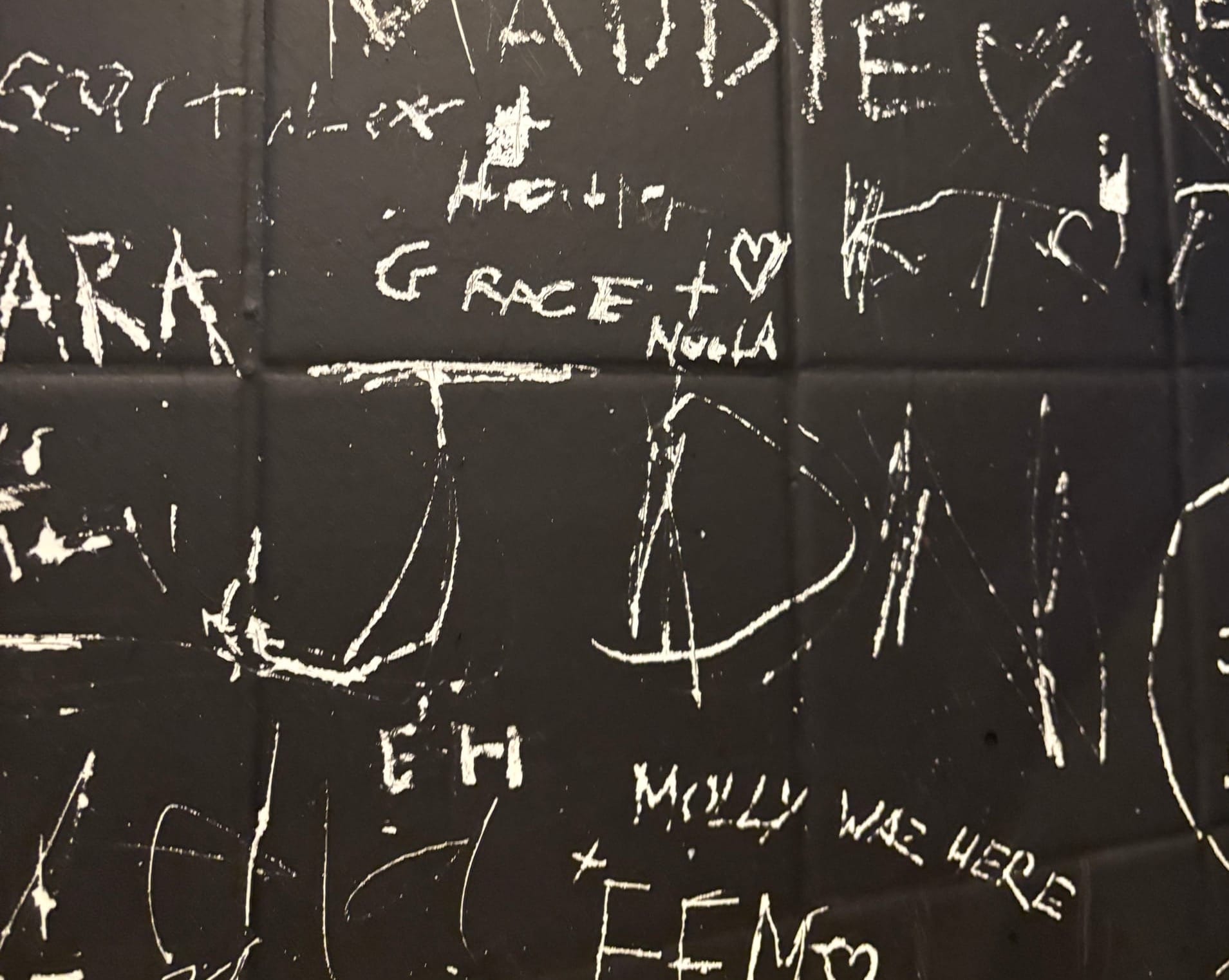
On one recent night out I received three compliments on my dress, one spray of a stranger's perfume, one unprompted welfare check, and one request for hairstyling help in the sanctity of the women’s bathroom. It is where you go with your friends and miss three songs on the dance floor because you’ve been talking for so long. It is where you excuse yourself to momentarily break down and regain composure, often with the fortification of women you love and women you’ve never met. It is where you escape an over-eager stranger, share romantic and sexual war stories, and genuinely believe you’ve met a friend for life until the tequila wears off. It is where you carve your name into the wall to leave your mark among the wonderful many. It is a space wrought by emotional extremes and an unspoken understanding of unity. A space you rarely ever leave without feeling bolstered by the camaraderie of those inside; a dressing room for the performance of womanhood, or a space where you just might be convinced that it’s okay to take the mask off, or better, to leave it there. I’m inclined to believe that this is what ‘they’ feared all along.
Maybe we do not need to go in packs anymore for fear of immediate attack, and we do not necessarily view the bathroom as one of our only spaces to privately communicate - but perhaps the fears of our predecessors live on within us, or perhaps we know that the inevitable wait time will pass more quickly with a pal. Perhaps we know that we will always leave with more understanding of one another than we went in with. This is always a positive.
So, next time you grab your friend and venture into the graffitied room laced with the griefs and joys of our mothers and their mothers, look around and think of those women who knew what our private spaces could be. Plot and scheme and drunkenly get that girl's phone number with a false promise to text: it is what our forebears would have wanted.
(All references to ‘public’ facilities in this article are intended to mean facilities found in venues or spaces that the public frequent, not just facilities owned by councils or local authorities. All skipped-over intricacies surrounding the general issue of access in public facilities are in the interest of holding your engagement by publishing an article that is not the length of a novel.)
Featured image: Epigram / Grace Rose
What do you think about the 2:1 ratio proposal?