By Charlotte Gordon, Third Year, History of Art
Joy Gregory has been producing quietly radical pieces for over forty years, becoming one of the most influential figures in contemporary photography. As the daughter of Jamaican parents, her work focuses on cultural memory, beauty standards and identity. This landmark retrospective encompasses her early pieces through to art that she’s currently working on, culminating in over one hundred and fifty pieces. From her earliest works, her ethos as an artist is clear: to challenge what photography or black or feminist art should look like; to be political with a small ‘p’. As summed up in the title of her retrospective that references the proverb ‘you catch more flies with honey than vinegar’, Gregory subtlety weaponizes the beauty of her work to encourage discussion and reflection.
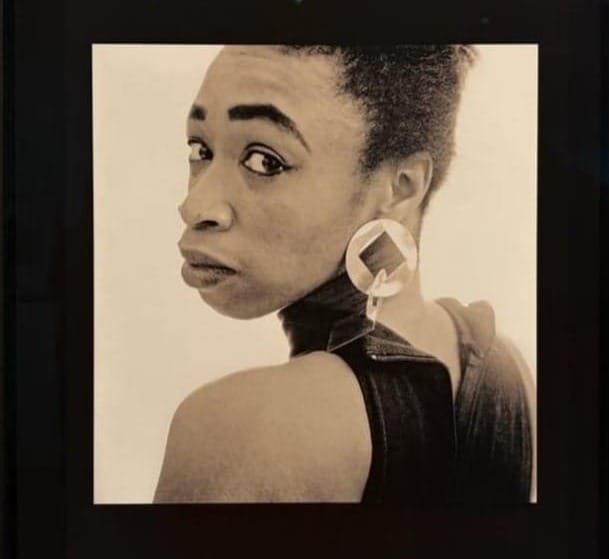
Autoportrait (1989-1990) is one of the first pieces in the show and acts as Gregory’s ‘response to the invisibility, beyond the exotic, of black women in British fashion and beauty images’. Produced when she began ‘thinking consciously about being political… and [talking] about race’, the series is powerful through Gregory’s conscious decision to take up space as a black female photographer by making nine self-portraits in a style dominated by white women.
Objects of Beauty (1992-1995) and Girl Thing (2002-2005) both present objects associated with the feminine that construct female identity and beauty standards. She presents the items in two beautiful mediums, kallitype for Objects of Beauty, which uses an iron silver solution, and cyanotype for Girl Thing, which uses light sensitive chemicals to produce a rich blue tone. She exposes these items as seductive instruments of control that prescribe to an exclusionary notion of the beautiful. Gregory evolves her thought process around creating Autoportrait to address the constraints affecting all women whilst acknowledging they are designed to privilege whiteness. In making Girl Thing, Gregory was aware that these recognisably feminine objects had remained unchanged for decades, and neither had gender expectations for women; little has changed over twenty years later.
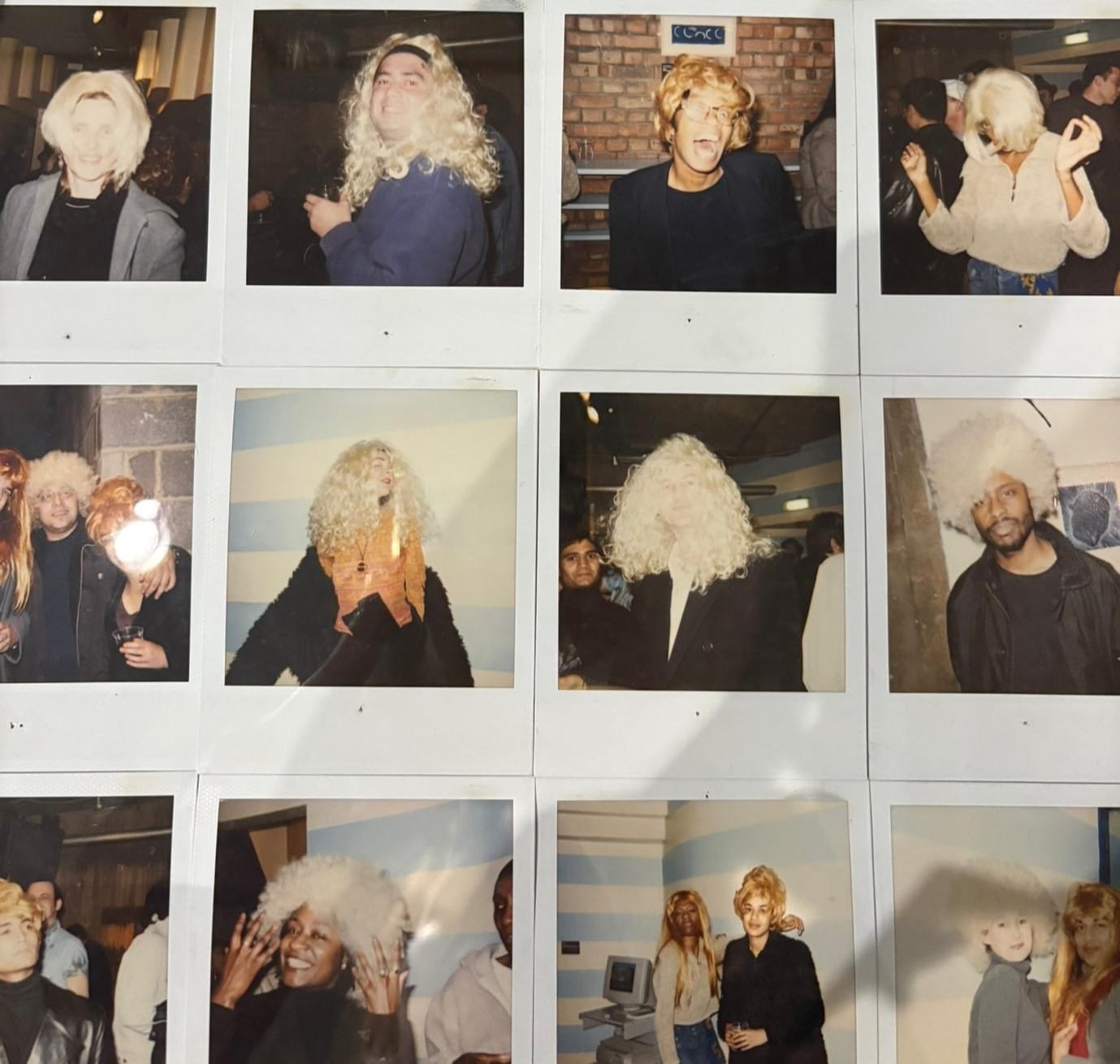
Gregory also considered white-centred standards of beauty in The Blonde (1997-2003). She playfully explored the phenomenon around blondeness and reframed it from a beauty ideal to a site of performance. The collection had a wonderful vibrancy: it celebrated ordinary people and their communities while dismantling exclusionary social structures.
'Gregory makes ‘things of beauty to talk about ugliness’; she is so talented in gently inviting you to address complex histories of colonialism.'
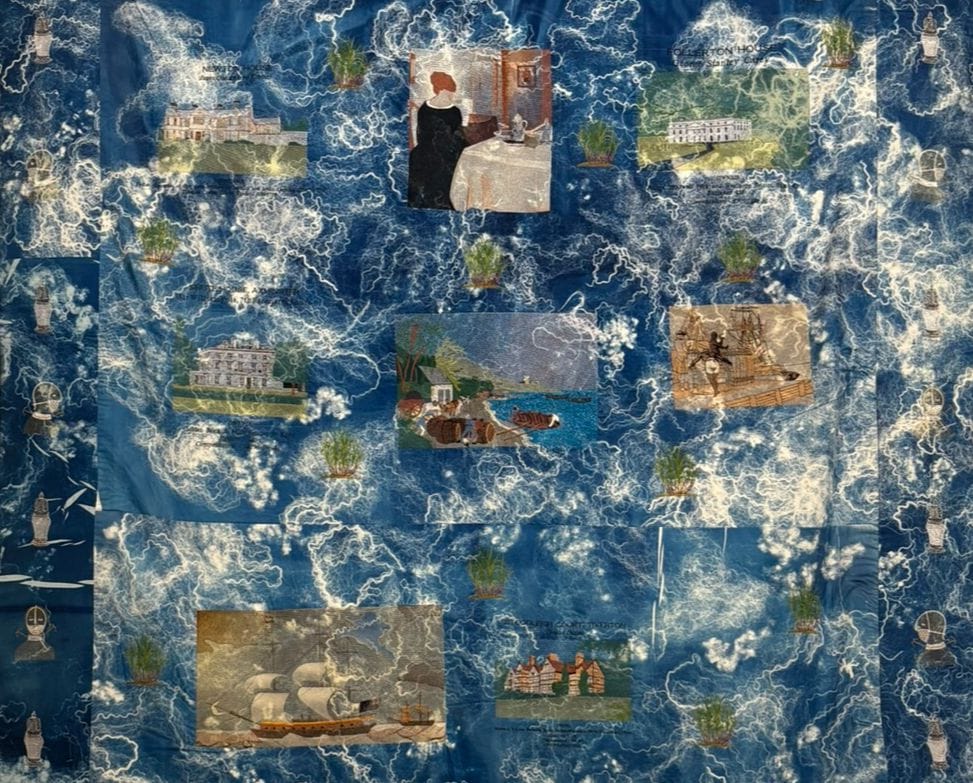
Gregory’s art also focuses on colonialism and its continued legacies. The Sweetest Thing (2022) is Gregory’s only textile piece in the exhibition and one of the most confrontational. This art quilt explores the relationship between the transatlantic trade of enslaved peoples and Devon, and its continued legacies. Gregory coloured the fabric using cyanotype printing with her hair to emulate the traumatic middle passage. The embroidered images contrast grand country manors and tea sets with depictions of enslaved Africans and instruments of control like head restraints and shackles. Standing close to this huge piece of art, it feels enveloping as a harrowing reference to the horror and injustice. Gregory makes ‘things of beauty to talk about ugliness’; gently inviting us to address complex histories of colonialism.
As a renowned artist, she also uses her scope to shape legacies of colonialism through representation. Her project Kalahari (2005-2025) documents the endangered language of the N|uu community in Southern Africa, erased under Apartheid. An ongoing theme she is also examining in The Handbag Project (1998-), where she collected and printed the luxury bags of privileged white women, owned during apartheid. She counteracts histories of misrepresentation, silence and exploitation through the relationships she’s built over decades with places and communities.
 Clarrie Terleph
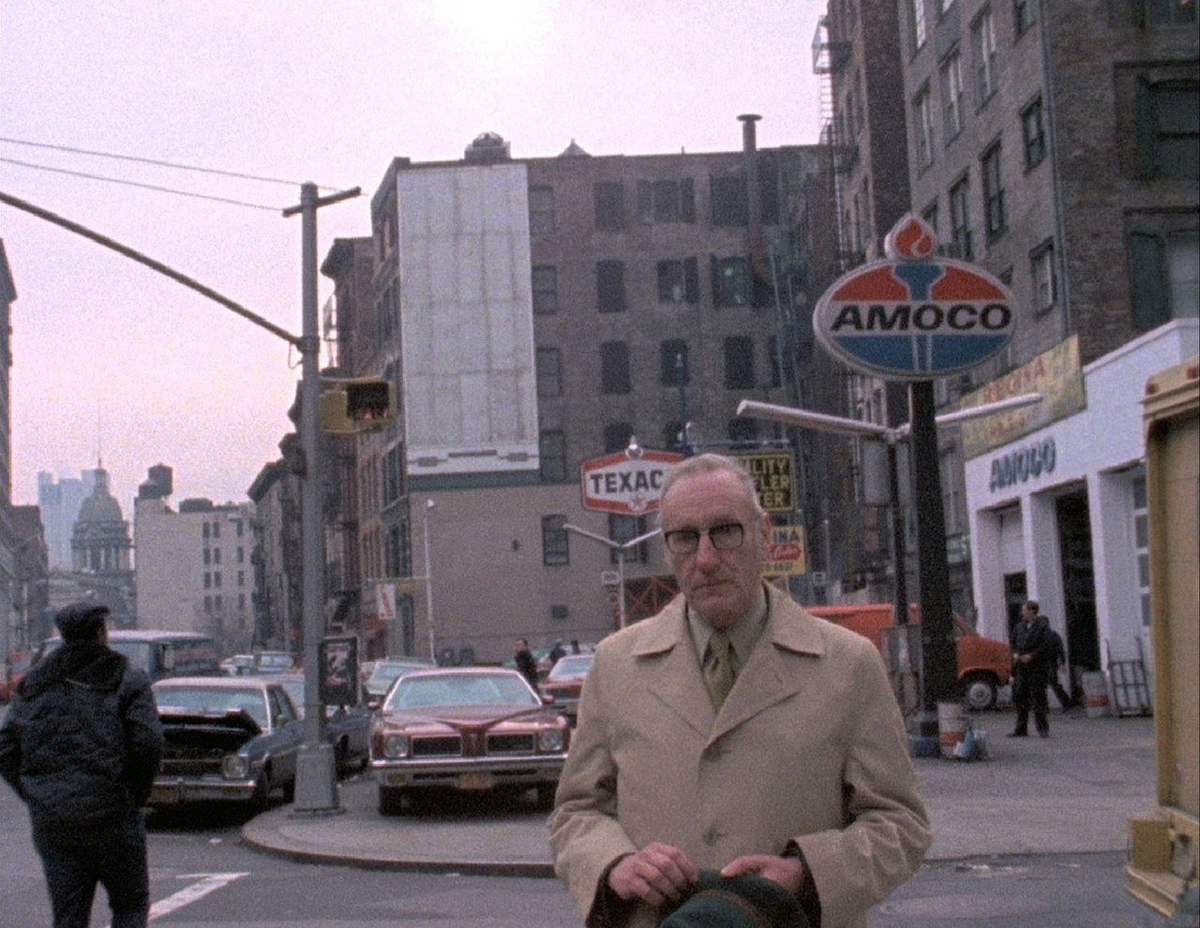
Her use of cinematography continues upstairs to the darkroom, where two films are shown under the title Seeds of Empire (2021); they seek to investigate the relationship of botany and colonial history. Both voice excerpts from Hans Sloan’s journal of his voyage to Jamaica. The second film, Observations: Rose, was an uncomfortable watch. The narrator reads Sloan’s account of brutal and nonconsensual medical treatment of the enslaved and depressed Rose, whilst lush imagery of Jamaican nature and Kew Gardens is shown. Gregory enlists plants as a silent observer to the forced displacement of people; keepers of colonial histories. Again, Gregory has explored something terrible through something beautiful. It speaks to the ubiquity of colonial history and reveals how it’s been hidden in plain sight.
Joy Gregory has a deft ability to create intelligent, combative and witty art. Her artistic voice is powerful and speaks boldly throughout her work and her explorations into colonial histories feel particularly poignant in Bristol. She inspires deep thought on the ingrained nature of colonialism throughout society, especially in relation to identity. Gregory has certainly achieved inviting her viewers in with honeyed sweetness and leaving them stuck in her captivating ideas. Her art is certainly as relevant as ever and truly deserves the celebration Arnolfini is awarding it.
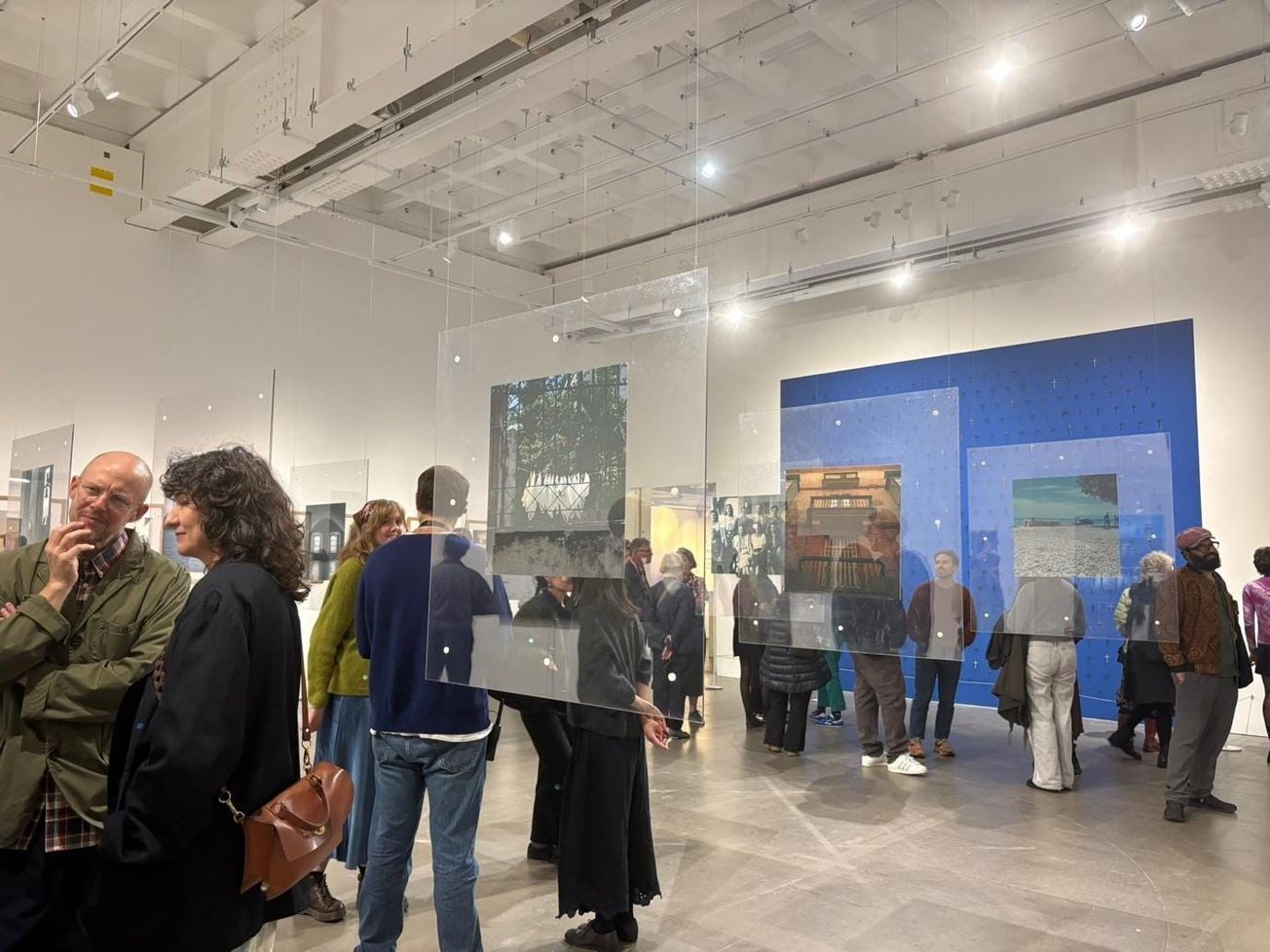
Catching Flies With Honey is a free exhibition hosted by Arnolfini Arts Gallery from the 17th of October until the 7th of February 2027. The gallery and bookshop are open Tuesday to Sunday 11:00-18:00. The café bar is open 9:00-22:00 Sunday to Monday and 9:00-23:00 Thursday to Saturday (and it’s great for studying!). Arnolfini has a lift between floors with level access throughout and accessibility aids are available.
Featured image: Charlotte Gordon
Will you be visiting Joy Gregory's exhibition?