By Nyx Osborne Sandford, News Subeditor
A recent survey by the Student Publication Association (SPA), which represents over 270 student publications, found evidence of censorship, editorial interference, and pressure from associated institutions.
The report sits in a broader context of threats to student expression on campus.
The report details publications being pressured to avoid - or even outright banned from discussing - certain topics, especially when a publication has a university or SU as its publisher rather than publishing independently.
Redbrick, the student publication of the University of Birmingham, reported that certain articles - such as those discussing the University and its Guild of Students, or the topic of sexual assault - were subject to specific approval by the Guild.
Redbrick’s editor-in-chief, Tamara Greatrix, told SPA their writers ‘often feel unable to address important issues’ because of the Guild’s resistance to certain articles.
Of the 85 publications that took part in the survey, only 28% published independently - the remaining 72% relying on another body for publication, such as an SU or university faculty. 66% of publications also relied financially on their publication body, of which a quarter reported recent budget cuts.
Epigram is editorially independent and self-published, and funds itself entirely through events and advertising, so all editorial, content and design decisions are independent to Epigram.
Laura Davison, general secretary of the National Union of Journalists, described reports of editorial interference as deeply concerning. She said: ‘No student journalist should ever face unwarranted pressure from publishers asking for their journalism to be amended.’
This survey comes amidst a wider discussion of free speech on campuses in the wake of multiple investigations by Liberty Investigates into universities’ treatment of student protesters, and Amnesty International’s recent Silencing Dissent report on the ‘chilling effect’ of university action on student expression.
 Cara Hene

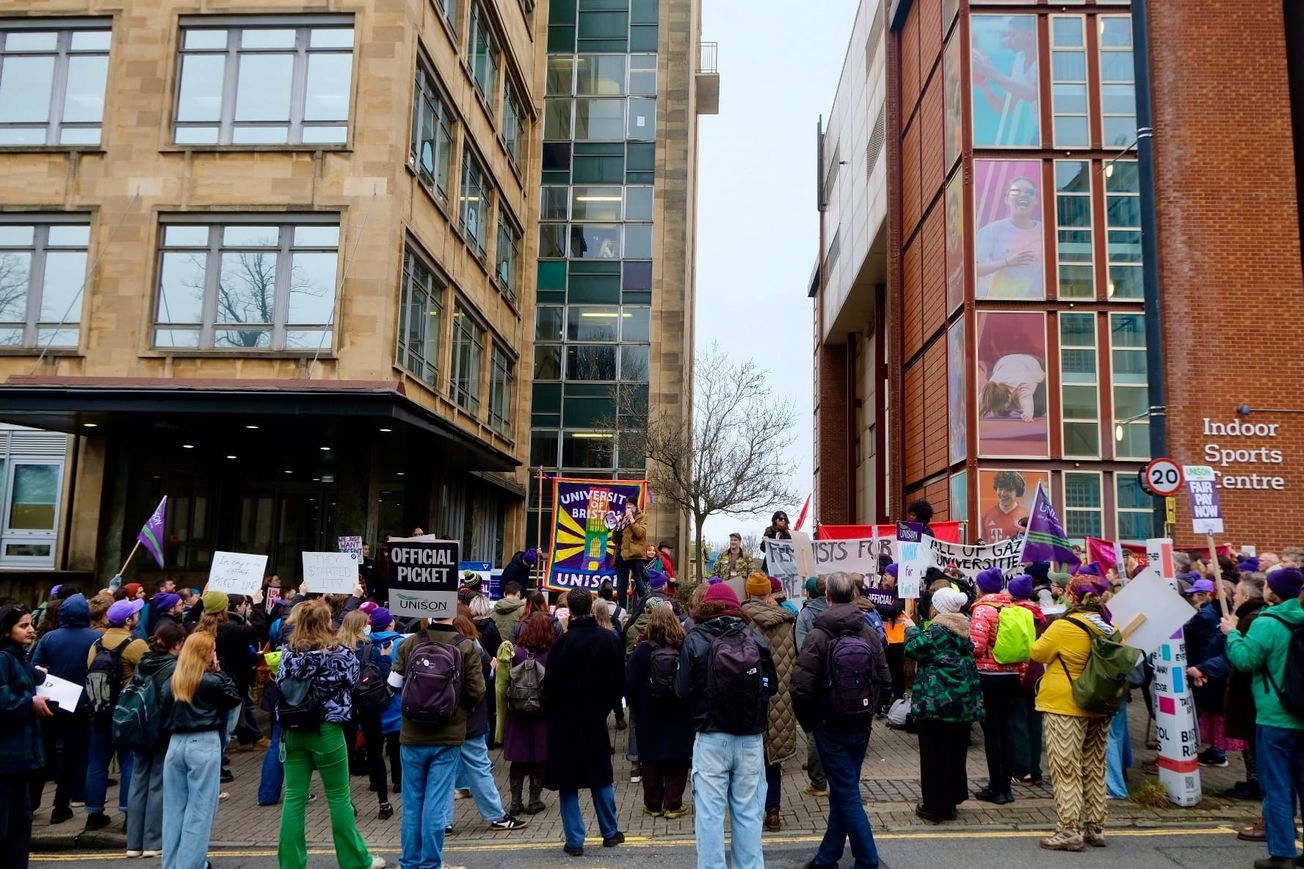
Liberty Investigates reported in April that several British universities, including the University of Bristol, had paid a security firm to spy on student protesters, and in September revealed collaboration between 13 British universities (which doesn’t include Bristol) and arms manufacturer BAE Systems to suppress student protests.
Gina Romero, UN Special Rapporteur on the Rights to Freedom of Peaceful Assembly and Association, described universities’ collaboration with BAE as part of a pattern of ‘restriction of [legitimate] solidarity collective actions’ and condemned universities for what she called ‘tak[ing] operational cues and security strategies from weapons manufacturers to suppress their own students.’
 Milan Perera
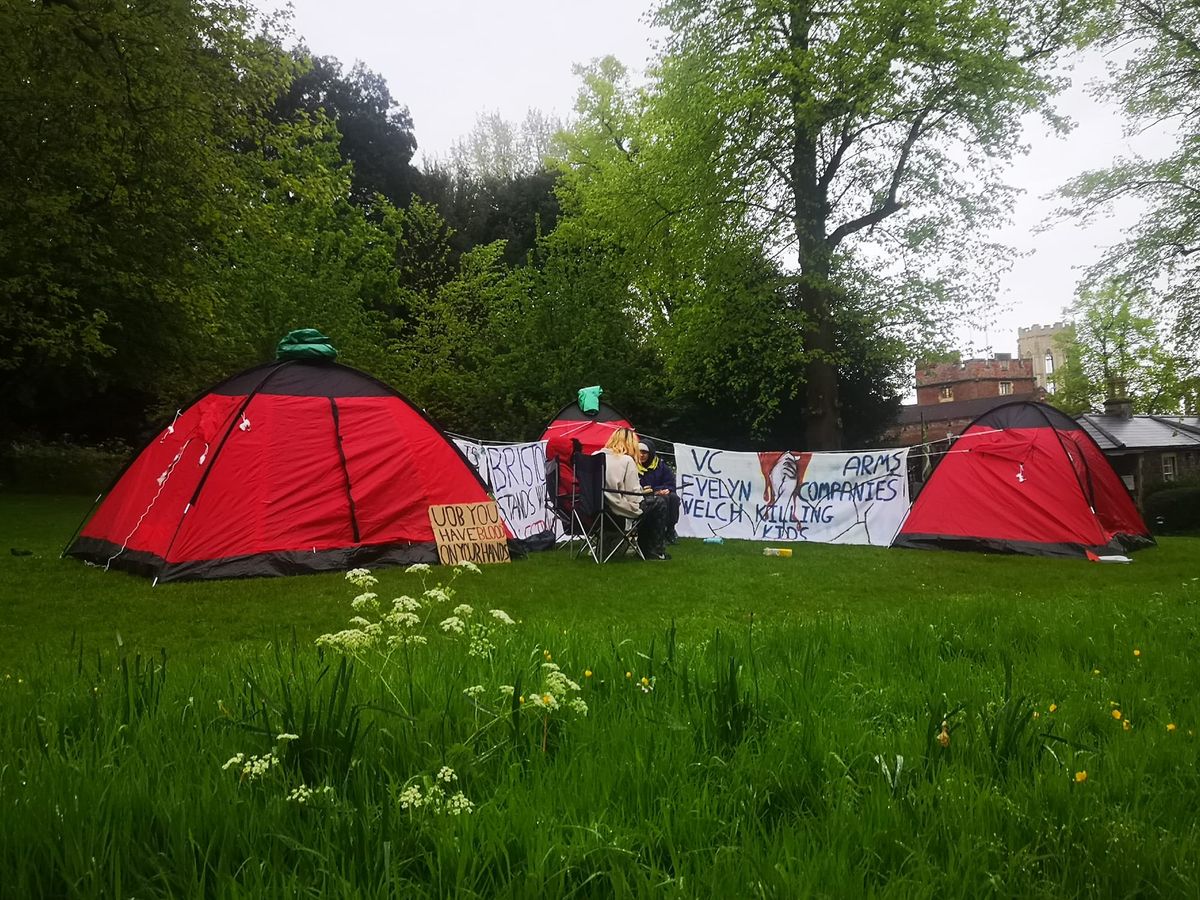
58% of the 140 universities monitored by the Campus Accountability Mapping Project (CAMP) are flagged by the project for some level of suppression of student expression, while 19% are flagged for substantial ‘evidence of repression’ of student expression on campus. flag
The University of Liverpool and Cardiff University, both flagged by CAMP, feature in the SPA survey over concerns about their student publications’ editorial independence.
A University of Bristol spokesperson told Epigram in May that Horus Security - the firm it employed to to surveil student protest groups - had only gathered ‘publicly available information’, and had ‘not been asked to provide information on any individual or political activity’.
According to the spokesperson, employing Horus Security was ‘not an attempt to repress, prevent or interfere with protest or activism’, and the University ‘always [has] and always will support the right to freedom of expression and to engage in lawful, peaceful protest’.
Featured Image: Mic Haupt via Unsplash