By Layla Williams, First year, English
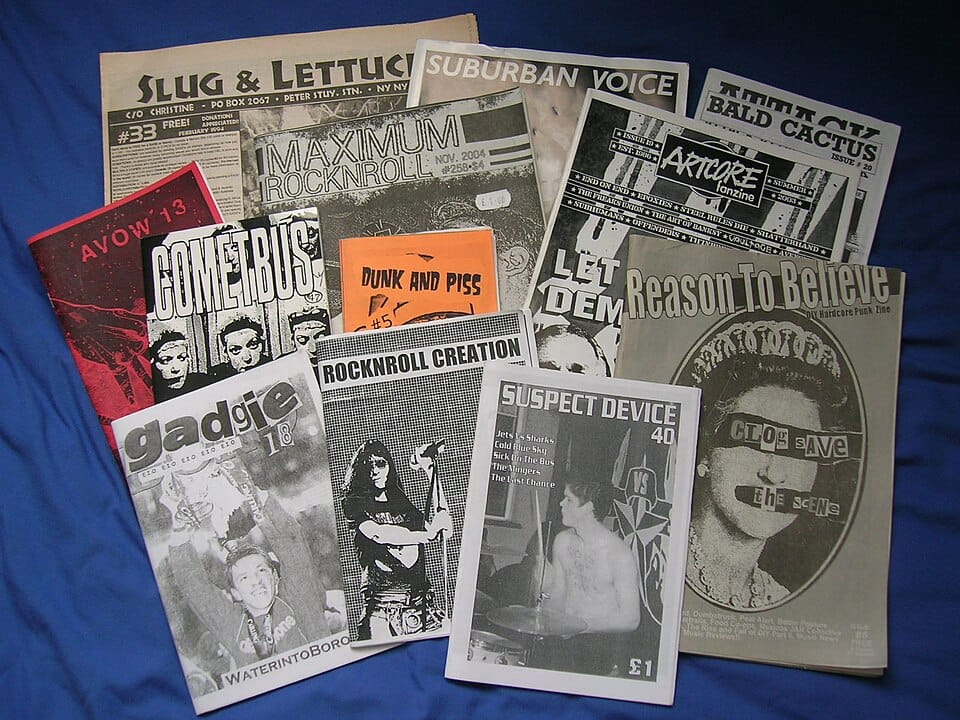
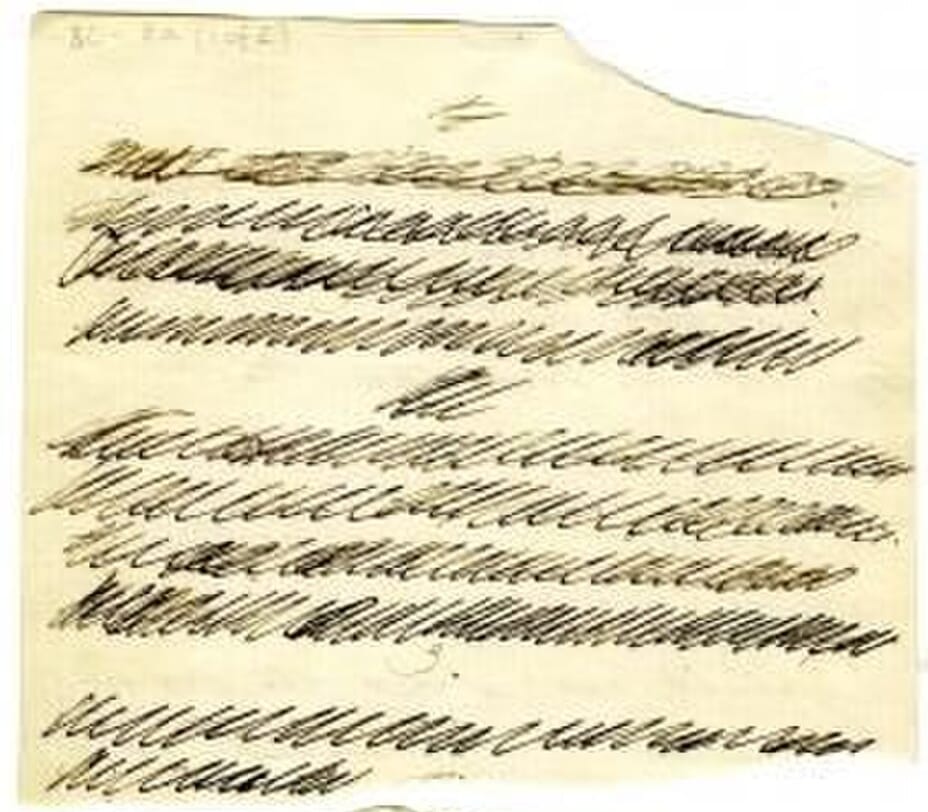
Intrigued by the question of whether artificial intelligence has a place in the arts, I joined Bristol Graduates Evie Jordan, Ambar Madhok, and Jeorge Lightfoot-Boston as they opened up this discussion with their recently published Anti-AI Zine. For those of you who don’t know, a zine is a small text inspired by manuscript culture and created by hand. In itself, manuscript writing encourages creativity, collaboration and messiness, traits which the ARKIV team aim to highlight as inherently human and untouchable by AI.
The idea for the Zine emerged sometime around November 2025. It was towards the end of deadline season and beneath the usual stress and fatigue, the three co-founders felt a simmering anger. None of them were using AI to generate their ideas yet some of their peers use Chat GPT as if it is physically attached to their cerebral cortex. And they don’t even feel guilty. What’s worse is that with typed essays and dissertations, we can never truly determine the origin of these ideas. Yet from this frustration, came the idea of handwriting.
According to Evie, handwriting is ‘a bit like a fingerprint’, it’s unique and specific to an individual, something that AI cannot achieve. But how many of us no longer put pen to paper? Instead, we rely heavily on technology and typing. Speaking to some of the English tutors attending the event, I was reminded of the importance of writing as a thinking process. A 2024 study in Frontiers in Psychology demonstrated that engaging our fine motor skills through the act of handwriting improves memory and the capacity for learning. ARKIV acknowledges this but stresses that the true significance of handwriting ‘is the way that it actively inserts the self, the individual, into the writing process’. When writing by hand, one cannot choose the way that their ‘g’s loop or their ‘s’s curve, nor can one take a mark off the paper once it has been made. When we make mistakes, we cross it out and move on. Handwriting demonstrates a process and a journey. It is as much a part of our identity as the words we write yet, unlike the words we write, our handwriting cannot be consumed by AI. Senior Lecturer in the English Department, Dr William Wootten, stresses the ‘importance of manuscript culture’ as a way of returning to our roots. In a world in which ‘we don’t seem to own our own words anymore’, ARKIV has reminded us of the power of human imagination and ingenuity.
Beyond their initial ideas, the trio's sources of inspiration are extensive and varied. Jeorge was particularly interested in Emily Dickinson’s handwritten and hand-bound poetry collections and the ambiguous, yet much debated, placements of her dashes. She found this intricate detail, and the discussion it provoked ‘fascinating’. Regardless of poetic intention, Jeorge believes that ‘it ties her intelligence and personality to her handwriting’. From Marie de France to the Bloomsbury group and T.S. Elliot, messiness and creativity are present in all of the Zine’s sources. In the founders’ second year of university, they studied the various drafts of The Wasteland by T.S. Elliot in which you can ‘identify the different voices through their handwriting’. This is largely what inspired the ongoing nature of the Zine which, as Amber puts it, should be ‘an ever-evolving jumble of ideas’. Like the Bloomsbury group writers, the founders of ARKIV discuss all their ideas in depth, creating a collaborative workspace. ‘ARKIV is all about collaboration’, says Ambar, ‘but writing has always been about collaboration’. It is important to note that the Zine should not be viewed as a trend. By taking inspiration from such a variety of writers, ARKIV demonstrates that handwriting and manuscript culture has been present throughout literary history.
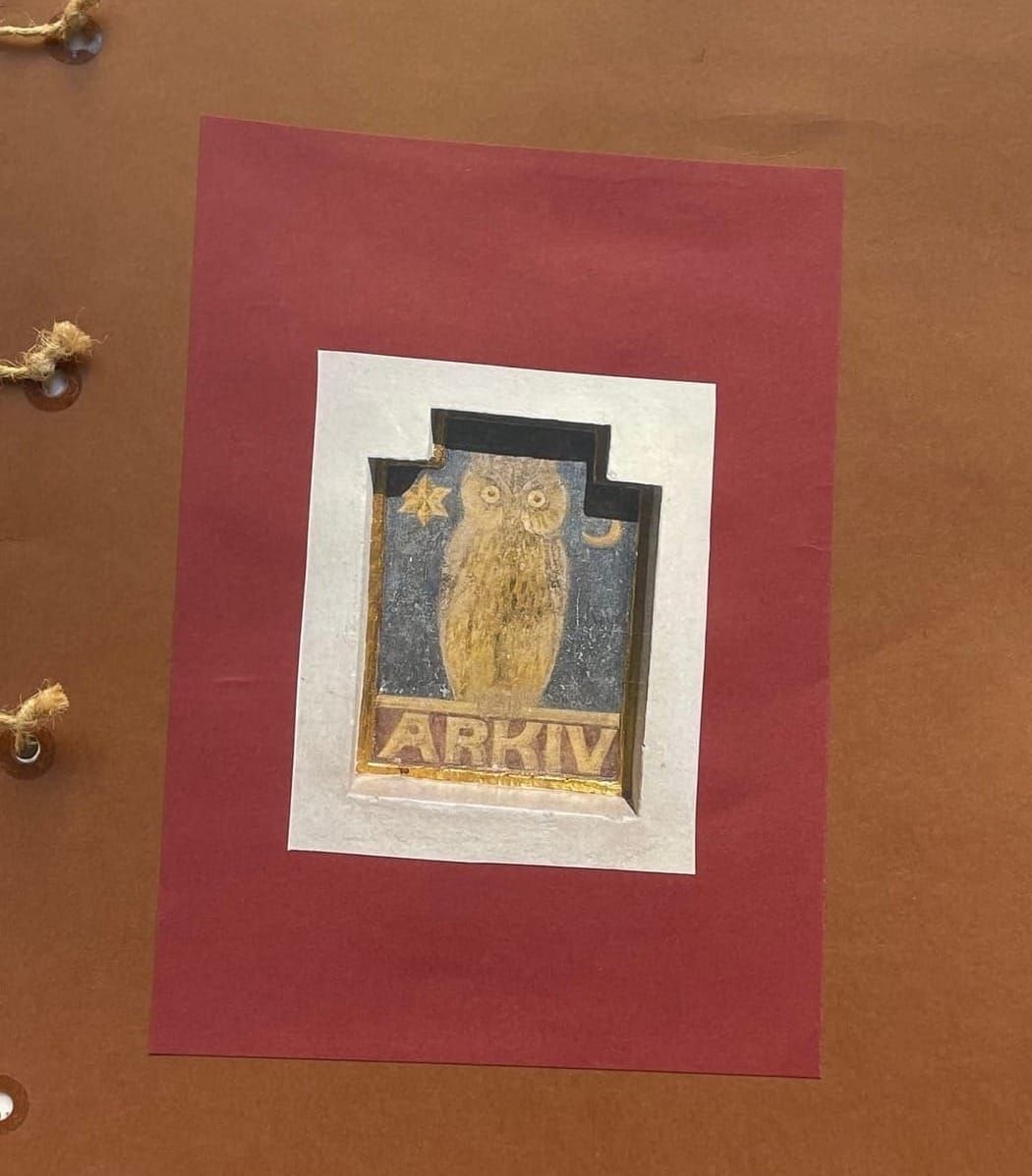
As for their logo, a solo trip to Copenhagen and a near wedding crash led Jeorge to a beautiful painting ‘of an owl with a celestial background and those lovely gold letters that spell out ‘ARKIV’’. Though hesitant to pitch the idea for the logo as she was the only one to have seen it in real life, Ambar and Evie fell in love with it immediately.
With the co-founders’ aim to distribute their Zines as widely as possible, this exhibition marks the beginning of a creative rebellion against AI. Though it must be hard to let something so personal and original out into the world, Evie doesn’t ‘want to be precious about it’. It is ‘a little social experiment’ that relies on trust and the aim will be to ‘see how every individual copy is different’.
 Clarrie Terleph
My key takeaway from this exhibition is Ambar’s assertion that this is ‘not something where we are imposing we hate AI onto everybody’. Instead, it is a celebration of human creativity. ARKIV is an ongoing project. It is a project that calls for your input. Now that it is published, Evie, Ambar, and Jeorge want you to leave your mark just as they have left theirs. You can do this by receiving a copy of the Zine, writing your thoughts in the margins and signing your name on the last page. If you have an idea you wish to write down in a way that cannot be consumed by AI, you can contact the ARKIV co-founders and send them a scan of your handwritten piece. It can be anything. They want your thoughts, your ideas, your messiness. As Evie puts it, ‘every human voice is so valuable [...] every opinion is valuable’. Leave yours on the page.
arkiv_zine@outlook.com
Featured Image: 'First Edition ARKIV Zine' | Epigram / Layla Williams
Would you get involved with a similar creative project?