By Lianne Ponferrada, Comment Subeditor
This article contains themes that some readers may find distressing. It discusses the grooming and exploitation of young women and uses some explicit and potentially upsetting language. Please read at your own discretion. If any of the things discussed in this article you find particularly upsetting or relevant to your own personal experience, there is a list of contacts at the end of the article.
Due to the personal nature of this article’s content, all interviewees will go by fake names.
On Valentine’s Eve, I wrote in my journal:
Whilst my friends received flowers and chocolates from their loving partners, I got to be a Redditor’s free camgirl.
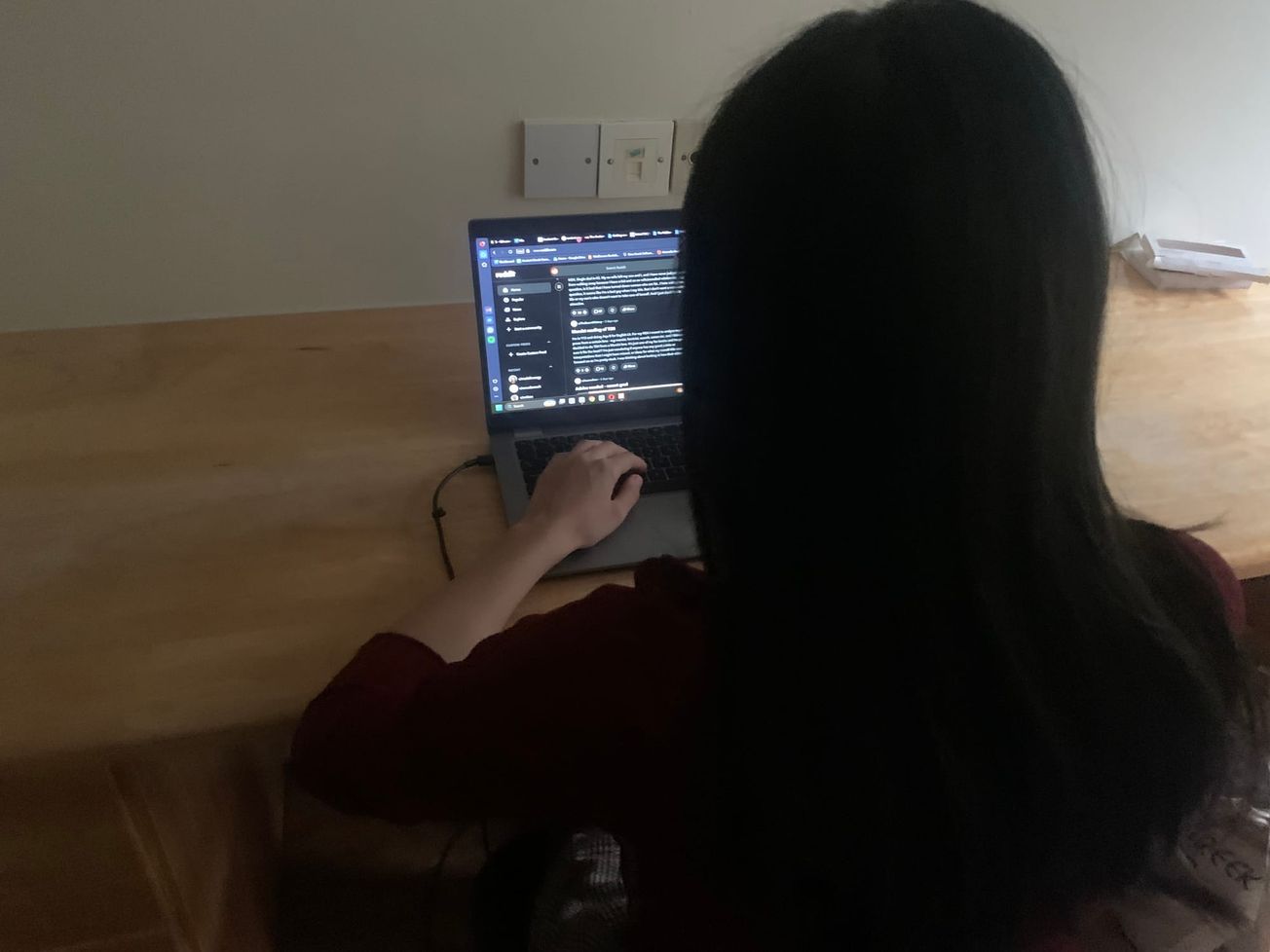
In my article ‘Femcels are the truest form of incel’ I share how social media, particularly r/FemcelHub on Reddit became my ‘safe haven from all things smutty to romantic’ when I felt isolated from my peers who were far more romantically successful than I was. However, venting about my insecurities and struggles with neurodivergence in these public forums made me a vulnerable target for online groomers, who would send me explicit videos, galvanising my unique relationship with pornography. Between imagining myself as the women in amateur content to granting the wishes of Redditors, who were eager to see more of me, I constructed a reality where I was desired.
My regular life was so lacklustre. I had hardly recovered from my agoraphobia, I wasn’t used to my newfound freedom at university, and I was too burnt out to continue going to societies. Pornography and sexting were my ethically questionable, yet thrilling and low-effort escapes from a university life that I felt went completely wrong.
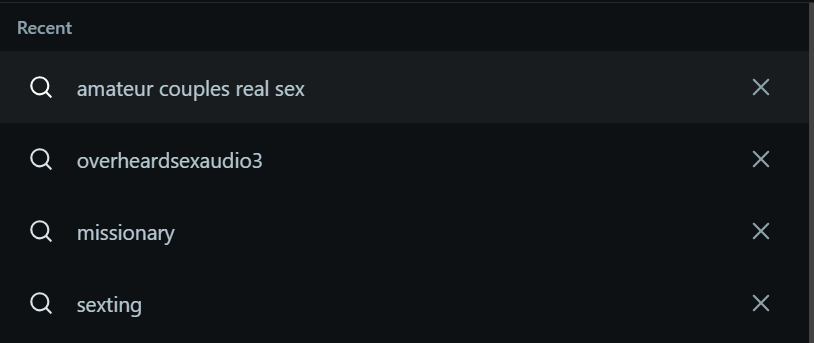
The media we consume undeniably shapes us as people. We are not as proficient at compartmentalising as we believe, and I subconsciously internalised the degrading attitudes towards women found in the majority of adult movies online. I would self-objectify to such a degree that I’d film myself to share with strangers I met online for validation.
I’m not the kind of person who has regrets. Yet, I often find myself wishing to go back to who I was before I recorded these. I became increasingly reckless, even showing my face, which put myself at further risk. One man would encourage me to send them to other people, as long as I shared our conversations with him.
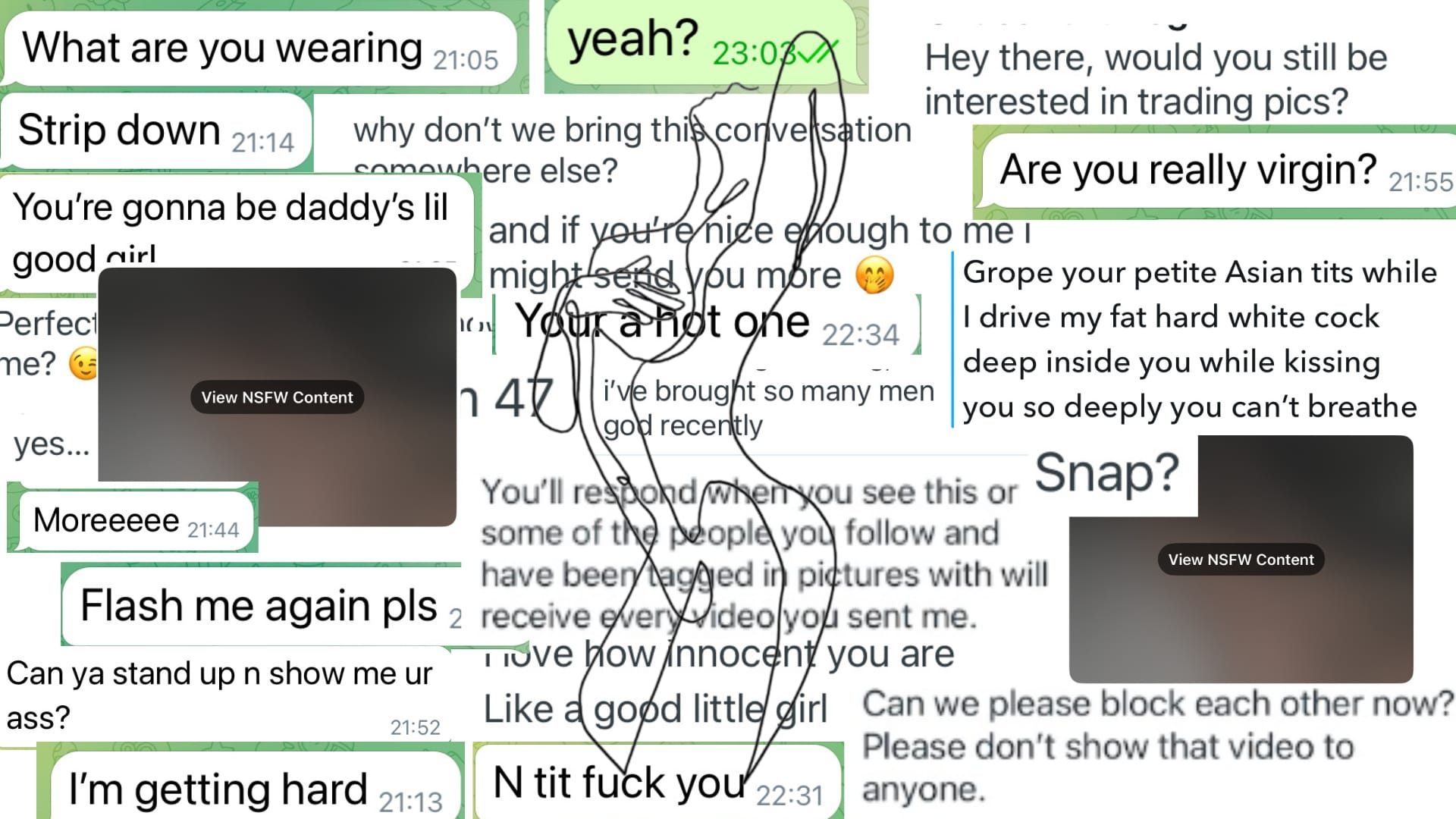
In fact, he’d give me suggestions on what to say and what to send. He’d soon encourage me to start posting publicly. He created an encrypted email for me, where my address would be ‘ObedientAsianDoll,’ and made a separate Reddit account, where I’d post faceless pictures in my underwear with captions he’d draft for me, asking men to ‘compliment me and use me.’ Throughout this, he’d subtly discredit my intellectual abilities, which I already felt were diminishing due to imposter syndrome. I lost confidence in myself as a writer, and frankly, I’ve never recovered from this. I felt intellectually, socially, and morally inept. Worn down to such an extent, I believed all I had to offer was my ‘tight’ and young body.
Honestly, I didn’t find this too shocking; it’s a post-Epstein world and we’re living in it. Nevertheless, I still found myself taken aback by how common paedophilic inclinations were amongst men, and who these men were– I conversed with accountants, solicitors, engineers, and former teachers. Even ones who appeared politically liberal had sexual preferences that derived from and perpetuated rape culture.
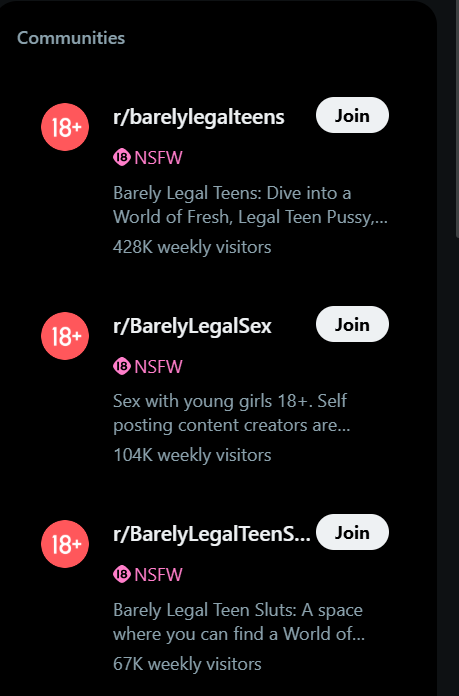
Now, I can’t act like a total victim. I'd cling onto labels such as ‘barely legal’ and ‘tight.’ Desperate for some kind of validation after losing my main source – academic mediocrity had hit me like a truck . I relished the validation even if it came in a different form.
I wouldn’t class my first-year self as a ‘porn addict’ as it wasn’t my consumption that impacted my daily life. What was worse was my addiction to being pornography. Porn addictions are typically viewed as a ‘man’s issue.’ To some extent, I agree. The majority of those who consume pornography are male with 82 per cent of men in the UK watching it regularly. Yet, over the last two decades, there has been an increase in women who struggle with this, as major porn sites are more accessible than ever.
I’d even argue that the consequences of porn addictions in women may be more dangerous, despite its perceived rarity, due to the fluid relationship between women and porn.
In Louise Perry’s The Case Against the Sexual Revolution, a former pornography actress shared that she had suffered from an addiction herself when she was struggling with her mental health. She would soon enter the industry hoping to be as: glamorous, beautiful, and desired as she imagined porn performers to be.
The boundaries between her as a consumer and her as a product were blurred. Meanwhile, the relationship between the heterosexual man and pornography remain fixed; he, the powerful consumer and she, the victimised object.
Lana Rhodes, now a podcaster and internet personality, has now also openly discussed the dangers of being a woman in the pornography industry. She now speaks openly across multiple platforms about the incessant grooming from the moment she entered that space and the lack of safety she felt.
More often than not, the effects of these degrading images manifest in ways other than creating one’s own videos. Electra, a soon-to-be nursing student, admitted that pornography worsened her gender dysphoria:
‘I saw that there were many ways to be a woman [in pornography], but I felt only one way was acceptable… I mean, I’m going to get cosmetic surgery of some form. A lot of my facial and body dysmorphia was brought on by porn as it promoted the image of an attractive high oestrogen woman.’
This demonstrates that pornography contributes to self-objectification, as women begin defining themselves in accordance with the archetypes they’ve witnessed.
My illicit escapade would come to a screeching halt after someone threatened to leak my intimate images to my friends and family. This was a severe (and illegal) wake up call. I deleted my Reddit accounts, went AWOL on Instagram and Facebook, opened up to my friends about what happened, and sought mental health support through the university. It was the ‘Sexual and Relationship Harm’ support team that made me feel the most heard.
Some evenings, remorse gnaws at my gut. I, amongst many other women with a similar plight, experience immense guilt over consuming another woman’s exploitation. I regret embodying stereotypes about East and South-East Asian women as sexually submissive.
‘I used to feel horrible after watching porn. I felt like I was the most disgusting person on earth.’ (Janine, 25)
‘After watching straight porn, I felt guilty because of how poorly a lot of women are treated in the industry.’ (Charlotte, 19)
‘I feel upset if I think that the woman is being exploited, or if I suspect that it was posted online without their knowledge.’ (Olivia, 23)
The confidence that derived from the stream of raunchy compliments was short lived, leaving me extra conscious of aging. When I turned nineteen, I felt as if I had lost something substantial, when all I had lost was my claim to the label ‘barely-legal.’ After I received my first year grades, I was so frustrated. I could have performed much better if I had spent more time and energy on my academic life instead of playing porn star.
Olivia, a psychology graduate, was sexually groomed online when she was only sixteen. She recalls struggling to balance her online relationships with her studies, opening up about how she was worried that her groomers would abandon her or grow irate if she was too busy to send explicit content:
‘I would stay up extremely late most nights, which affected my mood at school. I simply wouldn’t try as hard, I would do the bare minimum to get by.’
Conversely, I have also learnt how amazing our brains’ are. I’ve realised how fiercely it tried to protect me. I dissociated and daydreamed my way through first year. When I rediscovered my old videos, I didn't recognise the young woman in them anymore. Unfortunately, this might not be the case for everyone. Carolina, a nineteen-year old going into work, said that porn worsened her intrusive thoughts:
‘Like, I don't feel bad about watching it or thinking about it, but I do experience unwanted thoughts about rape, incest, etc… It's not what I want to think about, but it happens. When I was younger, the [intrusive thoughts] weren’t necessarily sexual.’
I recognised how far I came in my recovery journey when I thought about how I could never endure that now, as I am ever-present in my daily life. I am excited to tackle my second year offline, amongst the supremely real communities Bristol has to offer.
If you found my story relatable in any way, you don’t have to suffer in silence. The following resources provided me with invaluable support throughout my recovery process. However, if you feel in any immediate danger, call 999.
Sexual Relationship Harm Support
Otherwise, I’d urge you to create a request for support from our ‘Sexual and Relationship Harm Support’ team (formerly known as the ‘Sexual Violence Support Service’) by clicking the hyperlink or emailing srh-support@bristol.ac.uk if you have any queries about the support they provide.
Struggling with university
If you’re struggling with other personal issues, whether it be anxiety, depression, burn out or exam stress, you should speak to your GP or a wellbeing advisor.
Non-consensual intimate image abuse (formerly known as revenge porn)
If someone is threatening to leak personal images of you, they are threatening to commit a serious crime. They can get arrested for up to two years.
Revenge Porn Helpline (0345 6000 459) supports and provides advice to victims of non-consensual intimate image abuse, whilst StopNCII.org can generate a ‘hash’ (also known as a ‘digital fingerprint’) from your intimate images which they will share with participating companies so they can detect and remove the images.
You can also seek legal advice from the university police officer by clicking the link, or emailing sian.l.harris@bristol.ac.uk.
 Jessica Lees
 Rafaela Davies
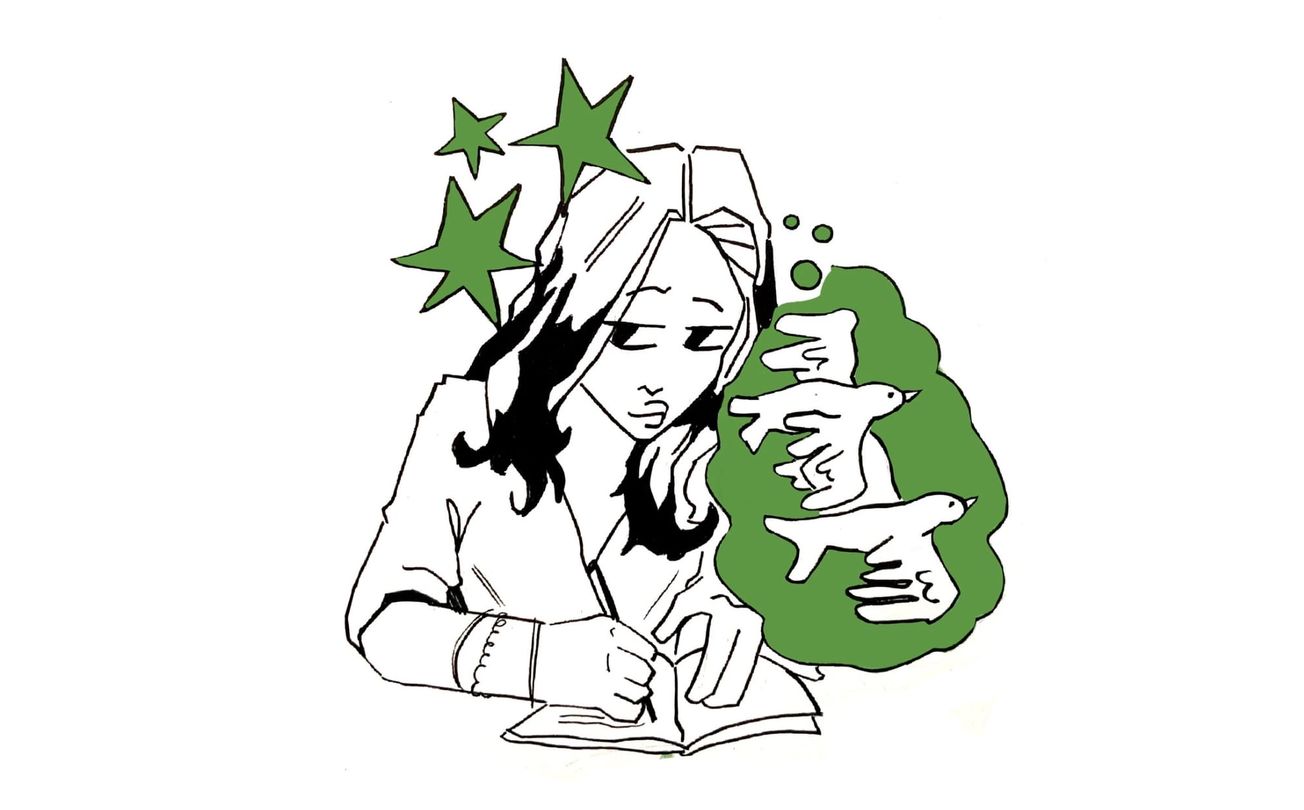
Featured image: ‘The hidden consequences of female porn addictions’ | Epigram / Lianne Ponferrada
Is the relationship between women and pornography understudied and underdiscussed leaving women vulnerable to exploitation and grooming?