As the flagship production marking the Bristol Old Vic’s 260th anniversary, Lanny is a fitting tribute to the theatre’s enduring place in Bristol’s cultural sphere. Bea Roberts brings Max Porter’s celebrated 2019 novel to the stage in an ambitious new adaptation which truly captures the magic of storytelling.
“Telling stories breathes life into it”
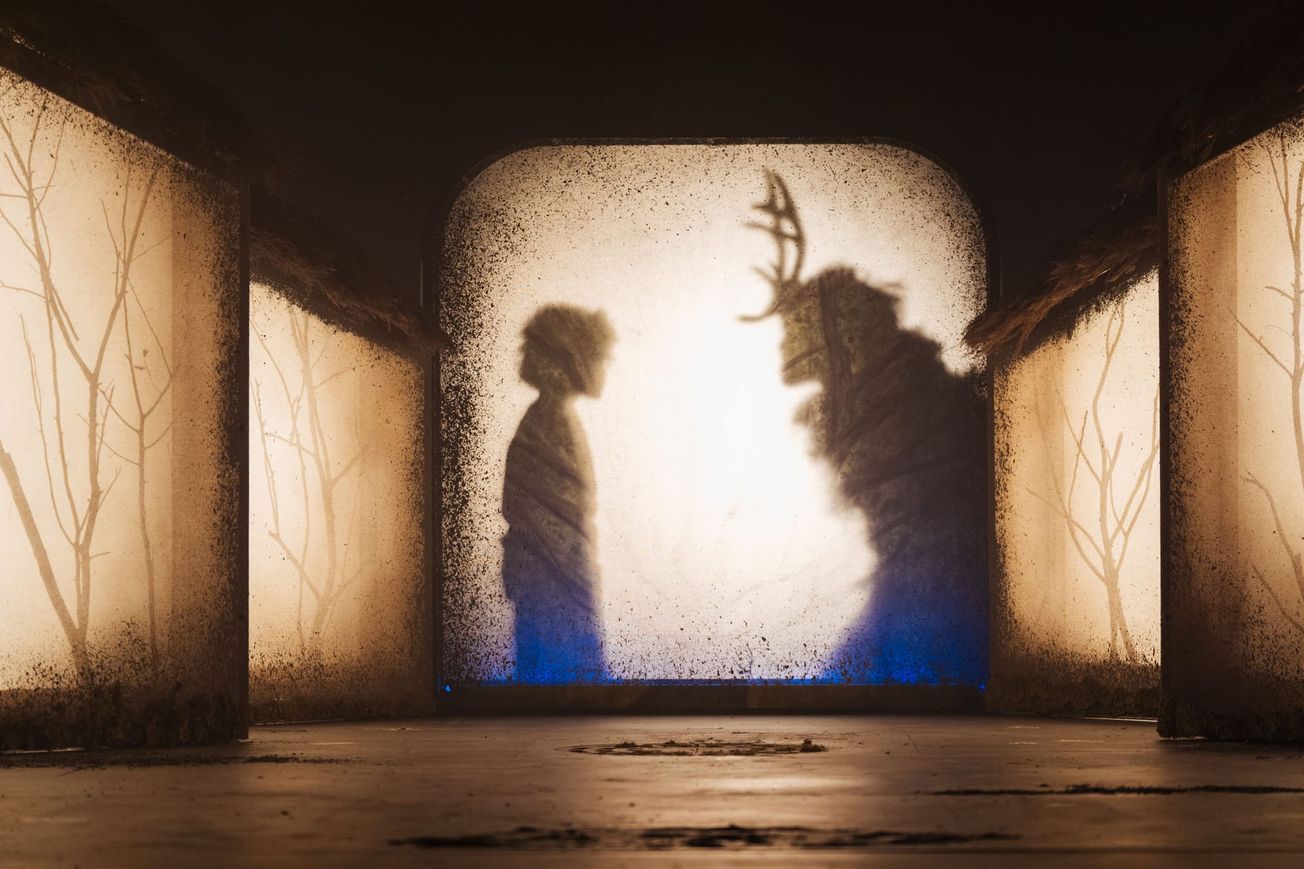
Dead Papa Toothwort is a mysterious presence moving through the village, connecting it’s past and present. He listens and absorbs the village’s stories and moves between the natural and human worlds. Meanwhile, Lanny (Lucian Thomas/Atlas Johnson-Dutfield) himself sees possibilities and beauty that other people overlook; like Toothwort, he seems to belong as much to the woods as he does to his family.
The play begins washed by a hazy golden hue cast across canvas screens as a fantastical bird figure comes into view, seemingly emerging from somewhere between the real and the dreamt. It is an enchanting opening, drawing the audience into the fabled world of Lanny before we have quite worked out where, or when, we are.
Beneath this other worldly opening, however, lies a distinctly modern story. The arrival of the Lloyd family in the countryside brings a welcome dose of familiarity and humour, as they find themselves somewhat out of step with the rhythms of village life. Bea Roberts captures this dislocation with a lightness of touch, finding comedy in the everyday awkwardness of newcomers while keeping the characters warm and recognisable.
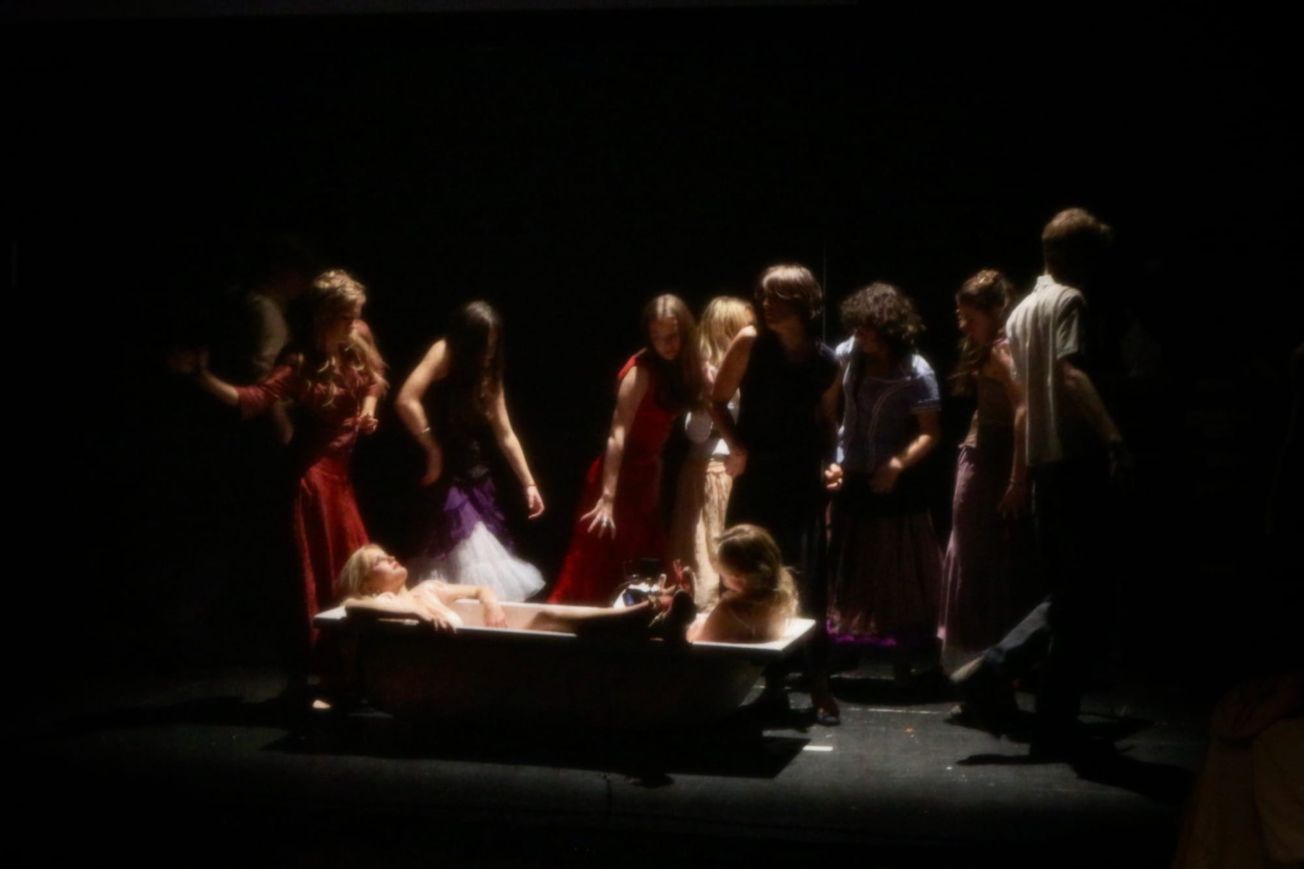
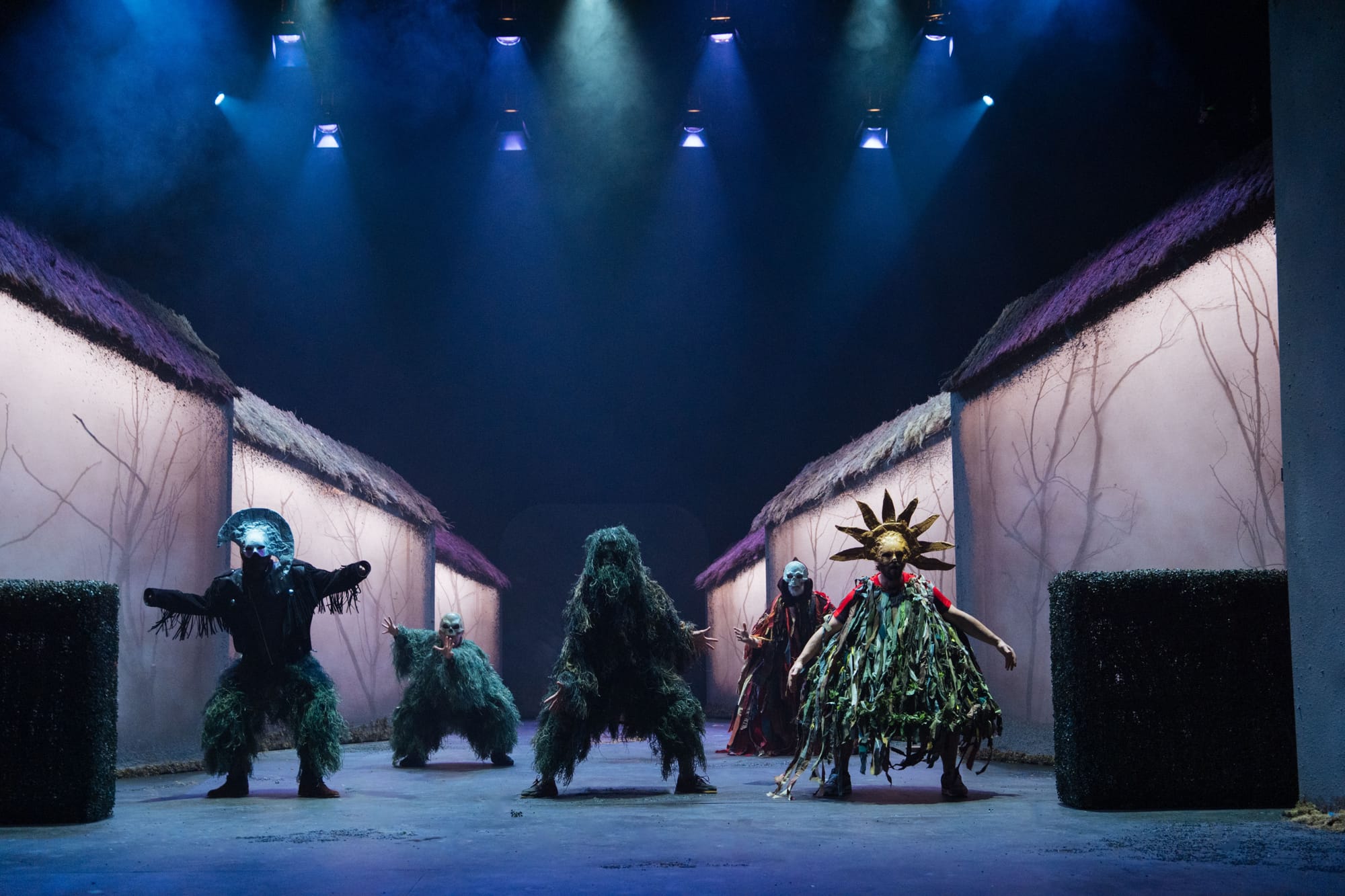
The sense of juxtaposition is softened by the way the production weaves folklore into the fabric of the contemporary world. The village teenagers hold a Dead Papa Toothwort costume competition, a lovely moment of local colour; celebrating the mythic figure through folk music and dancing makes the supernatural feel entirely at home in Bristol. Bea Roberts allows folklore and modern life to gradually overlap and in doing so, the extraordinary begins to feel as though it has always, and will always, exist just beneath the surface of our everyday.
But when the family faces a devastating crisis, its members respond in different ways and we see imagination, which initially makes the world feel expansive and full of possibility, become inseparable from fear, grief and uncertainty.
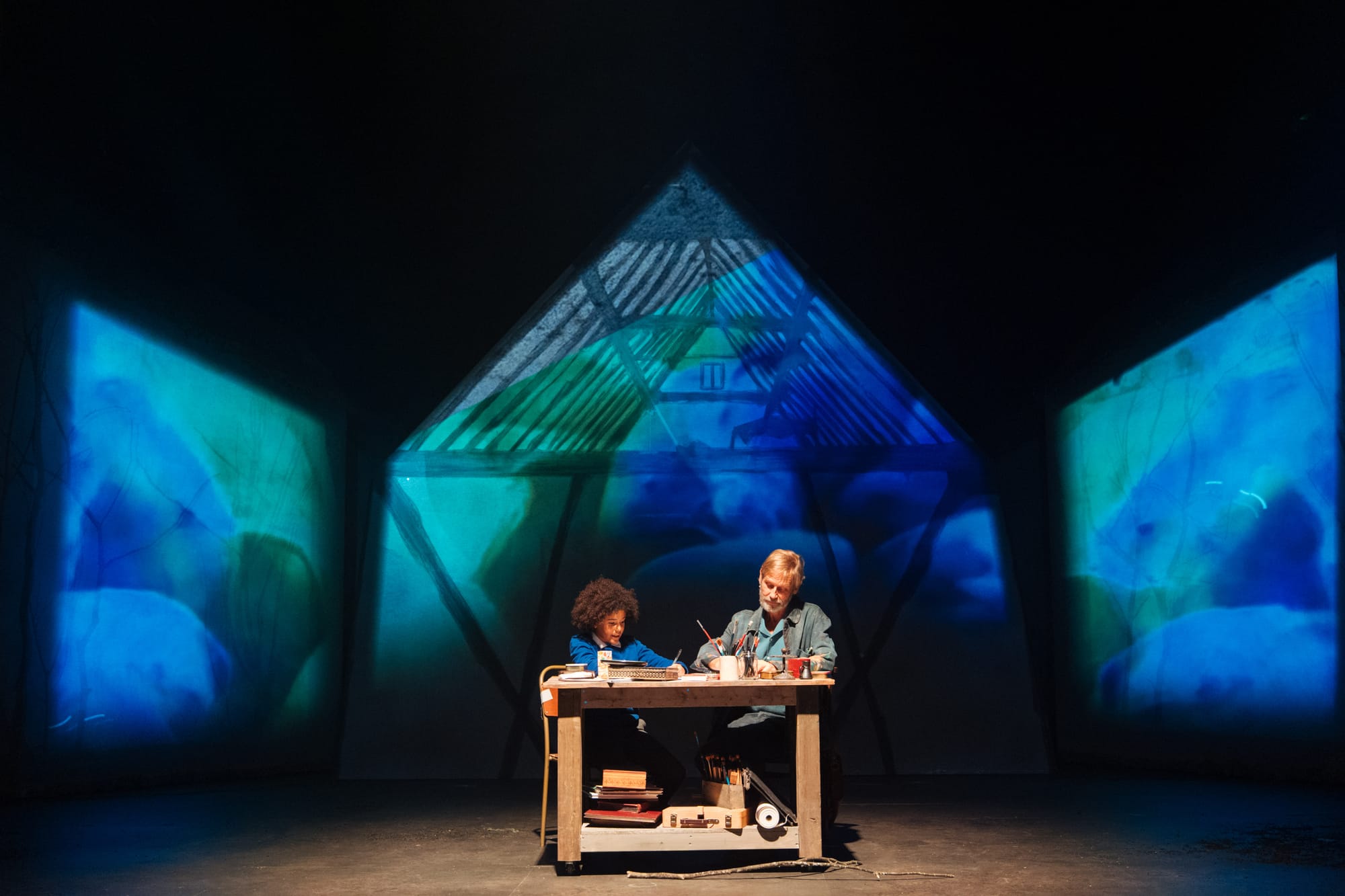
Much of the play centres around Lanny’s relationship with Pete (Richard Cant), an artist whose initially reserved nature makes their unlikely friendship all the more endearing.
“Look at the blank pages, don’t you feel like god at the start of the ages?”
Their weekly drawing sessions reveal the reciprocity of intergenerational connection; not simply an older man passing his knowledge on to a child, but two people opening up each other’s worlds. Lanny introduces Pete to a sense of playfulness and possibility, while Pete facilitates Lanny’s artistic expression and gives form to his curiosity. Through their friendship, Max Porter reminds us of the value of looking at the familiar with fresh eyes, and of the things we stand to gain from taking someone else’s perspective.
The first act’s warmth is undercut by frequent moments of creepy eeriness causing Lanny’s parents’ relationship to take a different turn; Jolie’s (Hanora Kamen) connection with both the natural and supernatural spheres deepens, contrasting with Robert (Raj Bajaj), whose more cautious outlook leaves the couple increasingly at odds with tension rising. The act culminates in a brilliant theatrical sequence of torches, trench coats and shouting, leaving the audience pulsing under a palpable sense of foreboding.
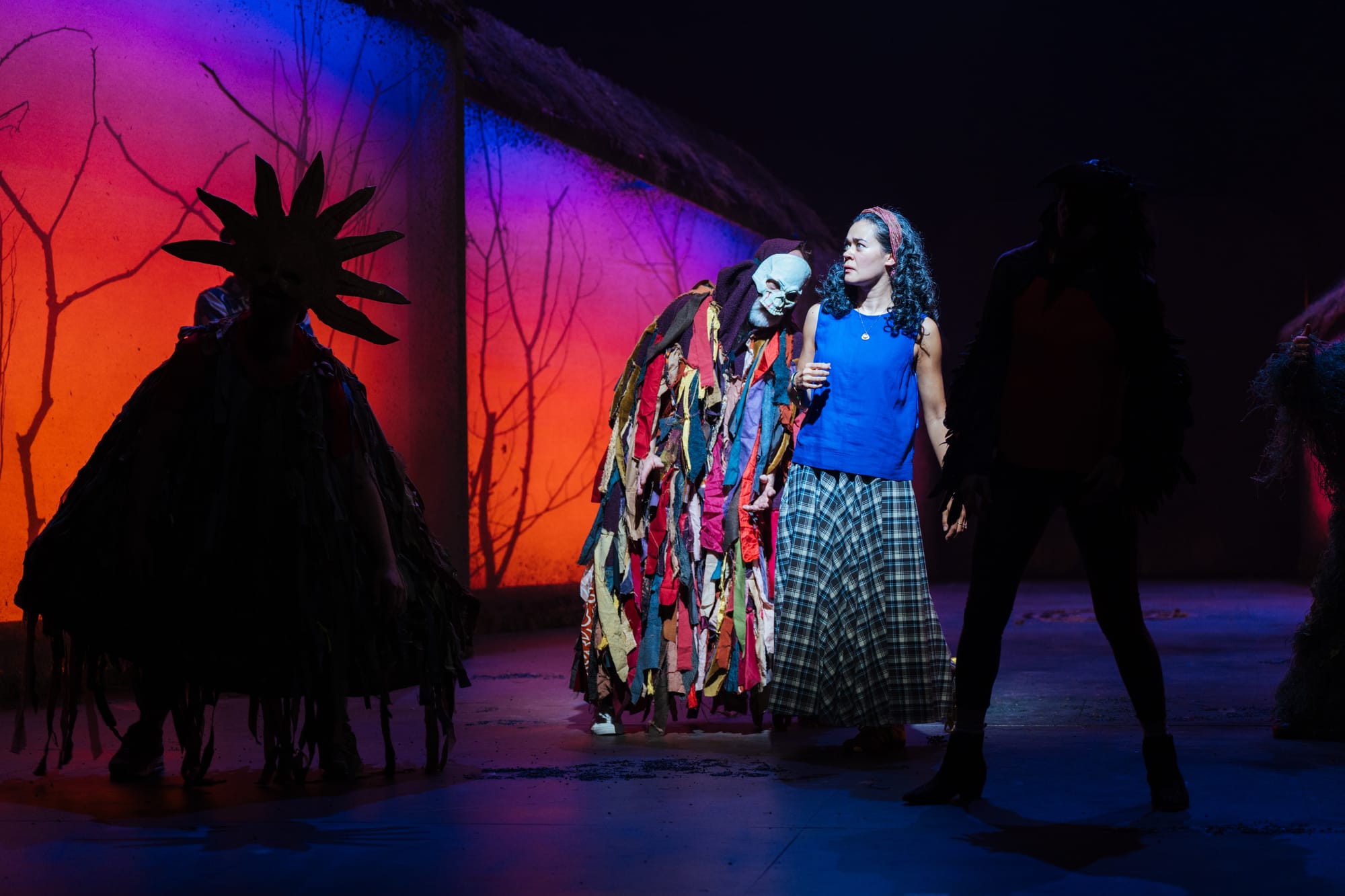
The transition into the second act is equally inventive, using clever staging to draw the audience further into the progressively unsettling scenario. It is Hanora Kamen, however, who gives this act much of its emotional weight. As Jolie, she delivers a commanding performance, capturing the mother’s vulnerability with a rawness that is particularly affecting. She moves convincingly between Jolie’s earlier playfulness and the mounting strain of uncertainty and despair.
“Like a sapling he will grow, like a young buck he will flee”
Beyond it’s fantastical staging, Lanny has a recognisably human heart. It explores how differently people respond when the familiarity holding them stable begins to deteriorate, and how easily fear gives way to isolation. The play captures the strange beauty of Lanny, not shying away from the less comfortable realities of rural life, but spotlighting the rawness of humanity. Enchanting, unsettling and unexpectedly funny, Lanny is theatre at its most alive.
 Rosie Napthine

Do you agree that Lanny is a fitting production to celebrate BOV's 260th anniversary?