By Lara Kurtulus, Second Year, History of Art and Italian
As Mahmoud Darwish wrote:
'I come from there and I have memories.'
'I learned all the words worthy of the court of blood so that I could break the rule.
I learned all the words and broke them apart to make a single word: Home.'
Reading Darwish, I have always found myself lingering somewhere between his idea of "here” and “there”. His poetry returns to questions of exile, memory and belonging, but what has stayed with me most is not the certainty of a homeland. It is the possibility of existing between places, of belonging to more than one world without being entirely claimed or consumed by any of them.
Perhaps this is why I have never fully understood patriotism. Coming from an eclectic background, I have rarely felt that I belonged anywhere in particular. I have felt closer to landscapes than borders, closer to cultures than passports, closer to people than nations. Reading Darwish gave me a language for this uncertainty, and a way to question why an accident of birth should become the foundation of an identity.
Maybe what I never understood was why an accident of birth should become the foundation of a person’s identity. Out of everything a human being can be—curious, passionate, intelligent, courageous—why cling so tightly to the one thing they never chose?
Learn your history. Understand where you come from. Know the stories, the struggles, the victories and tragedies that shaped the people before you. But I have never fully grasped why that understanding has to turn into devotion. There is a very thin but significant line between appreciation and glorification, and they should be understood separately.
Patriotism often feels like the elevation of chance into virtue. Coordinates becoming destinies or even identities. A celebration of geography mistaken for achievement. As though being born on one side of a line drawn by history somehow makes a person more worthy than someone born on the other.
And it is important to note how absurdly fragile those lines are. Five kilometres east of my birthplace and I might have been holding an Armenian passport. Five kilometres in another direction and I might have belonged to a different nation entirely. The language I speak, the flag I am expected to honour, the history I am supposed to call my own—all of it could have been different because of a few kilometres of earth.
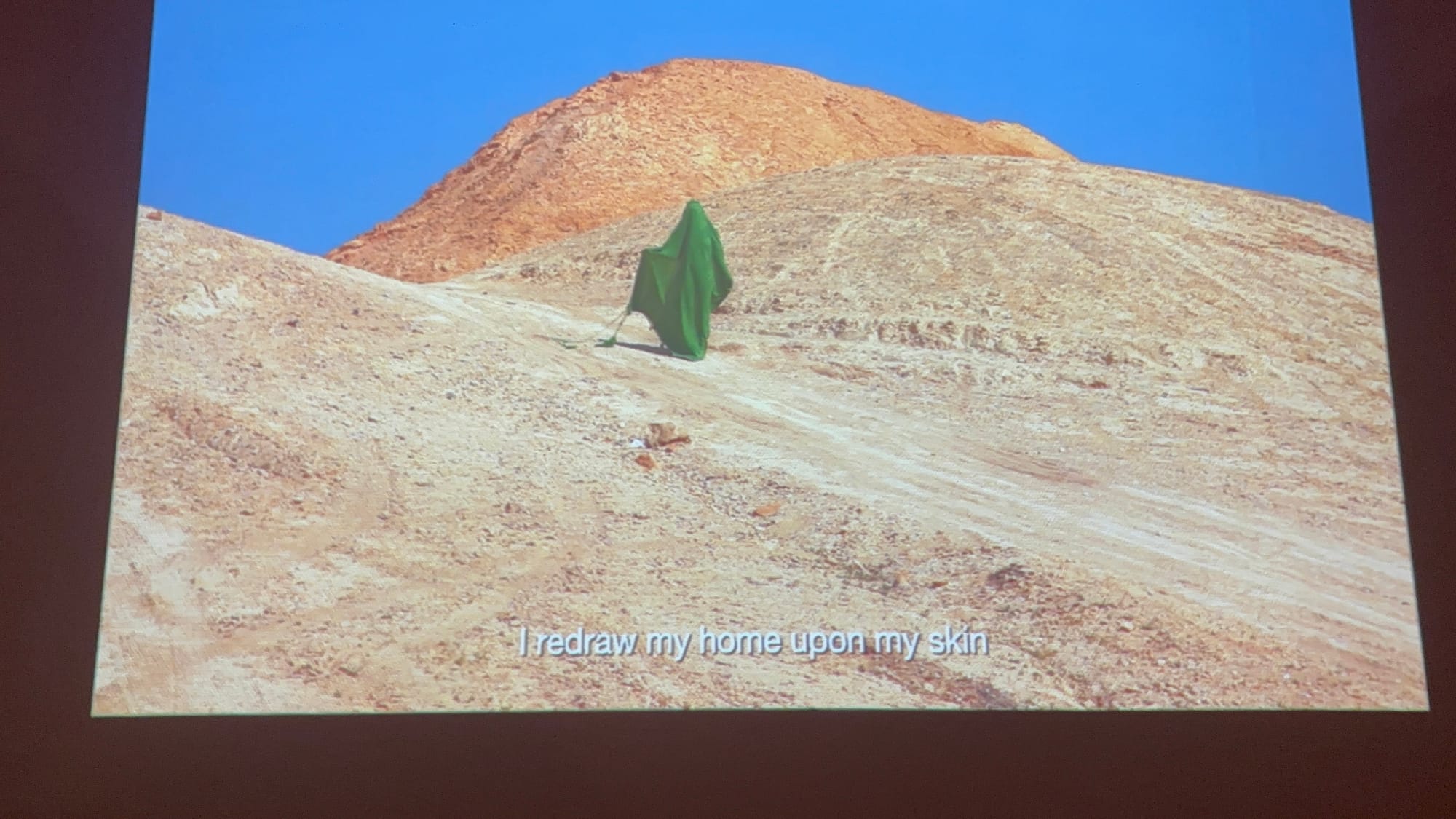
Yet people kill, hate, divide, and define themselves over these accidents. We have neighbours who share blood but not identity. Families separated by borders. Arabs fragmented by states. Indians and Pakistanis inheriting a partition they never chose. Turks and Kurds told they belong to different stories despite inhabiting the same geography for centuries. Entire populations are driven by the notion that the line matters more than the people standing on either side of it.
Fortunately or maybe unfortunately -considering the world we live in- I have never been able to see nations as anything more than temporary arrangements. Maps change or get drawn. Borders move. Empires rise and disappear. Languages evolve. Flags are redesigned. What remains are people. What has always been real, and what will always remain real, are people.
Perhaps that is why some never truly yearn to belong. Belonging can feel too small a word for what they are searching for. Not a place within a tribe but a place within the human story itself may seem more real, authentic, human.
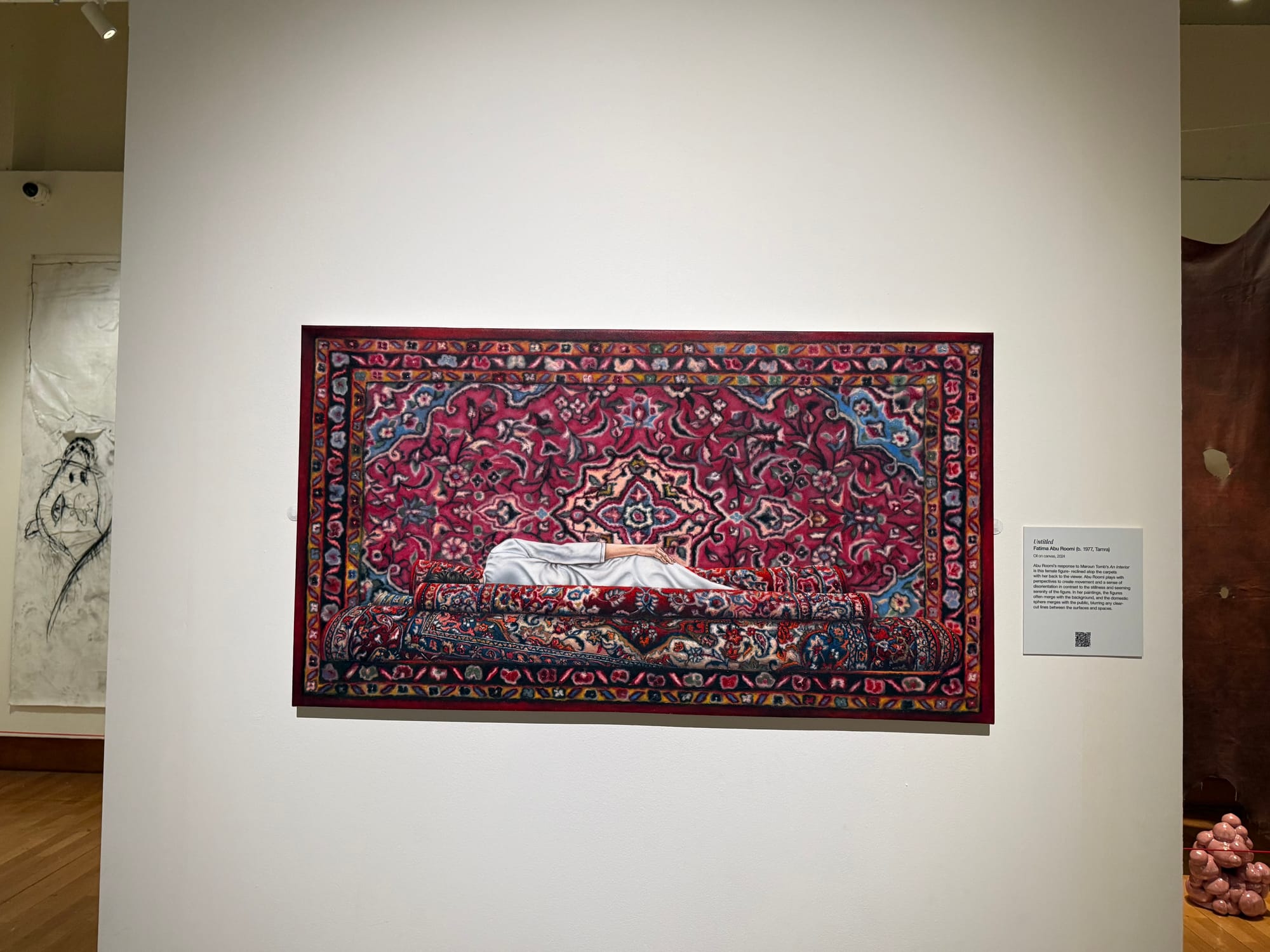
Because in the free travel among cultures, those who search into human nature, may find enough seats for everyone. Here a margin advances, or a centre recedes. The East is not quite East and the west is not completely west. Identity is open to multiplicity. ( Exile by Mahmoud Darwish on the legacy of Edward Said)
If I envy anything in this world, it is not those who know exactly where they belong. It is those who can stand between worlds without feeling compelled to choose one. Those who can carry many histories within them without becoming prisoners of any of them.
Maybe home was never actually a nation. Maybe home was simply the freedom to move through the world without needing to reduce yourself to a single answer when someone asks, “Where are you from?”
Featured image by: Lara Kurtulus
Do you feel bound by borders?