By Suzanne Célérier, Third Year Politics & International Relations
For its third edition, Time Machine, Bristol Photo Festival returns to our city of culture, presenting sixteen projects from around the world, across ten exhibition spaces in Bristol. The festival programme is running until the 15th of November and here are a few reasons why you should explore the diverse photography offered by this independent festival!
As a volunteer for Bristol Photo Festival (BPF) for the second edition in a row, I was offered the opportunity to step into the art projects of a range of photographers. Each project illustrates how an artist explores the camera around particular tales of people, all in their own singular way, by developing a contemporary artistic eye that is either touching, sensory, dreamlike, or impactful.
The 2026 edition of the festival continues it's mission to bring forward artistic voices from a range of countries through exhibitions, talks, workshops, and tours.
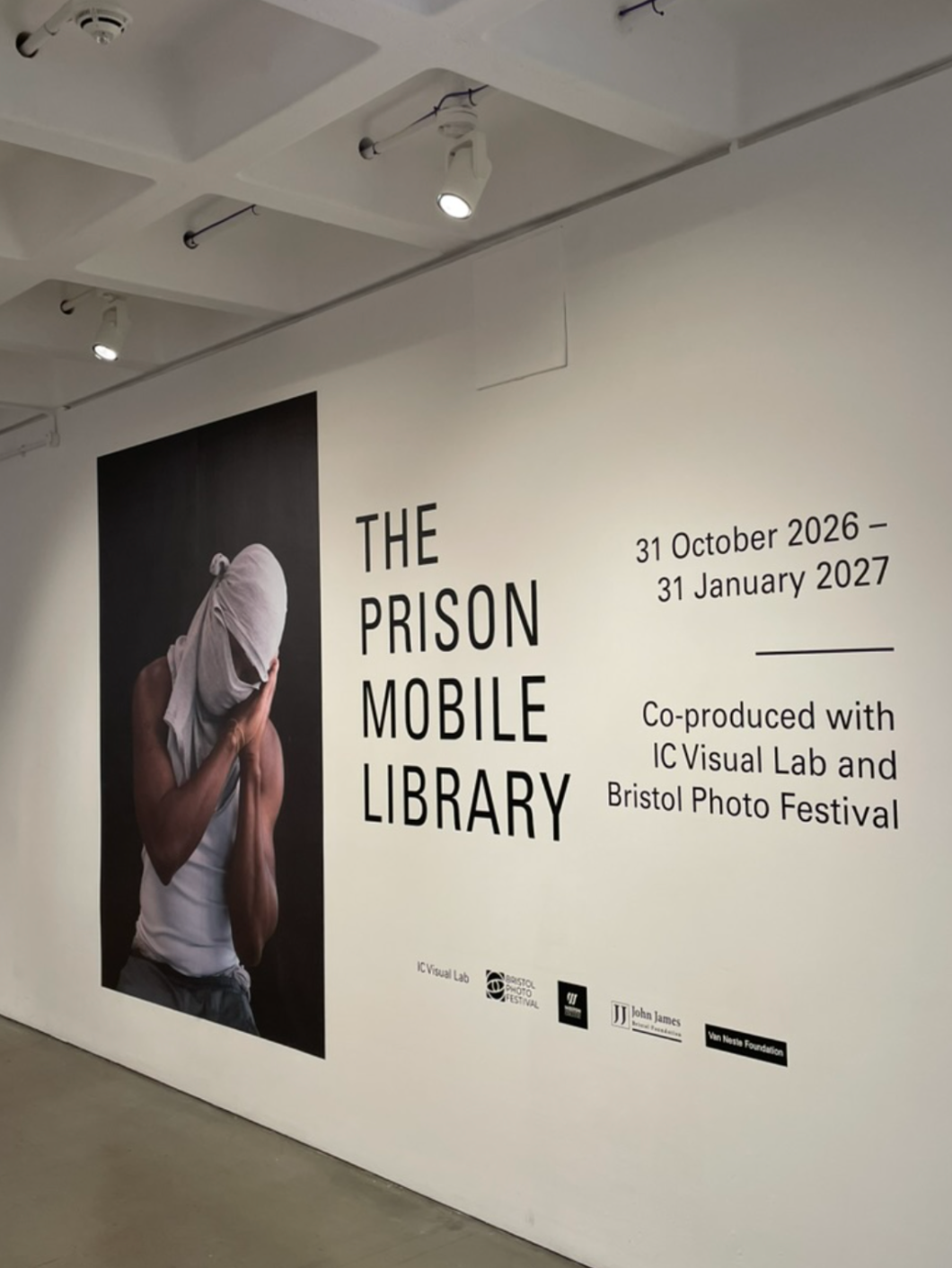
One reason to have a cultural stroll between the venues of this festival is the ‘Prison Mobile Library’ exhibition at Arnolfini. Just at the top floor, you encounter a hidden square space represented by a large photograph. It is a portal into the creation exercises done by prisoners living within closed, surveilled complexes. For them, the process of artistic engagement is a concrete and helpful mental exercise as one prisoner shares that ‘writing the horrendous experiences removes them from my memory.’
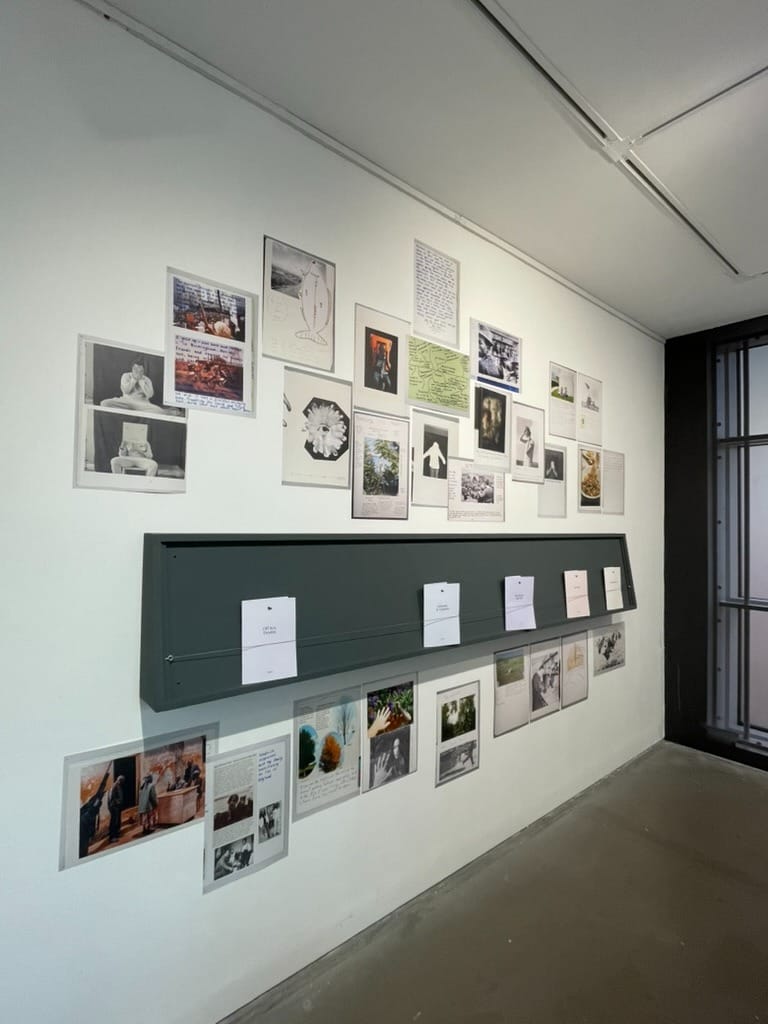
What kind of artistic tools can one use to fill up the space with representations of what prison life is like nowadays? The project is brought forward by Weston College and IC Visual Lab to focus on what kind of stories could be added to carceral testimonies in general. The various narratives emphasise the raw telling of prison life, reminding us that prisoners are social actors with lives lived before captivity and a longing for release. The testimonies recall the brutality and the repressive nature of the carceral system in itself. The uniqueness of this art project comes in the inclusion of diverse artistic formats, from books to photographs, from prisoner quotes to self portraits and picture recreations. That way, whether you are looking for visual stimulation or to concentrate on textual testimonies from prisoners, there is both. This particular exhibition is running past the end of BPF in mid-November, until January 2027.
Another reason why the festival is remarkable is that one of it's exhibitions takes place in the Redcliffe caves. Despite the autumnal rainy weather, you should explore the ‘No Pasaran’ exhibition. The project comes together through the work of three artists who give insight on the history and memory of the Spanish Civil War during the 1930s. Entering into the dark path of the caves, you step into a maze of projected illustrations and pictures. The resonating sound brings you towards visual archives combining photography and cinema, by artist Julián Barón. The atmosphere is an important factor; from the low lights and the voice recordings to the narrow paths where you delve into the visual archives of either inscriptions left by Republican militia members or written testimonies of volunteers who joined the international brigade.
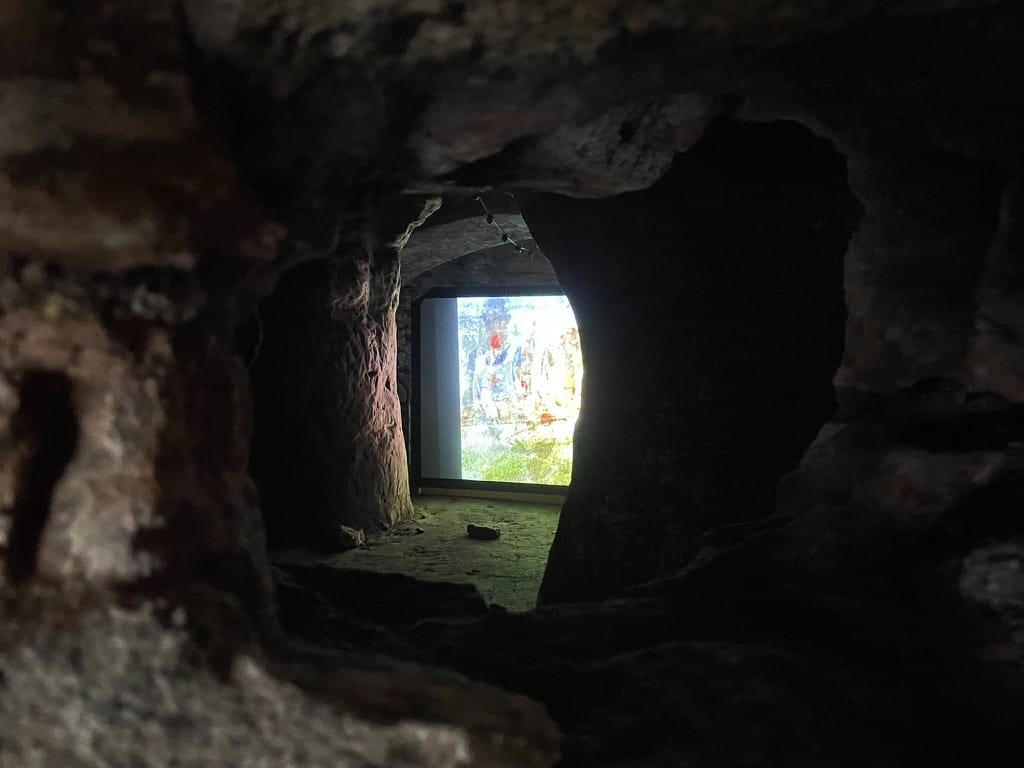
Co-director, Alejandro Acin, recalled ‘around 20 or more volunteers’ came from the South-West to fight alongside other European nationals, tying the exhibition to the city of Bristol. Similar to the exhibition at Arnolfini, the project introduces a range of artistic formats which centre on photography but expand to video, newspapers extracts, letters, and captured mural inscriptions. While you explore the history of a whole country’s resistance against fascism almost a century ago, you are immersed in a unique environment once used for the storage of trade goods, now transformed into a space to welcome art.
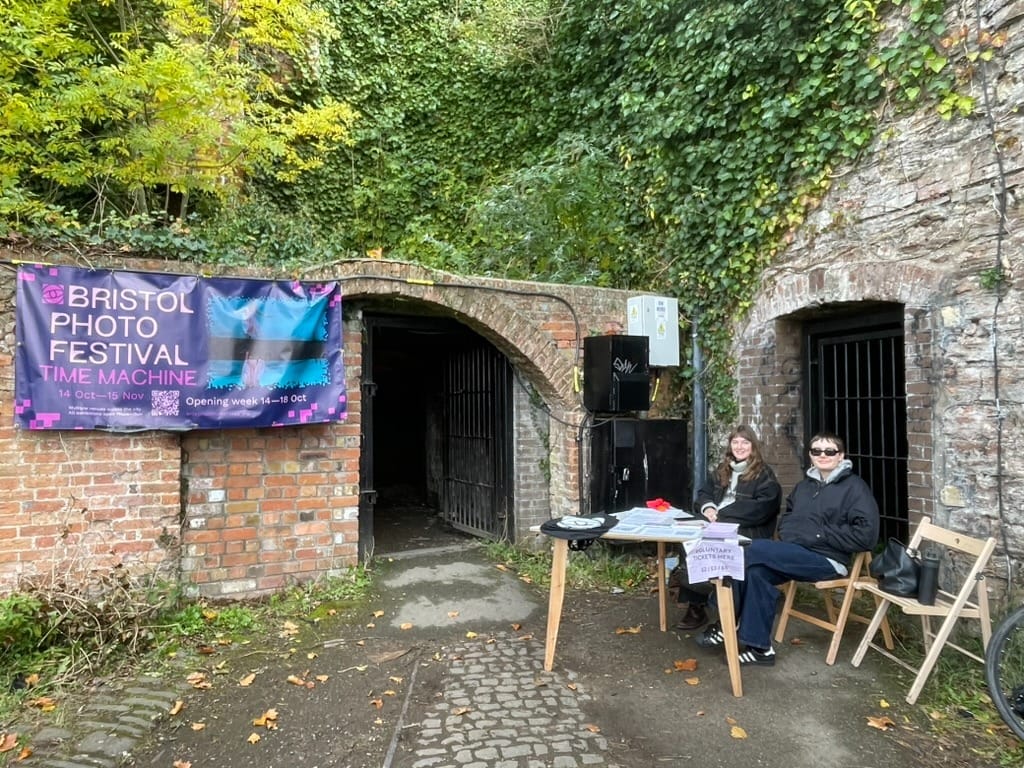
I got the opportunity to discuss the exhibition with Alejandro, who reiterates the wish to make original art accessible to everyone despite the struggle to find funding for arts projects. He is a visual artist, documentary photographer, founder of IC Visual Lab, and previously a researcher in historical archives at the University of Bristol. He recalled the origins of the festival which emerged a few years before the first edition thanks to Martin Parr.
In terms of the organisational process of the festival, he described selecting a general theme as a base (Time Machine 2026) and the initiative of reaching out to artists and thoroughly selecting work as opposed to an open call approach. He added that the director's work is to ‘craft the projects’ alongside artists.
One of the most significant points Alejandro made was the uncertainty of funding within the arts sector and the struggle to get local funding. It raises questions about the extended impact on the actors making the festival happen; from paying local artists to the challenge of booking art venues. That is why it is crucial that people continue to support the initiative of bringing artistic voices to the scene of contemporary photography, from India to Taiwan and Spain. To not lose sense of art's purpose in everyday life and artistic interpretation and insight of the world.
 Oscar Degirolamo
Featured image: Epigram / Suzanne Célérier
Will you be attending Bristol Photo Festival?