
By Kitty Atherton, Third Year, Philosophy
I have often heard a phrase thrown around about life as a student: you either sacrifice your social life, studying or sleep. With living costs steadily rising, for many students this has now become an impossible juggle between their degree, financial security, sleep or a social life. Starmer’s recent increase of university tuition fees felt, to many, particularly weighty during reading week. With a stark divide between those jetting off on an early-season skiing holiday, and those having to work overtime to make up for shifts lost to studying during term time, it seems holidays for university students mean very different things.
According to the University of Bristol guidance, you should work no more than 15 hours on a part time job whilst studying, alongside a further recommended 35 hours a week on your studies in your third year. The Higher Education Policy Institute (HEPI) finds that independent study has fallen to 11.6 hours a week on average, down from 13.6 in 2024, and students in part-time work have reached 68%, up from 35% in 2015.
Without support, most students’ maintenance loans get used up on rent. Average rent in key university cities according to HEPI is £7566, leaving only £24 left of a maintenance loan to cover a years’ worth of bills and living costs. To add further insult to injury, the minimum wage below 21 is only £10.18 - so those supporting themselves straight out of school, away from home for the first time, have even more pressure. These statistics leave me wondering; is earning a degree becoming exclusive to those who have parents that can support them? Is it even worth getting a degree in this manner if you emerge into the job market burnt out and £3000 into your overdraft, not to mention the loans?
'Universities and the government simply aren't doing enough to support young people from lower socio-economic backgrounds'
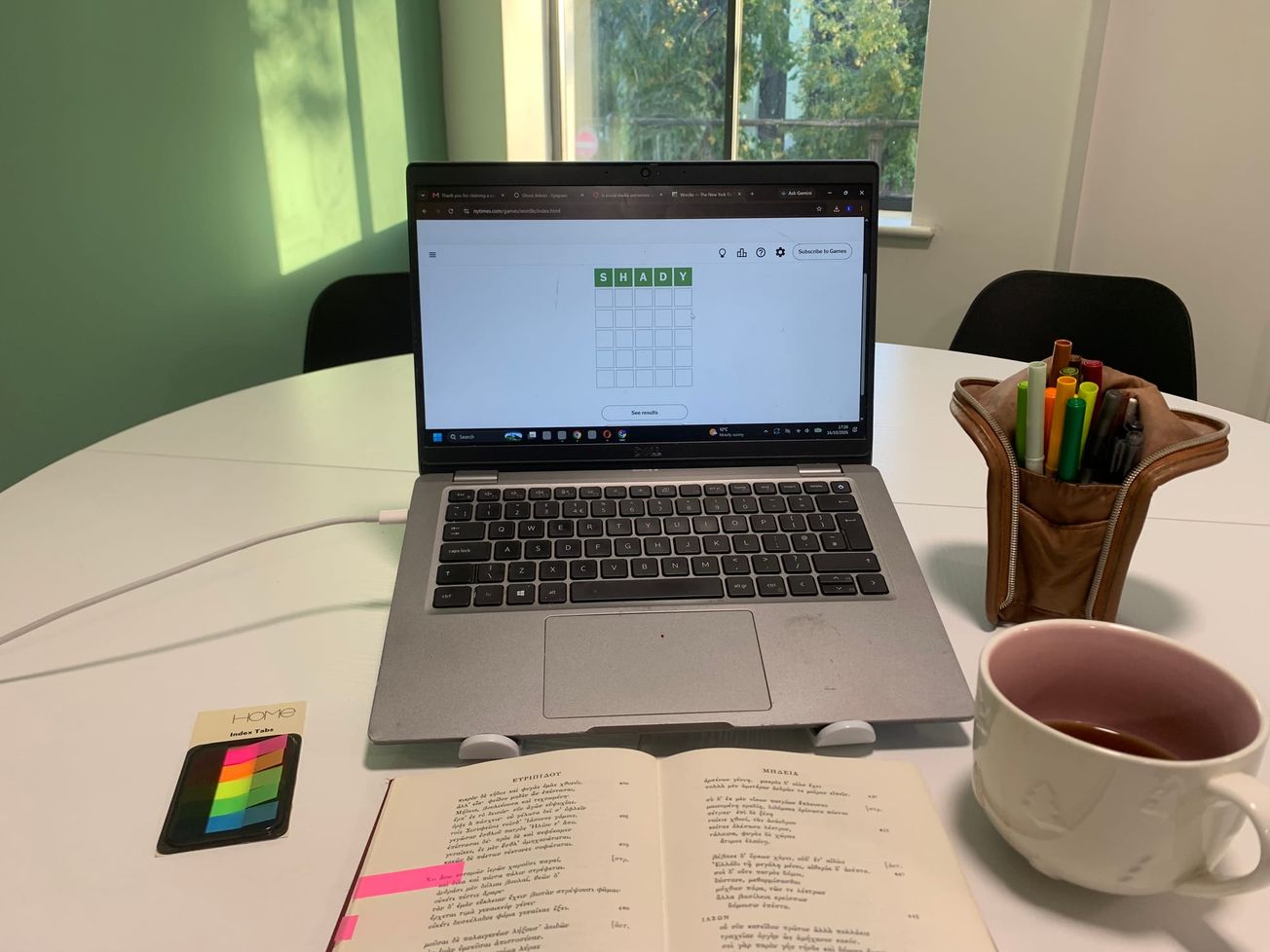
I haven’t yet touched on the impact this disparity has on students’ academic path. Although many treat it as such, reading week isn’t a holiday - it’s supposed to be a time to consolidate the first five weeks of learning, with many schools setting small summative assessments directly after. Furthermore, we’ve all heard those graduate horror stories of postgrads applying to hundreds of jobs with no responses; back where they started before their degree, as if it never happened. Students are told that the way to avoid this is to spend your university career completing those elusive internships, showing a true passion for your field, and building a CV that ‘really stands out from the crowd’. Or just hope your family knows someone helpful; nepotism’s a winner.
Either way, students who have to spend such a large portion of their university days working can’t possibly hope to find the time to complete a six week unpaid internship - it is a huge privilege to be able to work for free. With some students having to work though reading week, the question becomes about time. When are they studying? For many relying on paid-work to survive, reading week looks less like a week spent working towards their assessments, and even less like a rejuvenating week spent abroad somewhere in the Southern Hemisphere. University becomes a race no longer based on who has the ability, but who has the time.
 Luke Grierson
I want to be clear that I am not advocating against working part-time throughout your degree. The issue isn’t that students work. The issue is that universities and the government simply aren’t doing enough to support young people from lower socio-economic backgrounds. With a combination of rising living costs, increased interest on student loans and huge pressure to leave university with work experience in your field, supporting yourself completely at university is rapidly becoming an insurmountable task.
Featured image: Unsplash / Winston Tjia
How have you spent reading week?