
By Sophie Mitchell, First Year, Politics and International Relations
This June, a decade will have passed since Britain returned a 51.89 per cent verdict in favour of leaving the European Union. Come the 26th, every newspaper will be putting forward either a condemnation or a meek defense of the subsequent volatile years that this triggered. Undeniably, no part of national life has remained in the blissful indifference that had long characterised British attitudes to European affairs. For young people, Brexit represents a baptism of fire into political consciousness. Young people watched powerlessly from the sidelines as it played out, a moment that would set the tone for British politics for years to come.
Brexit sunk the late 2010s into an unending cultural and political feud. Though Britain’s exit from the EU is complete, the process has shaken the country to its core. Britain cleaved itself almost exactly down the middle, into ‘Entitled Remoaner’ and ‘Vulgar Brexiteer’. Ten years on, these identities still burn brightly, and have even been passed on to young voters. It is somewhat surprising that these tribes have endured so long, not to mention started to replace traditional party allegiance. Alongside accelerating the profound political rift between old and young, the wounds of Brexit have calcified into an ugly scar on our national consciousness. Disillusioned with the two party system and accustomed to a venomous and cynical tone of politics, it will continue to define the approach that young people take to civic engagement.
European membership became the first question in British history to be put to a referendum in 1975. Inherently clashing with Parliamentary sovereignty, referendums are not an exercise that have always sat well with our historic institutions. Or at least no one seems to share David Cameron’s naive fondness for them ten years on from his fateful gamble. For those of us born too late to vote in both of these referendums, we should keep in mind that the volatile relationship with Europe we are set to inherit did not begin in 2016. Nonetheless, the decade since Brexit saw some all time lows in our relationship with our biggest trading partner. In the most vindictive and petty years of negotiation between London and Brussels, young people often felt their interests were being thrown under the bus by Conservative dealmakers for the sake of making a point to their older voters. But in 2026, things are looking up. With a switch to a noticeably more European-friendly Labour government comes Britain’s return to the Erasmus programme, giving students the chance to study at European universities without extra fees. Full re-entry might be firmly off the table, but there are signs that we could be inching our way piecemeal towards a softer Brexit.
While there have certainly been economic consequences, they are just one factor in the parade of poor policy decisions that are currently inhibiting the prospects of Gen Z as they enter the workforce. In many ways, the most profound consequences of Brexit have little to do with the EU at all. With Reform claiming an average of 40% of the votes in pro Brexit wards in 2026, the 2016 vote was a pivotal catalyst of the decline of Britain’s two-party system, an institution much older and more deeply ingrained than Europe. The dichotomy of Labour and Conservative has been iron clad since Labour surpassed the Liberals in the 1920s. Today, communities that were once near religious in their conviction to their chosen party abandon them in droves. As a result, the future of young people will be determined by an entirely new political reality.
The Conservatives have the most successful record of any political party in human history, but at present they look set to fall into relative irrelevance. In 2019, you would be hard pressed to find a soul that could have predicted this. The Brexiteer vote, many of them hailing from Labour heartlands in post-industrial England and Wales, flocked behind Boris Johnson’s promise to ‘Get Brexit Done’. Although he delivered on that, he nonetheless managed to squander the enthusiasm of the Leave movement by turning Levelling-Up into a cruel farce and opting for an incomprehensibly self sabotaging immigration policy. Today, Tory Britain lies in scraps.
While Brexit Britain spurns the rise of globalisation, Europhiles cling ever tighter to the cosmopolitanism they define themselves by. The vision proposed for the country by Reform nauseates them, but the floundering Labour government also offers little to be enthusiastic about. The fallout from Brexit has fostered an earnest dislike and anger towards their opponents, likely to determine voting behaviour in Remain areas more than party loyalty.
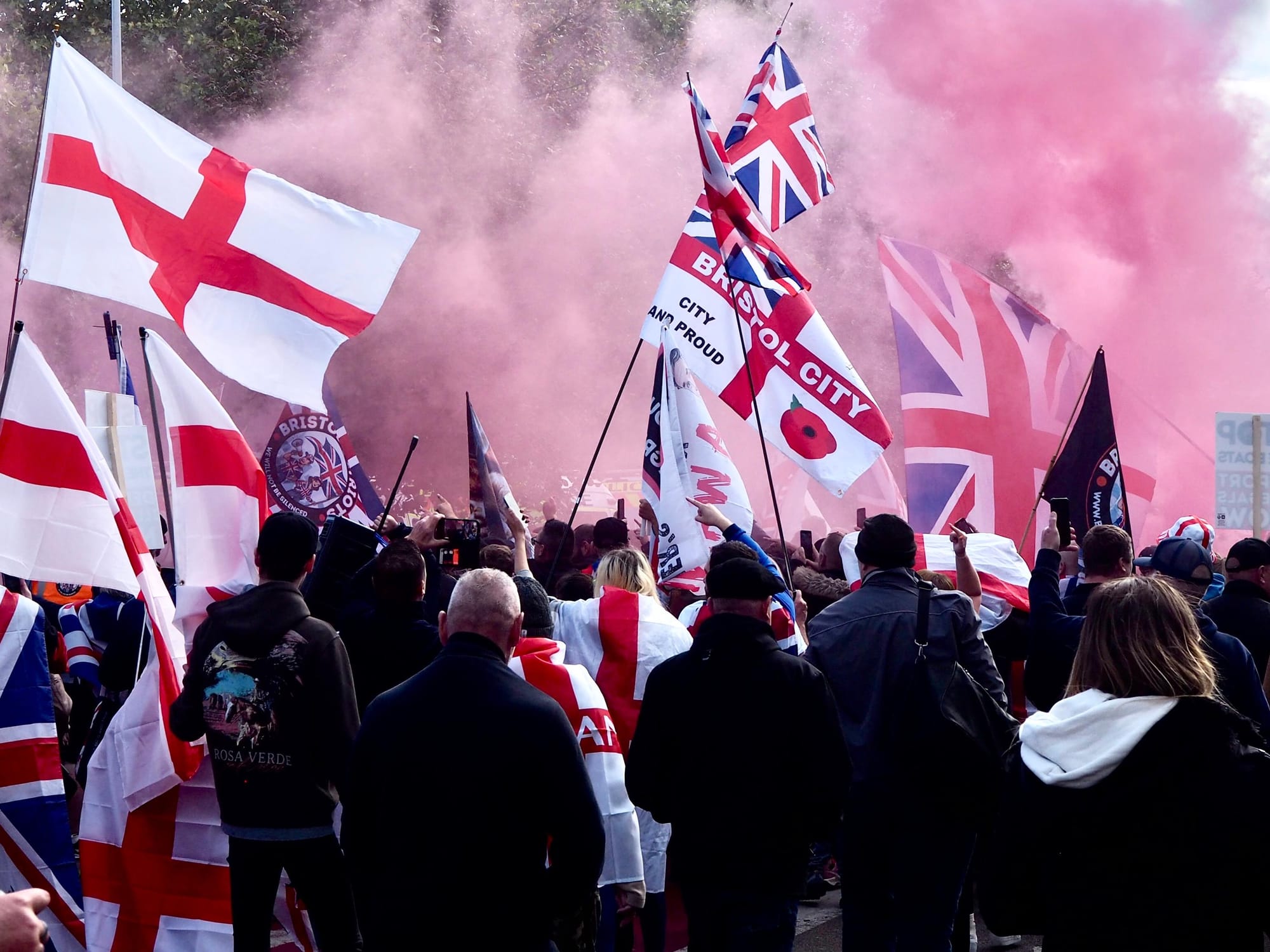
The recent success of Reform UK in the 2026 local elections have been driven primarily by the defection of pro-Brexit Northern England and South Wales from Labour, and East Anglia from Conservatives. Haemorrhaging their former loyalists into the hands of arch-Eurosceptic Nigel Farage, both have serious cause for concern. The pundits that predicted a post Brexit softening of attitudes towards immigration have been proved terribly wrong. Not only does it persist, it is the defining issue of our time. Keir Starmer’s government will live or die by it.
 Natalie Payne
 Charlotte Kerby
Stripped of their lifeblood industries and purposeless in a service oriented Britain, swathes of the country have been in terminal decline for decades. Far from revitalising areas that desperately need it, Brexit failed to assuage the economic and cultural anxieties that drove it. Despite being broadly Europhilic and liberal on immigration, young people share this apathy towards the traditional democratic process and mass party membership. 18-24 year olds were the least engaged age group at the 2024 general election, with just 37 per cent turning out to vote. But rather than encouraging politicians to chase our votes, this has made us an easily ignorable demographic, considered too unreliable and disengaged to matter. The cynicism bred into young people by the last decade of uncertainty and gerontocracy does not serve us well.
Brexit turned out to be a false promise, betraying the people that believed in it and alienating everyone else. In the increasingly disillusioned and fickle climate it has left in its wake, the identities of Conservative and Labour often feel as obsolete as Jacobite and Hanoverian. They will likely decline further as long as the entire country feels like the status quo is working for someone else. If a new type of politics is going to emerge in Britain, young people should be doing their best to stake their claim on it.
Featured image: Epigram / Hanno Sie
How has Brexit impacted your life?