By Katy Salamon-Andrew, Third Year, English and History
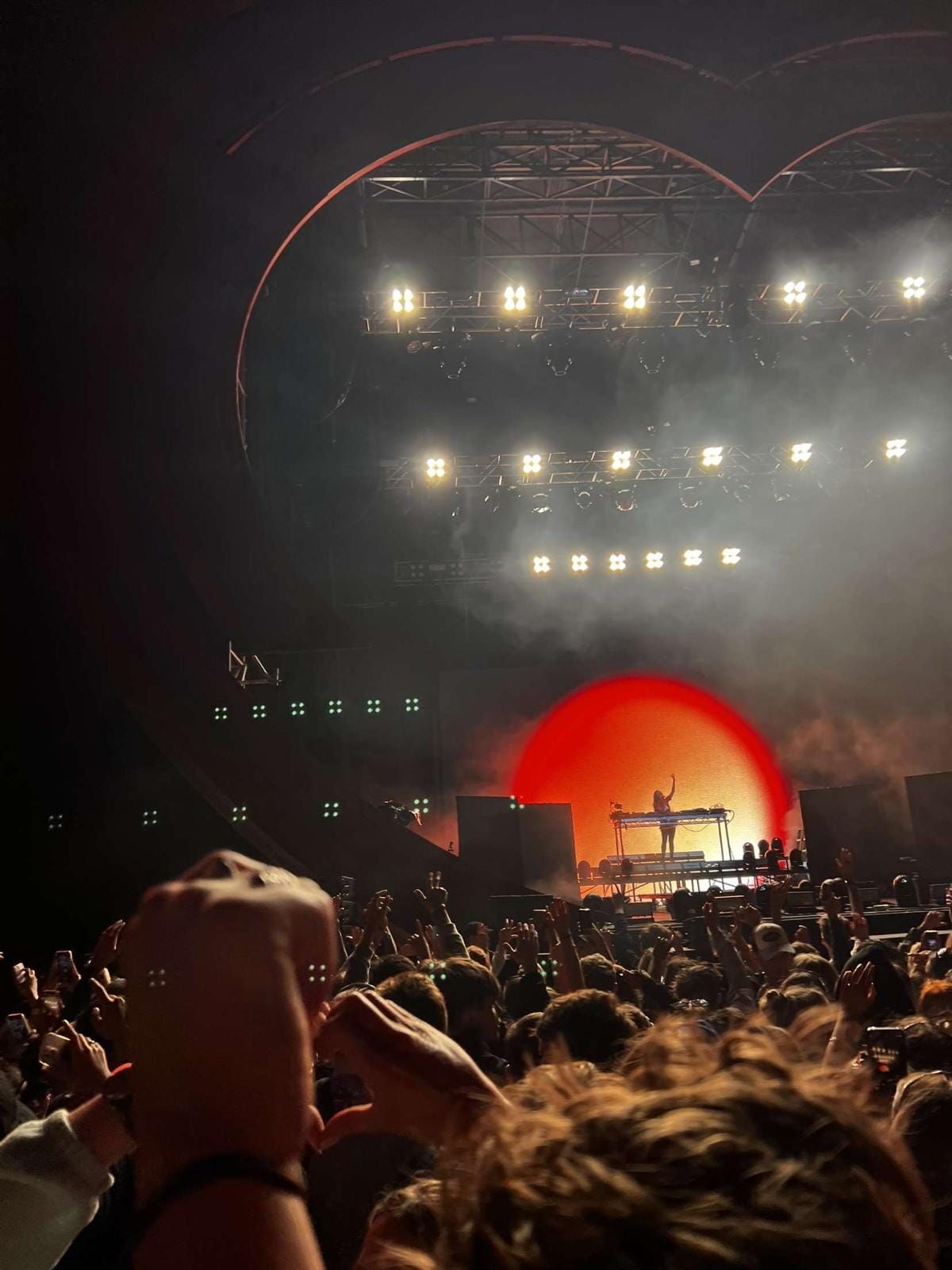
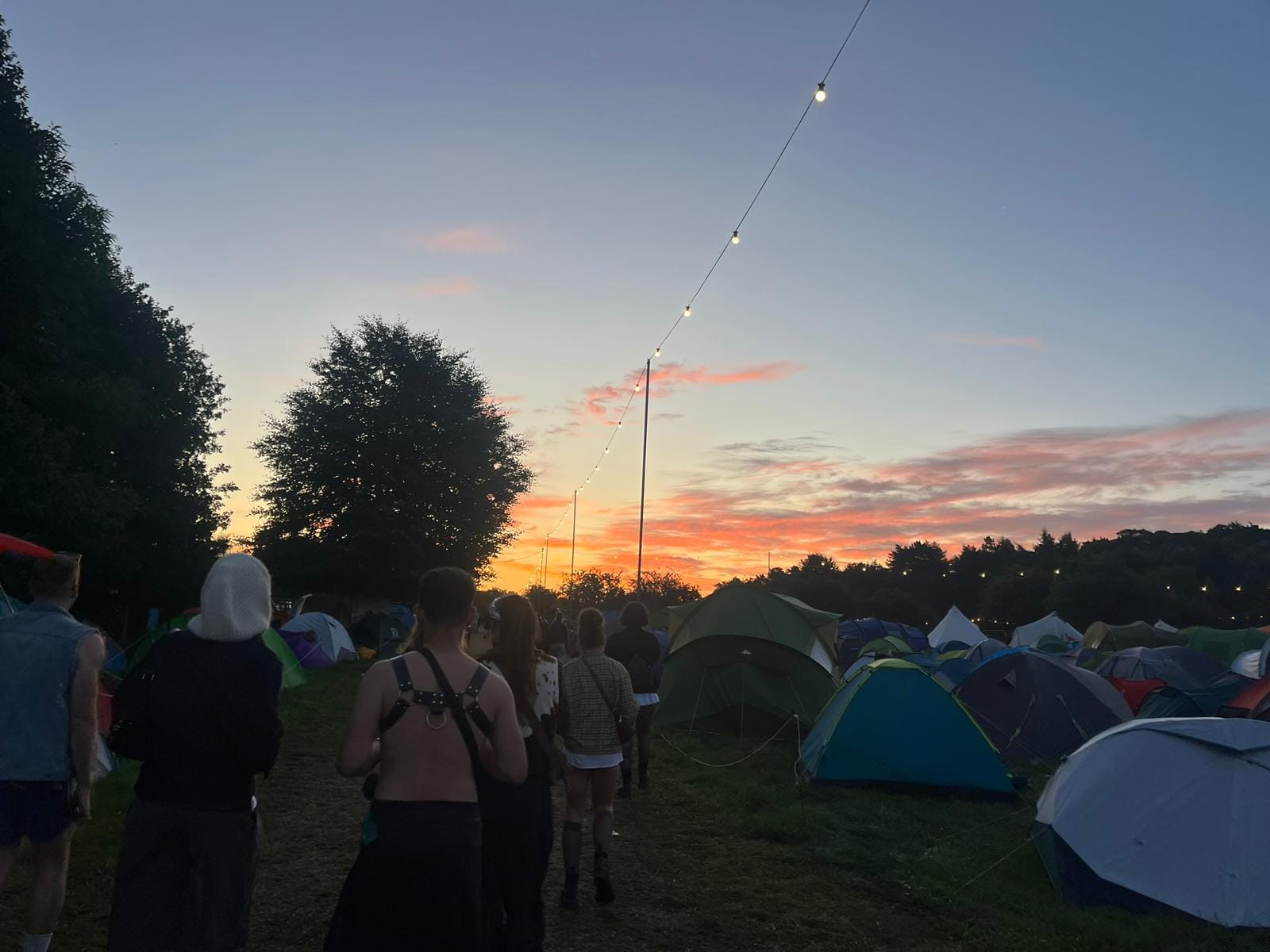
And so, another exam season has trudged on by and for many this means the beginning of a new one: festival season. Millions of predominantly middle class youth prepare to flock to the fields of British Middle England’s stately homes in gingham ruffled booty shorts, perhaps an Ikea bucket hat and a sun cream bottle filled with vodka. Conversations about post-exam plans almost inevitably feature the question: ‘Are you going to Love Saves?’
Music festivals have become a staple for the British summer experience. Looking back at the viral videos of Creamfields 2023, dubbed ‘Mudfield’ after the site turned into a giant slip and slide, it’s understandable why some people are bewildered by the choice to spend the same amount as a holiday abroad on a festival ticket. Nevermind those who opt for the ‘glamping’ or ‘boutique camping’ option where the overall cost in some cases can equate to that of a small car.
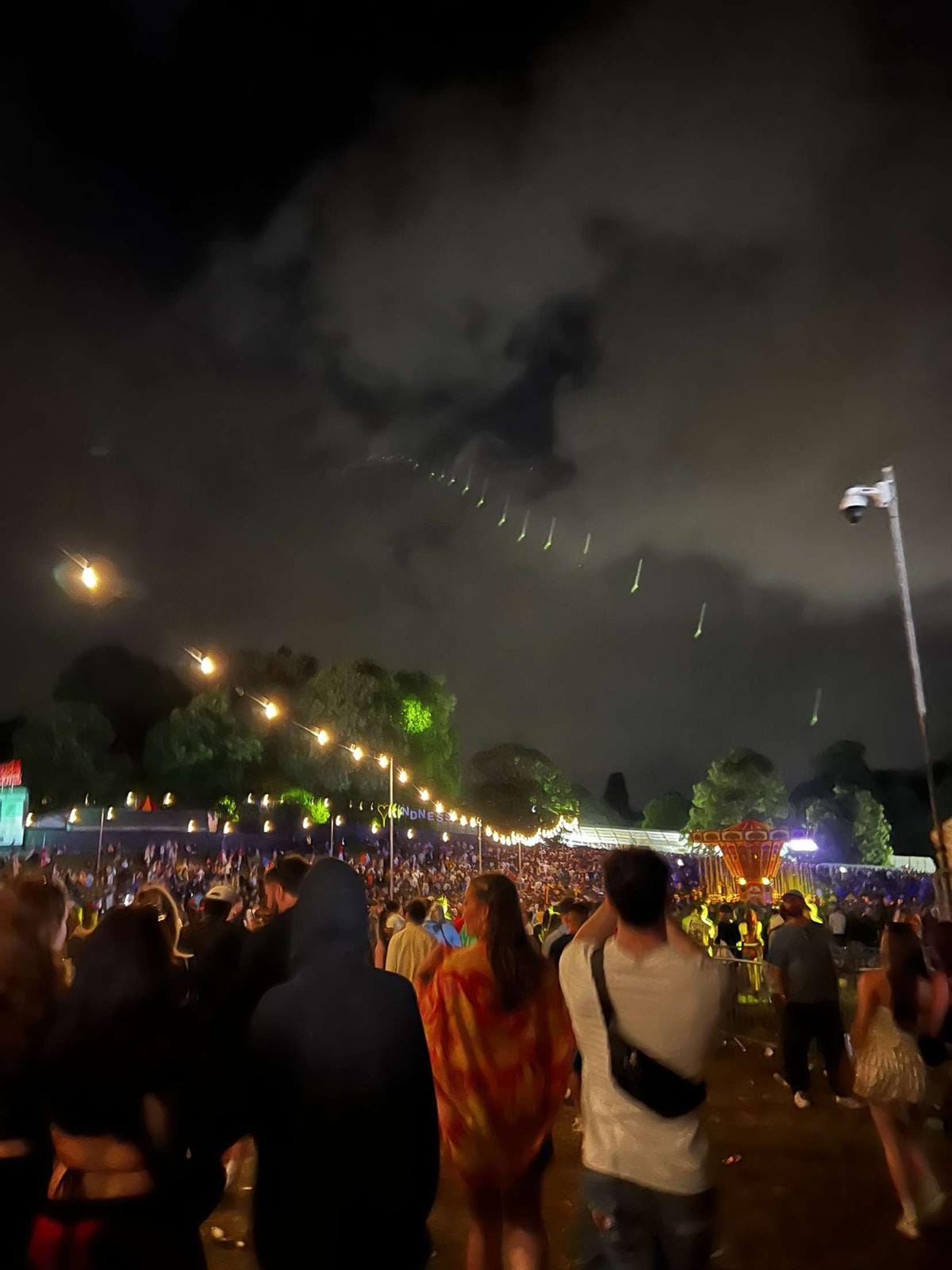
Nonetheless, it seems music festivals have become a rite of passage for British teens. I still remember the devastation I felt when Reading festival was cancelled due to Covid in my post-GCSE summer. I had my first kiss at Latitude festival watching Lana Del Rey drifting back and forth on a swing above the main stage. For some, festivals give them their first taste of independence. You and your friends can escape your parents’ watchful eyes in your childhood homes for one weekend where you pitch your tents and they cross their fingers while their kids embark on a weekend of unapologetic hedonism.
Music festivals today are almost unrecognisable from their 1960s summer of love countercultural roots. Gone are the days of the first Glastonbury in 1972 which had 1,500 attendees and £1 got you a ticket and a free pint of milk from the local dairy. Now millions of people go head to head each year in the cut-throat online queue. Last year it sold out in under 35 minutes. The lucky few to get a ticket get to gloat all over their Instagram stories while many don’t have to go through the luck of the draw process at all and acquire tickets through ‘nepo’ connections.
Recently, while researching for my history essay about rave culture (how very Bristol) I was looking into the 1992 Castlemorton Common festival which was the largest free rave in British history. It attracted tens of thousands of attendees and was the primary reason for the government's clamp down on free parties. The 1994 Criminal Justice Act monetised the rave movement and changed free parties into what we see music festivals today. It was, fairly transparently, a panicked establishment reaction to the sight of thousands of young people organising themselves through word-of-mouth networks and gathering on land surrounded by homes of Conservative gentry they hadn’t been given permission to use. However, it did not kill the desire to spend a weekend listening to blaring music in a field with your friends. That desire turns out to be fairly durable. The Act didn’t end festivals, it just privatised them giving way for the more commercial versions we see today.
As I’ve gotten older it seems that festivals have somewhat become a marker of exclusivity rather than the free love Woodstock ethos of the 60s. In Bristol, especially if you have a ticket for Houghton, a festival that has around 10,000 attendees rather than Boomtown which falls on the same weekend and has around 80,000 attendees then you’re like Charlie Bucket with his golden ticket off to the Wonka factory. Predictably, since Houghton blew up on TikTok there are endless threads on Reddit from so-called real old school ‘music heads’ complaining how this new TikTok crowd has changed the integrity of the event. The organisers appear to agree. This year, the first round of tickets were only available through a private link sent to people who’d attended before.
 Sophie Stradling
Festival tickets used to be an invitation and now they’re a membership card and the people most invested in guarding the door are the ones who just got in themselves. They’ve become very tied to a cooler-than-thou attitude and a policing of authenticity. I suppose this is inevitable with the rise of social media. That being said, I think the fact that we all still yearn to go perhaps speaks to our desire to have some form of social belonging. Once you arrive, a festival feels like a utopian glitch where social rules don't apply. For all the consumer costs and marketing strategies the experience of the festival is worth defending.
Featured image: Epigram / Sam Couriel
Are you heading to any festivals this summer?