By Erin O'Connor, First Year, English
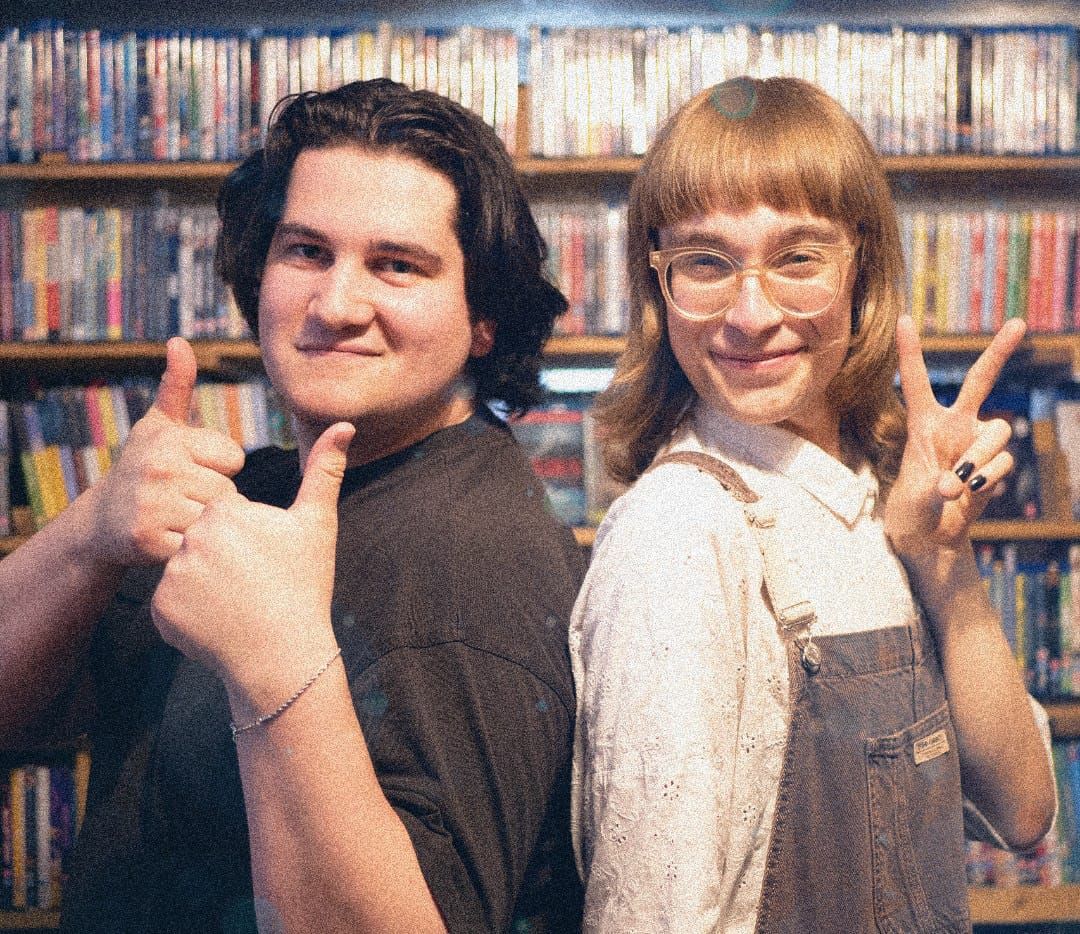
Founded and run by two second-year UWE film students, Ed and Mabel, ‘Project the Doll's’ aim is to ‘use cinema to make space for trans people and to promote trans and queer rights.’
Speaking on what inspired the project, Ed told me “Project the Dolls’ is a political statement of intent, derived from ‘Protect the Dolls’. When we invoke 'Protect the Dolls,' we very much mean ‘Protect All Dolls’ - not just those members of the community who look like Hunter Schafer or Alex Consani (love to them however).’
Their decision to use film as a means of supporting the queer community speaks to the power of cinema in storytelling and bringing people together; as film students, they recognise ‘the power of cinema as a mass communication tool. Therefore, in a time when elements of the media are continuously trying to erode trans rights and demonise queer people, we see 'Project the Dolls' as a vital call to action.’
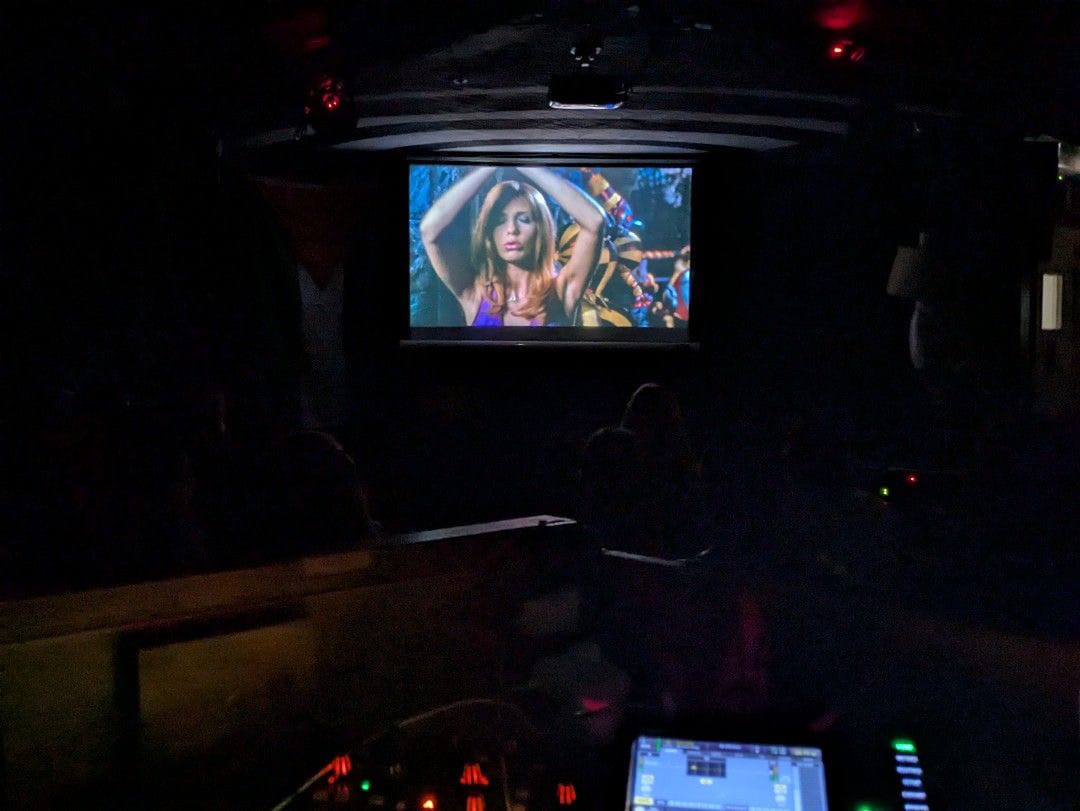
The slogan ‘Protect the Dolls’ gained recent notoriety when fashion designer Conner Ives designed a t-shirt with the phrase in all caps in 2025. It has since been worn publicly by Madonna, Troye Sivan, Pedro Pascal, and Addison Rae. The term ‘doll’ was first coined in the 1980s Ballroom scene to refer to transgender women; however, Project the Dolls supports all forms of gender-affirming care.
Health Secretary, Wes Streeting, recently confirmed that there are approximately 42,000 people on the NHS gender care waiting list, with some waiting up to eight years for their first appointment. Due to this extortionate waiting list, the only option for many trans and gender non-conforming people who experience dysphoria daily is to go private.
The cost of private surgery varies depending on the procedure, but including initial consultations, the procedure itself, travel costs and aftercare, it is often upwards of £10,000.
Their first screening of cult classic, The Wicker Man (1973), sold out in just two weeks and was held in Café Kino. They chose Café Kino due to it being ‘a safe space for queer people and well-established as a place to screen queer cinema,’ including its hosting of ‘Cinematransexual,’ a trans community film club. ‘Project the Dolls’ maiden screening began with a welcome and introduction from Ed and Mabel, followed by Ed’s own short horror film, Daisy (2026), then the main event.
Despite its eccentricity, the folk horror classic seemed to be enjoyed by all, and there was a real community atmosphere throughout the screening. Ticket and merch sales fundraised £140, which went towards a top surgery fund. Their second film, Scooby-Doo (2002), was equally as popular, bringing a sense of childhood nostalgia to the screening and raising £182.
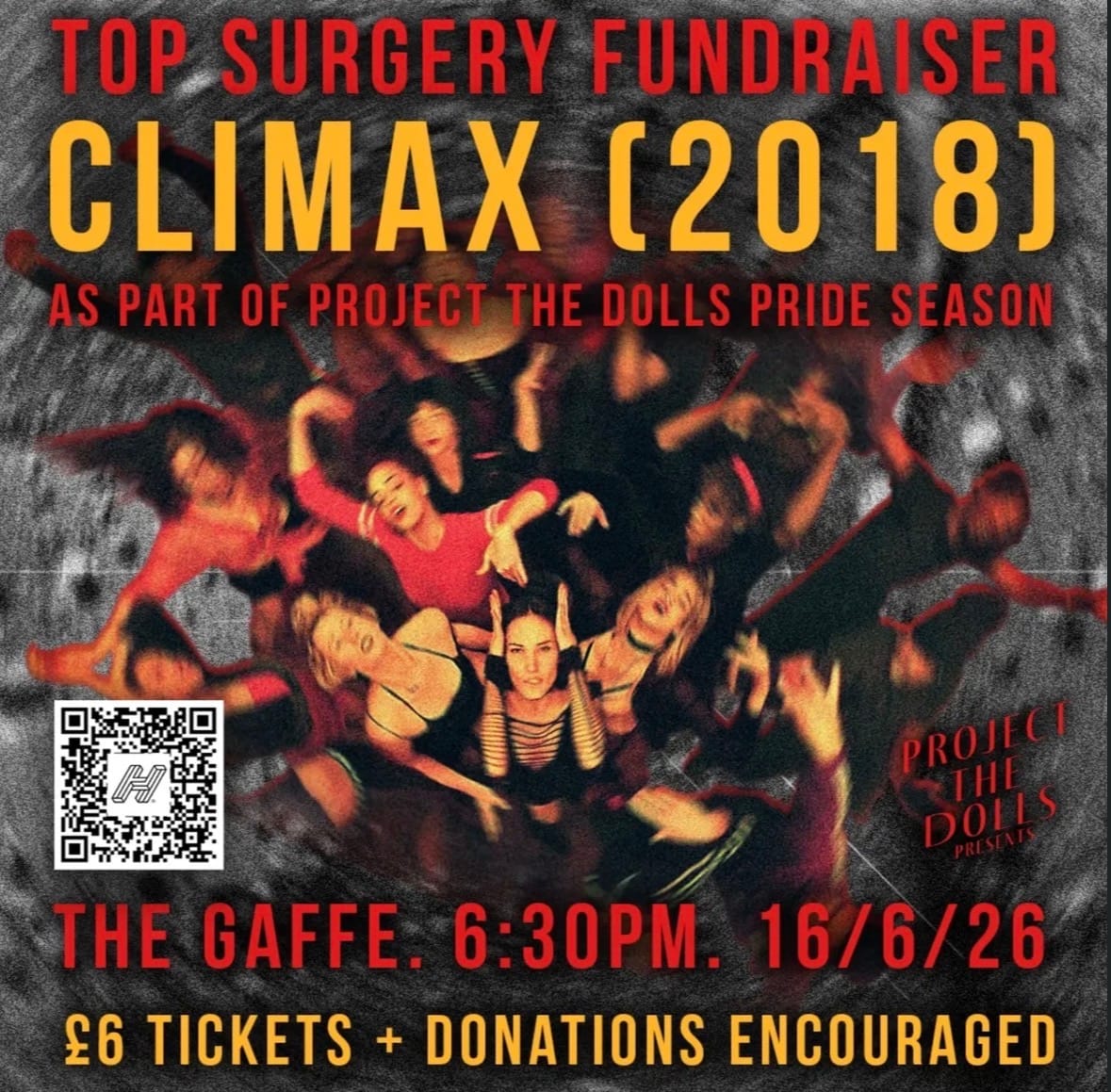
They have two screening in June for their Pride month series: Climax (2018) on 16th June at The Gaffe Comedy Club, and the Pet Shop Boys’ road movie, It Couldn’t Happen Here (1987) on 22nd June at Cafe Kino. Tickets are now available on Headfirst.
While it may seem strange to follow The Wicker Man with Scooby-Doo, Mabel revealed the method behind the madness. She and Ed take turns choosing the films every month, as their taste in queer media often overlaps. However, she shared that the ‘real magic’ happens when they differ; ‘Ed has a great interest in films that have made up our queer history and connections.
To celebrate Pride this year, he has programmed an incredible mini-season of queer, electronic music-focused films.’ For Mabel, her interest lies in ‘Y2K, queer coming of age movies. We’re talking Bottoms (2023), Bring It On (2000) and But I’m a Cheerleader (1999), to name a few.
They make up such a huge part of finding out who I am during my transition that I can’t help but put that sort of film into our very expansive programme.’ With such an eclectic catalogue of films planned, ‘Project the Dolls’ has something for everyone.
Just from speaking to Ed and Mabel and attending their premiere, you can tell how much this passion project means to them, and how much good it can do for cinema and the queer community of Bristol.
I asked them what was next for ‘Project the Dolls’ and they shared their dream of playing the Bristol Megascreen, ‘a huge screen in a huge venue that we would just adore to fill with a load of queer people.’
 Lottie Merchant
Not having a permanent screening location also allows them to get creative, so they have bought their own projector, which they named Willow, after a character from Buffy the Vampire Slayer (1997-2003).
This will allow them to host ‘Project the Dolls’ events anywhere in Bristol, making it more accessible and opening it to a wider audience, as Ed told me, ‘every screening has its venue to suit.’ The team has also been working on some new merch ideas, so look out for their stickers and apparel at the next screening.
Featured Image: ProjectTheDolls | Epigram /Erin O'Connor
If you would like to support ‘Project the Dolls’ in their quest to unite people through cinema, whilst raising much-needed funds for gender-affirming care, come along to one of their monthly screenings and follow @project.the.dolls.bristol on Instagram.