By Charles Hubbard, Second Year, Theatre and Performance
Considering how much all of us are defined by our families, it’s unsurprising that so many artists’ careers are equally impacted by those webs of insufferable nags and deadbeats that each of us are born into. Noah Baumbach, Wes Anderson, Ingmar Bergman and Ang Lee have been finding new ways to depict absent fathers, overbearing mothers and warring siblings for the last forty years of cinema.
So it’s intensely frustrating that Jim Jarmusch, who has been an equally consistent presence in American independent film for that same stretch of time, is able to find so little when searching in the same place. Even when spreading his film out over three family dynamics with widely varying functionality, the film's series of interminably terse conversations and intentionally stilted performances make it feel like you’ve just been watching the same, particularly uninteresting, family the entire time, just in a series of different costumes. Jarmusch’s style and approach as a filmmaker has always been distinctly Hemmingway-esque - show the audience just the tip of the emotional iceberg and let them interpret the depths that lie beneath. However, his latest effort just left me far too bored to even think about looking beneath the surface.
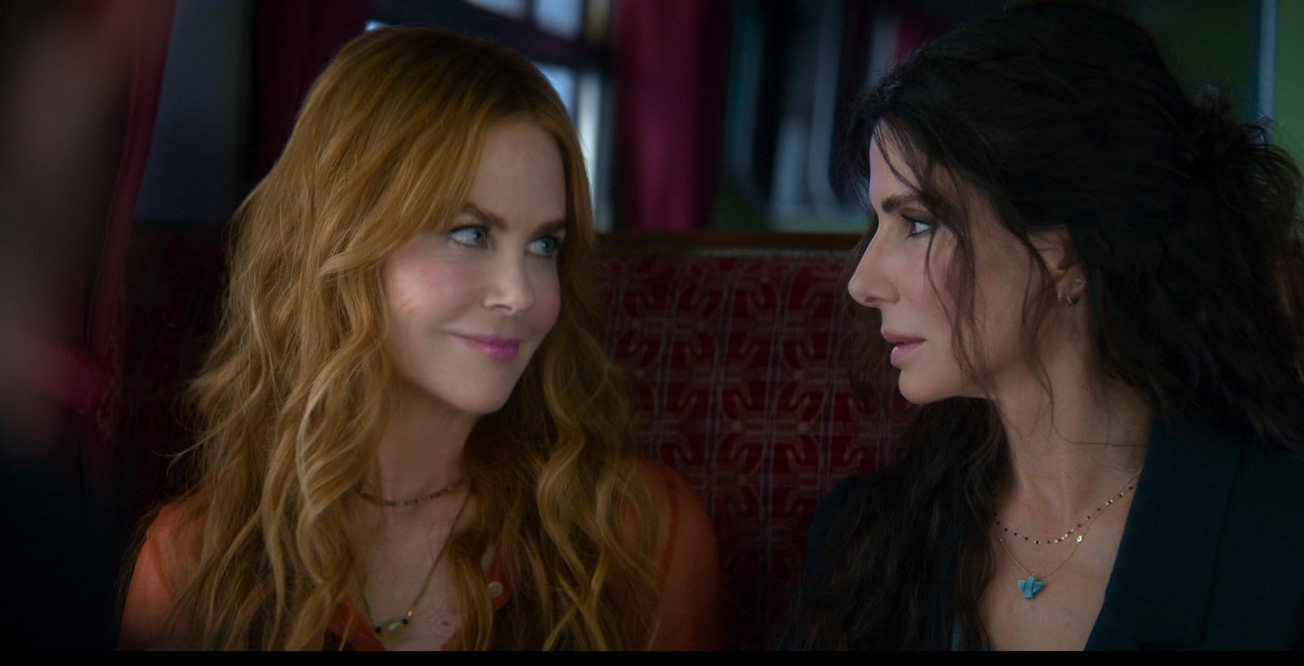
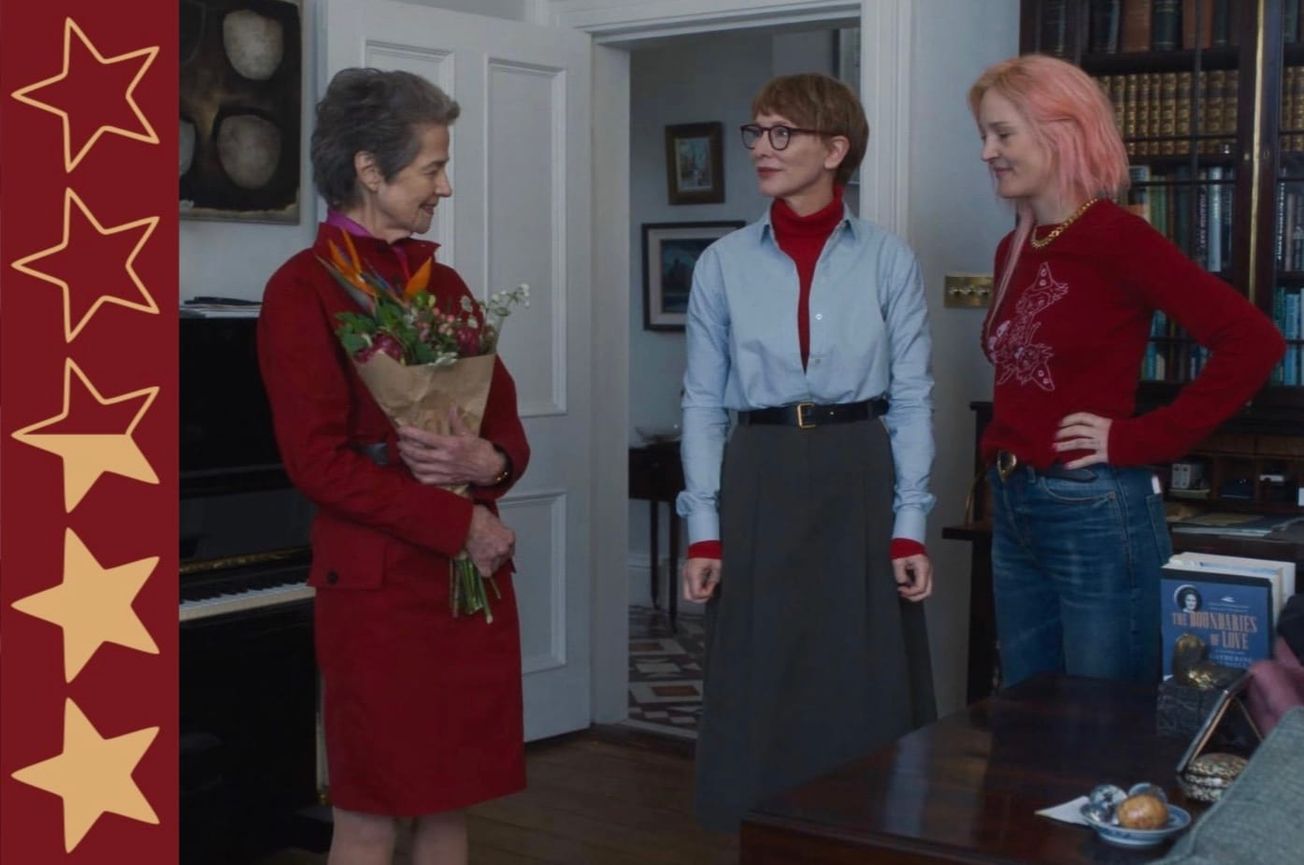
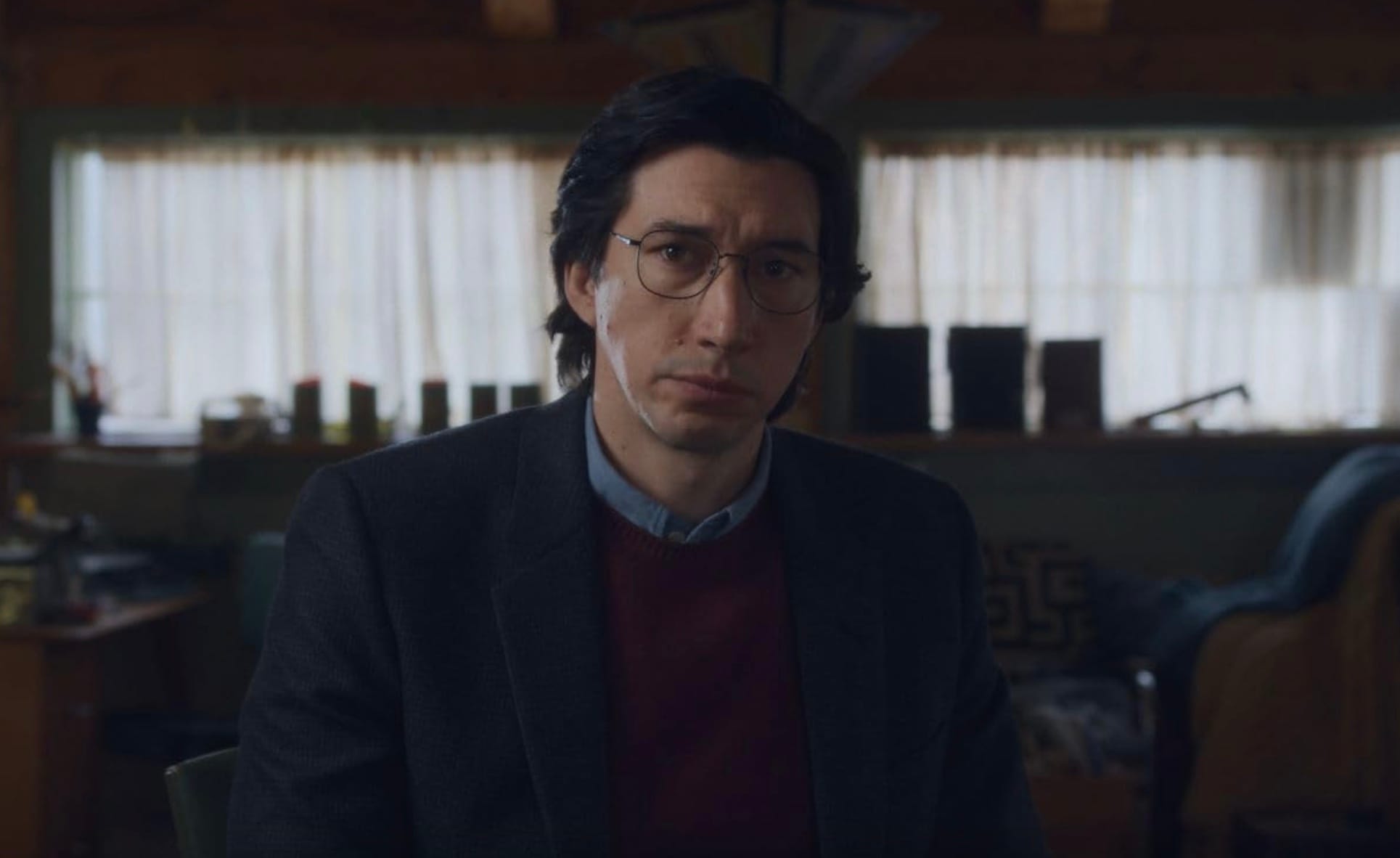
The film’s fragmented plot (if you can call it that) concerns three family units. First, there’s Jeff (a seemingly comatose Adam Driver) and Emily (Mayim Bialik), two siblings travelling to meet their eccentric and ostensibly impoverished father (a predictable gravelly Tom Waits) at his remote hermit-hole in some unnamed countryside town in the Midwest. However, they find that he might not be so financially destitute as he’s led them to believe. Second, an ageing writer (Charlotte Rampling) hosts her two daughters, Timothea (Cate Blanchett, styled to be within an inch of Rampling) and Lilith (Phantom Thread’s Vicky Krieps), for their annual tea party that makes the domestic stupor of Jeanne Dielmann’s kitchen look exciting and bustling by comparison.
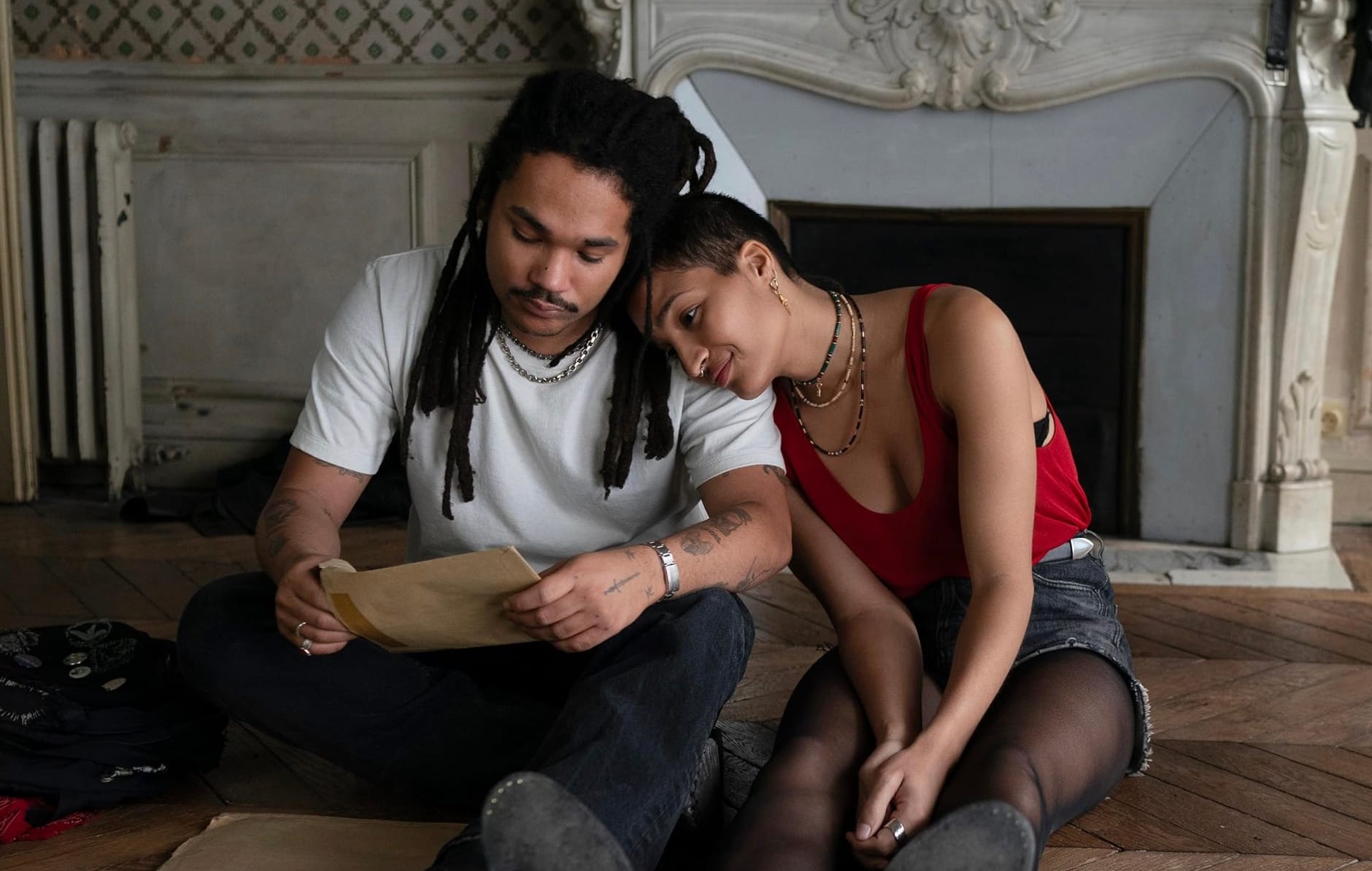
Finally, twins Skye (Indya Moore) and Billy (Luka Sabbat) travel to Paris to clear out a family apartment after their parents die in a plane crash, unveiling secrets about how their parents were quite different from how they remember them. Each section essentially runs on the fuel of one joke each - Waits desperately trying to conceal his Rolex watch and expensive sofas, Jarmusch mocking how awkward and frigid British people are (though only bothering to cast one out of three actual Brits) and … Skye and Billy maybe being able to telepathically communicate with each other? And if these measly servings of humour aren’t enough to make you belly laugh each and every time, I’m afraid you’re not going to have a lot of fun here. And you can join the club.
Perhaps the one interesting idea the film flirts with is the awkward relationship that family members have to each other where wealth and status is concerned. We've all seen far too many cliched family dinner table scenes in films where siblings vie for their parents' attention by bragging about their latest promotion or marriage proposal. Jarmusch flips this idea on its head, having his characters constantly talk around money even as the Rolex watches on their wrists (fake or otherwise) speak far louder than their words ever could. Even the final section puts its own spin on familial deception when Skye and Billy find how their parents skirted the law to stick to their principles.
But I’m afraid that’s all the dramatic meat the film really has to offer. For a film that is so clearly patting itself on the back for its subtlety and restraint, the number of times where Jarmusch’s script entirely kicks subtext to the curb and clangingly spells things out for its audience fast outstrips the moments when the characters toast with hot beverages - and that’s saying something. Because how else are we supposed to know that a character is divorced or a recovering addict or dead unless the characters constantly remind each other of things they’ve no doubt known for years? My personal favourite example of this was when Jarmusch felt the need to write an entire dialogue exchange explaining why Vicky Krieps, a Luxemburgian actress, speaks with a slight accent.
 Lottie Merchant
It’s absolutely baffling that the main jury at last year’s Venice Film Festival chose this tepid snoozefest over the far superior No Other Choice and The Testament of Ann Lee for the top prize and hardly shocking that it struggled to find distribution for eight months while its festival season contemporaries swept the awards circuit. It’s difficult to imagine anyone but the most hard-core of Jarmusch fans staying awake to see the final section here, let alone walking out with anything but a shrug. After all, what good’s a brilliant and versatile cast if you're going to pigeonhole them into the exact roles they always play? I’m afraid if this is the best an ageing Jarmusch can conjure up, it might be time to put the indie trailblazer out to pasture.
Featured Image: IMDb / Father Mother Sister Brother | Illustration by Epigram / Sophia Izwan
What did you think of Father Mother Sister Brother?