By Edward Wallace, Sports Editor
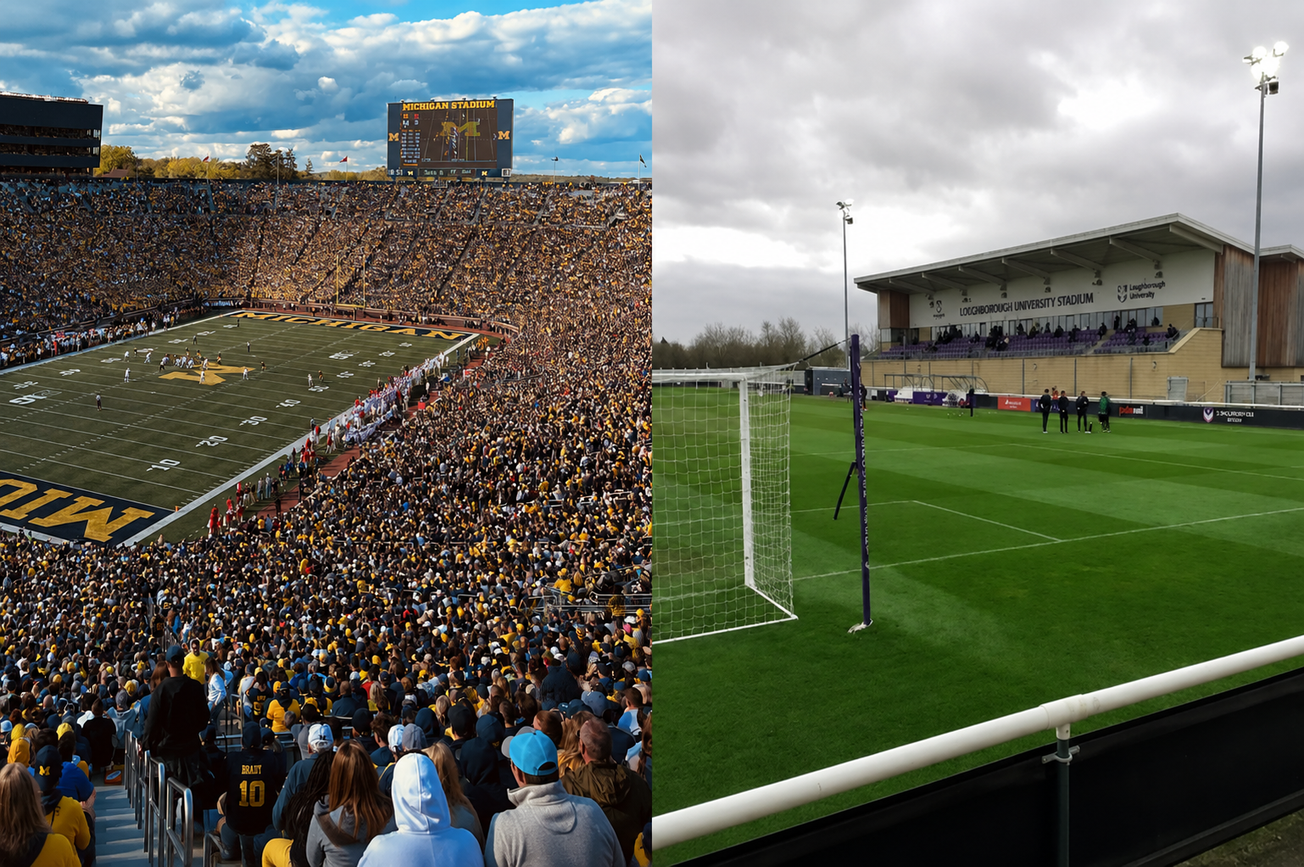
Wembley holds 90,000 people. It is the biggest ground in English sports, the place FA Cup finals and England games are staged, as recognisable to most of the country as the Houses of Parliament. Ten American college football stadiums are bigger than it.
Michigan Stadium, the largest, seats 107,600, Ohio State, Penn State, Texas A&M and half a dozen others aren't far behind, all of them regularly full for what is still officially classed as amateur sport.
Nothing in British university sport comes close. Even Loughborough, the UK's flagship sporting campus, fills just a few thousand seats on a good day. The stadium gap is the easiest way into a bigger question: why does the same phrase, ‘student sport’, describe a multi-billion-dollar industry in one country and a hobby in another?
Follow the money in American college sports, and you'll see a modern-day gold rush, complete with agents in place of prospectors. Darian Mensah, a 21-year-old quarterback who transferred to Miami this year without having played a single professional game, is reportedly earning $6.5 million from name, image and likeness (NIL) deals, roughly 5 times what Finn Russell, currently the best-paid rugby player in the UK, takes home in a season, and enough to put him among the handful of highest earners in England's entire Championship. Coaches do even better. Georgia's Kirby Smart and Indiana's Curt Cignetti are both paid over $13 million a year, more than nearly all Premier League managers and a huge multiple of what runs a British university team. Division I athletics as a whole now brings in more revenue annually than every major US professional league bar the NFL, ahead of the NBA, MLB and NHL.
The real engine behind all of it is television, not tradition. Conference realignment in recent years has been driven almost entirely by media market size: schools have switched conferences purely to land in a bigger broadcast footprint, and the SEC and Big Ten have both restructured with an eye on maximising TV reach. That broadcast money funds the NIL collectives and the coaching salaries, without it the structure collapses. BUCS has no equivalent, since no British broadcaster has treated university sport as a product worth paying for.
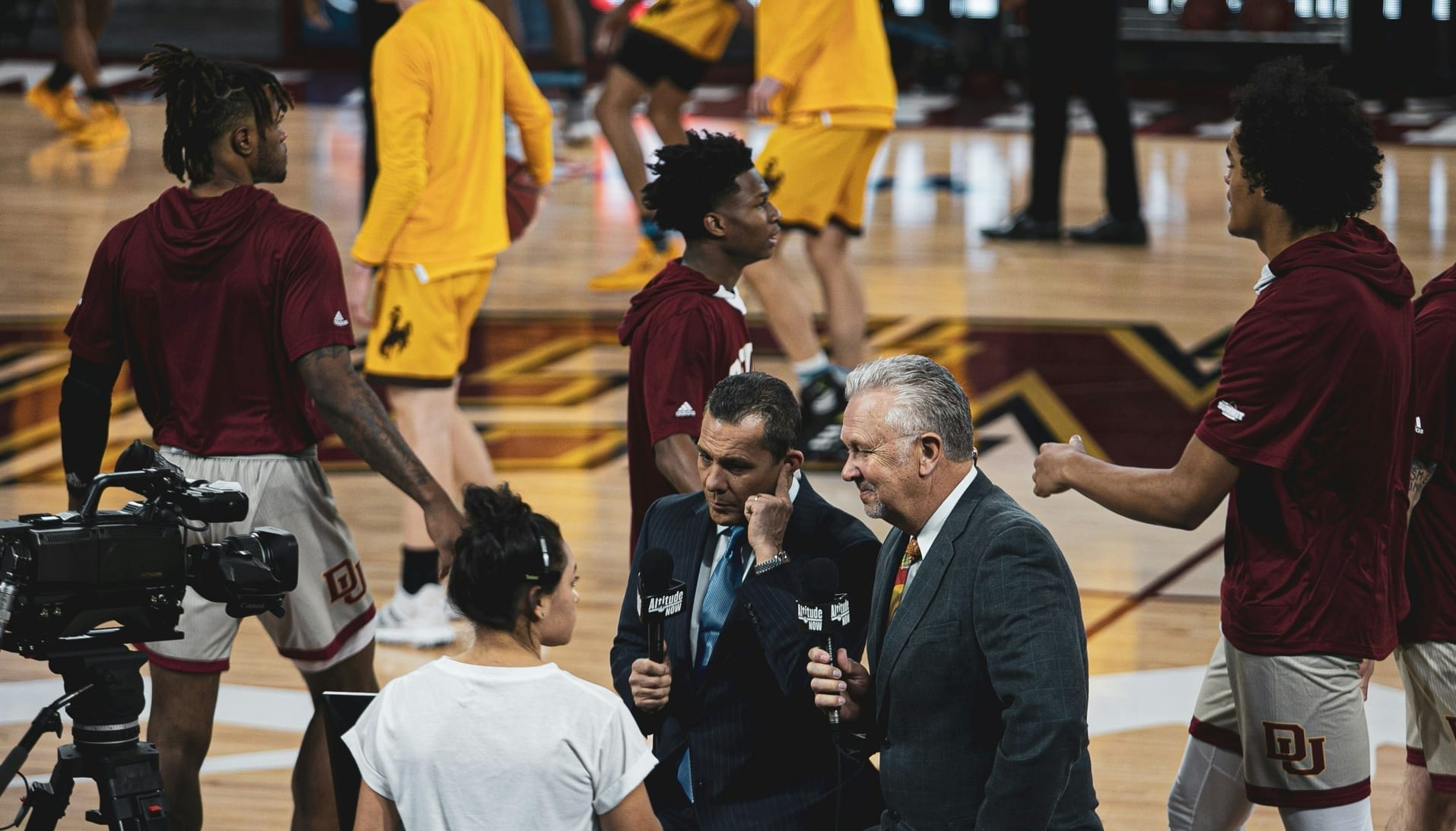
Almost none of this money reached athletes until very recently. Direct payment was banned outright until 2021, when NIL rules opened a crack in the door, and it was only the House v. NCAA settlement, which forced the NCAA to pay $2.8 billion in back damages and allowed schools to share revenue with players directly, currently capped at around $20.5 million per school a year, that turned that crack into the current gold rush. In other words, this isn't some longstanding cultural difference between the two countries. Most of it happened in the last five years.
British university sport never had its own version of that moment, mostly because it was never structured to need one. BUCS, which runs competition across more than 160 UK institutions and around 100,000 student athletes a year, operates on a budget that wouldn't cover the coaching staff at a single mid-tier American athletics department. There's no national broadcast contract behind it, no booster money, and certainly no revenue-sharing agreement waiting in the wings. A talented BUCS athlete gets subsidised gym time and a training slot squeezed around lectures, not a car and a six-figure sponsorship portfolio.
The more interesting explanation isn't financial so much as structural. American professional sport recruits almost exclusively out of college, the Draft is the only serious route in, which means every ambitious teenage athlete in the country has to pass through a university on the way to the pros. That funnel is what gives American universities the leverage to build 100,000-seat stadiums and sign nine-figure television deals in the first place. British sport works the other way round. A footballer joins a club academy at 8 or 9; a rugby player comes up through a regional academy tied to a professional side. By the time they'd be starting a degree, most elite British athletes have already spent a decade inside a professional environment, and university was never part of the plan. UK university sport wasn't built as a pipeline to anything, so it was never funded like one.
Geography reinforces this: in swathes of the South and Midwest the college team is the biggest show in town, with no professional rival soaking up local fandom. In Britain, a professional club is rarely far away, and university sport can't compete for attention it was never going to win.
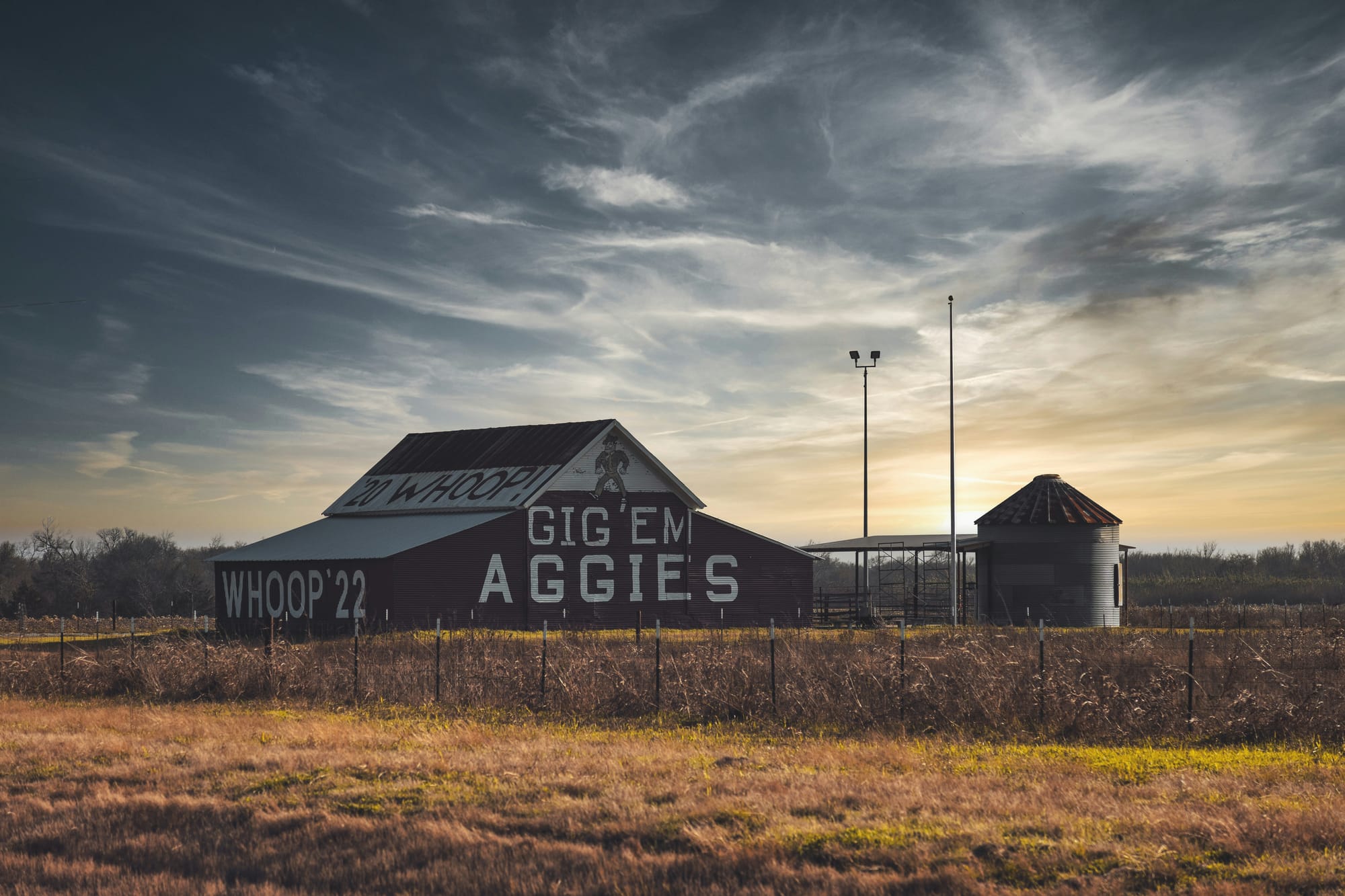
It's worth being honest about what each system actually gets right and wrong, rather than picking a favourite. The scholarship model does offer over 180,000 American athletes a genuinely funded degree and, in theory, something to fall back on if the professional dream doesn't materialise, a cushion that a 16-year-old released by a Premier League academy simply doesn't have. But look past the marquee NIL deals and the same data that shows athletes finally getting a cut of the money also shows coaches at those same schools still taking a larger share of it, even under the new settlement, while athletes in sports that don't sell tickets see almost none of the windfall at all. The British problem sits at the other end of the scale: chronic underinvestment means a talented student who isn't picked up by a professional academy at 18 has very few structured ways back into serious competition, and most universities still treat sport as something students do in their spare time rather than something worth building for.
 Eden Chambers
Neither system looks like the answer, exactly. One has turned student athletes into a genuine commercial market, with all the money and all the exploitation that tends to come with one. The other has kept things amateur almost by default, largely because nobody ever gave it the investment to become anything else.
Featured Image: ‘Michigan Stadium’ | Unsplash / Aditi Bhanushali ; Instagram / Loughborough University Sport
Why do you think British university sport is so different from the US?