By Patrick Clarke, Spanish and Politics, Fourth Year
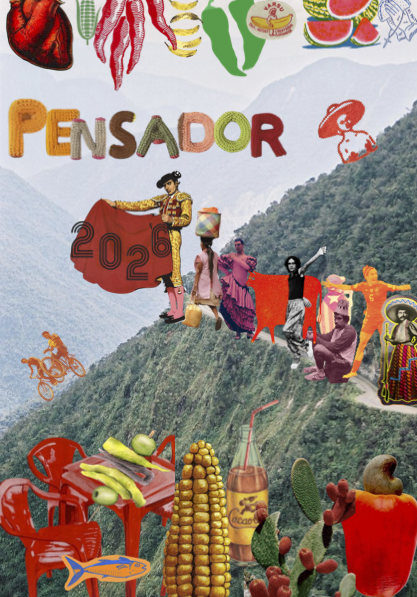
When I took on the editorship of Pensador, the University of Bristol's Spanish, Portuguese and Catalan language magazine, I thought I had a reasonable handle on Bristol's Latin American scene, Café Cuba next to Turbo Island, the monthly Latin food market in Broadmead, that was about it.
I was completely wrong.
Creating Pensador meant reading dozens of drafts and finished pieces from contributors, several of which had gone out into the city and found something I had somehow missed: a Latin American community that is not only present in Bristol but deeply woven into its fabric. Article after article pulled me further from the familiar and into parts of the city I thought I already knew.
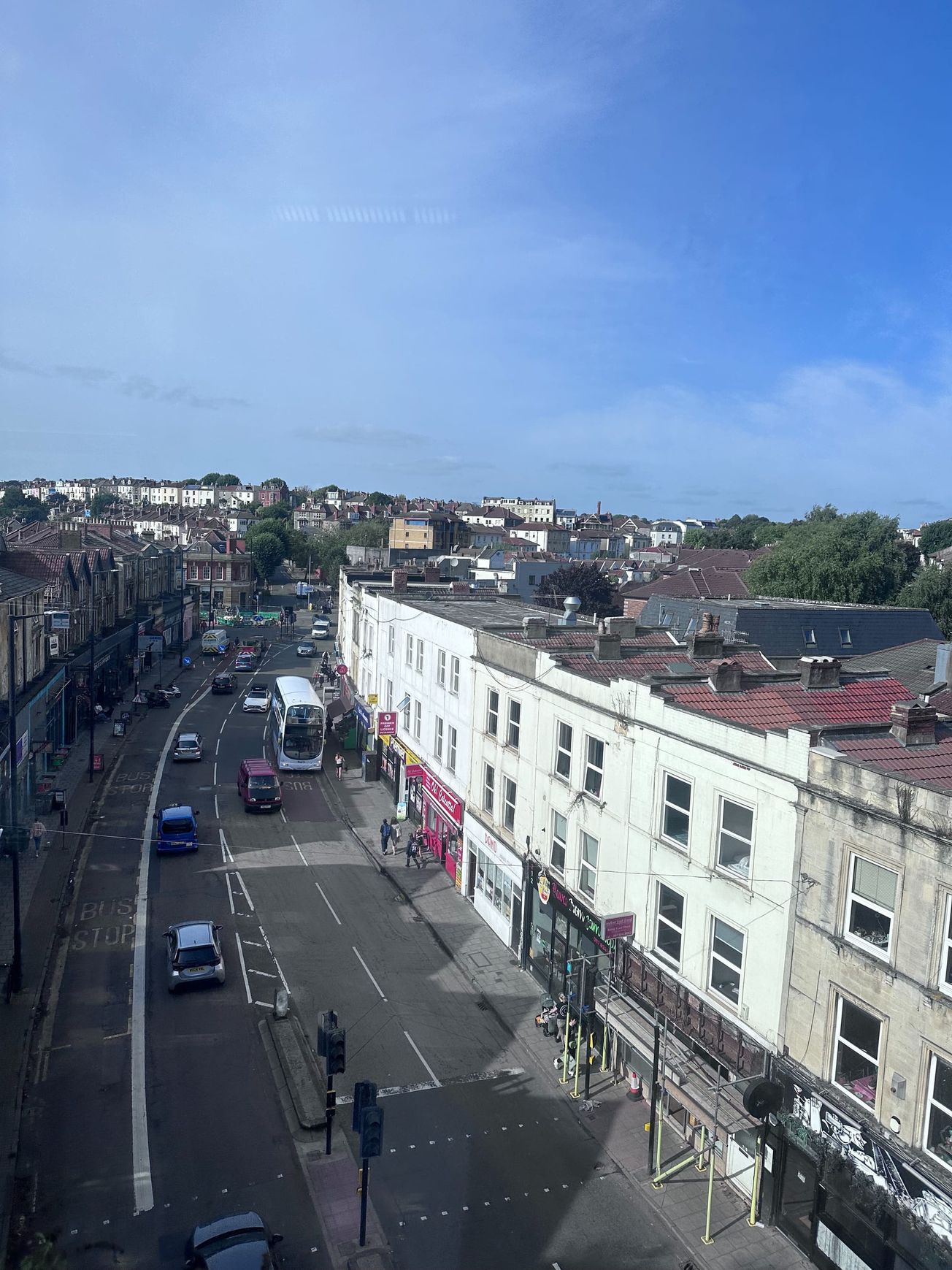
Take Gloucester Road and Cheltenham Road, two streets I walk down daily without registering what was really there. La Ruca, at number 89 Gloucester Road, looks like a health food shop from the outside. Walk through it and up the stairs though, and you’ll find a Chilean café run by Patricia and Alfonso Álvarez, who have run their business for over thirty years. The walls are covered in photographs of their homeland. On any given afternoon, you might find a group of Spanish speakers deep in conversation or encounter the smell of freshly made chimichangas.
Further along, Morales Latin Market in Stokes Croft stocks products direct from across Latin America, allowing any Bristol student still mourning the end of their year abroad the chance to get their fix of Tang (Latin America’s answer to squash), and has become a gathering point for Bristol's Latin American community, with the upstairs space hosting events and meet-ups.
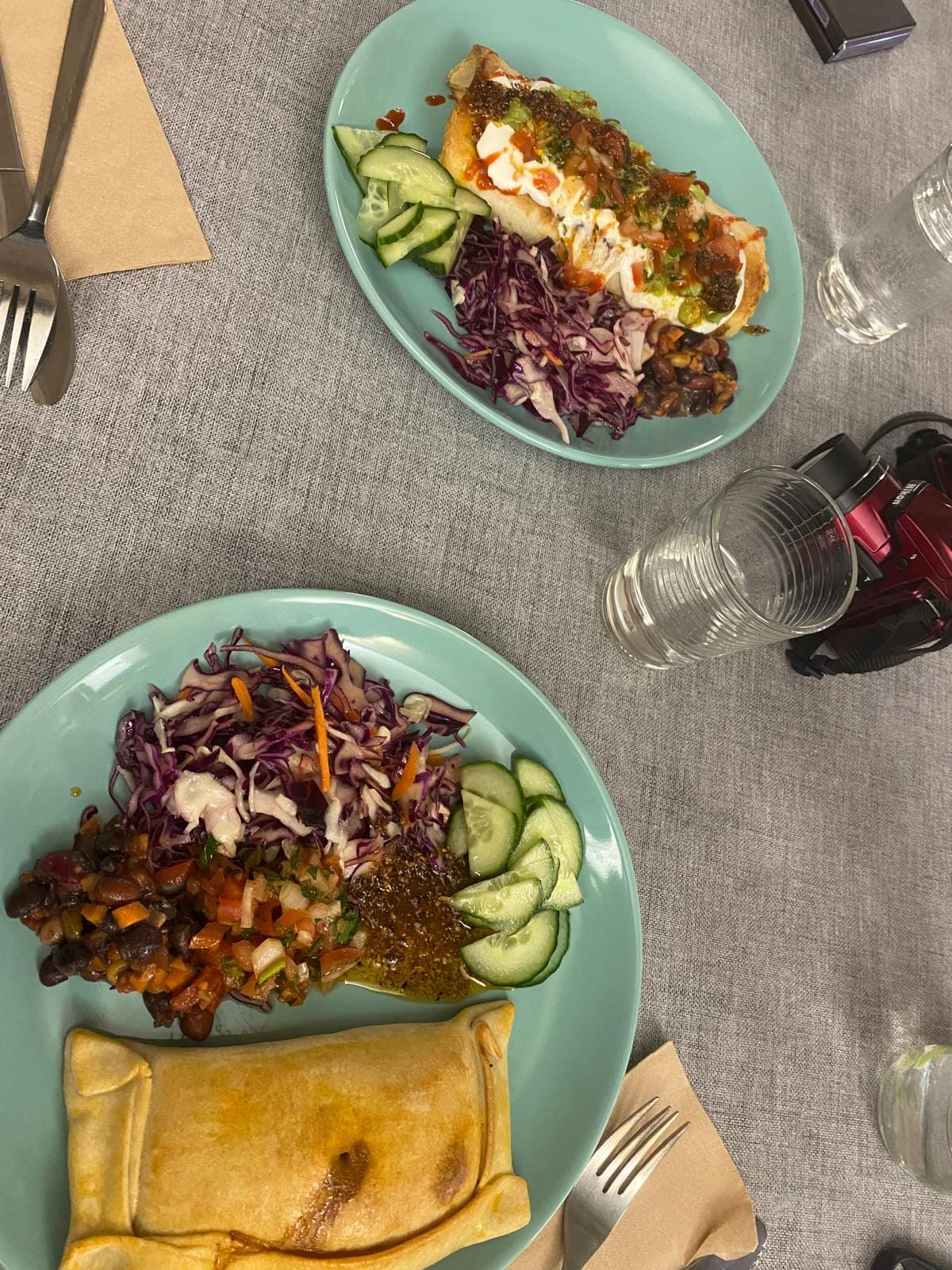
Then there are the places you would never expect. Beneath the main entrance to St Mary Redcliffe, one of Bristol's most celebrated medieval churches, Latino Street Bites serves freshly made Chilean empanadas and quesadillas from the vaulted undercroft. It is an unlikely pairing: fourteenth century stonework and Chilean street food, co-existing as though it were the most natural thing in the world.
Bristol's ties to Latin America run deep and long, shaped in part by the city's role in the transatlantic slave trade, which connected Bristol's port to the economies and peoples of the Caribbean and South America. That history is painful, but the community that exists today has grown into something altogether different: vibrant and self-organised. Latinas in Bristol, a community interest company established in 2023, works to support Latin American women in the city through art workshops at the Arnolfini, cultural events, and the Mercado Latino itself. Their exhibition at the Arnolfini, Como la Cigarra, drew on an Argentine anthem of resilience and exile to celebrate the stories of Latin American women making Bristol their home.
None of this was on my radar before Pensador. I had to edit a magazine about the Spanish, Portuguese and Catalan-speaking world to discover that a significant part of that world was already here, minutes away from the libraries we all frequent. If Bristol's Latin American community is hiding, it is hiding in plain sight, and it deserves to be seen.
 Hannah Corcoran
 Harry Gillingham
Pensador launches its eighteenth edition on Wednesday the 29th of April in the Modern Languages common room at 4pm. Come along to read some fascinating pieces or, for those less linguistically inclined, have someone translate what the article is saying, and find more out about Bristol’s Latin American scene.
Featured Image: Epigram / Anna Dodd
Will you be attending Pensador's launch?