
By Jenna Baker, Third Year, Film and English
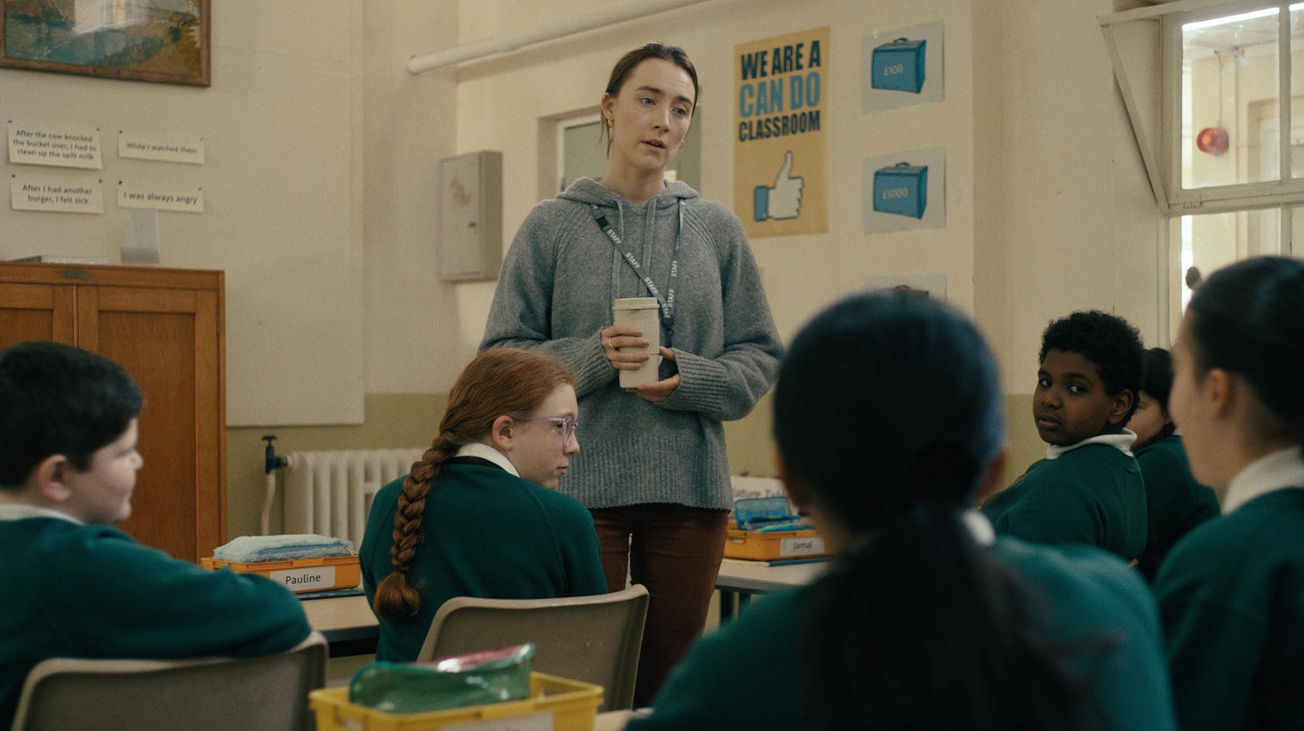
My schooling experience of sex education was alarmingly limited and outdated. I remember sitting down in a classroom in Year 5, after being separated by gender, the lights went down and a dull anticipatory murmur filled the room as the projector lit our faces. The video that began to play was a somewhat excruciating 20 minutes of a woman giving birth.
Don’t get me wrong, I don’t think young people should necessarily be sheltered from watching birth. But when the sex education lessons that follow years after fail to explore the complexities and nuances in consent, the different ways of preventing pregnancy and STDS, fails to even mention the incorporation of substances and how this can complicate things, ignores the capacity of sex for pleasure and is entirely heteronormative, you see my concerns. When education aims to spread fear in relation to pregnancy and birth instead of compassion and understanding, it clumsily ignores the reality of issues facing students at any age.
The ‘Tea Video’ is a clip I’m sure many people of my age recall. In my school, I do not remember having any education about consent beyond this video. The discomfort around talking about sex, with resounding sexual and emotional repression being so inherent to our culture, has formed a pattern of avoidance within the schooling system. What I don’t think teachers realise is that in many cases this avoidance can be extremely costly. The tea video is an extremely basic video in concept that lacks nuance in a significant number of ways. First, it is startling that we are so awkward in discussions about sex, that we cannot even talk about it as sex, we are British, so we have to talk about it through the metaphor of tea. If the video went alongside lessons that fully divulged into the different circumstances and grey areas of consent, maybe it would hold up okay, but in my school, I remember the discussion to be limited, potentially even absent.
Teachers were seemingly unequipped to deal with the conversation, facing the grumpy faces of mocking, hormonal teenagers. However, there is a national understanding that many students go on to University, take substances and drink alcohol and engage in hookup culture and/or face immense pressure to do so. With these factors working in combination, eighteen year olds (and younger) are simply unprepared, naive and do not have the correct learning to keep themselves or others safe. In addition to this, any lessons on consent and contraception that recognise sex as being separate from conceiving, come far too late.

Hookup culture is something that many young people are not aware of until they move to University. Having a holistic and accessible support system that educates and allows students to ask questions or speak to specialists within each accommodation and Student Union building could be a great way to increase safety. Nonetheless, my point remains that preventative safeguarding measures within the schooling system would be most effective.
What emerges is a lack of understanding around consent, and a vulnerability that puts teenagers and kids at risk.
Many young people are engaging in sexual behaviours before most sex education lessons, especially of this nature, are provided. What emerges is a lack of understanding around consent, and a vulnerability that puts teenagers and kids at risk. Teaching young children about bodily autonomy is essential in providing children with the ability to recognise sexual abuse, innappropriate behaviour from their peers, and give young people a sense of confidence in their selves early on, which does seem to be becoming more common.
The influence of the internet has undeniably transformed the way young people view sex, consent, sexual violence and misogyny. Schools simply cannot keep up with the ever changing media and threats that have emerged from the ‘manosphere’, pornography and extremist content. Unfortunately, many young people of my generation are/were exposed to violent or misogynistic pornography very early on, with unrealistic beauty standards and warped presentations of sex and consent. With the lessons about these issues emerging too late and often being insubstantial, young people often try to understand sex, bodies and relationships through watching porn.
if we are teaching age-appropriate lessons about consent, the dangers facing particularly vulnerable groups could be lessened
What is the impact? It is difficult to pinpoint, but a survey conducted by the Office for Students in 2025 revealed that 1 in 4 students had experienced sexual harassment, with women and LGBTQ+ students significantly more vulnerable. These statistics reflect a clear gap in teaching. It is essential that mandatory workshops are conducted within schools, universities and even the workplace, consistently teaching the complexities in bodily autonomy, sex and relationships that each age group may face. Also, having social media specialists to offer lessons within the staff team could ensure a greater awareness about the risks posed by the internet.
Often there is a fear that teaching children about these themes will encourage them to have sex or engage in risky behaviours, but actually if we are teaching age-appropriate lessons about consent, the dangers facing particularly vulnerable groups could be lessened, and sexual misconduct and abuse could be reduced. If the main perpetrators of harassment and assault are taught about consent, misogyny, violence and bodily autonomy early on, perhaps they wouldn’t end up being perpetrators at all.
Featured Image: Unsplash / Stewart Munro
What do you think sex education in schools left out?