By Katie Asha, First Year, English
Analogue media is back, and bigger than ever. Magazines such as Vogue, Dazed, and countless substacks have declared 2026 as the 'year of the analogue', and the increasing emphasis on physical media in pop culture is hard to ignore.
Just last month for example: Olympian Alysia Liu was pictured in Teen Vogue laying among a pile of cassette players, vinyls, and CDs; a Vogue article that declared that 'offline is the new luxury'; and trend forecasters WGSN have predicted a mass sense of disillusionment towards social media in 2026, nicknaming it 'the Great Exhaustion'. For the first time in a decade, internet trends have begun to decline – a 2026 study by the Financial Times found that daily time spent on social media has fallen by 10 per cent since its peak in 2022. So what is triggering this 'analogue renaissance' – and is it a genuine turning point, or simply another trend?
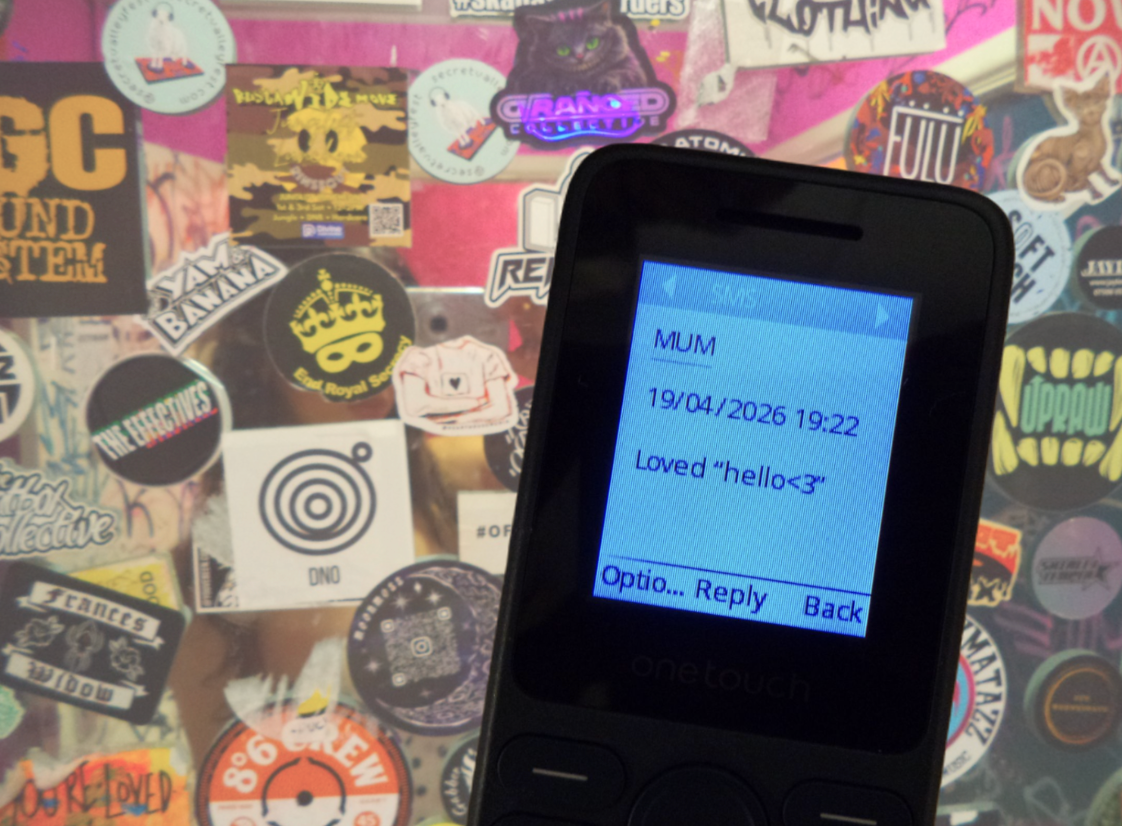
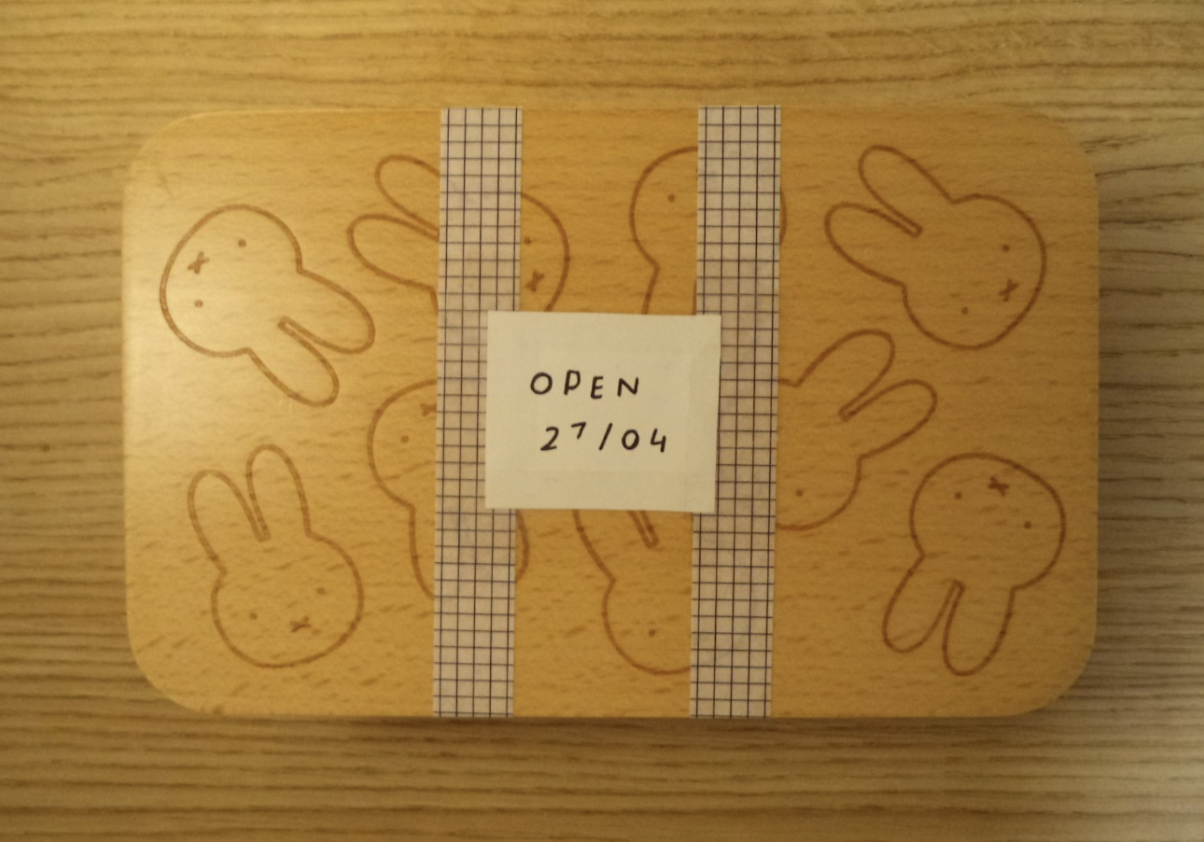
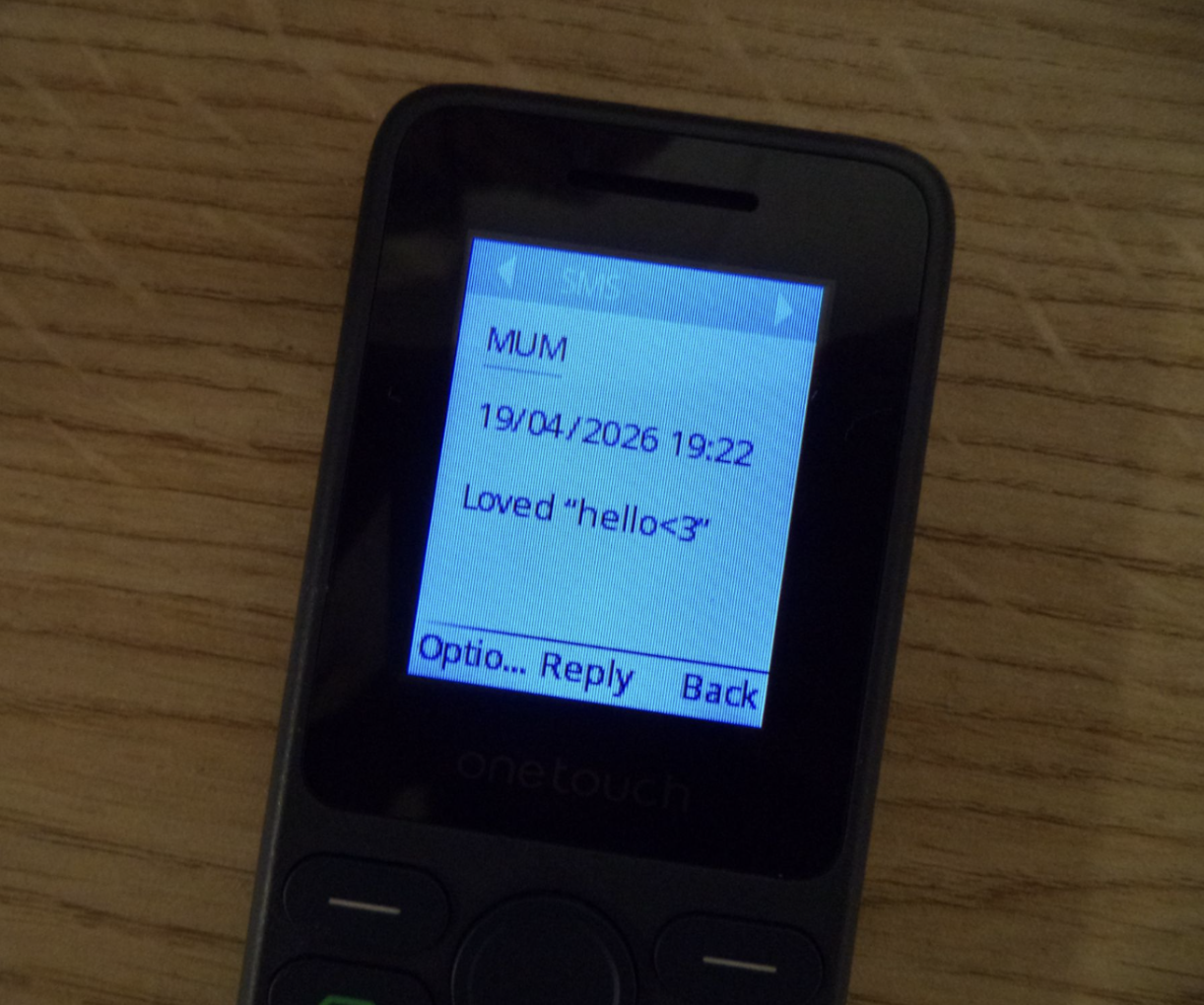
This article could not be truly informative without some investigative journalism – so to see what all the fuss was about, I sealed my phone in a box, left it in my flatmate's room, and spent a week at university living with a brick phone instead. Here is how I found my seven days in 2004, and why I think young adults who have grown up in a digital world are increasingly choosing to go offline.
The summer I turned analogue
Using the brick phone created what felt like much longer days: in the absence of scrolling and rewatching my own Instagram highlights, I ended up being a lot more productive and a lot more relaxed (even though that does sound a bit contradictory) than normal. Social media’s inclination to transform every creative outlet into an advertising space makes it hard to ignore that people’s attention spans are up for sale. Without opening my phone to constant advertisements and bids for views, I found myself a lot more clear-headed. I didn’t need or want to constantly check where my phone was, probing my pocket to see if it was still in there, if I had any new notifications, or if there was any other possible reason to use it. My phone ended up orbiting around my daily life, rather rather than vice versa.
Using a brick forced everything I did to become more intentional and anticipated: I would have to take my debit card, ID, student ID, and digital camera with me depending on what I was doing that day. Not having a phone camera made every photo that I took more intentional; I took my digital camera around with me and manually uploaded the photos to my laptop at the end of the day. I was forced to send messages that were shorter and far more direct than normal – T9 keyboards do not reward rambling – so I stopped sending small updates, thoughts, or posts to my friends throughout the day. Instead I mostly just called people to organise meeting up with them. Where that was better or worse is difficult to say, but it was hugely different and noticeably so.
Another factor to take into account was the lack of music. Like many other students, I listen to music while I walk to lectures, go to the shops, and brush my teeth. Really, for my whole day other than when I’m talking to someone, I have a constant stream of gentle noise in my ears. The lack of soundtrack to my daily routine made me feel a bit lost, but potentially more present when out and about. In 2026, boredom and a lack of sensory input may be the most valuable things a person can find – and with a brick phone I had it in abundance.
Disadvantages of being offline
Other elements of living in 2004 had its drawbacks. There were practical frustrations due to having no apps such as maps, Uber, and no way to get into venues without forwarding my friend the ticket from my laptop. I had a lot less independence, particularly in the evenings, than I was used to: I couldn’t (really) navigate to new places on my own, and I wasn’t able to call my own Uber at the end of the night. While during the week I got on okay without these things, I was conscious that in the long term, being unable to safely make my own way home on nights out – particularly as a girl – is not solely a trivial inconvenience. There were other smaller impracticalities too, such as using Microsoft Authenticator: I managed to set up face ID on my laptop, but the app still requires a smartphone to be linked to it, which raises real questions about how anyone navigates uni digital spaces without one.
One of the things that I found most surprising was my lack of withdrawals. I didn’t find myself missing my phone at all. It made me think if using social media was something I did for genuine enjoyment, or just a compulsion in my routine. This complete lack of missing it in my smartphone's absence would suggest the latter. A 2026 study conducted by the University of Sussex found that scrolling on social media is the most frequently engaged with leisure activity among students, but was surprisingly also rated the lowest for enjoyment. Students were spending more time on social media than ever, while simultaneously enjoying it less and less. ‘How we spend our days is, of course, how we spend our lives,’ author Annie Dillard once wrote – with the analogue renaissance, people are refusing to spend their days and lives attached to a screen out of compulsion rather than joy.
Who can afford to slow down?
Another thing to take into consideration about the return to analogue is how class plays a role in it – who can afford to slow down, and who can’t? Dr Kaitlyn Regehr comments to Dazed magazine that the analogue movement is ‘comparable to healthy eating movements of the past; to eat healthily tends to cost more money. The criticism around these choices being middle-class or privileged is justified. We used to think about (...) who had access to technology and who didn’t. We don’t speak that way anymore. We actually talk about who is able to exist without that technology and who isn't’. Going entirely analogue requires increased spending on physical media such as books, CDs, headphones, stationery, and just about everything else that would normally be free on a smartphone. An analogue lifestyle also requires the luxury of slowing down, and for someone who is running a family, has a demanding job, or has to maintain a tight schedule, going against the grain and valuing intentionality over efficiency is not always an option. With the time and cost factored in, going offline is a privilege of its own.
 Lindsay Shimizu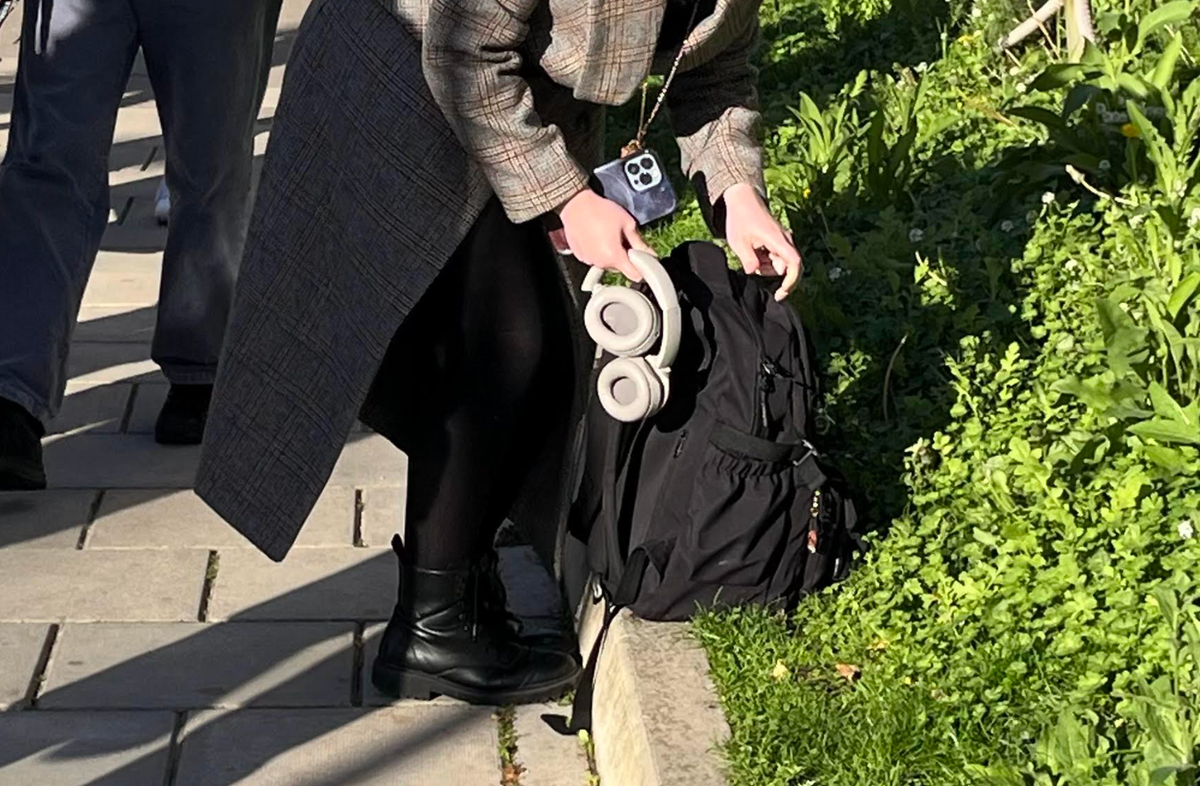
 James Lewis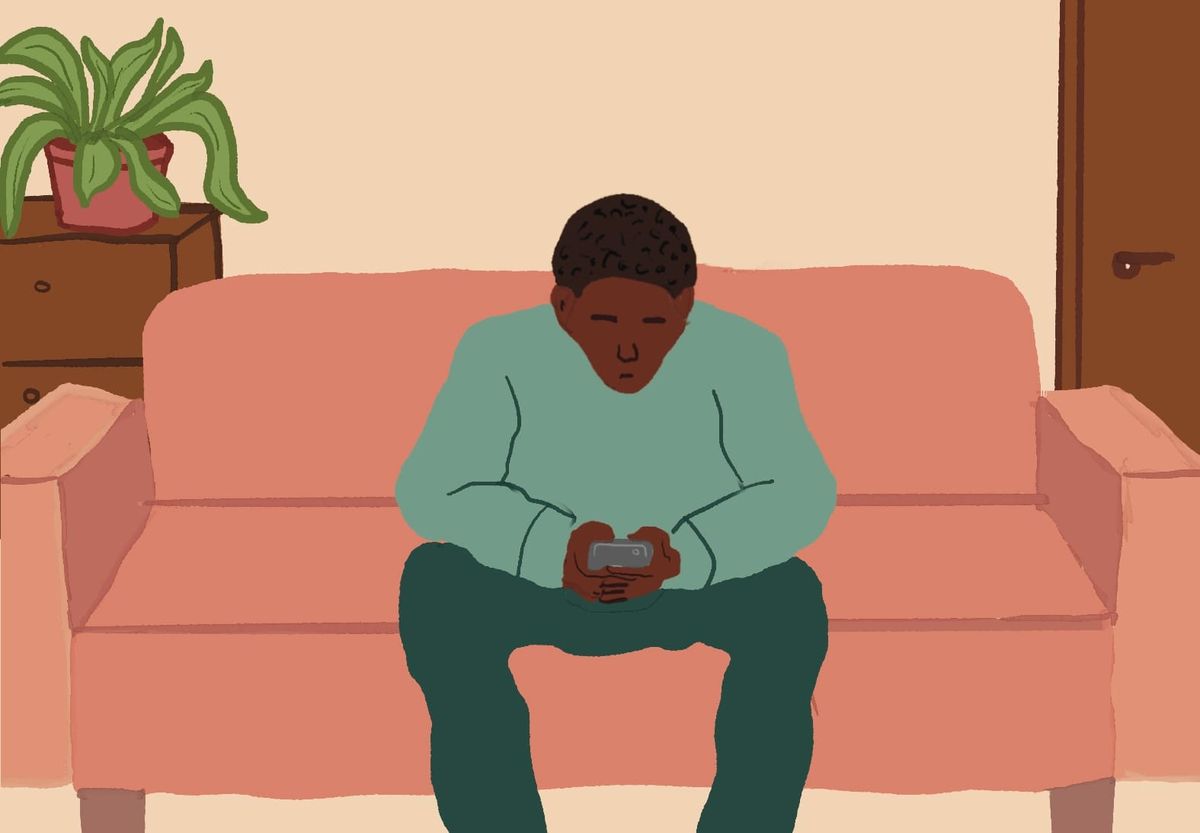
Back to the future
Spending a week in 2004 while everyone else was still living in 2026 was at its best moments an adventure and at its worst a huge inconvenience, with most of the week feeling somewhere in between. Ultimately, physical media has an intentionality and charm that digitised media, while efficient and optimised, can’t replicate. Typing on the brick phone, while tedious, made every text I sent feel more intentional. Holding a book as you read it and then displaying it on your shelf once finished is infinitely more satisfying than consuming the same words through the glow of a phone screen. The charm of analogue is quickly being realised as irreplaceable.
Maybe something of that charm is why Epigram has successfully maintained its print edition, even 38 years on from its conception. Will you be picking up a copy in September?
Featured Images: Katie Asha / Epigram