
By Lindsay Shimizu, Third year, English
From the worries of ‘tech neck’ to the invention of ‘posturemaxxing’, there’s been more and more talk about improving our posture, but here’s why I don’t think you need to fix anything.
If you were ever told to stand up straighter, you were also probably told that doing so would help prevent back pain. Conversely, you were told hunching over would make the pain worse. Having good posture has never just been about the physical health benefits. Whilst our body language can change how people perceive us, it can also change how we see ourselves: good posture makes us seem confident; bad posture makes us feel insecure. Though it doesn’t seem like striving for improved physical health and more confidence is mistaken, there’s a history to the benefits and accepted ‘facts’ about having good posture, and it’s more suspect than you think.
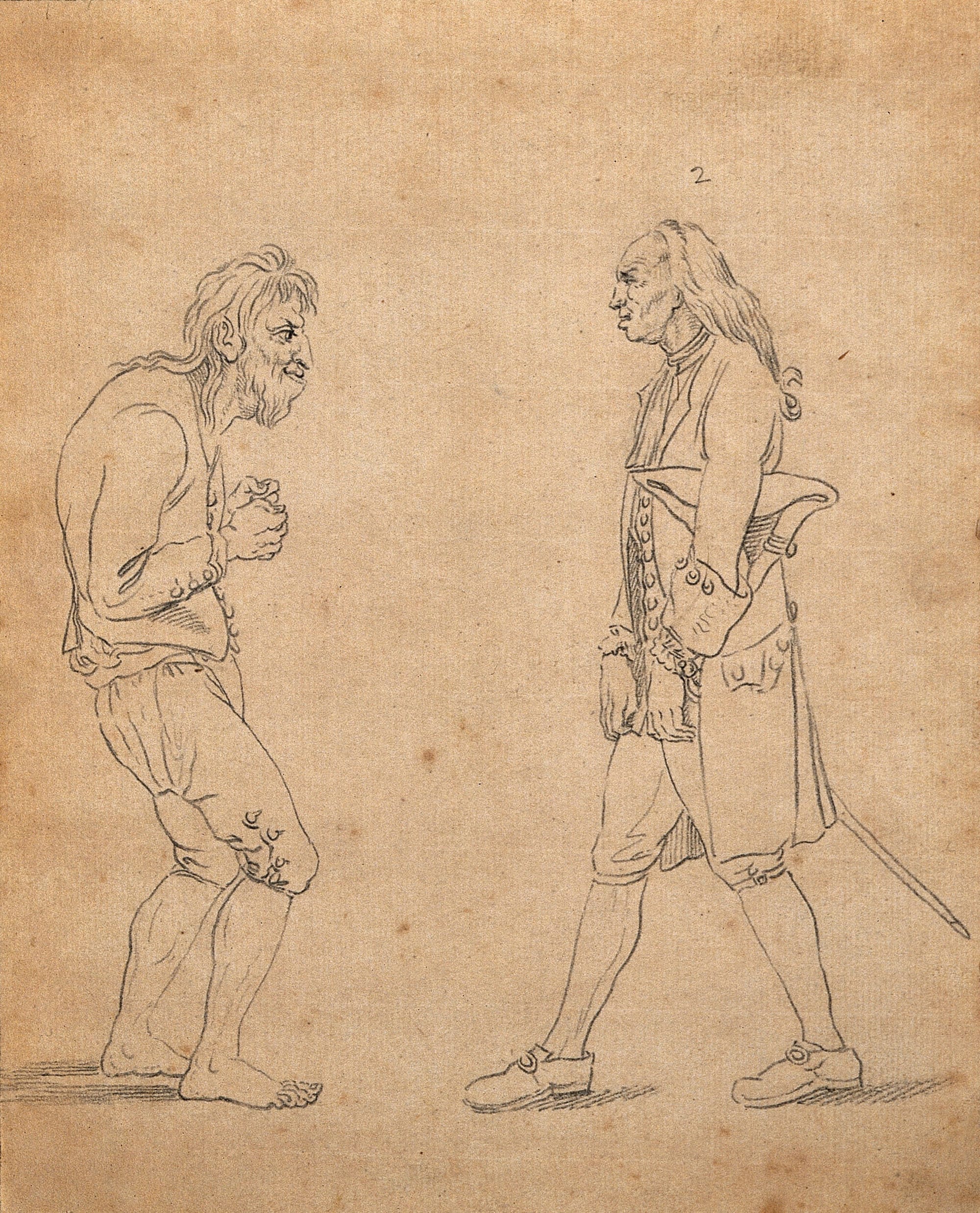
Good posture has always been a sought after ideal. We have to go back to Charles Darwin’s theories about evolution. Alongside his ideas about natural selection in animals, he theorized that the pinnacle of human evolution was bipedalism, that is standing on two feet instead of four. Darwin’s biological theories seeped into social sciences in the late 19th century. In what was later coined ‘social Darwinism’, the theorist’s original concept of ‘survival of the fittest’ was maladapted to prove the ‘superiority’ of whiteness over other races. Such reasoning also sought to explain how members of the upper class deserved their wealth based on their inherent strength over the poor. It is not difficult to see the link between posture and social Darwinism –wanting better posture became an implicit and, at times, explicit display of superiority. Using science became a twisted way to prove a person was more ‘evolved’ over another. Darwin himself did not endorse the corruption of his original theories, but social Darwinism underscores the overlap between physical and social science and the dangerous lines of thinking it led to. For better or worse, Darwin laid the groundwork for the prioritisation of upright postures.
Notably, the start of the 20th century saw the rise in eugenics which would go on to include posture as a measure of ‘good’ genetics vs ‘weak’ ones. In 1914, physician Eliza Mosher and physical educator Jesse Bancroft established the American Posture League (APL), dedicating their focus on the problems of bad posture across all races and classes. Linking bad posture to bad physical health, laziness, or stupidity also associated good posture to good breeding and intelligence. Mosher and Bancroft and other scientists at the time suggested that the worsening posture of all Americans was linked to an overarching degeneration in national health and character. Soon, studies cropped up deeming good posture the solution to prolonging back pain, preventing potential disability, countering laziness, and encouraging discipline. The APL instituted posture tests and created pamphlets and guides to improve posture. Even though the APL disbanded in 1944 and attitudes around eugenics changed, the desire for good posture, both as preventative medicine and a means to better character, have sustained some 100 years later.
 Alice Guskov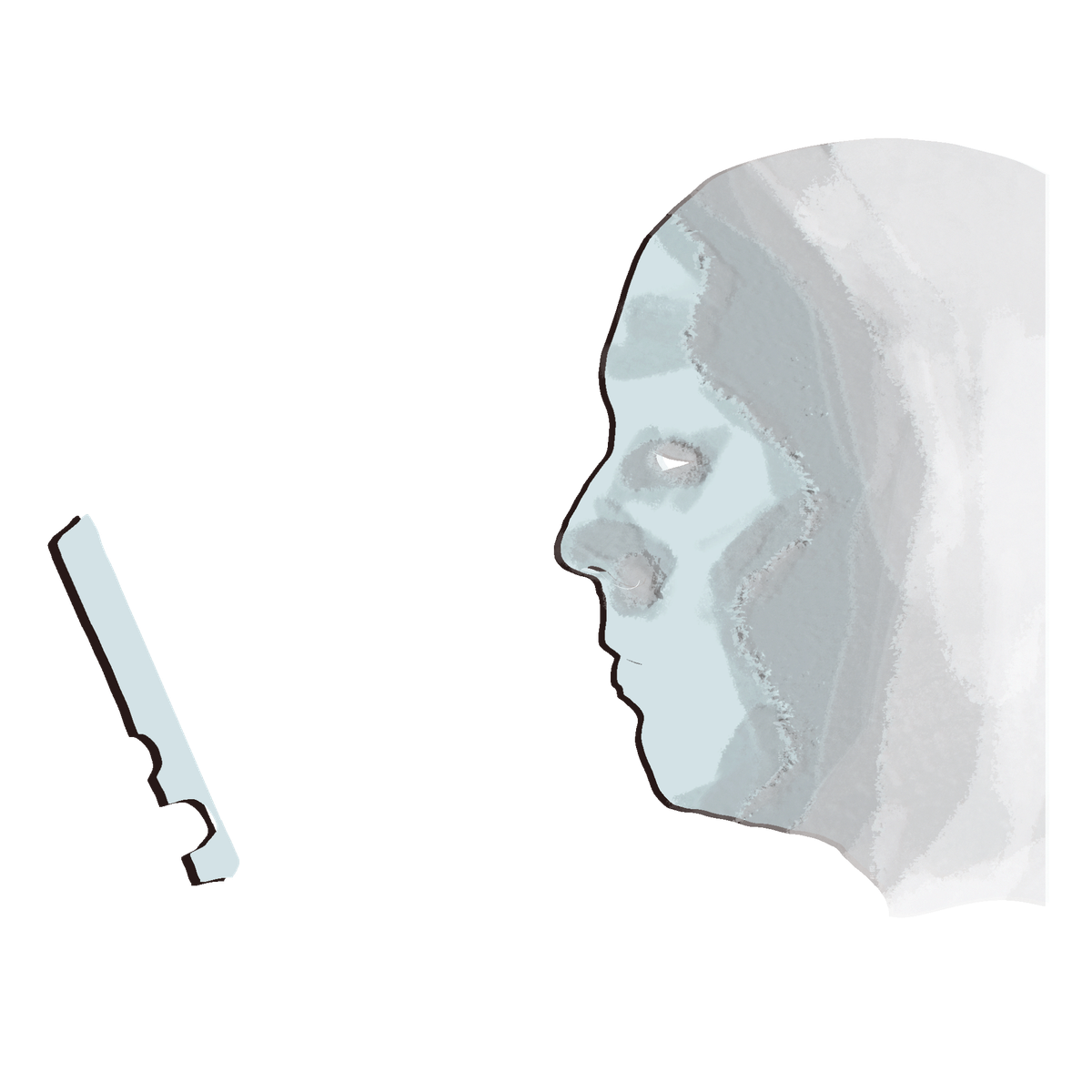
The physical benefits of good posture go unchecked. Recent literature has been published that suggests that good posture is not the pinnacle of health nor is there significant evidence to suggest that good posture prevents back pain and future injury. Though it may be true that pain can worsen from leaning forward over computers or phones all day, isolating posture as the sole reason for all back pain isn’t going to do as much as you’d think. You’re more likely to feel more relief from incorporating regular exercise or better sleep than from buying a posture corrector or a $125 sports bra like Taylor Swift. Despite these recent findings, the push for good posture is rising for more than just health and wellness. Gen Z is obsessed with how we’re perceived and good posture epitomizes this fascination. Popular imagination still figures a person with good posture with physical attractiveness (and problematically thinness), sophistication, intelligence, confidence, and power.
The more we obsess over our health and what we look like, the more unhealthy we become. The quest for good posture is especially insidious because it asks us to constantly think about what we look like. Treat what I say less as an exhaustive study into how posture affects our social and self-image, and more like the beginning of a conversation. Good posture is not bad for you, and bad posture isn’t good for you. But misinformation can be. And obsession is. The overall claims for why we should want good posture need to be further examined – a sentiment that extends to all health and wellness ‘trends’. I guarantee you the answer is not just to sit up taller.
Featured Image: Jemima Choi / Epigram