By Clarrie Terleph, Arts Deputy Editor
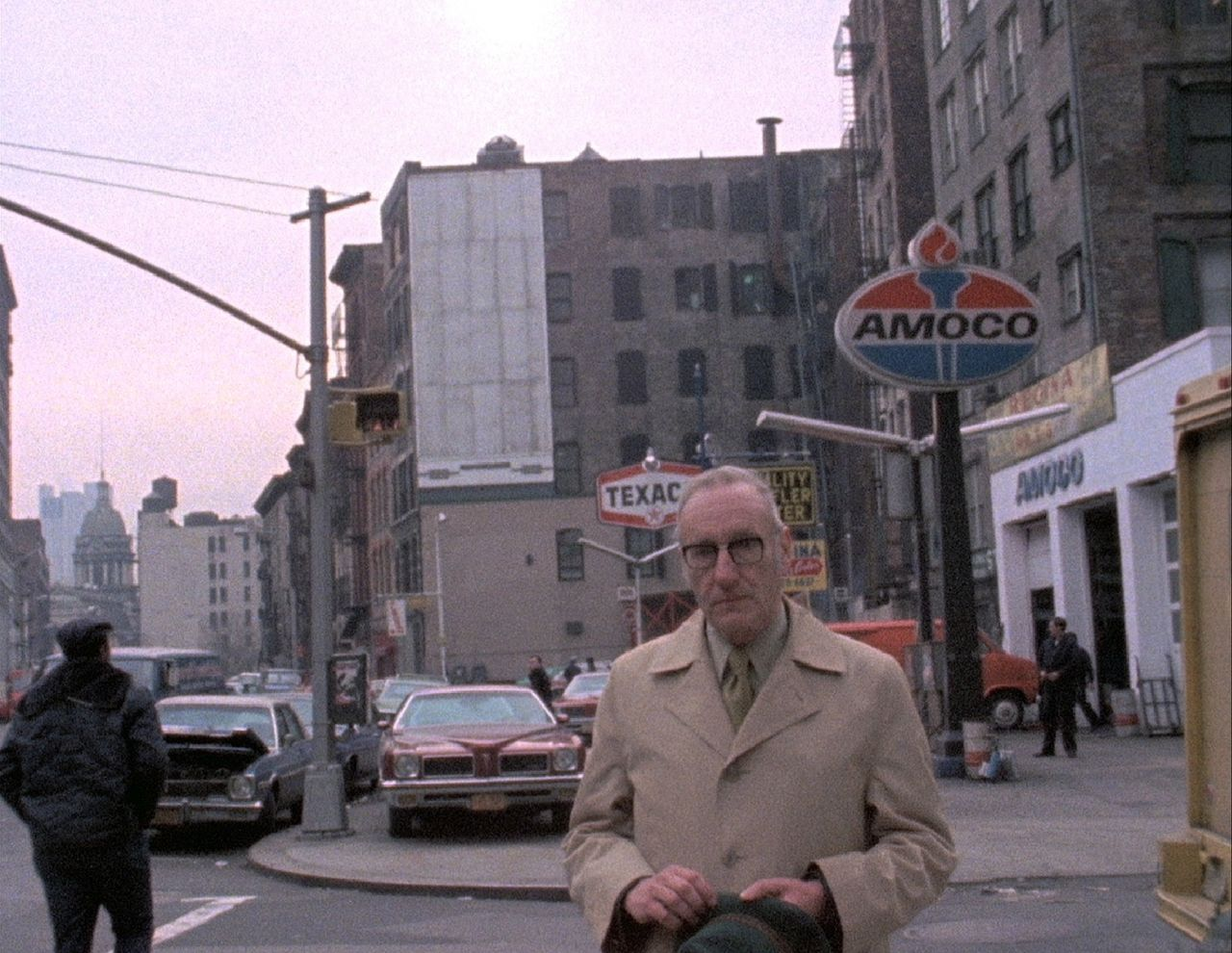
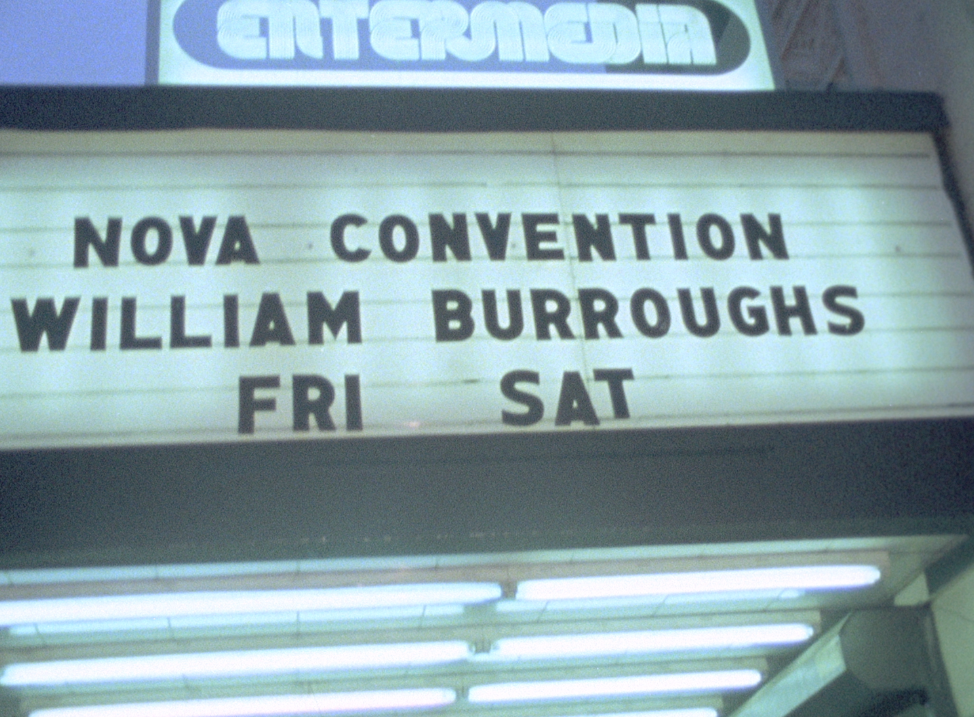
The Beat generation was one of the most influential literary and cultural movements in the mid-twentieth century. Screaming against the conventional order, the group of writers sought to redefine expression and fight against rigid social conventions. When key member William S. Burroughs moved back to New York after decades abroad, his return and the subsequent landmark three-day Nova Convention were documented by filmmaker Howard Brookner. The discovery of this footage by his nephew, Aaron Brookner, over two decades later would inspire what became a huge project of restoring Howard's archives and transforming them for modern audiences. Emerging from this footage is NOVA '78; a celebration of sparkling artistry, raw and unrestrained creative expression and, ultimately, homage to Howard and the craft of his filmmaking. I sat down with Aaron to discuss how the film came together.
Retrieving the footage that would become NOVA '78 was not an easy task as Brookner recounts the successive discoveries of various caches of Howard's film. In 2011 at his grandmother's house, Aaron opened a drawer in her wardrobe to find a letter from his uncle Howard not long before his death in 1989 telling his parents that if he was to live on it would be in their hearts, memories and the films he made. It was only later, however, with the discovery of an extensive archive of footage Howard had filmed with writer William Burroughs over four years at the writer's former residence 'The Bunker', that Brookner began to realise his uncle's vision. After using that archive to restore the documentary Burroughs and create the film Uncle Howard, it was in 2022 that Brookner got a call from the estate of John Giorno, poet and colleague of Howard's, regarding a trove of 44 original camera negatives. Suspecting they might be the negative rolls of the footage found in 2011, Aaron embarked on the lengthy process of putting them back together, ultimately culminating in the creation of NOVA '78.
‘It was thrilling, it was sort of like being in the most amazing vintage shop you can imagine and around every corner is this new incredible discovery’
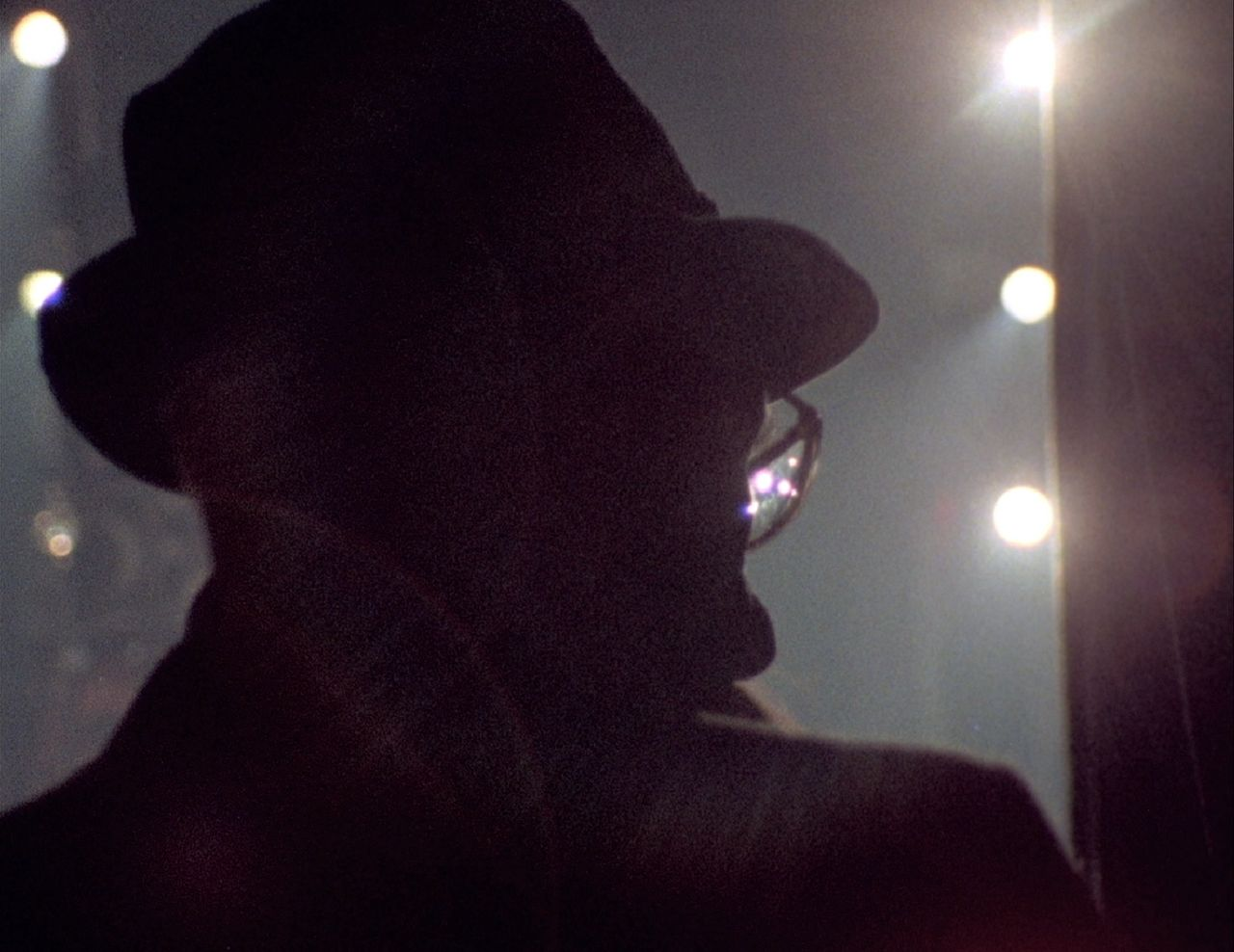
Brookner describes the process of manually synchronising and assembling the separate negative film and magnetic sound as tedious and complicated, yet worthwhile for the sense of revelation it provoked. He recalls, ‘It was thrilling, it was sort of like being in the most amazing vintage shop you can imagine and around every corner is this new incredible discovery’. He discusses Howard's camera work, which explores both the evocative dynamism of the on-stage performances and the intimacy of the artists interacting backstage. This duality invites audiences into the lives of the performers, extending the experience beyond that of those who witnessed the convention in 1978. Brookner conveys a sense of wonder at being granted access to unseen moments, such as Anne Waldman and William Burroughs having a casual conversation, or the surprise of finding Allen Ginsberg's band practising on the stairs. Conveying this sense of immersion was crucial to transmit to the audience, and thus the vital decision was made to tell the story of the Nova Convention using only the original 16mm archival footage.
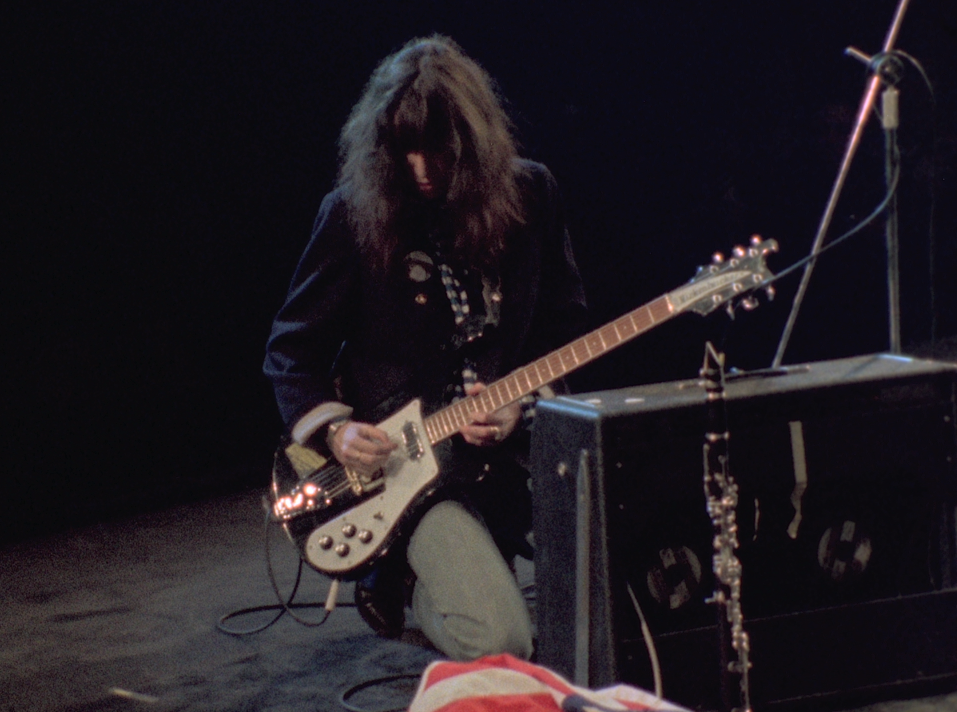
When making NOVA '78, Brookner wanted to ensure all performers were equally spotlighted while simultaneously maintaining the community spirit shared between them. He believes that it's one thing to pick up a history book and hear about the artists of the 70s cross-pollinating, but to see it occur in the film is an entirely unique and illuminating experience. Watching them learn from each other, share ideas and blur boundaries was imperative for the film; Brookner divulges, 'there's different ideas that different artists have and some of them might agree, but what's beautiful was people coming together and listening without judgement’.
‘The real lesson to take away is to stay open-minded, to break free of boundaries, be much more free in how you receive information and how you express information’
This is what we too must take from the film. In the modern day we are overly self-conscious of how we present and market ourselves, concerned with categorisation and the boundaries we place around our identities. Yet the values embodied by the Beat generation were rooted in challenging these rigid structures and embracing the freedom of expression. Brookner argues that ‘the real lesson to take away is to stay open-minded, to break free of boundaries, be much more free in how you receive information and how you express information.’ There is so much for us to learn from these artists, and NOVA '78 captures this beautiful timeless energy with striking clarity.
‘Newer people in their twenties and thirties going in and discovering this has been great and reinforced the power of cinema as being as close to travelling through time as it gets’
Brookner states that he too has learned lessons through the convention which have changed his own approach to new films, and experiencing the reaction from fans across the world has made it one of the works he is most proud of. Seeing cinemas filled not only with admirers of the Beat generation and the artists featured but also young people reinforces the community still cultivated through cinema and art today: ‘Newer people in their twenties and thirties going in and discovering this has been great and reinforced the power of cinema as being as close to travelling through time as it gets.’
 Rosie Napthine
Following over 50 screenings in over 20 countries, NOVA '78 has played festivals, cinemas and museums, to reach audiences across the world. In bringing Howard's footage to new generations, Brookner's restoration keeps his legacy alive just as Howard had hoped all those years ago, while also exemplifying the electric possibilities of film. Coming to Bristol for one night only on November 16th at the Cube Cinema, this showing is sure to captivate: don't miss it!
Featured image: Courtsey of Pinball London Ltd
Will you be watching NOVA '78?