By Erin Disney, Third Year, Politics and French
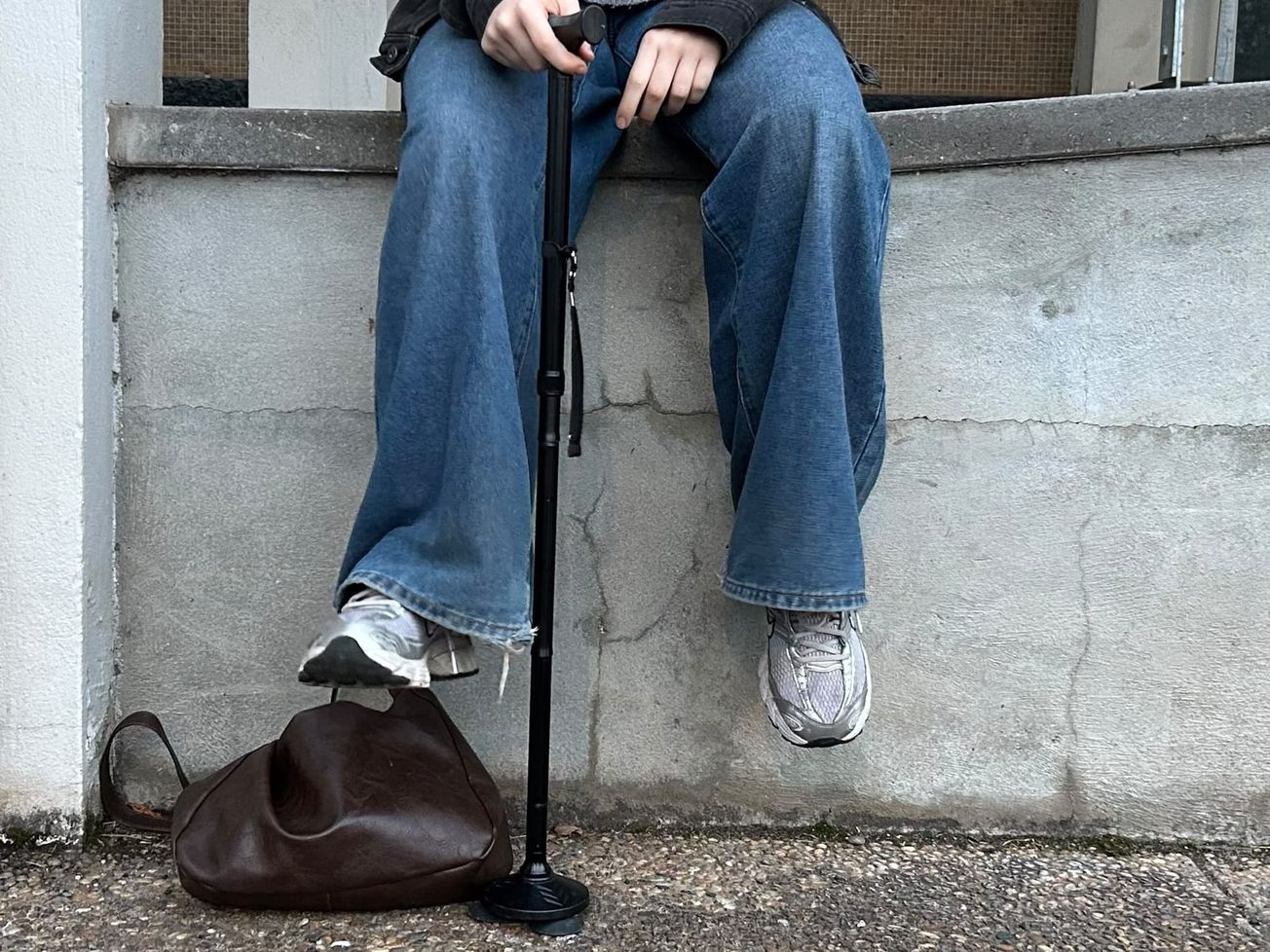
Bristol is a city known for many things: music, culture, history… and its knee breaking hills that contradict the earths gravitational field. While the average joe might laugh about the steep hills and hike the vertical incline that is St Michael's hill daily (albeit irritated) the world isn’t quite so easy for us disabled folks.
A steep ten minute hill is a nightmare for disabled students. Medication, outfit choice, bag weight and a myriad of things come in to factor just to reach the top. Taking the bus would be easier but try navigating the Bristol bus schedule every day at 8:00 in the morning when three of the supposed buses haven’t arrived and see if your hope in public transport persists.
Don’t even get me started on when it’s raining; try walking up a slippery hill drenched in water with a cane that can no longer grip the floor. That’s one wet leaf away from falling face first into the concrete and getting a new disability.
Last year after relentless tests, I was diagnosed with fibromyalgia which is the medical term for ‘we don’t know what’s wrong disease’. I want to be pretty clear though, I’m writing from my experiences but I am by far not the most disabled person I know. I’m incredibly lucky to have such supportive friends who would help me out when even holding a cup of tea was too much and the university teams do work hard to make sure that I have accessibility measures in place. However, this is by no means a one-size fits all situation and I would highly recommend asking your disabled friends for their experiences of university to see just how drastically different life is for them.
I often find with my disability that it’s not being pain-free that I miss, rather the complete ease and speed at which people seem to move. University, by its nature, is a fast paced environment where spontaneity rules all and while this can be exhilarating for the average abled-bodied student, it is simply not the case for disabled students.
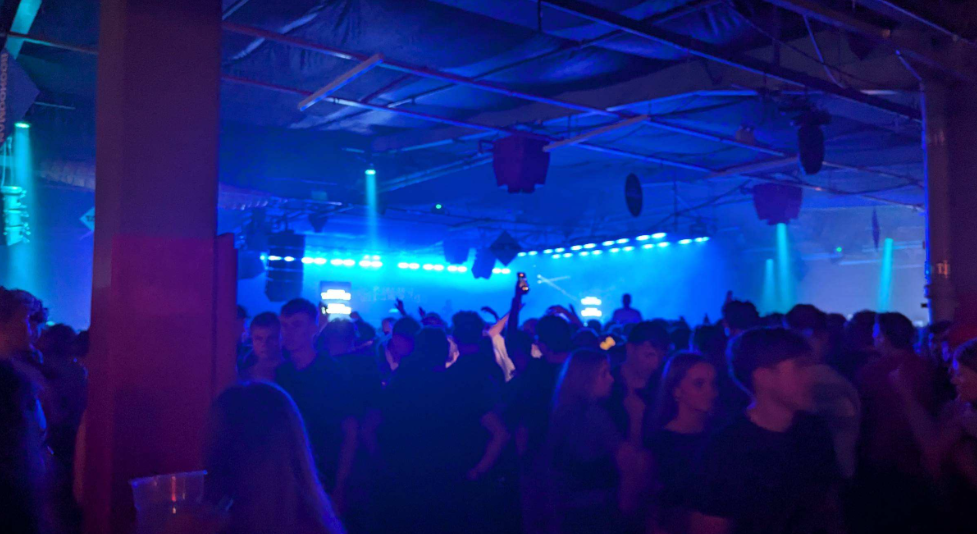
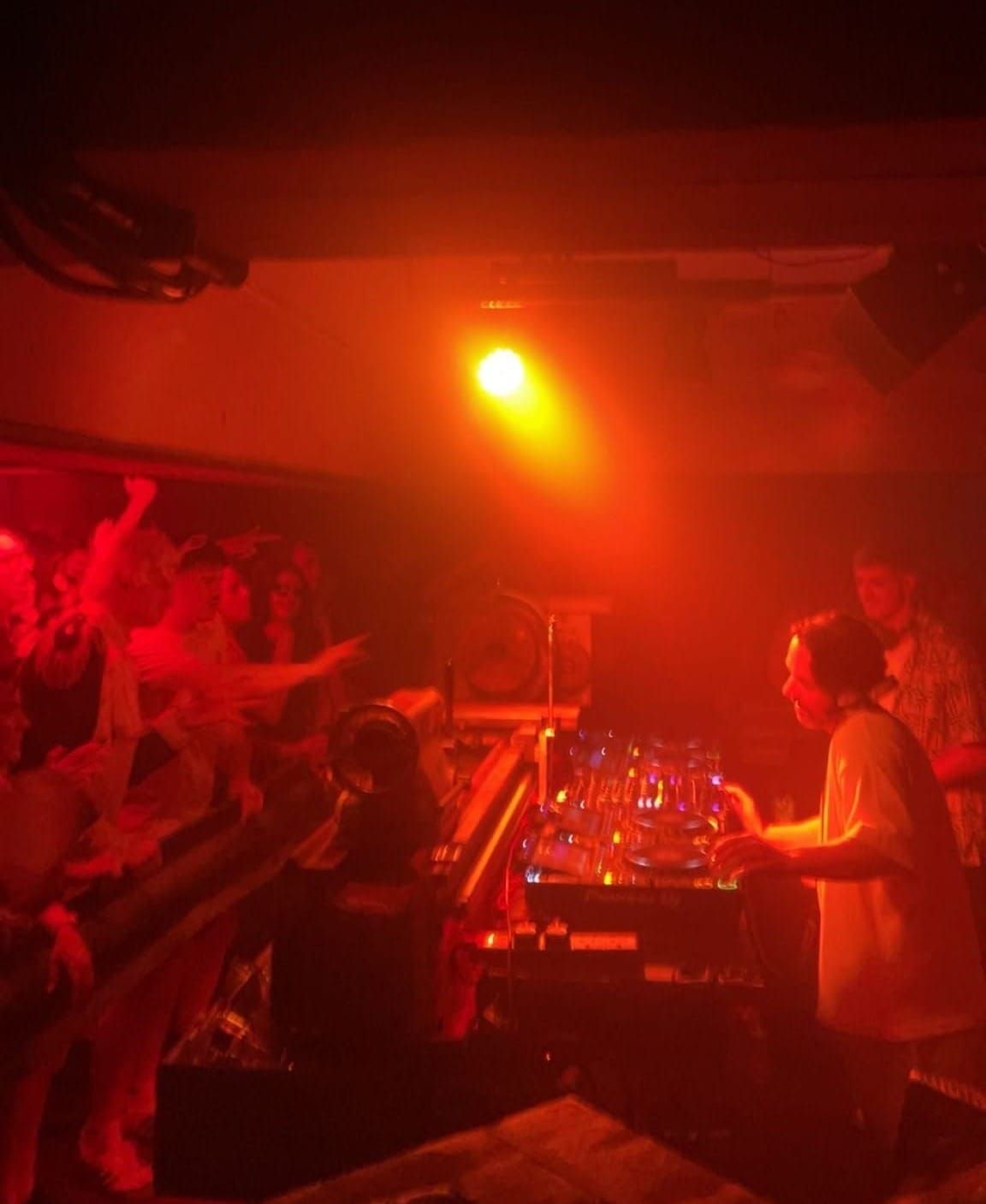
Take the case of nightlife. For better or worse, drinking culture and nightlife is now deeply ingrained into the university experience where saying no to a night out can feel sacrilegious at the best of times, and although this doesn’t just affect disabled people, the weighing up of going out or not is a burden entirely unique for disabled students.
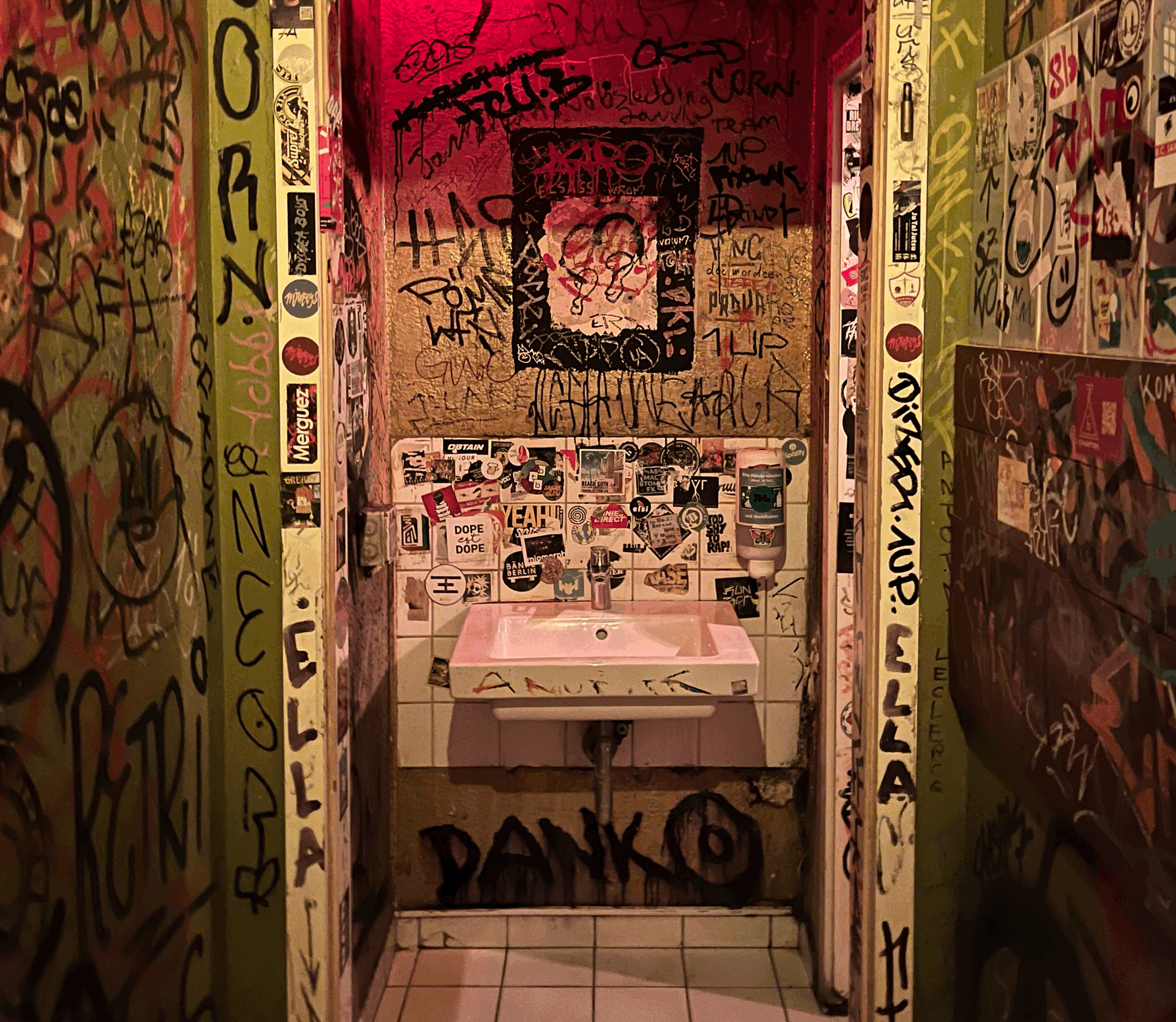
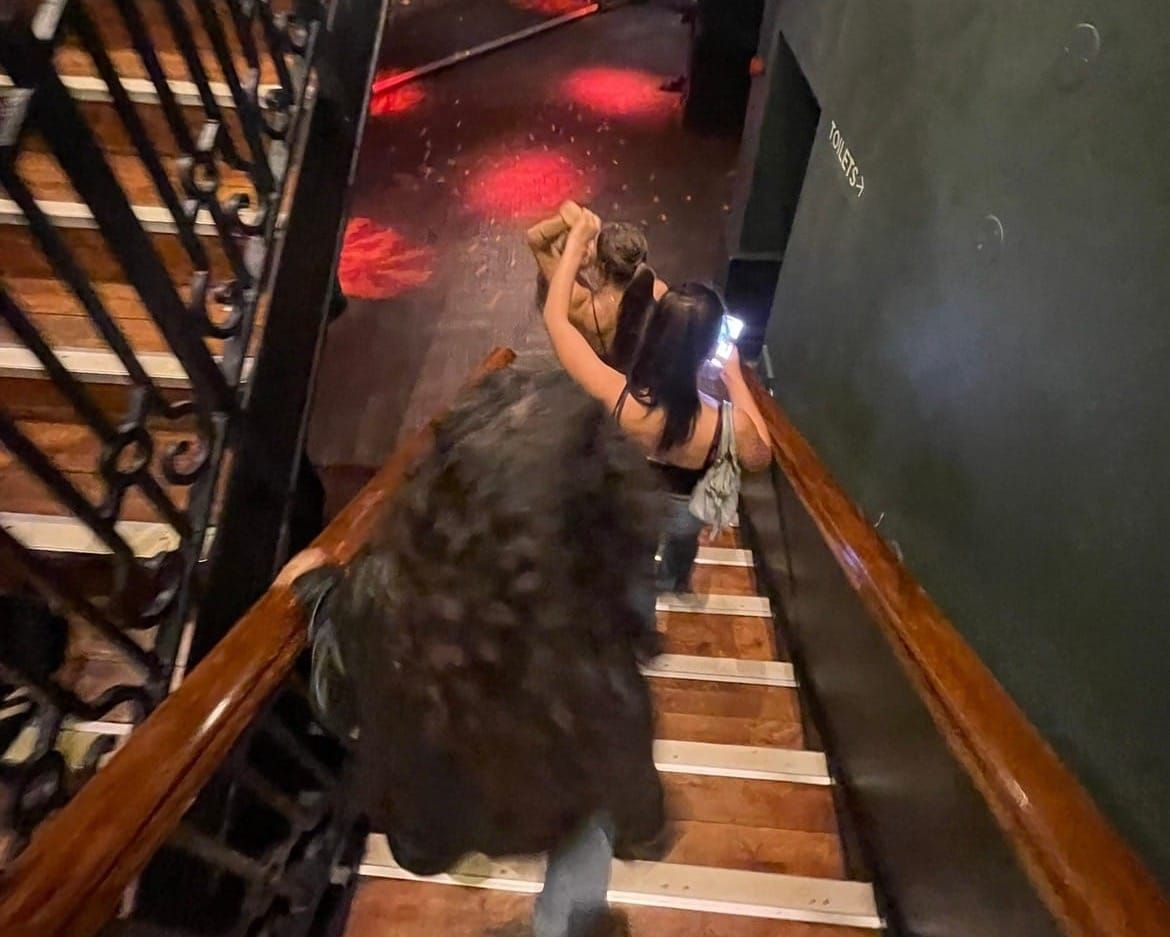
Spontaneity and disability are parallel. You can’t just go clubbing or to the pub with a disability, it becomes a captains log on a boat with water damage: just keeping note of how long it will take to sink. Financially, the burden of an Uber leans over everything and when someone mentions ‘just walking back’ from a night out (you live in Montpellier and went clubbing at Thekla). You either have to admit defeat and grit your teeth for a walk home from hell or sheepishly ask your friends to split an uber instead.
The whole night is doomed from the beginning with the chemistry of balancing medication and alcohol, pres on the other side of town, dancing with friends through gritted teeth, and finally making it home to spend the next two days recovering. And the worst part is you’d do it all again, because even though every night is a maths equation of feasibility, you still just want be a student.
Unfortunately, the problems don’t stop with socialising.
The historic 19th century Bristol campus isn’t always going to be accessible for disabled students and while on the main, the university aims to create an accessible environment for all, it can sometimes feel like the layout was designed to slowly dissolve any aspirations of ability equality. Senate house holds the unofficial record for the slowest lifts in the world, which often are completely full (adding another half hour onto your wait time), while Woodland Road and the Priory Road complex offer a beautifully designed minotaur-esque maze with at least three broken accessibility entrances at a given time.
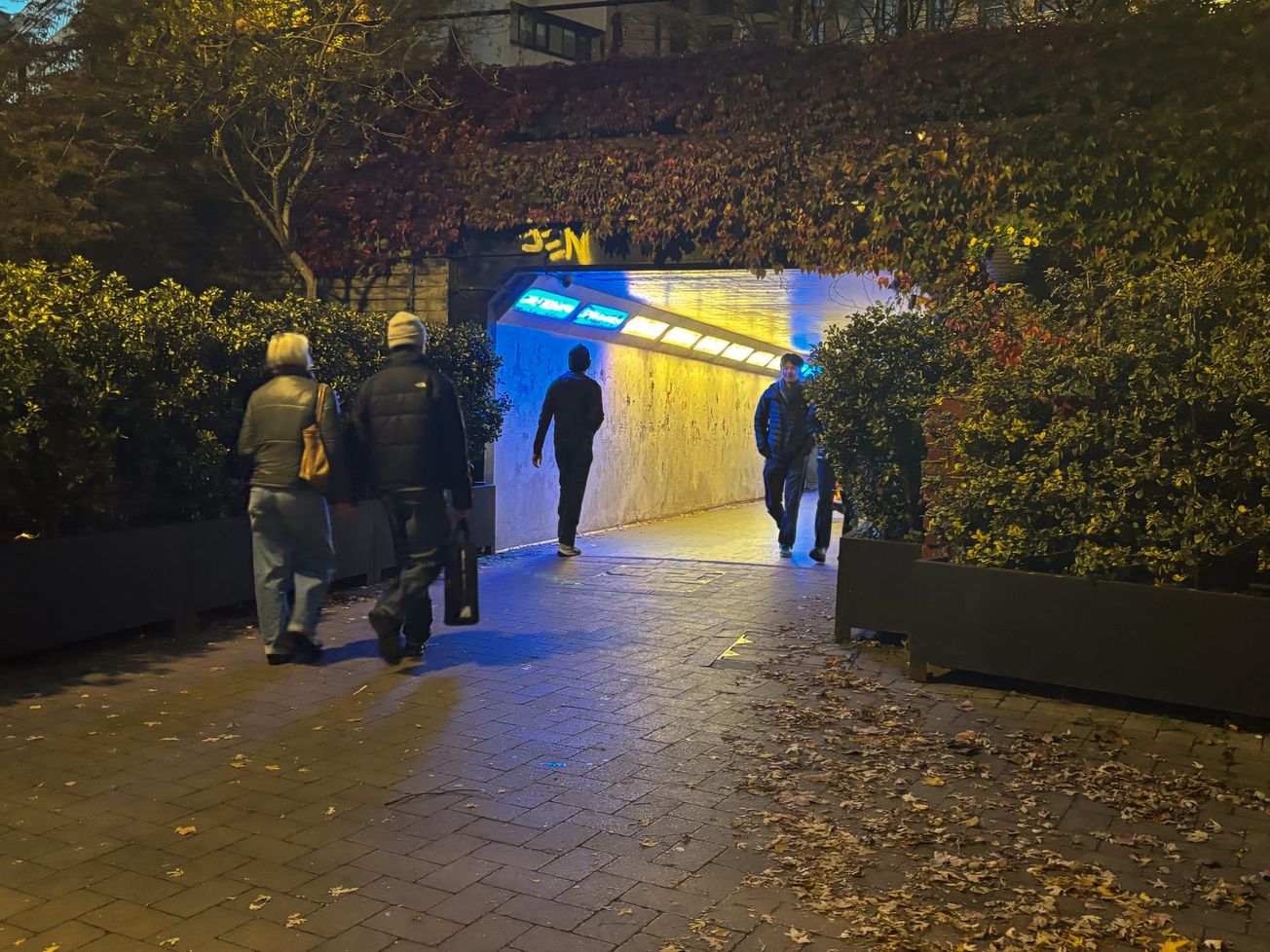
The pathways around the university and within the city like to play geological Jenga with broken tiles and uneven surfaces that might seem charming to the average pedestrian, but once again make disabled lives even harder. By the time you’ve tripped into the right building, it’s back to seminars and lectures where you’re in enough pain to be considered a medical study, but currently it’s more important to find the correct blackboard folder for your essay.
A lot of the time when these points are raised, there is often a remark about choosing a city not known for its functionality over perhaps a more laid-back university experience. There is always a hint of gleeful presumption when someone says that, as if perhaps in your handicapped state you accidentally picked the hilly city and therefore have no reason to complain.
This is ridiculous; completely undermining one the biggest challenges disabled people are trying to overcome: why should we have to compromise for a world designed to ignore us?
The short of it is that Bristol (both the city and the university) is not accessible for disabled students, particularly those with mobility problems. Despite this, I chose Bristol because I wanted to study here, the same as any other student in the city and I would like to believe that is a good enough reason. Perhaps, the city will improve and accessibility become common practice, but for now, one can only hope that it isn’t raining tomorrow.
 Emma Yeo

Featured image: Epigram / Erin Disney
How accessible is Bristol to you?