By Rosie Napthine, Third Year, English
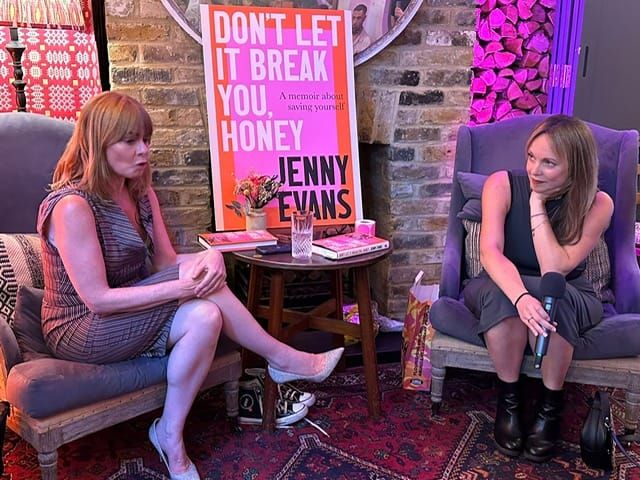
I interviewed author and journalist Jenny Evans, ahead of her talk at Clifton LitFest about her book Don't Let It Break You, Honey. We discussed the creation of her book and the vulnerability in writing it. It raised important ideas on the impact of trauma and how Jenny managed to regain control of the heartbreaking events that occurred. There is a focus too on the power of the female voice, and the importance of letting it be heard.
Rosie Napthine: I've noticed your writing style is so conversational. Did you find that writing on your own experience lent to this, or did you consciously make it feel so personal?
Jenny Evans: I read a lot of memoirs before I started writing, trying to dissect how other people wrote good ones. And doing that, I guess I worked out that a conversational style was the way to draw people in. I have a background in documentaries and if you like to write, that involves spending a lot of time creating treatments and pitch desks in different styles for different broadcasters. That tests your writing. But our own voice is your own voice. I had to accept that I'm not Maya Angelou and I'm not Iris Murdoch and I can only write like me. I hoped that if I was conversational in tone, the book became more accessible- In the end, I wrote for the young women who have been made to feel like shit.
It's a cliche, but it's the book I needed to read when I was that young woman. I've put in all my errors and the funny bits.
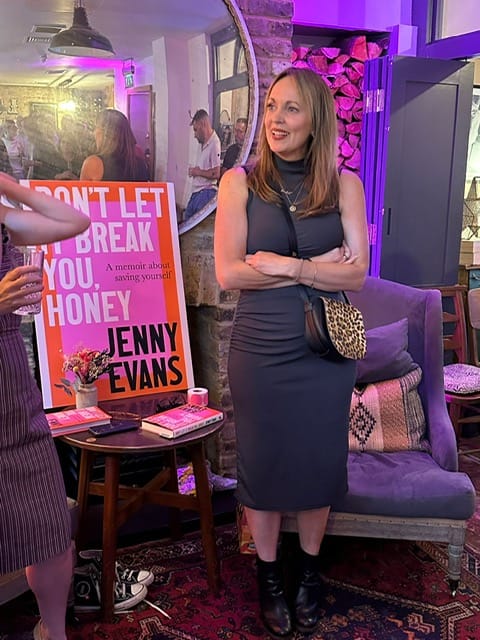
Rosie Napthine: It does feel very vulnerable how you've written it, but powerful too. Leading on from that as well, did you find the writing process easy? Did you find that you could just sit down and write and get a lot out?
Jenny Evans: I think I found it easier than you might imagine because I'd been thinking about this stuff for years. As you do with anything traumatic. The worst thing that can happen when you disclose sexual violence is that you're shamed for doing so. It is so hard to speak. When I did so, thinking I was helping to stop a predatory man, I was shamed on a national scale. The core of what I'd told the police, in confidence of course, was printed in a national newspaper. It was absolutely annihilating to realise that what I thought was courage, in saying what I knew and what had happened, those with power in the tabloids and at the police did not think was worthy enough of respect to respect my confidentiality.
So when writing the book, it was cathartic to finally say, 'This is what actually happened.'
Rosie Napthine: Did you find that investigating what happened allowed you to reclaim some control?
Jenny Evans: Absolutely. I had been shamed and disempowered and disenfranchised, firstly by The Famous Man, as he is known in my book, and his friend, and then by the papers and the police. I trained as a journalist to find out how my secrets ended up in the tabloids, to regain some of the control I had lost. And that is why I have since trained in law, also. Writing the book 20 years later was my way of finally taking full control of the narrative of my life.
Rosie Napthine: Was there an active decision in it becoming a book as opposed to other media?
Jenny Evans: I flirted with the idea of a drama or a documentary, but it's very hard to make a documentary when you're concealing somebody's identity, as I have with The Famous Man in my book, for legal reasons- I stopped talking to the police and the case collapsed, so I didn't get my day in court. A book is perfect because it's long form and allows me my own voice. But it came about slightly by mistake.
I happened to be talking to a literary agent Jemima Hunt about some writing I've been doing about the death of my daughter. She specialises in memoir and she's phenomenal. I was so furious about a documentary that was being made about The Famous Man that I emailed her and said, "I've got this other story actually. I don't know if I can legally tell it, but I really want to." I sent her a paragraph. She wrote back, "You don't get an email like that every day. Can I can I talk to you?" That's how the book came about. Rage again. It seems always to be rage that tips me into action.
Rosie Napthine: I think there's something amazing in you telling your story, allowing others to feel like they don't have to hide it as well.
Jenny Evans: I barely know a woman who hasn't experienced some form of sexual harassment or violence, and we don't talk about it because it comes with a healthy dollop of shame. But there is power in community so it's so important to normalise talking about it.
Rosie Napthine: Yes, definitely.
So, Saturday's talk at Clifton LitFest. You living in Bristol, does it feel like there's some sort of vulnerability in talking about it in the place that you live?
Jenny Evans: No, I'm very happy to do that. Bring all the students down. Let's get all the feminists in. Share the book. I think it's great. It makes me vulnerable to talk about it, but there is strength in vulnerability. That's the thing I learned from Maya Angelou, who I met when I was a teenager, and who whispered 'Don't Let It Break You, Honey' into my ear, which became the title of the book. More than anyone I've ever met, Angelou wore her vulnerability with pride and strength. And we are vulnerable as women, but there's strength in joining together. There's strength in naming what's happened to us and saying it's not okay.
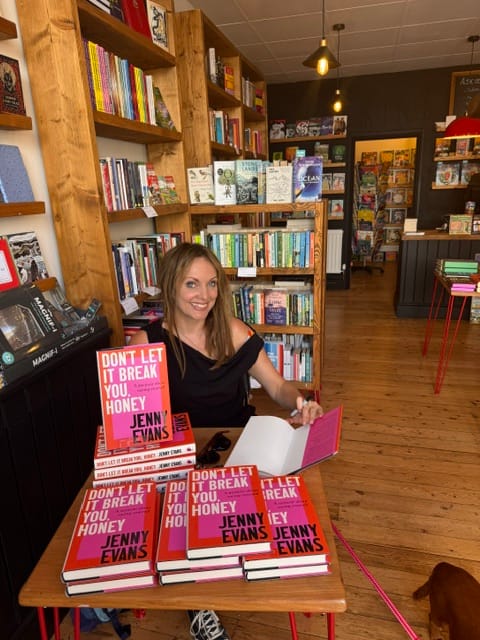
Rosie Napthine: That's the end of my questions, but is there anything else you wanted to discuss at all.
Jenny Evans: It's tricky to get into journalism now, but it's so important that a diverse range of people come to it; that we hear women's voices and that we help one another. We need to hold each other up and celebrate each other's stories.
Rosie Napthine: It’s been suggested that in a few years’ time that written journalism might not be so popular. What do you think about the future of journalism?
Jenny Evans: I don't know what the future of journalism is. Funding has been shrinking, and investigative work needs funding, but it doesn't always need a lot. One person can pick up a phone, hit the road, do some online research. I hope platforms like Substack will allow us to keep going because you're paying journalists directly. So, keep looking for stories and speaking out when you feel you should.
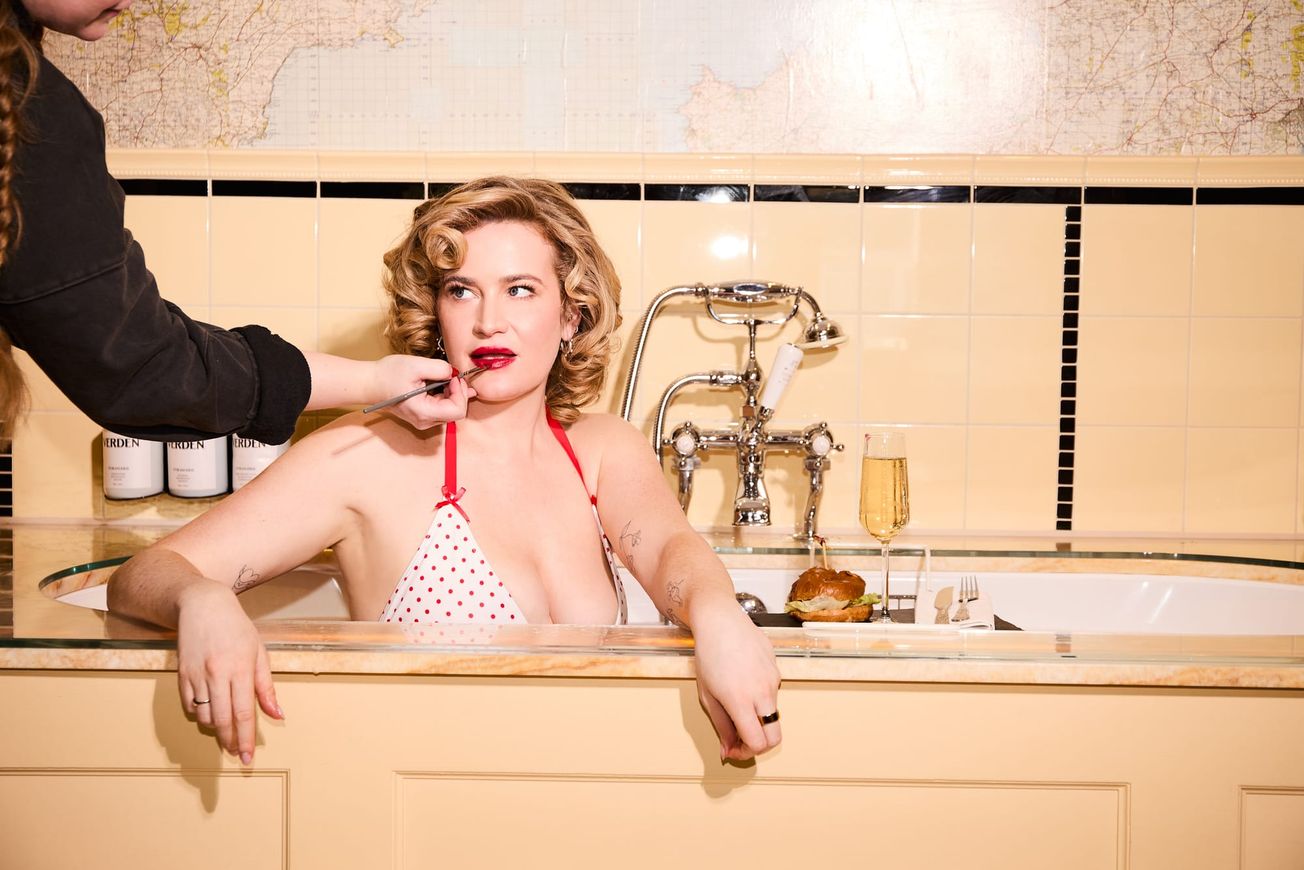
Feature image by: Jenny Evans
If you would like to hear more from Jenny Evans, tickets are available for her Clifton LitFest talk on Saturday, November 14 at www.foccal.com.