
When Newcastle United hosted Liverpool in August, viewers were shown 2,702 gambling messages - more than 12 messages a minute- with betting branding visible during almost 41% of the broadcast.
These figures come from the fourth annual audit by University of Bristol researchers, who analysed every Premier League match broadcast live in the UK across the opening weekend, along with 15 hours each of Sky Sports News and TalkSport, and the social media output of the ten largest gambling companies. In all, they recorded 15,571 gambling messages. That is down from last year, but still 41.57% above the 10,999 recorded in 2023, when tighter regulation was anticipated. During live matches, branding was visible for 5 hours and 16 minutes, nearly a fifth of broadcast time. Pitchside advertising accounted for 72% of messages.

The season’s largest reform, a ban on gambling logos on the front of shirts, virtually eliminated them from shirt fronts, though its contribution to overall reduction in use of these gambling services was estimated at just -10.5%. Branding on shirt sleeves and training kits rocketed by 362% in response. TalkSport listeners heard at least one gambling advert per commercial break, and 93% of online gambling marketing was not clearly identifiable as advertising. Dr Raffaello Rossi, one of the researchers, was direct regarding the industry code for digital ads:
‘A system in which the industry can rewrite it's own safeguards whenever difficult questions are asked, without notice, supporting evidence or independent oversight, is neither transparent nor rigorous’
The comparison with other countries suggests no inevitability to this phenomenon. Premier League broadcasts carried an average of 2,449 gambling messages per game, versus 1,677 in the German Bundesliga and around 500 in equivalent US and Canadian leagues. Gambling exposure on this scale is a regulatory choice of the Premier League, not a feature of football.

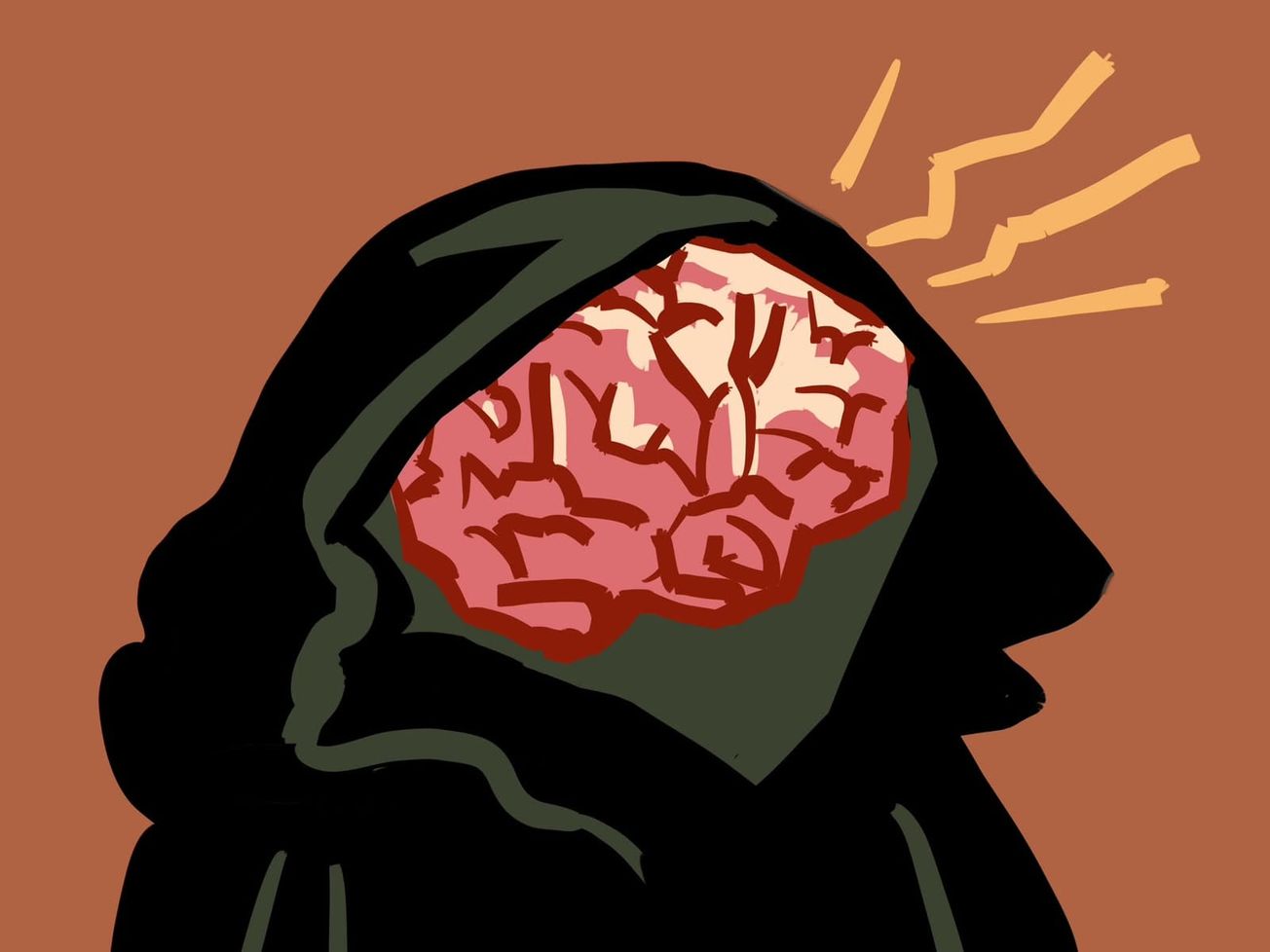
What is the biological and psychological significance of this? Gambling disorder shares its machinery with drug addiction. The dopamine system codes reward anticipation, and is dysfunctional in gambling disorder. It fires hardest not when people win, but in the moments before a possible win. Near-misses recruit the same reward circuitry as genuine wins, and the more severe someone’s gambling, the stronger their midbrain response to those near-misses. Variable rewards and near-misses keep people chasing a win that the maths says will not come. For such a brain primed to chase unpredictable rewards, each gambling message is a cue. Thus, a Premier League match becomes an environment saturated with triggers, with simple in-play apps making it easier than ever before to act rapidly on these triggers.

The mental health consequences are measurable. In a survey of 2,302 UK university students, 8.1% screened positive for gambling problems, with links to drug use, drinking and previous suicide attempts (Dorey et al., 2026). In Bristol, the ALSPAC cohort study found that at-risk gambling between 17 and 24 was associated with roughly double the odds of depression, alongside higher odds of criminal involvement and drug use (Emond et al., 2019).
These harms disproportionately impact the group least equipped to manage them. Of the 153.2 million UK accounts reached by gambling brands’ Meta adverts, 18-24 year-olds accounted for more than a tenth of the total, with over three quarters being men. In other words, a large share of the people those adverts reach are students, a large proportion of whom are surviving on a maintenance loan. This means an unpredictable gambling loss comes out of a disposable margin that simply does not exist. This is where mental health damage enters. Student research links gambling to psychological strain, academic underachievement, and depression, as well as anxiety scores in young adults rising alongside gambling severity. The stress of losing makes the next bet more tempting, continuing the cycle. 12 gambling messages a minute is an industry purposefully spending to reach the demographic with a high-stress life stage and a small budget.

In theory, regulation should interrupt this. In practice, the front-of-shirt ban caused substitution, not reduction. This is why public health voices and researchers argue for statutory restriction rather than industry self-regulation.
 Eluned Darwin Goss

 Liam Curran
For students who need help imminently, GamStop offers free self-exclusion from online gambling, the National Gambling Helpline (0808 8020 133) is free and open 24 hours, and the University’s wellbeing services can provide confidential mental health support.
Feature Image by Flikr / Diego Sideburns
How often do you have a bet on the game, how do you feel after?