By Erin Disney, Third Year, Politics and French
It is a truth universally acknowledged that Jane Austen’s writing always makes for a great film adaption. Beloved by almost everyone who watches them, the Austen adaptions provide romantic windows into the Regency era. This period only grew in popularity with Netflix’s hit series, Bridgerton (2020-current) and, while it would be unfair to say that this is a recent development (200 years of Jane Austen say otherwise), the world has seen a steady increase in period films and dramas post-2020.
Films based between 1800 to 1900 are what we typically think of as period pieces, however, it's important to note that ‘period piece’ can refer to any media set in a specific timeframe (e.g. Peaky Blinders (2013-2022), Monty Python, and the Holy Grail (1975)!) But within this time frame, the Regency era is overwhelmingly represented, especially with its huge influx in cinema recently. This spans from Emma (2020) to the gothic resurgence of Frankenstein (2025) and Wuthering Heights (2026) to Netflix’s Bridgerton (2020-2026) and the upcoming Pride and Prejudice drama (2026). Why are all these film studios so eager to produce these historical fictions?
Well. It’s a bit complicated.
Nostalgia, of course, stands out as a pretty big factor. At its heart, these films are romantic, offering a soft colour scheme, gentle music and the rolling hills of rural Britain. It’s a time where the richest man was only a millionaire, there’s no such thing as AI, and the only thing worth thinking about is the yearning man stood on the side of the ballroom watching the heroine dance.
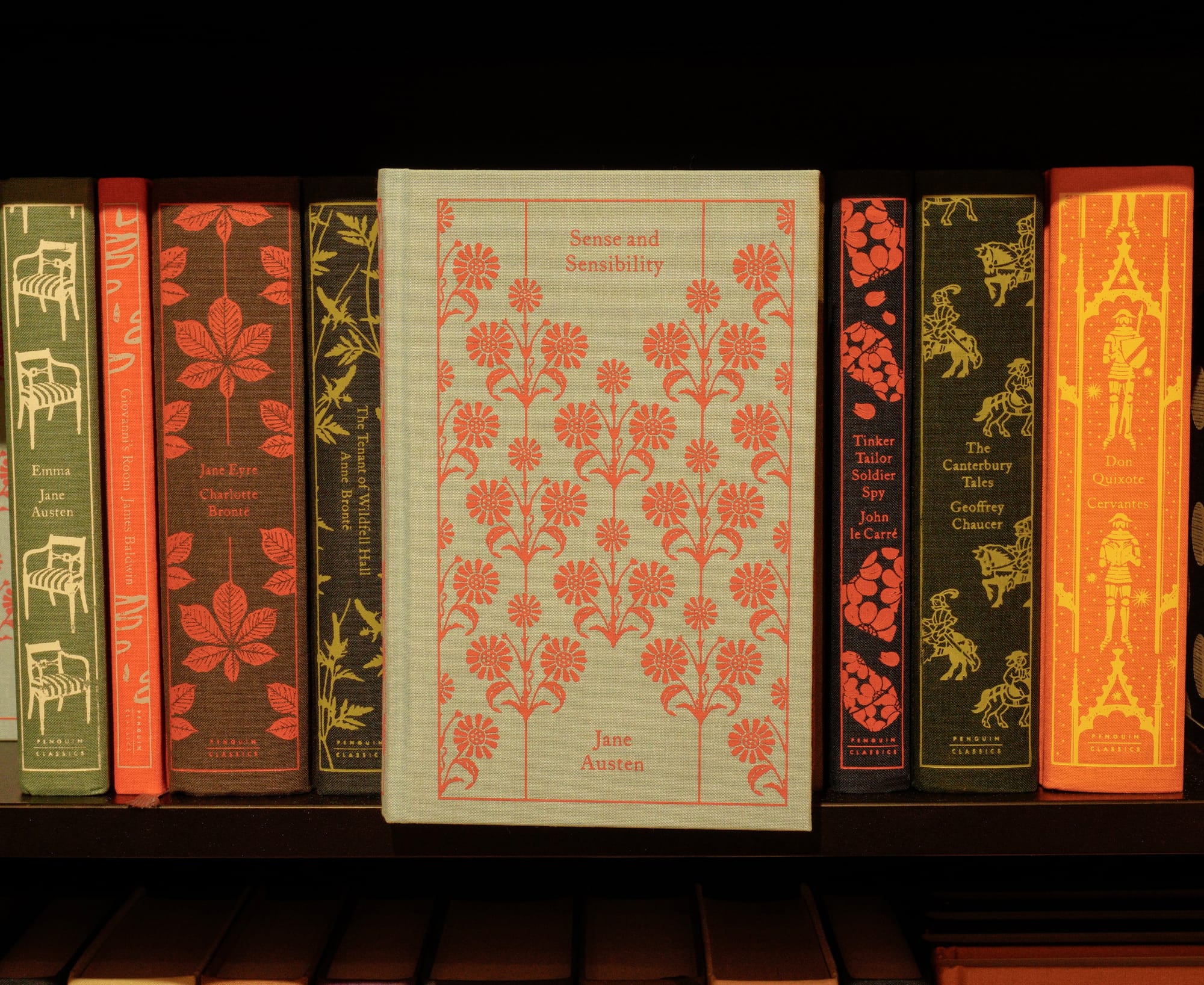
While it’s a time period that none of us have experienced, it still feels oddly familiar. Looking to Sense and Sensibility (2026), we have Marriane Dashwood’s whirlwind summer romance in which she ignores all advice in the name of true love. The charming Mr Willoughby who ghosts her and ends up with a new girl just weeks after he last sees her... and the fall out to happen at a friend's party. It’s a painfully relatable story, reminiscent of many relationships today, and in the same way that the Regency folk would have their “odd” dating customs, the terminology and behaviours we have today will probably seem bizarre to the next century. Failed talking stage? Nah, it's the suitor you met who didn't respond to your letters.

Unlike the sci-fi and superhero domination of cinema in the 2010s, period films create an environment where, for even just a small part of our day, we don’t have to think about our future. We can unwind with the reminiscence of what has happened. While the 2010s were characterised by quick technological change, huge social movements and the belief that things would keep getting better (or what TikTok has affectionately called “Millennial Optimism”), the 2020s were struck with the horrific global pandemic that halted the world for over two years and took millions of lives. Then in 2021 a mass mob of far-right extremists, urged by the President, attacked the U.S. Capitol in Washington DC. That same year, the Taliban overwhelmed the Afghan government and implemented the most extreme patriarchal government in the world. Not long after, Open AI released Chat GPT – the world's first freely available AI and suddenly the futuristic techno-dream was a lot closer to fruition.
Perhaps this is why audiences became hesitant to watch media centred on the future. The once farfetched tropes of Technology and Sci-fi suddenly feel a lot more realistic. A global apocalypse, Rogue AIs taking over the world, and extremist governments don’t feel particularly unattainable right now. Much like how the Regency period lost its romantic idealism to the looming industrial revolution, we’re watching as machines edge closer towards our limited future.
With this in mind, sitting on the sofa to watch Austen and avoid the stress of the future seems like quite a nice idea. However, is daydreaming about the past as beneficial as it first appears to be? Romanticising the Regency era might be nice, but it isn’t particularly good for us; we're walking a very fine line between escaping to the past for comfort and actually adopting the customs and thoughts of these periods that were themselves rife with injustice. The long battle for the abolition of Slavery, the continued occupation of many countries by the British Empire, a Regent king who taxed the common people to near starvation, and – despite what the films suggest – a complete lack of equal rights for women.
We have to ask the question: is surrounding ourselves with media where colonialism is at its peak and women are reduced to their ability to marry healthy for us?The right-wing Tradwife movement arrived not long after Bridgerton was first released and, retrospectively, the timing feels alarming. Just as we were watching a show about women trying to find a husband and daydreaming about the Regency era (where women had few rights), extremists online were telling young women that the feminist movement had lied to them; it was their biological destiny to stay home, have children, and wait on their husband.
Then you get films like Wuthering Heights (2026) where director Emerald Fennel successfully manages to reduce Charlotte Brontë’s classic novel about the restrictions of race, class, and gender in the early Regency into a sadomasochistic soap opera that focuses on making Hollywood's biggest actors have an abusive relationship while listening to Charli XCX. Its moments like these, as both an audience member and as a classics fan, that remind me just how dangerous romanticising the past can be. It’s a nice place to visit, but when you start marketing the Regency period across streaming platforms and film studios as a place of whimsical women falling for a dark brooding man, it gets harder to remember the dark reality of the 19th century. In a time where technology seems to be going forward at the expense of civil rights it’s hard to not be worried about the influx of films centred on marriage, children, and women as passive beings.
This isn’t to suggest that the period piece is inherently bad. The genre is relatable in a way that lots of media fails to capture. It shows the tragedies and highlights we so often experience in our own lives in a repackaged and more digestible way. It’s arguing with your sister even though you love her. It’s friendships rocked by factors beyond our control. It's financial trouble and worrying if you can afford the life everyone else seems to have.
 Georgie Ashford
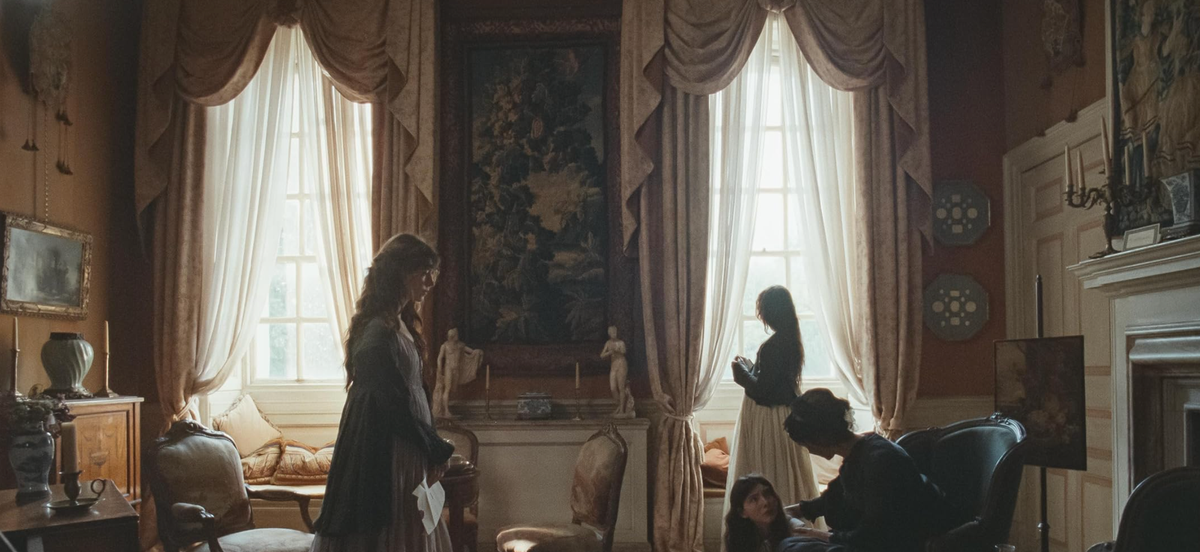
In truth, much like the heroines we see across period pieces, it’s easy to feel hopeless against what life throws our way, especially when the world feels so much smaller compared to the one steadily approaching. But, if we spend all our time imagining how things used to be rather than focusing on what they could be, we risk the Regency era making a comeback – and this time not just in our cinema.
Feature image by: Romina Trevino
Have you watched any period pieces recently?