By Freddie Harrison, Second Year, History
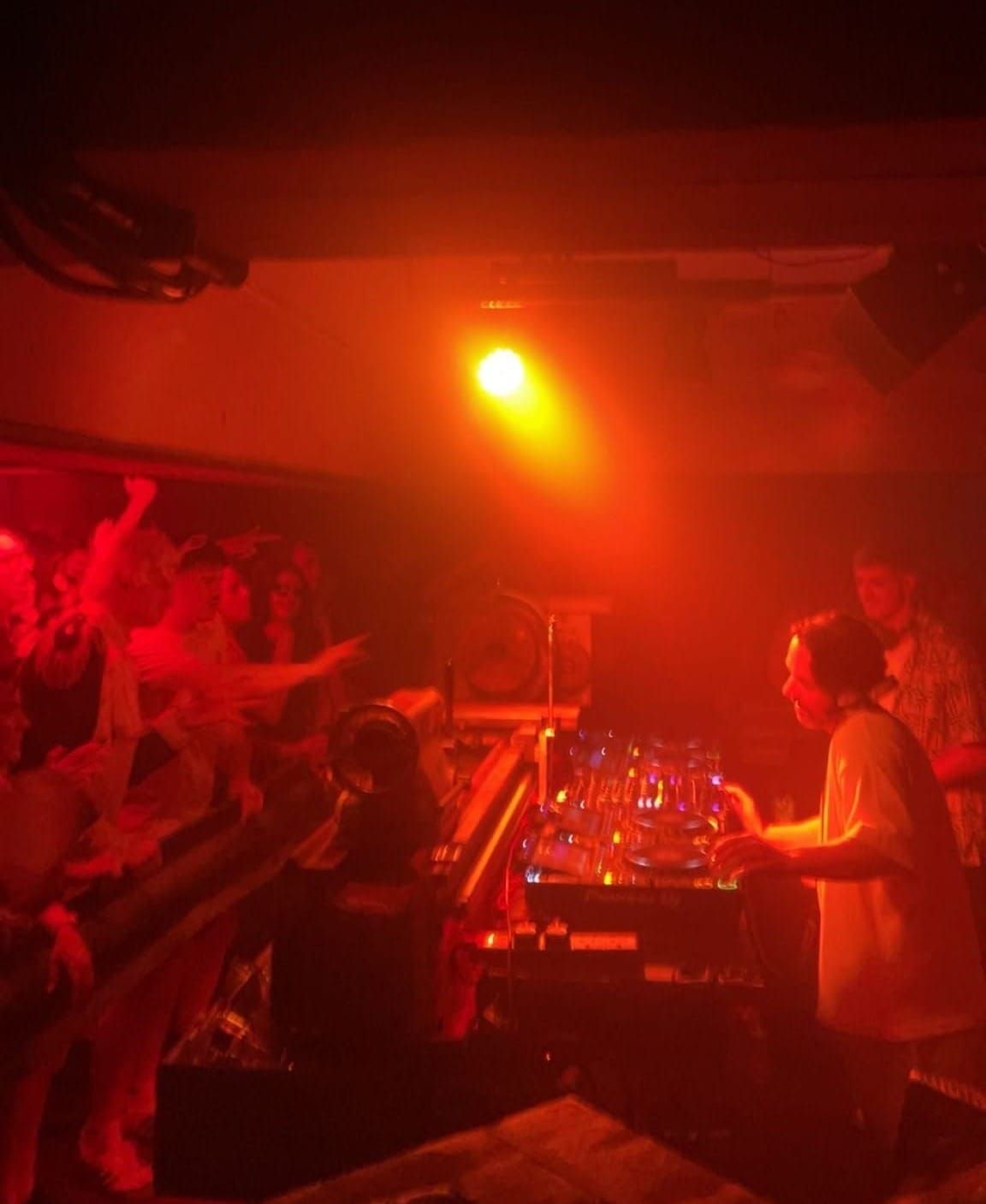
The Bristol Night-Out. It comes in many forms, is inescapable, and is probably the reason half of you are at this university - although, when clubs offer magic bouncers and projectile Maccies, who can blame you?
The ostensibly ever-present late-night scene in Bristol can give the impression that it is a static and unchanging industry, however this would be mistaken. The question posed to me in the commission of this article was, ‘is Bristol nightlife having a resurgence?’ Obviously, the term ‘resurgence’ implies a descent from a previous peak, so this should be identified, before addressing the main issue of this piece. We ought to look past the 2010s and into our present decade to identify this, as the 2020s’ predecessor largely escaped the barrage of economy shifting events that have descended upon our present era. With that said, of course I am about to mention the defining event of this decade, that pesky little global pandemic, Covid-19.
Covid’s true toll came in a botched recovery attempt
I’m going to assume you were all alive for Covid and therefore do not require the obvious explanation of its immediate impact on the nightlife industry. Yet Covid’s true toll came in a botched recovery attempt, this being the omission of the nightlife industry from the government subsidised ‘Eat out to Help Out’ scheme, as well as the government subsequently rejecting a petition for a ‘Night Out to Help Out’ equivalent.
What’s more, Bristol was not immune to the eternal cycle of cost-of-living crises we seem to be facing. Initially in 2022, with Russia’s invasion of Ukraine, and more recently with the housing crisis, Bristol is an unbelievably expensive city to build in, which disincentivises the creation of affordable homes. It is part of the reason that Bristol rents have risen by 67 per cent since the 2010s.
These factors combined into a perfect storm for Bristol nightlife, as people were less incentivised to go out, and commercial rents kept rising. This came to a head in 2024, when the amount of closing announcements from the city’s late-night scene compiled a greater hit-list than Order 66. The year saw ‘brainrot’ voted Oxford Word of the Year and, uncoincidentally, ‘The Crofters Rights,’ ‘Propyard,’ ‘Gravity,’ ‘Dojo,’ ‘Chasers,’ ‘Pryzm,’ and ‘Motion’ all announce closure in some form. The impact of the aforementioned factors was best epitomised by Gravity, who stated:
‘The nightlife landscape has faced unparalleled obstacles in recent years, and Gravity nightclub in Bristol has been no exception’
‘The economic strains affecting us all, especially the younger demographics and the student community, have deeply influenced our operations’
With that statement summarising the low point of Bristol’s nightlife, let us move to greener pastures, and finally tackle that question of resurgence. The analysis of such shall be spearheaded by a fascinating conversation I had with Anesa Kritah, Head of Economic Development at Bristol City Council.
After initially establishing that the nightlife industry is an ‘integral part of the city both culturally and from an economic perspective’, and, in terms of challenges that industry faced, ‘COVID was the biggest issue’ that had an ‘unprecedented impact,’ we turned to the focus of this piece. As my conversation with Anesa spanned a wide range of themes around the nightlife industry, I have categorised them into two main factors for ease of reading, these are: collaboration and looking past economic determinants.
‘The Bristol nightlife industry benefits from an extraordinary level of collaboration between "partners"’ - Anesa Kritah
With my analysis of the Bristol nightlife resurgence being assisted so heavily by a council source, the risk of reducing the agency of other actors, such as businesses themselves, is very present. However, through my own research and my conversation with Anesa, it becomes clear that Bristol, with its vibrant cultural and creative scene, is unique. By this, I mean that the Bristol nightlife industry benefits from an extraordinary level of collaboration between ‘partners,’ as Anesa aptly described it. This is most apparent in the forthcoming Bristol Music Fund.
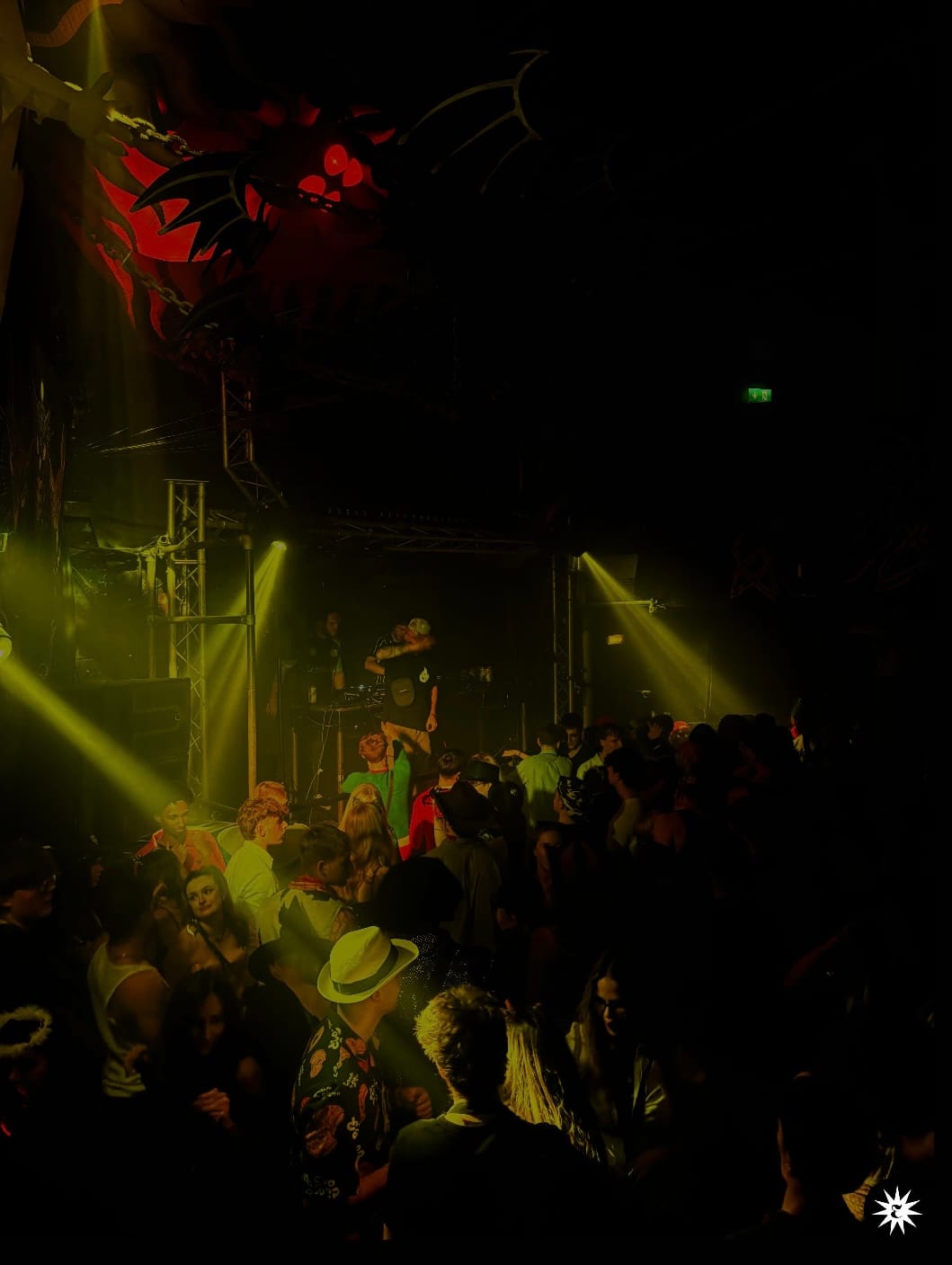
The Bristol Music Fund will be a community-led initiative, funded through a one per cent ticket levy on venue ticket sales in the city, which aims to ‘provide long-term, independent investment into the city’s music sector.’ Having spoken to Anesa about the Fund’s development from an idea, to a fully-fleshed out, road-mapped initiative, the frequency of collaboration between these partners becomes evident. ‘The first thing that had to be done was to establish if it was feasible,’ Anesa noted, in reference to the November 2024 feasibility study that established whether the fund was viable to ‘bring into reality,’ that the council acted as ‘a key partner to enable industry to come and engage in a concept like this.’ The subsequent decision to allow such an important scheme to be community led really reflects the sense of quintessentially Bristolian shared culture and collaboration. With the Bristol Music Fund winning the International Music Cities award for Best Policy in the summer, the collaboration, Anesa described, has contributed to the industry’s resurgence.
Whilst the question of ‘resurgence’ has largely been tackled from an economic standpoint thus far, my conversation with Anesa led to the important realisation that the improvement of safety and the nurturing of a co-operative culture must also be considered. City-wide safety schemes, foremostly, allow people to feel free to enjoy the incredible nightlife scene the city has to offer, knowing they have support systems in place, and also lay vital groundwork for economic improvement. Bristol has long been a city that stresses the importance of safety, with initiatives such as Bristol Rules, which is largely aimed at the universities in the city, and the Women’s Safety Charter, largely aimed at businesses. Anesa stressed that, ultimately, ‘going out after dark is a great thing… and those initiatives, they help the students and the culture.’
Indicative of Bristol nightlife growing, the Bristol Business Improvement District (BID) has recently opened the Bristol Safe Space at Night. This is a space on the city centre promenade that, on Friday and Saturday nights, ‘is there to give people a helping hand while enjoying a night out in the city centre.’ Having been completely unaware of this before Anesa mentioned it, I felt it important to include in this article, as it resoundingly emphasises the direction Bristol nightlife is being taken in. The nightlife industry is treasured in this city, and schemes such as the Safe Space are there to assist in the Bristol experience, rather than pose a direct challenge to industry. Anesa corroborated this view, emphasising that ‘we have a vibrant nightlife, we’re promoting that, [the Safe Space] is a really, really brilliant example of business working with…public sector bodies… to achieve that collective aim.’
To wrap things up, it is important to note that issues beyond the nightlife industry persist, and in some cases have exacerbated. When questioned about how these could be eased, Anesa expressed the frustration likely felt by many council representatives across the country as, apart from methods such as lobbying, local government largely lack the ability to wholly solve these issues. However, with strong signs such as Motion and The Croft reopening in the last twelve months, Bristolian collaboration seems to be working, and the nightlife industry is resurging ‘100 per cent,’ as Anesa concurred, and getting safer. So, get out and enjoy it!
 Freddie Harrison
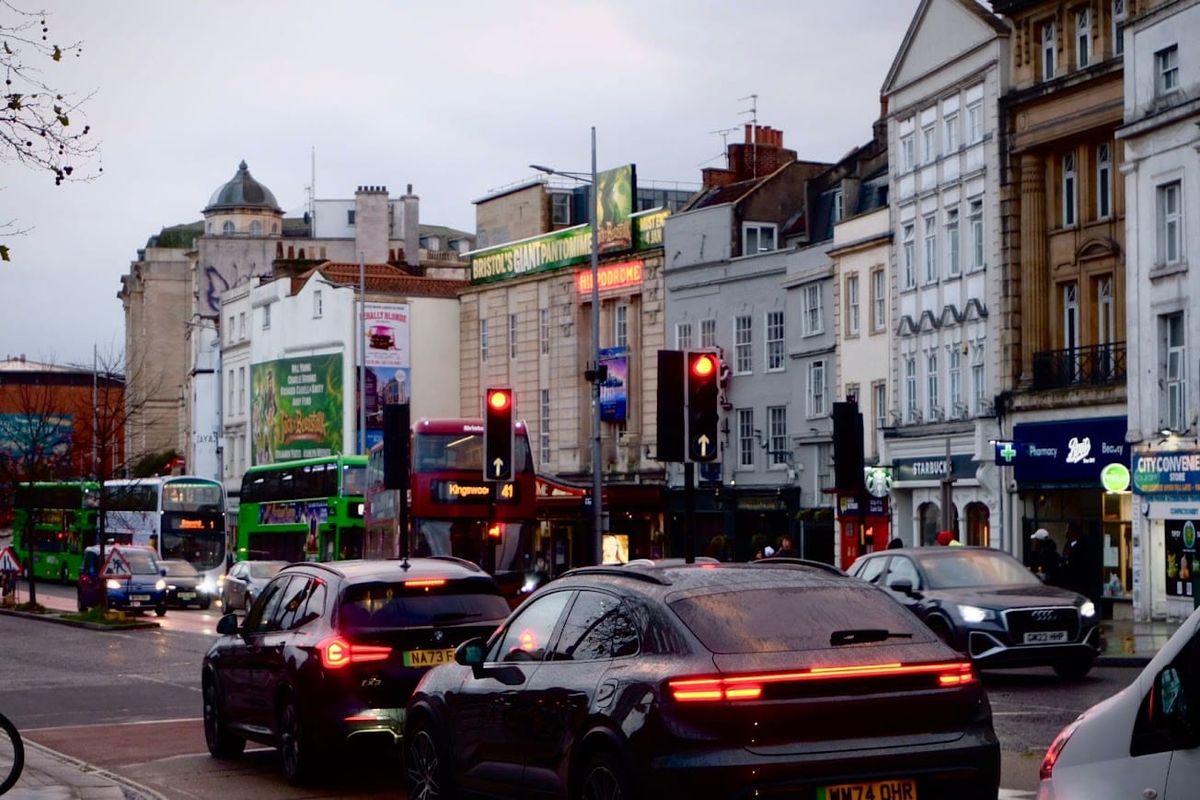
 Sophie Robinson
Featured Image: Epigram / Luke Buckland
What could Bristol be doing better to nurture its nightlife scene?