By Charles Hubbard, Film & TV Deputy Editor
For a play that’s been around for over 400 years, Romeo & Juliet sure is having a moment right now. Even before the much-publicised Robert Icke West End production starring Sadie Sink and Noah Jupe as the star-crossed lovers, such name-brand auteurs as Jamie Lloyd and Rebecca Frecknall tried their hand at the Bard’s most famous play with rising stars and major London venues.
And yet Ben Duke’s new conceptualisation of the story, created in conjunction with Lost Dog Dance, tries to make them all look very silly - with limited success. Duke vehemently proclaims the slight that every over-opinionated 13-year-old schoolboy has blasted at the text when it was thrust in front of him in Year 9 English - that these horny teens would have never found a way to make it work if they hadn’t both snuffed it so soon after meeting.
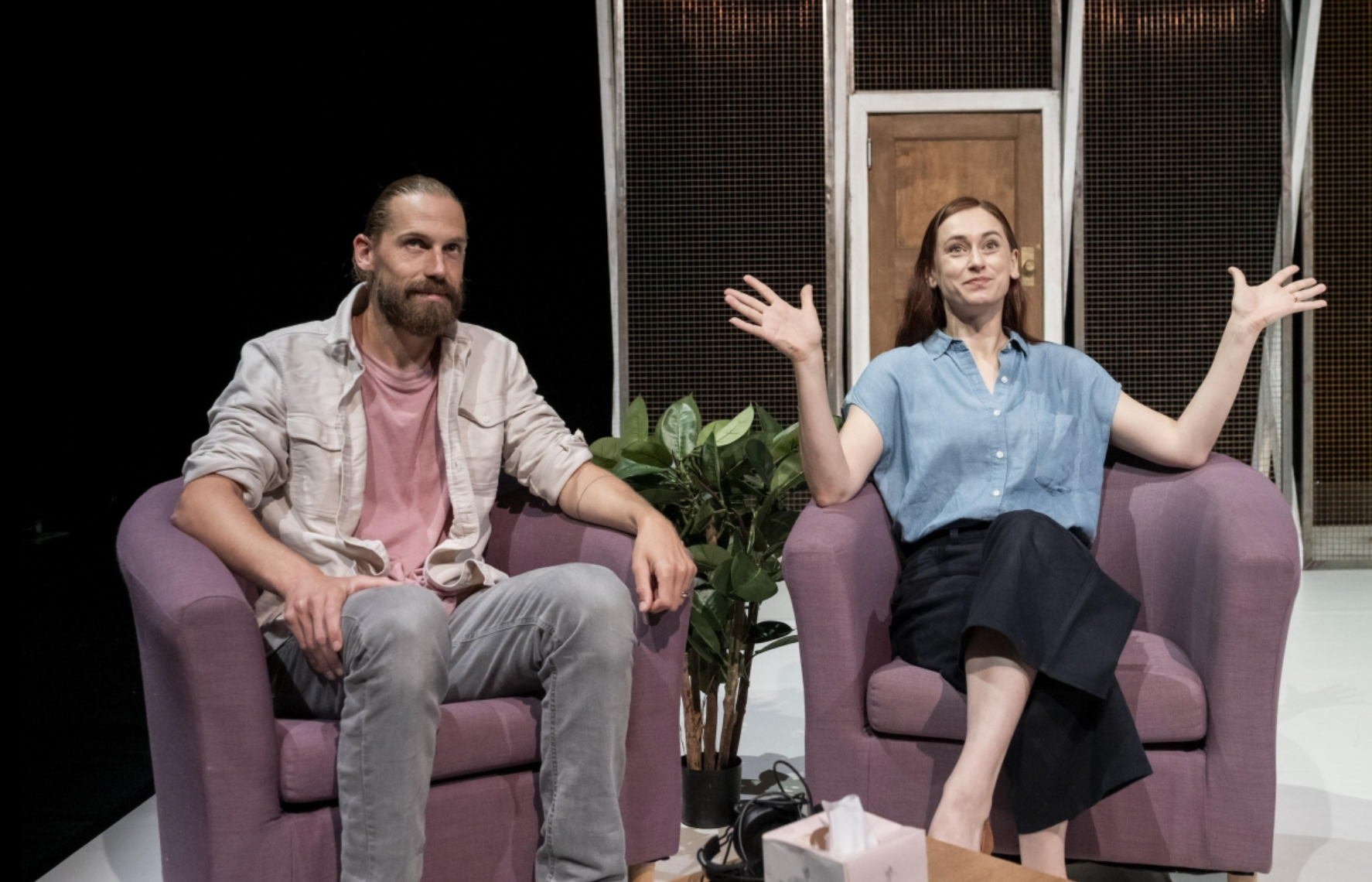
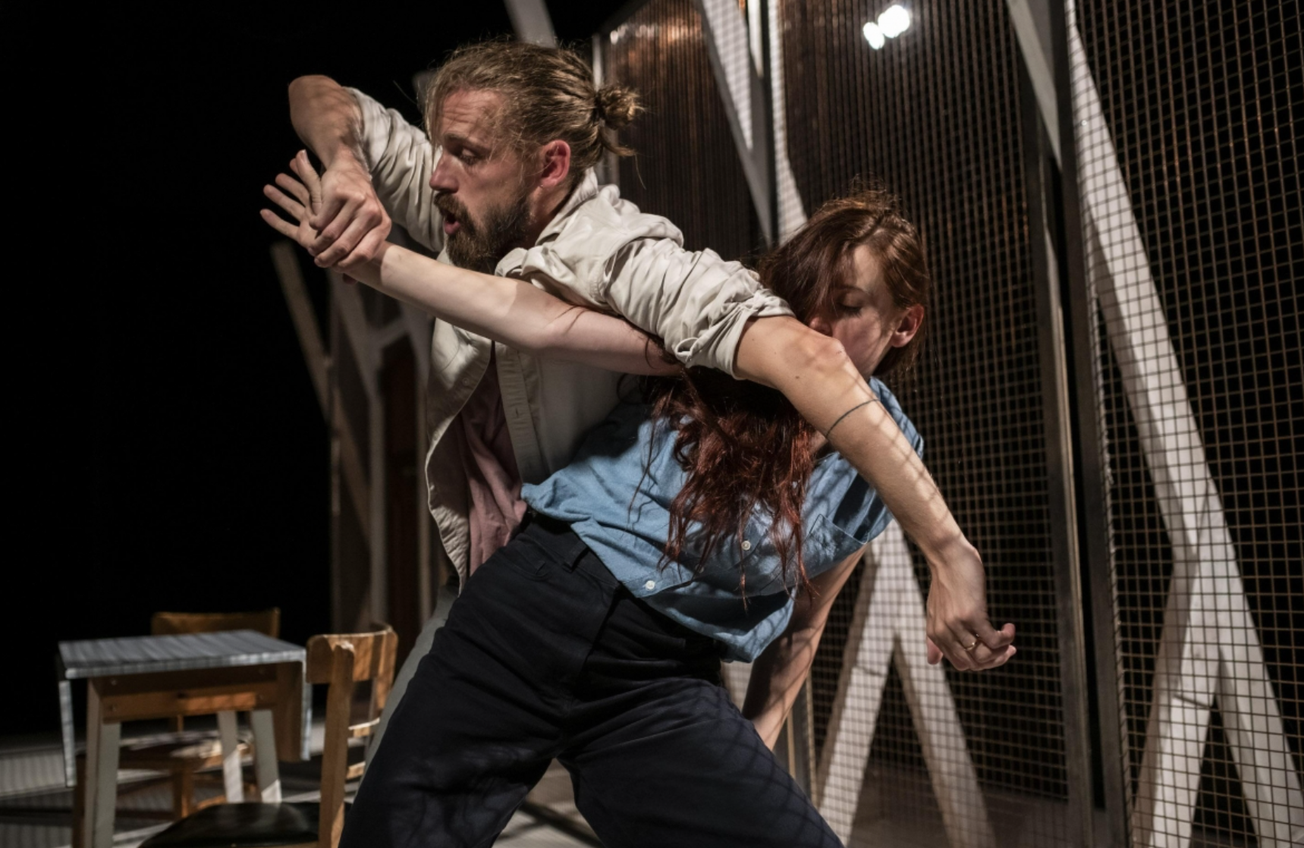
For a show that markets itself as an insufferable art piece (what with the swapped title and poster that foregrounds the more Frantic Assembly-esque movement sequences of the play), Juliet & Romeo embodies a loose, awkward comedy more than anything else. And one that isn’t too shy about making its audience feel uncomfortable. Playing fast and loose with Shakespeare’s text (and often using it to make some pretty cheap shots at the Bard’s expense), any genuine love for the original play is swiftly drowned out by Duke and chief Deviser Solène Weinachter’s need to get ahead of the joke, often making the show feel like an extended series of lampshadings and underminings. Still - we need playwrights and companies that are still willing to meaningfully interrogate Shakespeare, even if they only occasionally have anything constructive to say.
Juliet (played to near perfection by Emily Terndrup) and Romeo (an unproductively muted John Kendall) are having marital troubles. He’s emotionally unavailable, she’s obsessed with recreating their youth and they both have difficulties balancing caring for their daughter Sophie and maintaining a physical relationship. Pretty standard stuff. For Duke’s sake, please forget that a play that intermittently claims to be smarter than the most legendary storyteller in the English language can’t think of a more interesting wedge in their relationship than 'he can’t get it up'. After couples therapy doesn't fix what’s broken, they try to breach their emotional chasm by acting out the story of how they met to an audience. Remember that - because Duke and Weinachter sure don’t (the framing device and any notion of audience interaction is dropped swiftly after it's introduced). As they start to retell the plot of the play that’s based on their lives, it becomes clear that their recollections differ quite troublingly and that theatre’s most famous couple may not be that well-suited for each other after all.
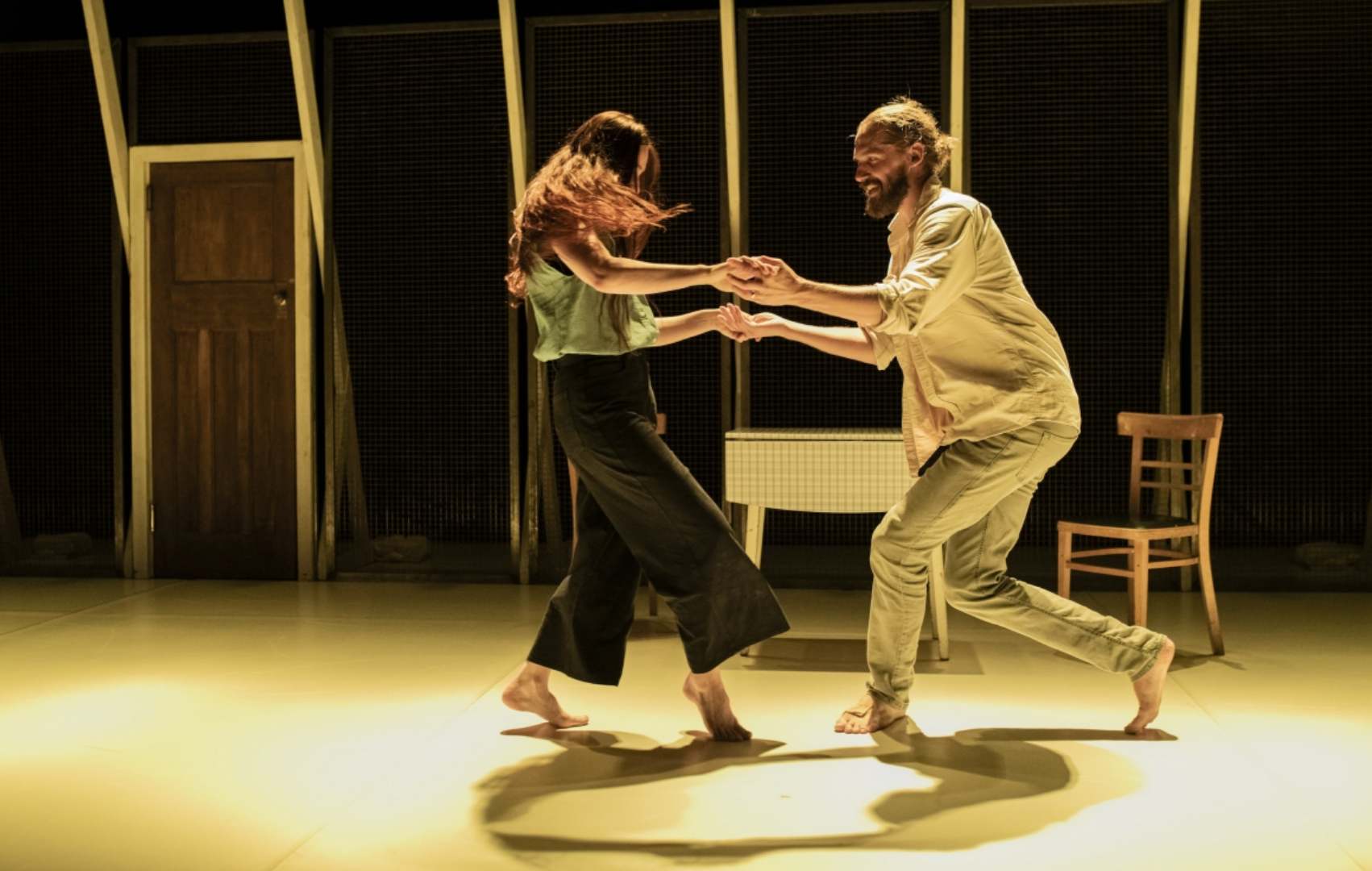
While the play might not be as ardently 'we’re finally telling her story' as the title would have you believe, it is glaringly obvious that Juliet is the only character the creative team has any empathy for. She gets several beautifully played moments of sincere emotion, while Romeo’s major dramatic choice (the point where this story diverges from Shakespeare’s text) is played off as a joke at first. Juliet’s strange obsession with reliving the events of the play rather than those that actually happened is the play’s single strongest area of focus and yet no thought is spared for how Romeo feels about how, when they commission some writer called William to adapt their life story, he kills both their characters! Needless to say, setting the play in the modern day, thus removing the physical writing of the play from the Elizabethan era is an oversight so inexplicable I can’t really get into it now.
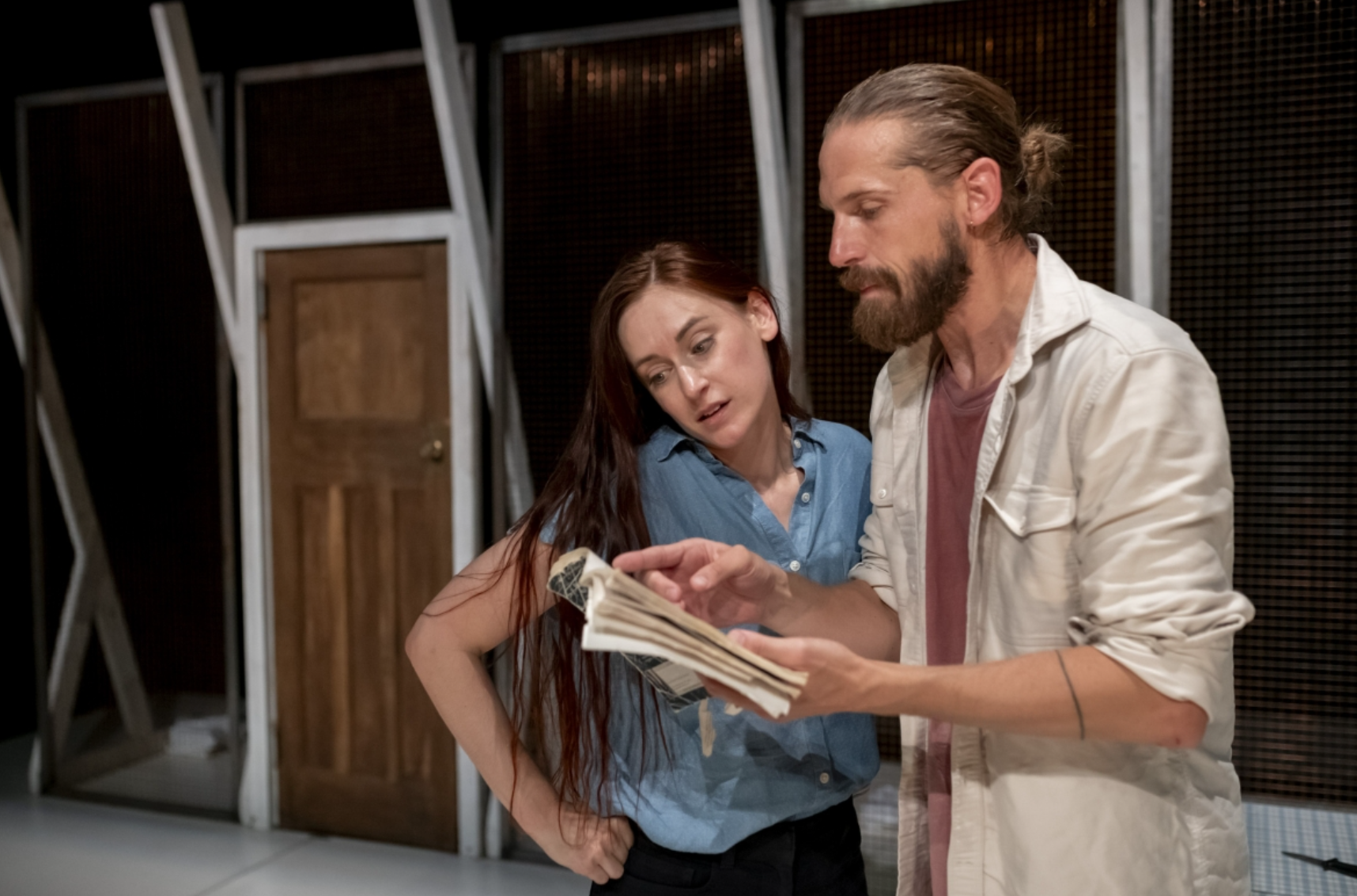
A lot of one-sidedness here is down to Kendall’s lacklustre performance. He nails the demeanour of a tired husband motivated enough to attempt to appease his wife but too lazy to actually make a good job of it. However, he consistently stumbles when asked to reach for something deeper. That is, outside of his several movement sequences, which are generally superb. Terndrup, on the other hand, exquisitely balances the humour of where the script starts out with the bleakness of where it ends up. Unfortunately, Terndrup reads as a little too young for the role - what’s the point of having the elevator pitch for your play being 'what if Romeo & Juliet grew up?' if the actress you cast looks youthful enough to play the teenage version? Indeed, the textual age gap between the lovers is unacknowledged here, which feels like a major blind spot for a play otherwise so obsessed with treating the text realistically.
 Charles Hubbard
Ultimately, the concept here is a smart one, if perhaps a little too self-conscious for its own good. But it needs a lot more work to fully flourish. It extends the final scene of Icke’s aforementioned production (in which Juliet visualises the life she and Romeo could have lived under different circumstances) to a feature length play yet never really attains the emotional impact of Icke’s central intervention. With many of the original play’s most iconic scenes reduced to punchlines and a medley of needle drops that range from smartly ironic (Marvin Gaye’s 'Ain’t No Mountain High Enough') to head-bangingly unsubtle (Simon & Garfunkel’s 'The Sound of Silence'), Duke’s brash new production is a refreshingly unsettling look at modern romance yet never quite finds the right vein.
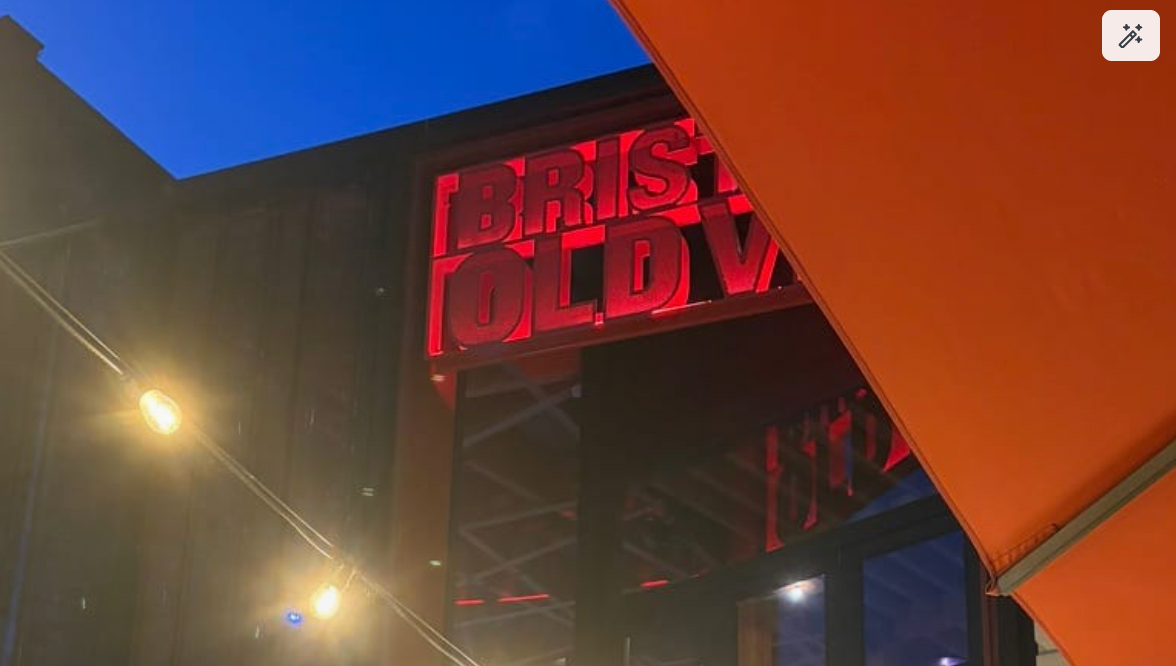
Juliet & Romeo runs at the Bristol Old Vic until Saturday 26th September. You can book your tickets here.
Featured image: Bristol Old Vic / Paul Blakemore
What's your favourite modern Shakespeare interpretation?