By Hannah Courtney, Second Year, History
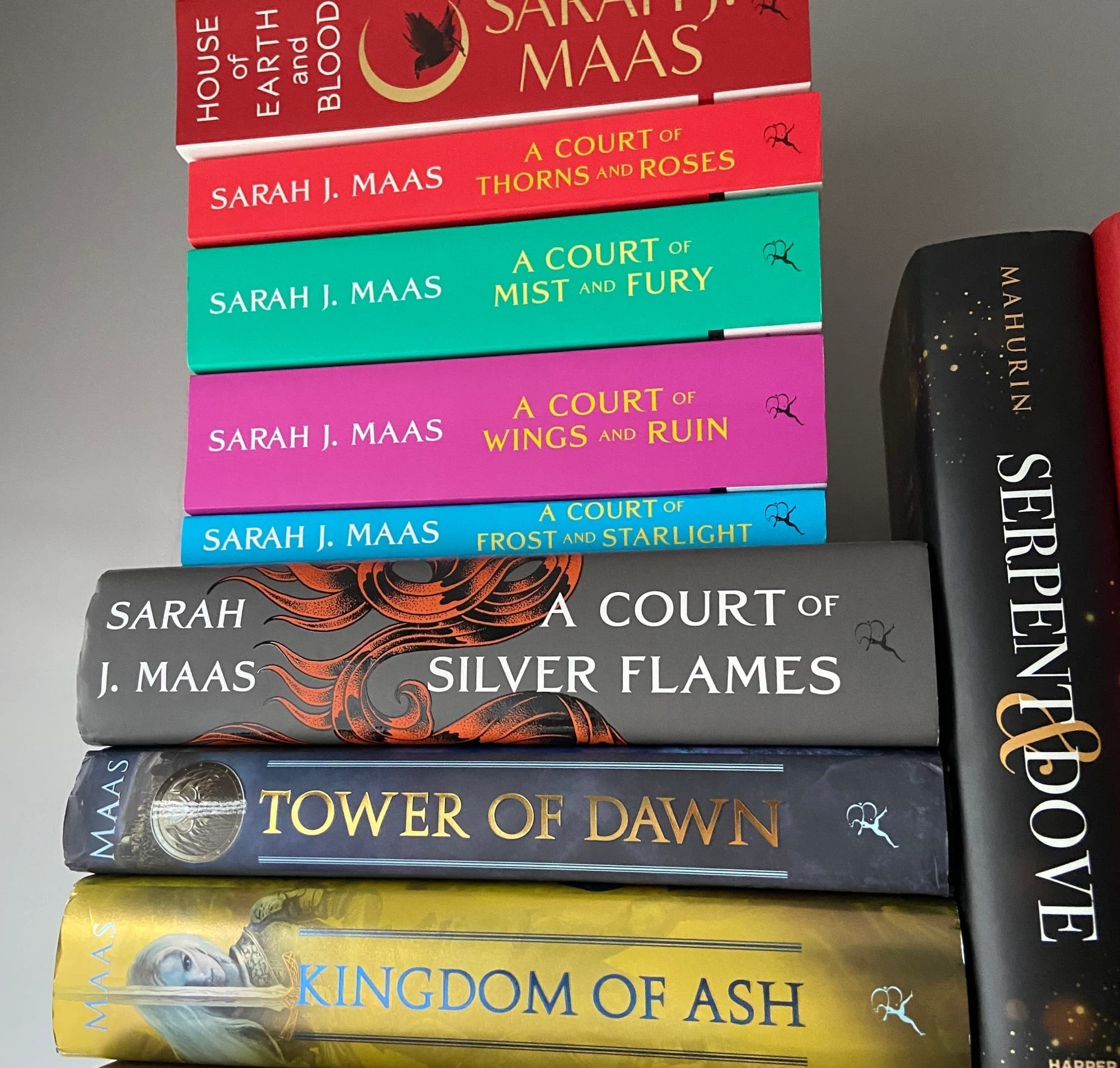
With the upcoming release of Sarah J Maas’ two new books for her ACOTAR (A Court of Thorns and Roses) series, it is safe to say that the internet has gone crazy and Maas is almost rockstar-like in her fame. Between sharing plot theories, clues, and opinions, many are racing to have their say. Alongside this buzz of excitement, however, the negativity and judgement towards the romantasy series is palpable, with literary critics and people online labelling romantasy as “trash” and “cringe”, consisting only of “smut”. It made me wonder whether these critics are truly worried of decreasing literature standards, or whether this is just another example of people hopping on the hating-female-interests bandwagon? Why is romantasy such a threat to critics?
Bloomsbury claims to be responsible for coining this term in 2015 to market the ACOTAR series’ mixture of fantasy and romance. Maas’ books, the terms use, and the genre’s popularity, have grown overwhelmingly since 2020, aided by its symbiotic relationship to Tiktok, specifically the subcategory known as Booktok. Maas now claims sales of over 70 million books in English, and is the most popular Tiktok author, with the #ACOTAR hashtag having 8.5 billion views up until 2024.
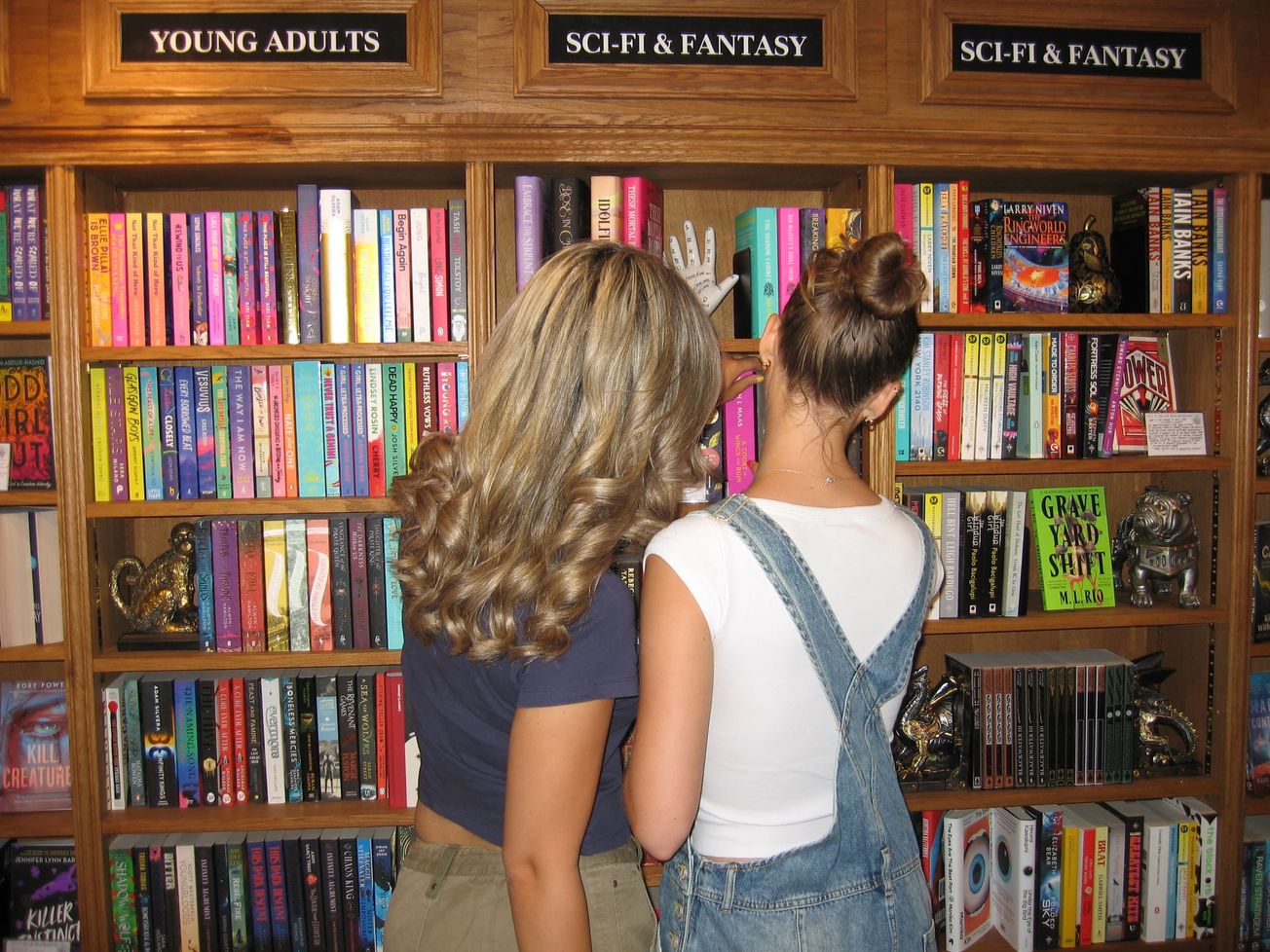
Tiktok has been responsible for popularising certain books, shaping the market (I know you have seen the “Tiktok made me buy it” sections popping up in bookshops), and forming trends. Specifically, new labels to categorise different romance tropes have been popularised, like “enemies-to-lovers” or “fake dating”. This does produce some ethical concerns and many fear the increasing commercialisation and mass publication of books is leading to publishers’ focus on hitting trending tropes and copying popular formats, over literary quality. It is interesting how the reproduction of male-centred tropes never received the same extent of harsh backlash, however.
Romantasy creates a space where women dominate in writers and readers (with most readers being female, aged 18 to 44), allowing women creative control over sexuality and gender dynamics (unheard of, I know!). The label “trash” is thrown so many times on this genre, while others more male-centred are labelled “cool”. Comparing Twilight and Transformers, despite both being from similar years, fantastical, and for younger audiences, Twilight receives incomparable levels of hate and “cringe” labels.
Literary double standards have persisted throughout history and still male books are deemed universal whereas female writers are taken less seriously. Statistics show that men do not generally read books written by women, a survey showed that just 19% of female bestselling authors were read by men, whereas 45% male best sellers were read by women, and when Joanne (JK) Rowling published Harry Potter, she adopted a gender-neutral name to fit into this sexist arena. Despite this, New York Times’ current top 5 hardback fiction books are by women, and 4 out of 5 nonfiction books. So, are women’s books “trash” or do men just not want to read them because they’re produced by women?
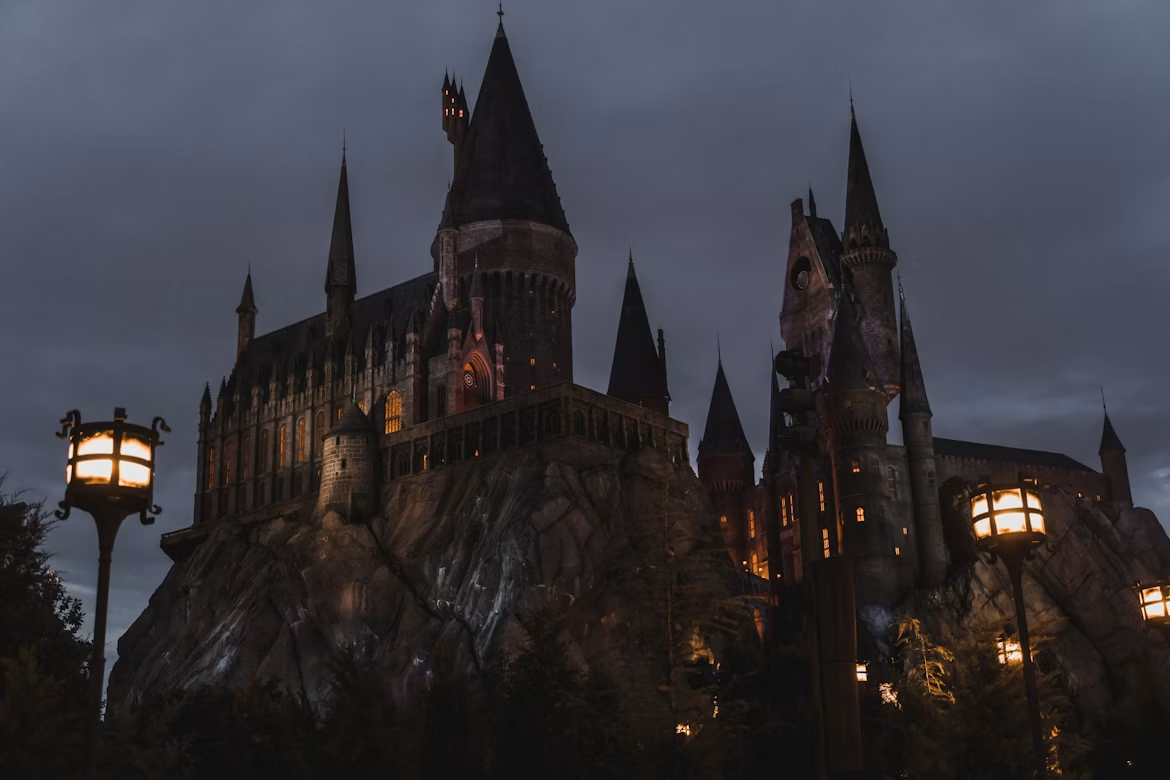
Why is romantasy so popular if it is so called “trash”? Patterns in genre popularity can be seen by the 2008 and 2022 spurts in romantasy sales. Within periods of depression these novels create community between women (with hours of discussions in my own friendships) and within the dire world that is dating, these novels allow the highest form of romantic escapism. With plots from sexy hunks with emotional intelligence to autonomous equality in relationships, these are fantasies in themselves these days. Romantasies allow women the space to feel confident in themselves and explore female sexuality, exposing readers to new feelings, sexual fantasies or imaginations. Maybe this imagination is intimidating to men?

Despite the romantic qualities of these novels, many tend to prioritise its fantasy plot, with intricately constructed magic systems, political histories, and geographies. Take Rebecca Yarros, another extremely popular and influential writer who took the romantasy world by storm with her ongoing series The Empryrean. This series came about due to Yarros’ disillusionment with America’s political system and the removal of important history from public knowledge. Yes, her FMC does find a romantic interest that supports the three books released so far, but its main themes involve a resilient and intelligent woman fighting for a more democratic country.
Despite being sub-plots of complex novels, Yarros and Maas have been criticised for their “smut” content and are still defined by their sexual writing. Maas explained that sex is an important by-product of exploring her FMC’s life – so why does society dumb down successful and intelligent women, and is this part of the age-old witch-hunt of hating women’s interests?
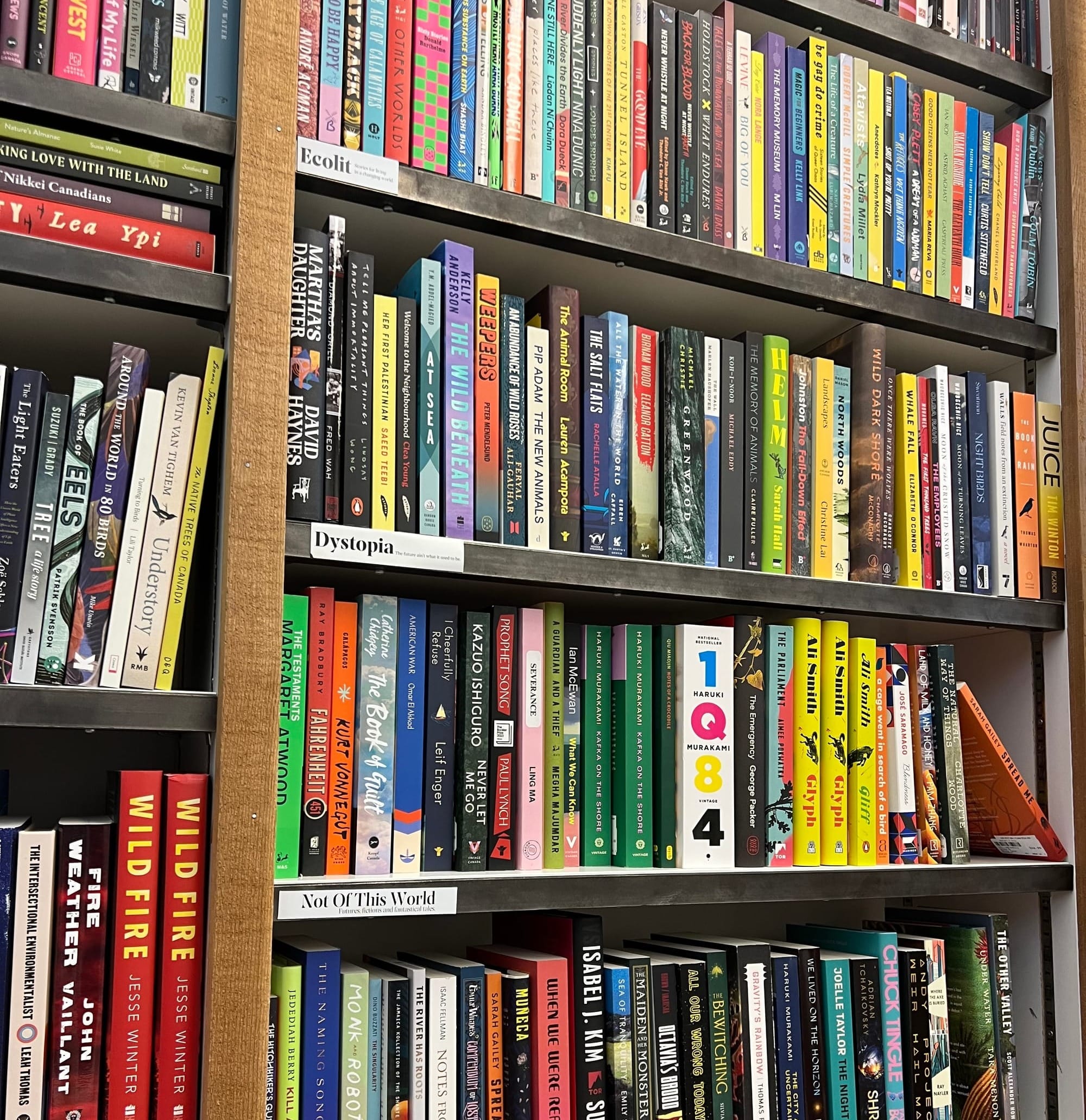
Critics' arguments against romantasy decrease in validity when they are tinged with sexism; it is dangerous to just associate anti-intellectualism with romantasy novels. Booktok and romantasy novels are definitely not above criticism, but in a world of decreasing attention spans, inevitable increase of social media, and 1 in 6 adults with literacy Level 1, should we not celebrate readers regardless of what is on their shelves? Whatever women show interest in will almost inevitably be judged and criticised, so read that bloody book you want to read regardless!
Featured image: Epigram / Hannah Courtney
What's your favourite romantasy book?