By Alex Boersma, Literature columnist 25/26
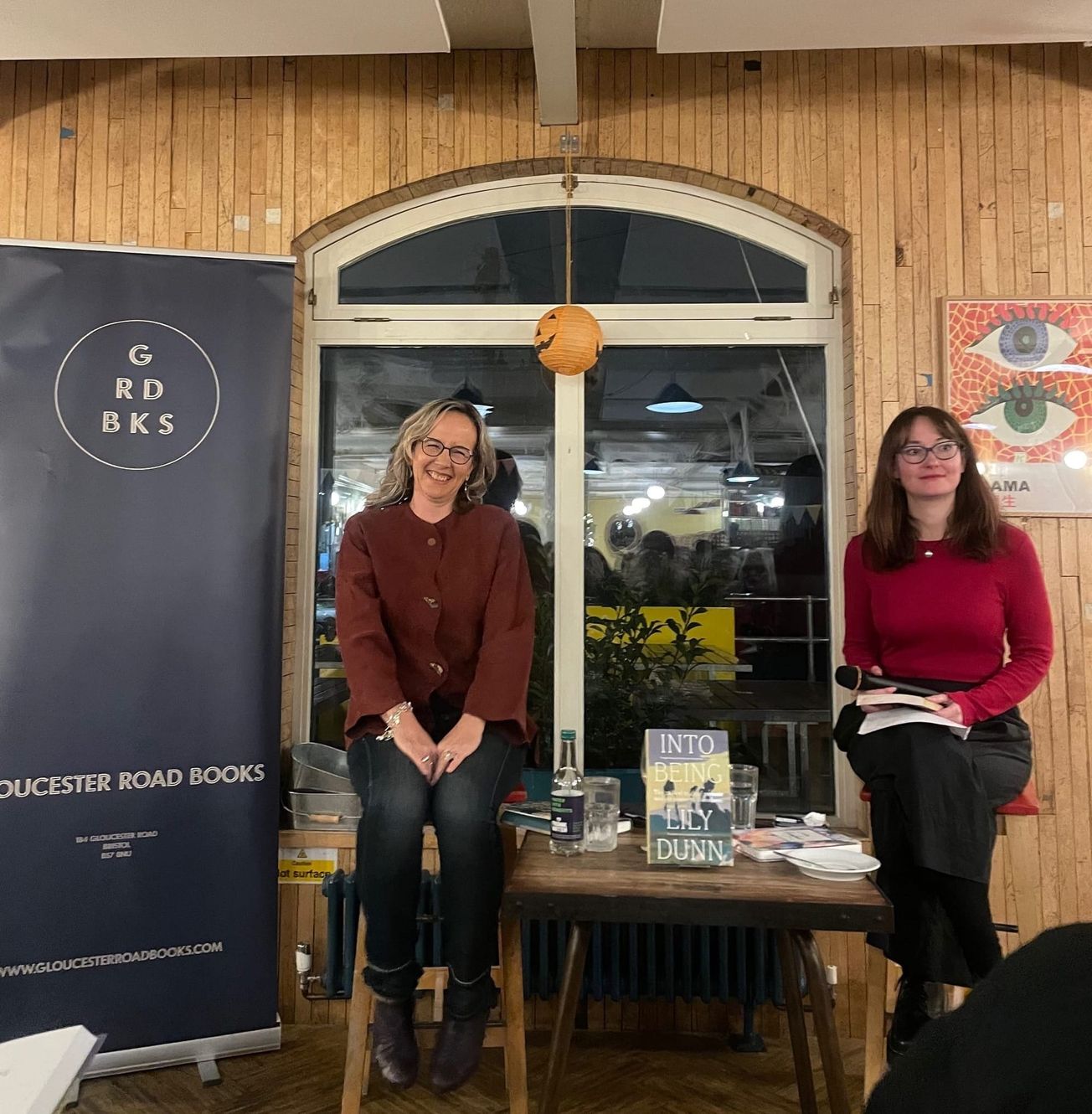
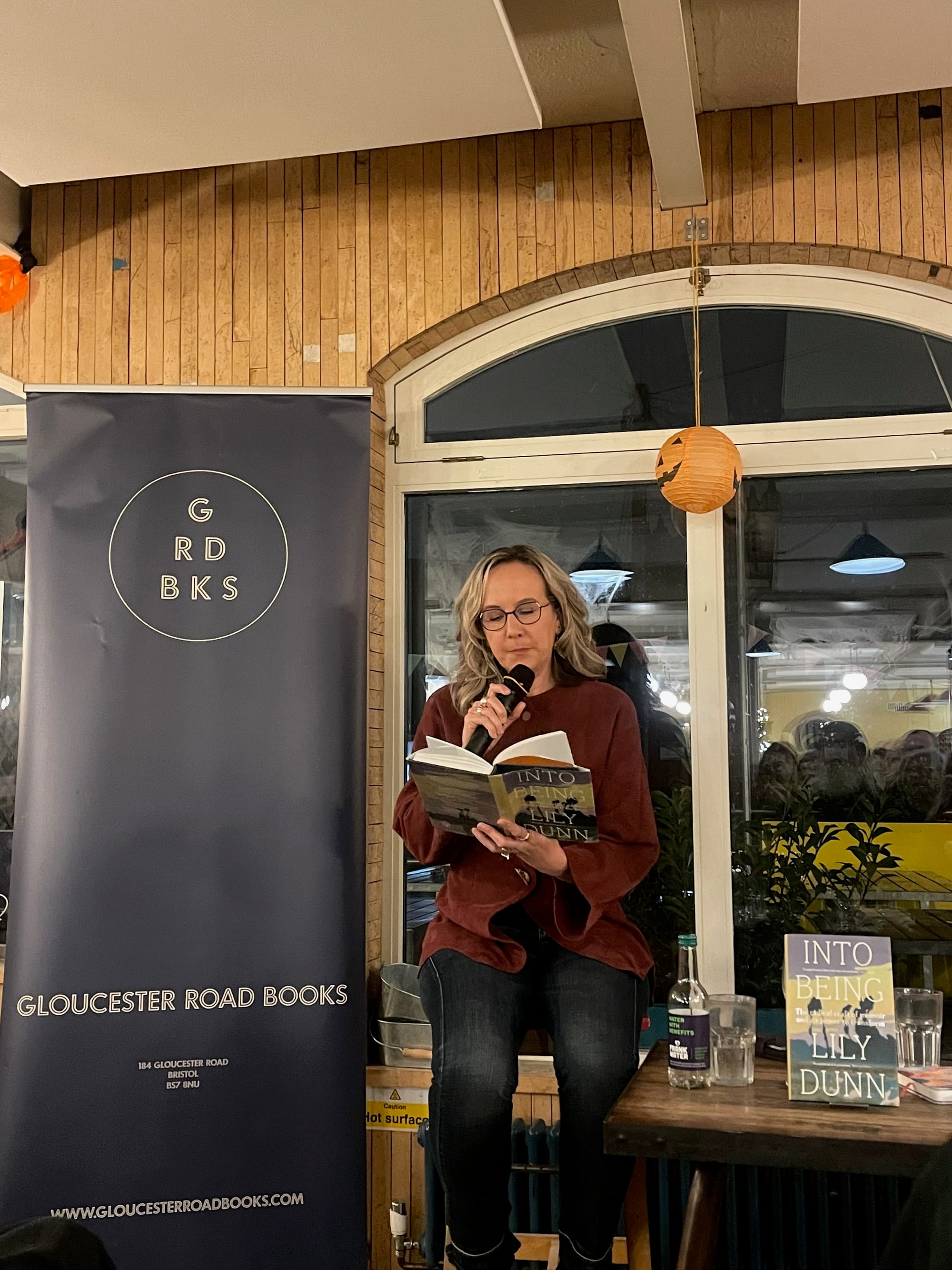
Prior to Gloucester Road bookshop's event celebrating her new book: Into Being: The radical craft of memoir and its power to transform, I interviewed author, journalist and teacher Dr Lily Dunn. The evening's conversation alongside fellow memoirist Marianne Brooker's questions followed Dunn's journalistic past, affinity with memoir and its power to heal and transform alongside her advice to budding writers.
Dr Lily Dunn is a writer, editor and teacher at Bath Spa university. Her last novel, Sins of my Father: A Daughter, a cult, a wild unravelling won nonfiction book of the year for The Guardian in 2022. She co-founded the London Lit Lab at Birkbeck university in London where she teaches creative writing. Her specialisms include memoirs, personal essays and narrative nonfiction.
‘Act as though the journal is what a sketchbook is to an artist’
Dunn's writing career began in journalism, writing for Time Out in her twenties, editing Kids Out and eventually becoming books editor. She then freelanced for You magazine in The Daily Mail with a column about relationships and later as a copy writer before pursuing her love of novel writing. Her biggest tip for those of us thinking of pursuing a career in journalism is to start keeping a journal to write in everyday and to act as if ‘the journal is what a sketchbook is to an artist’. She described this as the best way to identify and grow your personal writing voice and if writing memoir, develop a reflective voice. She argues ‘knowing your writing voice as a writer is essential’. She also stresses the importance of identifying and engaging with your interests as they are unique to you. As obvious as it sounds, she explains the importance of just sitting down and writing, even when you don't feel up to it and don't know what to write, just write.
She explained how her published writing is in depth and perfected as it goes through different editorial stages, while her Substack writing is more conversational, like a ‘live notebook' in which she can communicate with her followers. She explains her love of Substack for its community base and urges all writers to join a writers group either on Substack or elsewhere.
‘It is important to remain open to feelings that may come up’ and see them as part of the story too.
On her website, Dunn explains ‘I don’t shy away from difficult subject matter and have written about the experience of being the child of a cult member, about intimacy in the age of polyamory, about the impact of sexual abuse and grooming on the teenage girl’. We talked about the importance of having a support system of people who will comfort and listen to you when emotions inevitably surface in memoir writing. She also expressed something I found very insightful; the importance of identifying why certain emotions are coming up. It is inevitable that writing about hard topics, whether personal or not, can resurface difficult feelings and emotions, however, Dunn explained that the important thing is to realise the connection between the topic and emotions, and most importantly to ‘be kind to yourself’. She also argues ‘it is important to remain open’ and see these feelings as part of the story too. She adds that catering your writing environment to you is important as well to ensure it is a ‘safe space’ where these emotions are welcome and embraced. Of course, if writing about something traumatic, therapy is always recommended.
She was first drawn to memoir writing from her own journaling practise that started at the age of 8. She had a difficult relationship with her father who abandoned the family to be with a much younger woman and later join a cult, which is what Sins of my father is about. Due to her home situation, she felt anger towards her father who, in turn, suggested she start writing her feelings down and bought her first journal. She realised that writing made her feel better, starting by writing out her feelings on one page and soothing herself on the next. When her marriage broke down and father died of alcoholism, she found writing to be healing and began to write out of ‘necessity’.
Her favourite memoir is Educated by Tara Westover as she reached the end of the book and felt ‘altered and slightly changed'. She argues fiction can do the same but ‘there's something about (memoir) being a true story that hits harder’.
 Alex Boersma
Marianne Brooker's questions prompted similar discussion as Dunn explains ‘writing Sins of my father was a way of reclaiming my life’. Writing her story after her father had moulded her life through his choices allowed her to be liberated and begin writing her own story both literally but also in the chapters of her own life. She added that she found her writing voice once she found her personal freedom and began following her heart. She acknowledges the cliche but emphasises that ‘your heart often knows the things that you don't but writing can bring you closer to that knowledge’.
Have you read any memoirs?