

By Joseph Burman, First Year, Politics and International Relations
It is hard to imagine university being a place where loneliness thrives; crammed halls, bustling lectures and packed nightclubs seem to be the antithesis of isolation. Nowhere does this ring truer than Bristol, where it almost seems impossible to get away from the crowded libraries, cafes and shops. I mean, this isn’t Durham or (God forbid) Exeter - we are a sociable, vibrant community that looks after one another, right?
However, that's the tricky thing about loneliness: you do not know who suffers with it. A lonely person could fit the stereotype perfectly, or could be constantly surrounded by people. If they are lonely, who could they possibly tell? A recent Guardian article put the loneliness rate of students in halls at 70 per cent (with 33 per cent saying they are often lonely, and 37 per cent occasionally), making it clear an epidemic has taken hold of the student world.
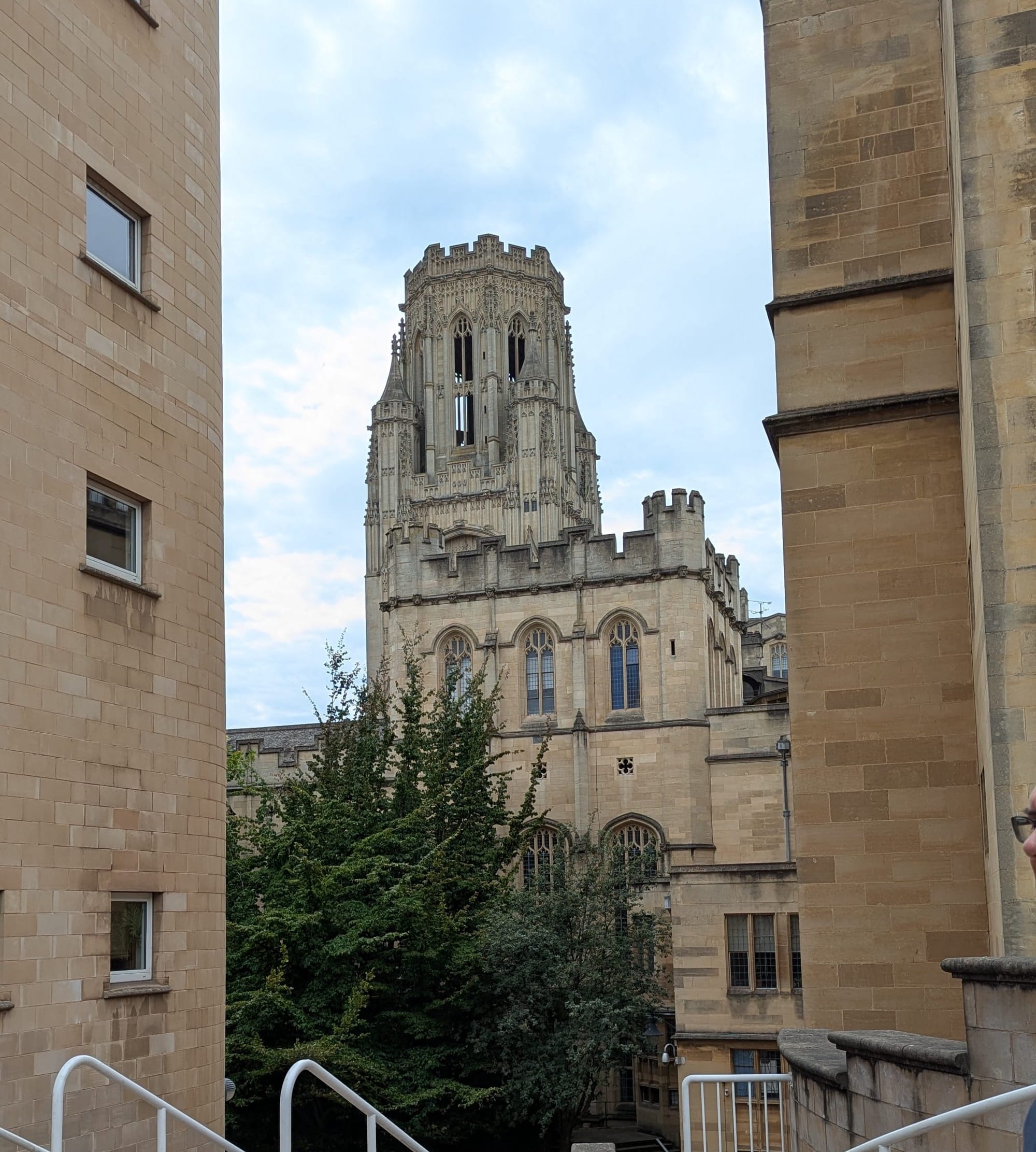
But what is causing it? Why has student loneliness become such a problem? An important point to make is that loneliness cannot be diagnosed or empirically tested; a lonely person merely must feel lonely to be lonely. You could have hundreds of friends, countless social events and outings, and yet you remain lonely. Or perhaps the opposite, with a person who lives in complete isolation being perfectly happy and content. Therefore, perhaps what we seek is not why students are alone, but why they feel lonely.
But once you look around, you can see how easy it is to feel alone in our current world. For years now, the philosophy of neo-liberalism has pervaded our society. The cult of profit is now front and centre of the national interests, destroying communities through years of austerity: schools, community centres and social service have all been trampled underfoot in its warpath. Places people used to socialise, meet friends and family have disappeared, and have been replaced by nothing except isolation. ‘Support’ has become a dirty word among the upper classes, with those who need help framed as scroungers and freeloaders, shunned and rejected.
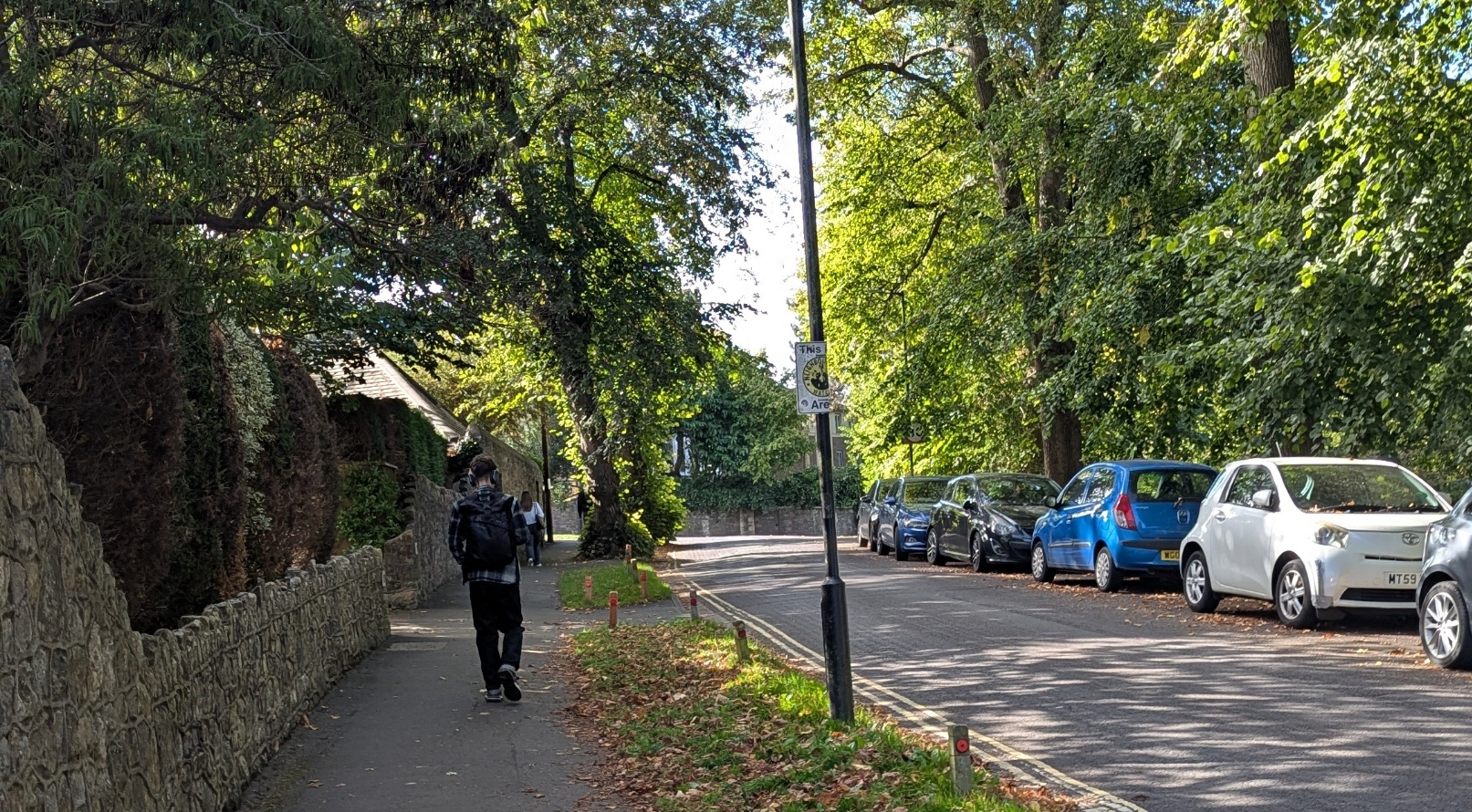
How could one not feel lonely in a system in which we are atomised, in which the individual is told to fend for themselves, in which support nets have been cut? In a society where development is measured through GDP and growth, it is easy to see how happiness and community have been sidelined, and loneliness taken their place.
This has hit no one harder than students. The change in society's philosophy has slowly seeped into universities, which are now less about students, but instead profit and results. Our own university is not blameless in this regard either. It just takes a quick poke around the halls in the north village to see relics of a bygone age: the empty bars gathering dust, the portraits of stony-faced wardens framed on the walls, long forgotten articles about the legendary free bus pass. Perhaps some of these facilities were financially unviable, but to judge their worth just on profit is a mistake.
 Alice Lewis

It is easy for a society driven by cost effective measures to look at these places and see wasted resources – but the service they provided in building a community to combat loneliness was invaluable. Through the slow dismantling of student spaces, the opportunity for interaction has decreased, and subsequently the feeling of community declined. Students now more than ever feel like individuals navigating the perilous sea of university life so how could this atomisation make us feel anything but lonely?
Feature Image: Epigram / Joseph Burman
Has loneliness touched you at university?