By Ellie Henderson, First Year, English Literature
Content warning: this article discusses sexual assault.
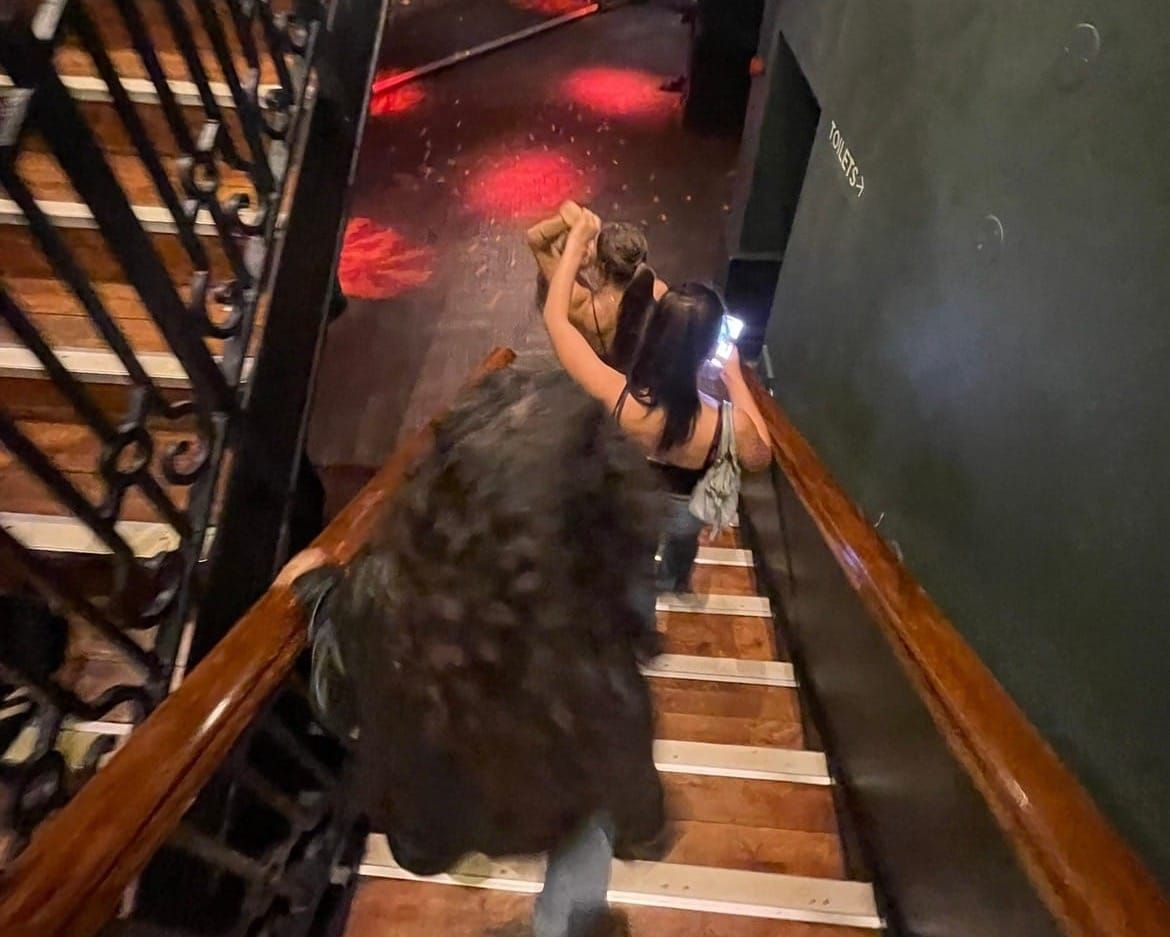
‘I hate men’. It’s a phrase I hear a lot. I hear it in the queue in Wetherspoons and in the women’s bathroom. I hear it walking past clubs and on my way to the bus stop.
It seems like a cliché now. An online juggernaut of Man versus Bear debates, patriarchy and feminism, the Cornell seven, and #MeToo. It’s enough to make you want to stick your head in the sand. Sometimes it’s tough not having that Y chromosome. Somewhere between the soul crushing court testimonies and a panic for my little sister as she turns 16, I got thinking, stewing angrily in my room about the state of the world. Sometimes, I hate men. Cue the eye rolls.
The Oxford English Dictionary defines misandry as ‘The hatred of males; the hatred of men as a sex’. Perhaps it’s a bit strong, and do not worry, I haven’t joined any Reddit forums pushing for men to be put in cages. However, two questions loomed over me: is misandry a justified movement gaining traction with young women and is this an imminent problem that needs to be solved?
The immediate answer I received from some of my friends when I asked them whether misandry was ever justified, was a resounding ‘No!’ After all, we do not permit misogyny so why argue for a movement that essentially oppresses men in similar ways? Misandry and misogyny are in essence, conceptual opposites. Yet, I do not truly believe they are the same. Consequences of misandry might include assumptions that all men are predatory or that men should not express emotions. Consequences of misogyny might include rape and murder. The term ‘misandry’ originated as an epithet for first-wave feminism at the end of the 19th century. Now it is conflated online by the manosphere predominantly, as being synonymous with feminism despite its countering definitions.
Speaking to a friend, she laughed when I asked her if she was a feminist. ‘It’s a tricky one. Why would I want to be put on an equal playing field with the most violent demographic in the world?’
This was a particularly brow-furrowing statement. The bluntness was strikingly sad and speaks about a gender reduced to the atrocities that occur within it. I questioned this further. Did she consider misandry and misogyny to be the same? In response she told me that misandry is the natural response to misogyny, while misogyny is the unnatural response to a woman merely existing. Therefore, she said, half laughing, half grimacing, ‘until we reach a state where women don’t have to be worried about walking home at night, I will continue to hate men’.
If one is exposed to the brutality of a certain gender, would it not be natural to be wary of them?
The OfS (the Office for Students) said that in response to a survey of over 51,000 final year undergraduates across the UK, 24.5 per cent experienced sexual harassment since they started their studies. The survey also found that women were nearly three times more likely to experience harassment than men. Furthermore, the ONS (Office for National Statistics) found in the years ending March 2020 and March 2025, 98 per cent of rape victims aged 16 and above said the perpetrator was male. They also found that 94.2 per cent of women and 81.4 per cent of men who experienced rape before 18, claimed their perpetrator was male. Seems bleak, right?
Regardless of the fact that not all men are perpetrators of violence, the world is full of cruel individuals and such a large percentage seems to be male. In this regard, looking purely at numbers and figures, it seems logical and perhaps even acceptable that a woman entering university or at university age might identify with or become a misandrist. If one is exposed to the brutality of a certain gender, would it not be natural to be wary of them?
However, there is something that does not sit right with me about this line of thinking. If we reduce all men to the sins of a few, we fall into the pattern of thinking that anti-immigration lobbyists are so concerned about: when a select group of individuals commit crimes, it seems appropriate to box an entire demographic into one stereotype. Would the prejudice against men then not hinge on the false premise that because some men are bad, all men must be bad? Truly, however, I have had the pleasure of meeting many incredible men at university who I believe would never hurt someone in any capacity. Are phrases like ‘I hate men’ unfairly ridiculing a culture of boys who in most cases are trying their hardest to look out for their female friends and peers?

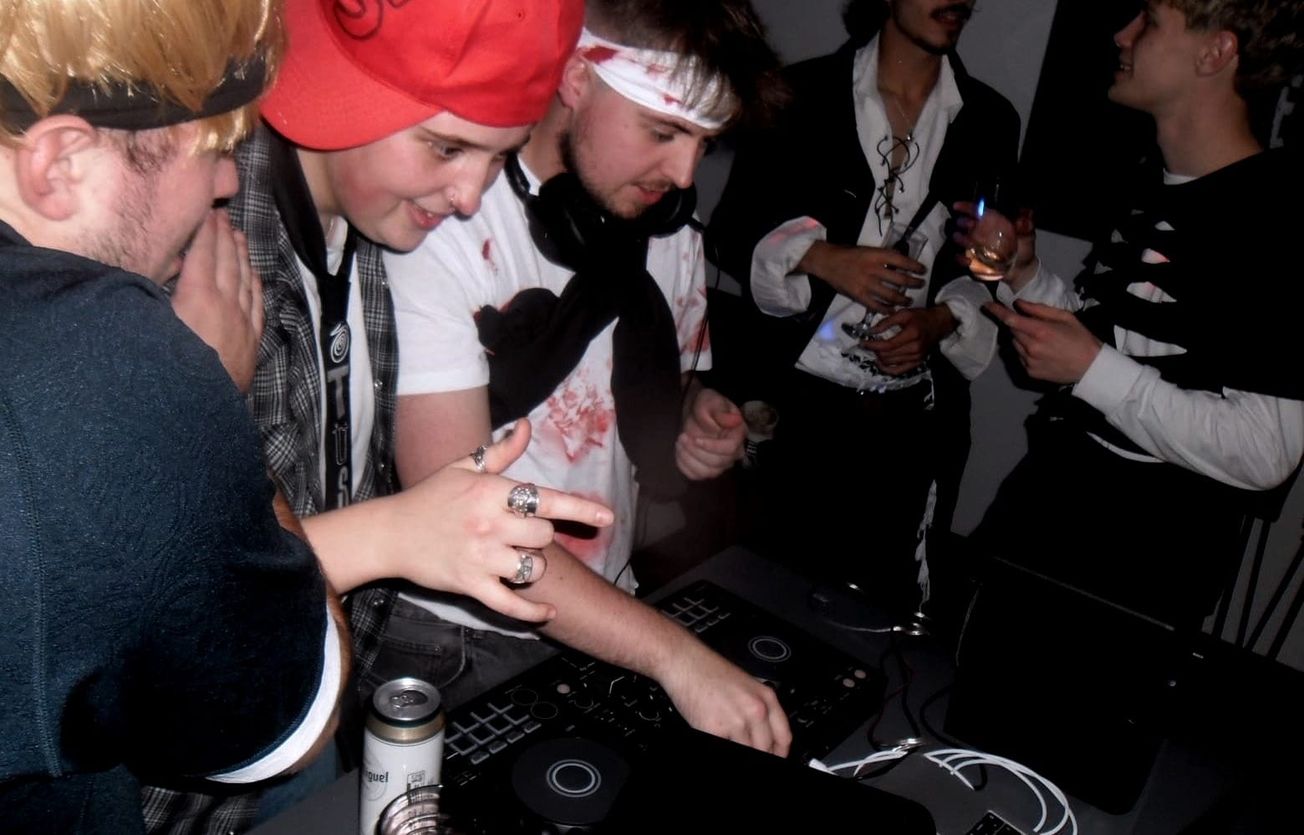
Speaking to male students at Bristol, this sentiment was shared. On asking another first year whether he believed misandry to be harmful to young men, he responded ‘one hundred per cent… that’s part of the reason you see boys idolising people like Andrew Tate… I think that’s also led to more misogyny as a response’. This particularly fascinated me. Perhaps man-hating is a by-product of the manosphere; fuel to the online fire that men need to regain control over the patriarchal narrative, born from which a retaliatory cycle of men hating women and women hating men is formed. The problem arises when, in some cases, men really do hate women and the effects have a dangerous potential while misandry appears predominantly within social media cultures.
 Grace Bourne
However, when I hear quips like ‘I hate men’ and ‘I choose the bear over the man’ it is usually followed by a pause, an understanding that most of us do not truly hate men. It comes from an eye-twitching exhaustion and a rage at a world where the effects of misogyny have the potential to result in violence. A conversation on this topic arose between some of my male and female friends: ‘I’ve not met people who have a deep dislike for all men and often when women say I hate men, they mean I hate the patriarchy.’
Ultimately, the man-hating and the antagonism towards men is a far smaller form of sexism, one that sits on the periphery of social culture and cyberspace buzzwords but just visible enough to bruise egos and for some men to take umbrage at online. Misandry, though still a form of sexism, cannot reach the institutional and systemic effects that misogyny does. While divisions and othering cannot be the source of unification among genders, misandry is not the most imminent problem that needs to be solved. Instead, the solution is to continue to collapse the system at which misandry is centralised: a system built on misogyny.
If you have been affected by any of the issues discussed in this article, the University's Sexual and Relationship Harm Support team offers support to all students. Rape Crisis England & Wales also runs a free 24/7 support line on 0808 500 2222.
Featured image: Epigram / Ellie Henderson
What do you think about the phrase 'I hate men'?