By Ruby Hargreaves, Deputy Comment Editor
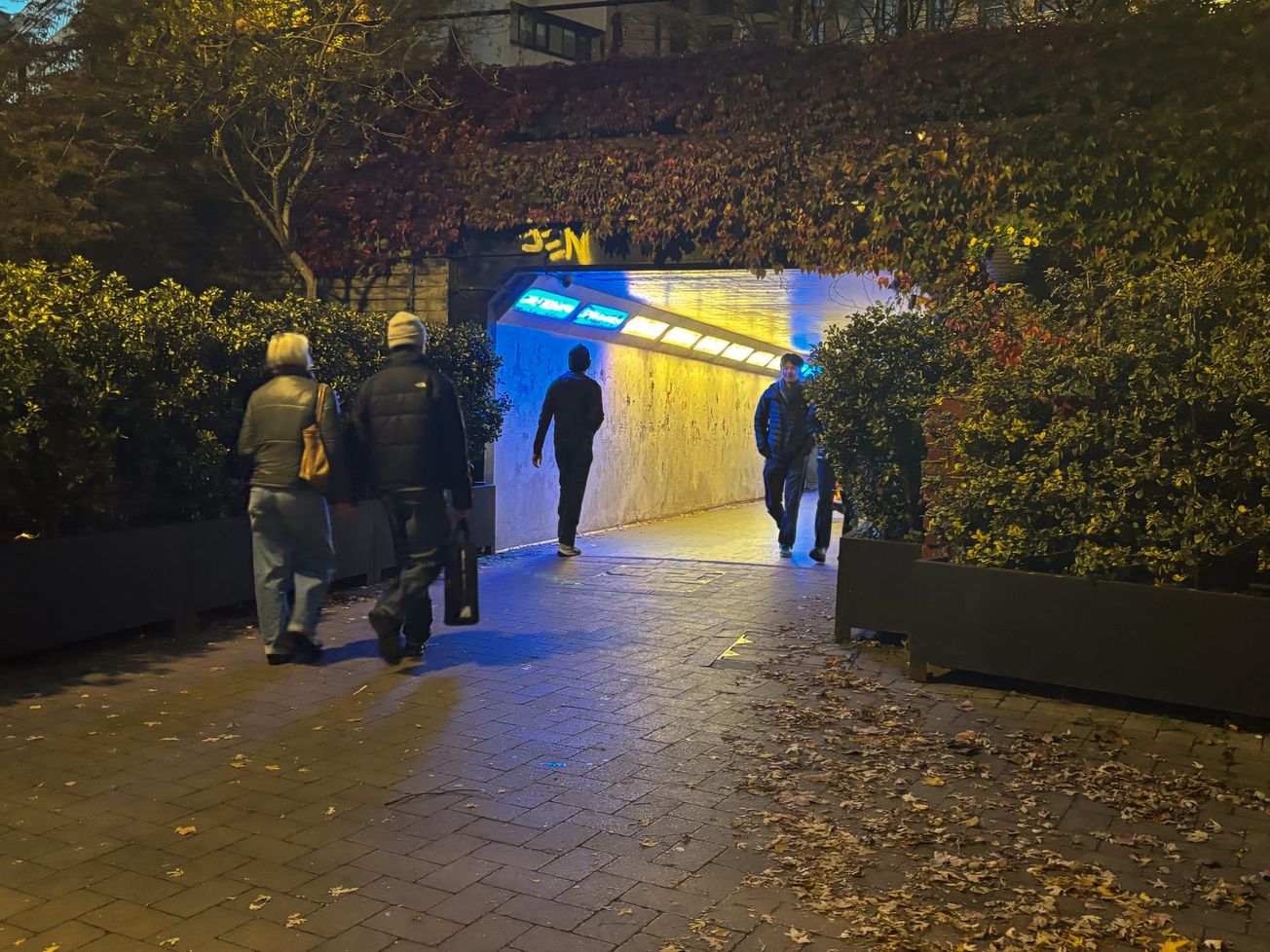
On my way through the Bear Pit recently, the homeless man in the first tunnel watched a performance of sheepish apologies as a passing group gestured to their supposedly empty pockets. In the next, a busking man in a dapper black coat and hat was paid, complimented, and hugged enthusiastically although evidently not in crisis like the man before him. Such a perfectly mapped paradox on my walk home could not have passed me by without prompting the question: which man actually received the most respect here?
Respect is supposed to make us feel good. And I do not suppose the disappointment of the man sat in his sleeping bag watching the busker take all his prospective money was dulled by apologies and pitying expressions. Because these apologies weren't for the man on the floor, but for those walking past him - a clever, or maybe default, way of being able to ignore an unspoken social responsibility conscience-free.
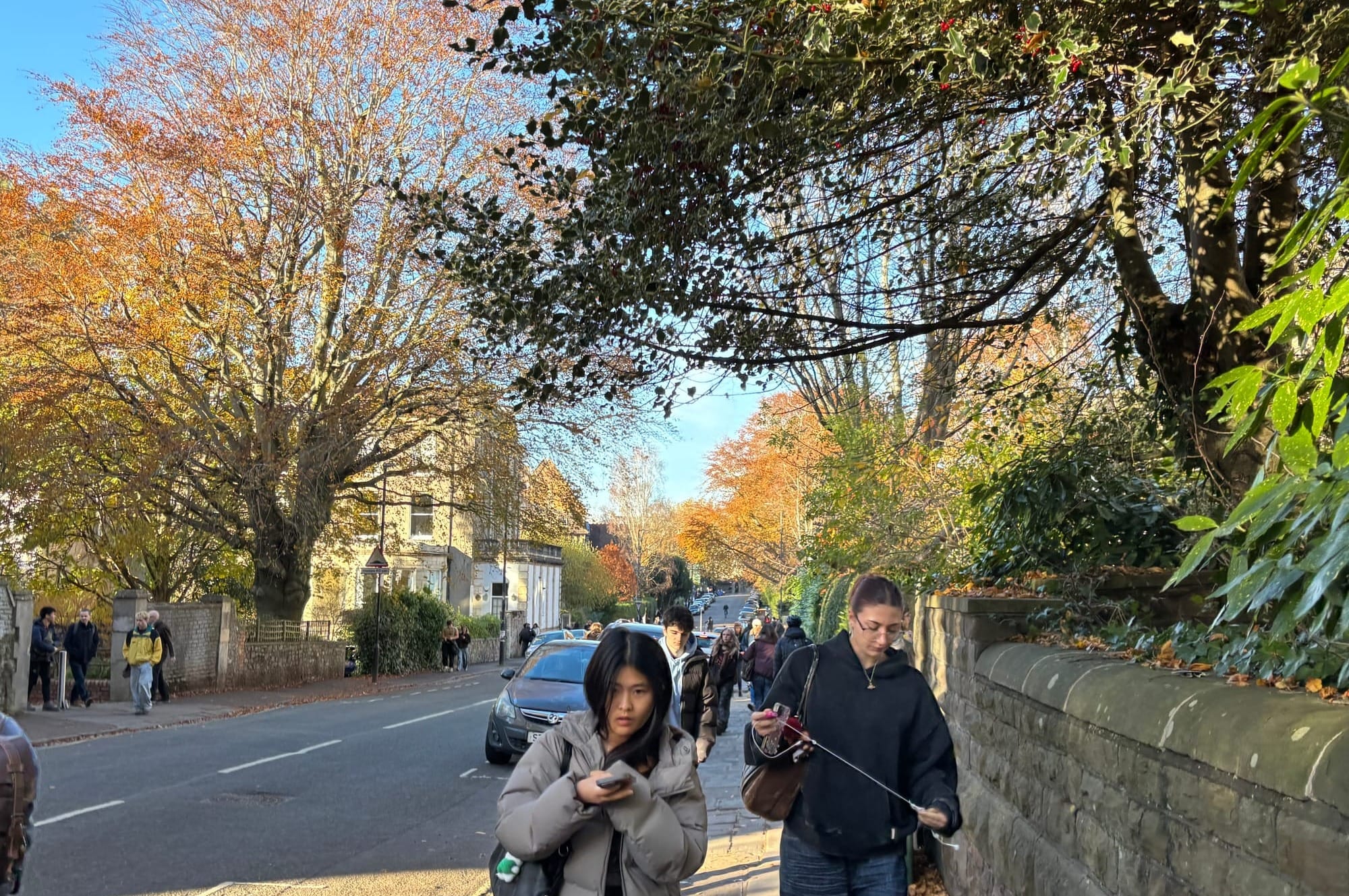
We are notoriously guilty of politeness void of meaning in English culture. It's a way of navigating our busy environments with as little stress and confrontation as possible. Walking a packed Woodland Road between seminar times, I often find the only words I can manage are ‘sorry’ and ‘excuse me’ even if I'm trying to walk and talk with a course mate at the same time. But does this politeness actually heighten our sense of community on the Bristol campus?
Because what's interesting when we compare cultures is that countries with more of a sense of community are often less polite. When we say ‘please’ and ‘thank you’ in English, we highlight that the favour is an exception, that we don't owe anything to each other just due to the value we place on our relationship, that we are not indebted to each other just because we enjoy each other's company. We forget that ‘please’ is a question. It tries to expect nothing in case the response is disappointing. Just in case we let each other down because we don't actually have each other's backs. The ‘please’ softens the expectation and disappointment alike. So, in other cultures, the sense of expectation in omitting ‘please’ is not rude, but an expression of proximity, familiarity, and possibly even trust.
But is our politeness itself void of meaning or is its emptiness down to the way we use it? Because it can absolutely be used to create respectful distance. Just because we exchanged ‘excuse me’ when we otherwise would have passed each other as mute strangers, doesn't mean we have become closer through the interaction; sometimes it pulls us further apart. This is a phenomenon developed by Penelope Brown and Stephen Levinson called ‘negative politeness’: when our deference indicates feeling undeserving of being in each other's space, ashamed of the space we take up, and shows the distance from others we are so used to that brushing someone's arm in public might solicit an apology.
On the other side of the coin then, ‘positive politeness’ is the compliments, kind words, and gestures so thoughtful you couldn't have conjured the idea yourself. The words that make people feel seen, not ignored. The actions that make others feel better, not yourself.
So, when the distinction between ‘negative’ and ‘positive’ politeness is really the difference between selfishness and selflessness, do we ever really mean ‘sorry’ when we keep the change in our pocket? Are we allowed to criticise other cultures for their absence of politeness, when it largely arises from the acknowledgement of its self-righteous, holier-than-thou uses in our culture? Should there be a universal idea of what is rude?
 Eve Macaulay
Although often thoughtlessly implemented in our culture, politeness is not meaningless. It would be nice to live in a culture where generosity is such a given that the manners accompanying it are made redundant, but for us it can signify an appreciation for something the other really didn't have to do. Making the effort to conserve politeness more consciously like this could be a step towards increasing our sense of responsibility towards one another through our very everyday language. And maybe then we would think more about prioritising our cash for the homeless man on the way home.
Featured image: Epigram / Ruby Hargreaves
What does politeness mean to you?