By Nathalie Balvin, Second Year, Chemistry MSci
As Bonfire Night approaches, the UK’s firework season begins again, and the questions you think of but never really care enough to Google start entering your mind again. How do fireworks work? Where do the colours come from? The answers to these questions lie in a millennium-long history of chemistry.
The first fireworks are believed to have originated in China well before 1000AD, with popular legend claiming a cook accidentally invented them by mixing charcoal, sulphur, and potassium nitrate (commonly called saltpetre). When compressed and burned, the powder mixture exploded - this powder mixture has since been coined gunpowder. After this discovery, people made gunpowder’s bright, loud explosions into firecrackers and used them to ward off evil spirits in China during events like birthdays, weddings, and Lunar New Year.
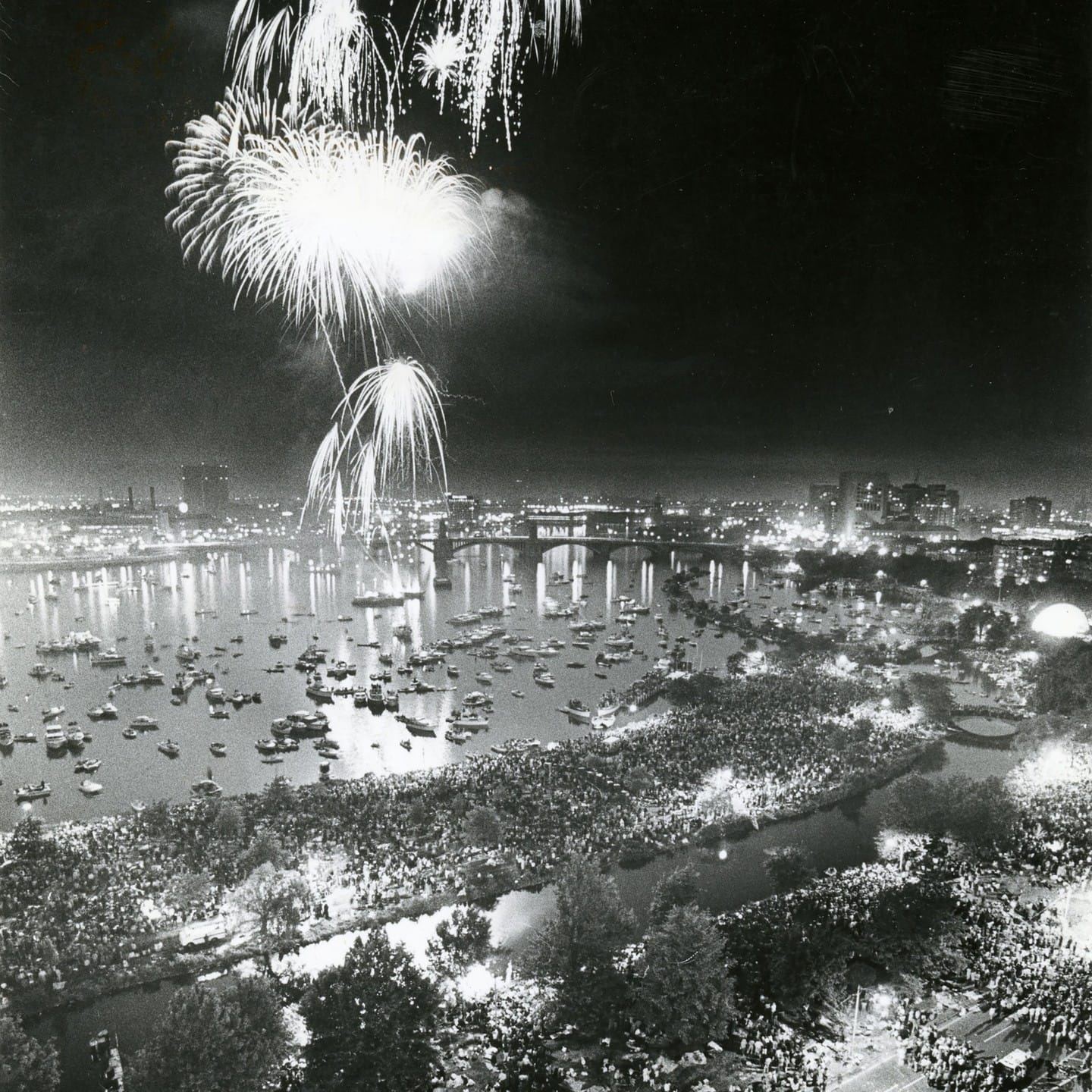
Gunpowder traveled the Silk Road and reached Europe in the mid-13th century. Before technology advanced in the 19th century, the mixture was multipurpose, used to ignite cannons, create fireworks on New Year's Day, and, in 1605, plan to bomb the House of Lords. In modern-day times, gunpowder has become less commonly used in the military (although not obsolete) but is still used in pyrotechnics under the name ‘black powder’. The pyrotechnic composition has remained largely consistent since its origin, with black powder being one of the only modern chemical products that has had the same composition for hundreds of years.
Fireworks contain black powder and small pellets in tubes called ‘shells’. Black powder is the source of ignition, while pellets contain powders that explode into colours, sounds and crackles. The process starts with the ignition of the black powder in the shell. The oxidiser (saltpetre) and fuel (charcoal and sulphur) react together at high temperatures to produce a large volume of gas extremely quickly. The explosion of gas launches the shell far into the air, where the shell opens and expels ignited pellets in a random pattern of light and colour.
The powders within pellets are what dictate whether the fireworks are massive and pink or whistly and white. Starting in the 19th century, metals have been used to give fireworks colours. Salts containing metals like barium, strontium and sodium, at high temperatures, burn at bright greens, reds and yellows. When metal atoms are heated, their electrons get excited and move to higher energy levels. As the electrons’ energy drops back down to their ground state, that energy is released as light at a specific wavelength, producing a uniquely colourful light.
Interestingly, blue has been the hardest colour to produce in a firework, as copper - the metal that burns blue - is unstable at the high temperatures fireworks explode at and can disintegrate easily. This could lead to a dull coloured firework, which would be a bit naff to see in a display. Keep this in mind when watching a display, as a blue or purple firework means there’s a skilled pyrotechnician working behind the scenes.
Colour is not the only factor metal salts dictate. Metal salts like potassium result in a louder explosion, while bismuth contributes to fireworks’ characteristic crackling sound. Pyrotechnicians can achieve different shapes, magnitude and speeds of explosions by adjusting the composition of each powder in the shell, refining art and science to create an eye-catching display.
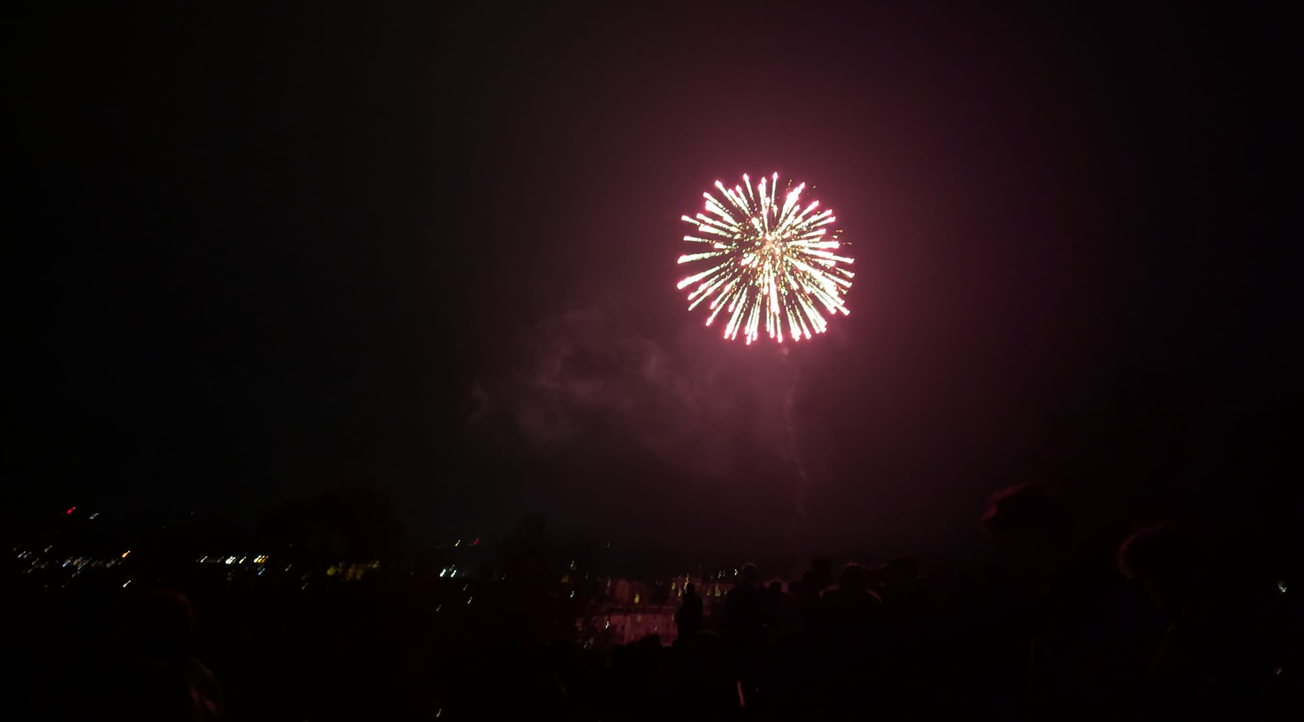
If explaining the science behind these colourful explosions hasn't put you off watching them, go catch a view of Bristol's annual firework display on November 5th. The show starts at 21:00, so head over to Brandon Hill or the Downs with your friends and a picnic blanket for a good viewpoint for this year’s display!
 Jessica Gadd

Featured Image: Epigram / Francesca O'Connor
Where are you watching the displays this year?