
By Grace Poole, First Year, Biology
Started in Berlin in 1995, the Conference of the Parties (COP) is an annual summit that discusses the United Nations Framework Convention on Climate Change (UNFCCC), which was put into force with the aim of ‘preventing “dangerous” human interference with the climate system’.
This year, COP31 will be held in Antalya, Türkiye, in November. Involving 197 parties, it is an important step in combating climate change and allowing the world to develop fairly. The UNFCCC asks industrialized Annex 1 countries to report their climate change policies and annual greenhouse gas emissions, proving they are in line with the Kyoto Protocol and the Paris Agreement NDCs (Nationally Determined Contributions). This is key, as these countries are the greatest contributors to climate change, so they must not let the brunt of climate change impact less developed countries.
There is also a Global Stocktake assessing progress worldwide. The conference aids countries in turning broad NDC goals into fully formed projects involving businesses and civil society as well as governments, in a strategy known as the Climate Implementation Bridge. Discussions are held over new legislation and agreements proposed by the host’s presidency.
A key goal for this COP is energy and emissions. The President-Designate for this year, Murat Kurum, set out an ambitious ‘35 by 35’ target in his Action Agenda, asking countries to raise the percentage of energy demands met by electricity from 20 to 35% before 2035, following the Belem Declaration. 2035 is an important goal for this COP, with an aim to reduce energy consumption in the building sector by 25%. Kurum also wants to halve growth in global waste, which is predicted to rise up to 50% by 2035.
Finance is a focus, with an aim to deliver on the NCQG (New Collective Quantified Goal) set at COP29 of tripling the funds allocated to protecting developing countries from the effects of climate change.
AI is a constant topic these days, so Antalya Pledge on AI aims to control AI’s energy use and climate impacts. Kurum’s letter to the Parties after the Bonn preparation talks highlighted 10 priority themes, which are as follows:
- Clean energy transition and electrification
- Zero waste and methane reduction
- Climate-resilient cities
- Green industrialisation
- Youth and education
- Food security
- Oceans and seas
- Dynamic and resilient health systems
- Rio synergies (land use, protection and restoration)
- The Climate Implementation Bridge.
COP31 is also a make-or-break moment for talks on the soon-to-expire Mitigation Work Programme (MWP), an initiative focused on keeping global temperatures from rising above 1.5 degrees; the GGA, an initiative focused on human survival in the face of climate change; and the Adaptation Fund financing climate change adaptation in developing countries. Agreements on all three were not reached at preparatory talks in Bonn part of this year’s COP.
All eyes are also on the USA, which withdrew from the Paris Agreement for the second time in January, and has given notice to exit the UNFCCC completely. There will therefore be no official USA party at COP31, although non-government groups such as climate group America Is All In will be attending. With America being the largest contributor to anthropogenic climate change, their non-participation in the conference poses worrying concerns for the climate future.
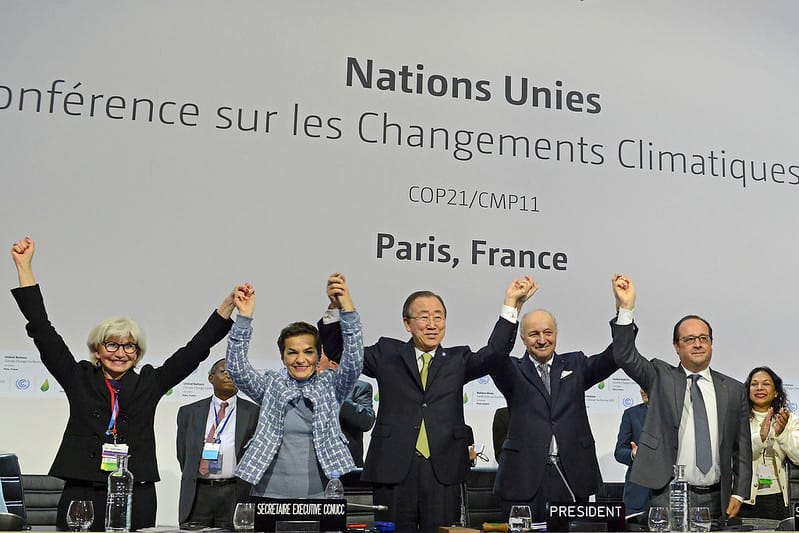
Historically, COP and the UNFCCC have been incredibly powerful tools for combating climate change. They led to the Kyoto Protocol (1997) and the Paris Agreement (2015), both landmark international treaties that have helped curb climate change’s impacts and provided the foundation for recent COP action. They have limited global warming projections for the next 100 years to 2.6 degrees Celsius, down from the 4 degrees predicted before the Paris Agreement, and reduced the rise in CO2 emissions to 1.2%, a huge improvement compared with 18.4% in the previous 10-year period. Other positive changes range from increased solar and wind energy to clean energy jobs, to billions of US dollars allotted to financing climate action. Climate change is such a major obstacle that any action the world can take helps, and global changes at the COP are essential.
However, the COP is by no means perfect. The decision-making process requires a consensus vote with no politically viable objection and ¾ of the parties agreeing. This is difficult with nearly 200 attending parties, making it hard, for example, for fossil fuel transitions to get past countries that rely heavily on these industries. Negotiations often stall, as seen with the MWP and GGA, delaying important legislation and leaving people and environments vulnerable. The travel carbon generated from the Conference is troubling too, at around 76,931 tonnes at COP29, having increased 2500% from the first conference in 1995. With travel carbon and carbon from COP websites, there is a strong argument for the COP being detrimental to the climate. There are also gaps between the idea and the implementation of both countries’ NDCs and worldwide legislation that must be addressed before conference treaties can make enough change to hit the 1.5 degree warming target.
 Ellen Landale
What about Bristol?
Bristol City Council is following the same pathways as the COP to slow climate change, by focusing on energy and emissions. We have a Clean Air Zone to reduce air pollution, started in 2022. The Bristol One City Climate Strategy, the 2026 Bristol City Council Climate Emergency Action Plan, and Bristol City Leap, among many other plans and strategies, focus on investing in green energy, transport, buildings and businesses. Even at the University itself, we have a UCAP Climate Action plan to reduce emissions in university life. Our city is undoubtedly one of the best in the UK for green living.
It was the European Green Capital in 2015, committing €800 million to sustainable transport and renewable energy before 2020 and promising 17,000 new low-carbon jobs before 2030, and was named the third greenest city in 2021 by PLOSone. We were also named the greenest city in England by Millets in 2024, with high numbers of parks, walking trails and electric chargers, and the country’s lowest annual emissions per km2. The city is known as Green Hollywood, producing 80% of the world’s natural history television, raising awareness about the wonders of our planet and how climate change impacts them.
Featured image: Unsplash / Mathias Reding
Will these conferences be effective in fighting climate change?