By Jemima Eardley, Second year, Neuroscience
Starting the morning with stained bed sheets from a heavy period that a nighttime pad wasn’t good enough to support. Trying to take an exam whilst having consistent cramps, unable to focus and feeling exhausted. Having a leak during your two-hour class, condemning you to a shameful walk home, unable to hide the mark on your jeans. Missing seminars because you physically can’t get out of bed.
Periods are a painful reality for 50 per cent of the population, yet how much do we actually know about them? Menstrual health has been overlooked and under-researched, with women and their health historically under-represented in clinical studies. However, the University of Bristol has teamed up with the University of Exeter to create the world’s largest menstrual fluid biobank in a study, aiming to finally find out how to support menstrual health, diagnose menstrual problems and drive progress in an area previously neglected.
The word ‘period’ was first said on TV in only 1985, during a Tampax commercial by Courteney Cox. Whilst it helped break the stigma around talking about periods, still today they can easily turn a flowing conversation into an awkward one.
‘75 per cent of female students have had their period get in the way of studying or uni life, with 71 per cent adding that it affected their academic, social and personal life.’
In one of the best teen movies of the 90s, Clueless again brought periods into discussion. Dionne and Murray, the comedic, constantly bickering side couple, find themselves in yet another argument as Dionne accuses Murray of cheating on her. In response, Murray asks the age-old question, ‘Is it that time of the month again?’. I’m sure you can guess how that was received.
Every girl and woman has experienced a Murray in their lifetime. Probably more than one. They’ve had normal emotions invalidated, their opinions deemed as their ‘hormones talking’, and had a monthly cycle turned into the punchline of a joke.
A poll on Epigram’s Instagram found that 75 per cent of female students have had their period get in the way of studying or uni life, with 71 per cent adding that it affected their academic, social and personal life. Further polls showed that 94 per cent of students believe that periods are under-researched, with students commenting that ‘doctors just chuck contraceptive pills at any menstrual issue!!!’ and that there is ‘medical bias against women in testing and research’.
There is little good-quality research on menstrual health and, due to this, scientists and doctors still do not know the full range of menstrual experiences, meaning many underlying health conditions are undiagnosed or misdiagnosed.
One example is endometriosis, a condition which causes heavy, painful periods and fatigue (to name a few symptoms). It affects approximately 1 in 10 women, yet takes nine years on average for healthcare professionals to diagnose. Many women who tell their doctors about their concerns are told that it’s just normal pain and misdiagnosed with a different condition. As with many menstrual health conditions, it is still unknown what causes endometriosis and there are currently no treatments that cure it, only treatments to manage the symptoms.
The University of Bristol, the University of Exeter and the Bradford Institute for Health Research have recently collaborated on a project, CycleTrack. They are collecting and storing samples of period blood to create the world’s largest menstrual fluid biobank. The research aims to answer fundamental questions on menstruation, including why there is such variation in periods and how to prevent regular heavy menstrual bleeding from causing iron deficiencies.
‘It is a very exciting time for women’s health – after being understudied for decades – we are finally talking about menstruation and menopause and funding efforts to better understand these.’
The project ran a pilot study, starting in February 2026, with members of the general public. Over three menstrual cycles, the study collected participants’ menstrual fluid samples, alongside information about their cycle and any associated symptoms. The participants also shared information on their physical and mental health, covering areas such as mood, sleep, and diet.
Following the pilot study, the main study officially began in August, using data from the two leading UK birth cohort studies: Children of the 90s and Born in Bradford (BiB). All the data will be collected by the end of November 2027 and preliminary findings will follow by early 2028.
The University of Bristol’s Professor Abigail Fraser, Executive Member for Collection for the Children of the 90s study, commented: ‘half of the population menstruates, and we know that menstrual health is a very good indicator of both physical and mental health. Yet there is very little data to help us understand the causes of heavy menstrual bleeding and its consequences.’
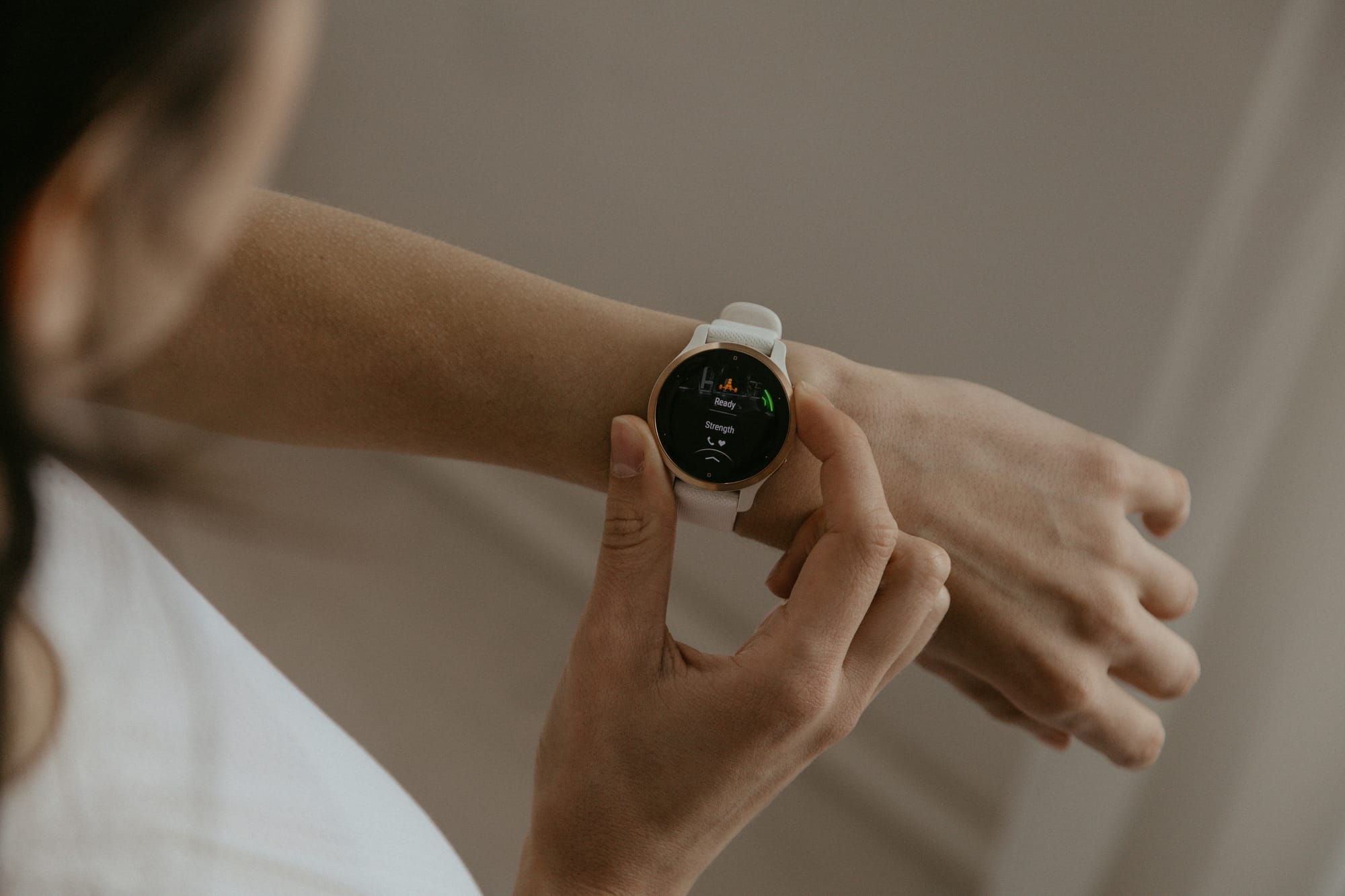
‘Life Cycle will build a world-leading resource to address this gap by collecting data using real-time digital tracking using a smart watch, ovulation tests, and menstrual fluid from participants in the Bristol-based Avon Longitudinal of Parents and Children and Born In Bradford (BiB).’
‘It is a very exciting time for women’s health – after being understudied for decades – we are finally talking about menstruation and menopause and funding efforts to better understand these.’
 Jenine Alathari
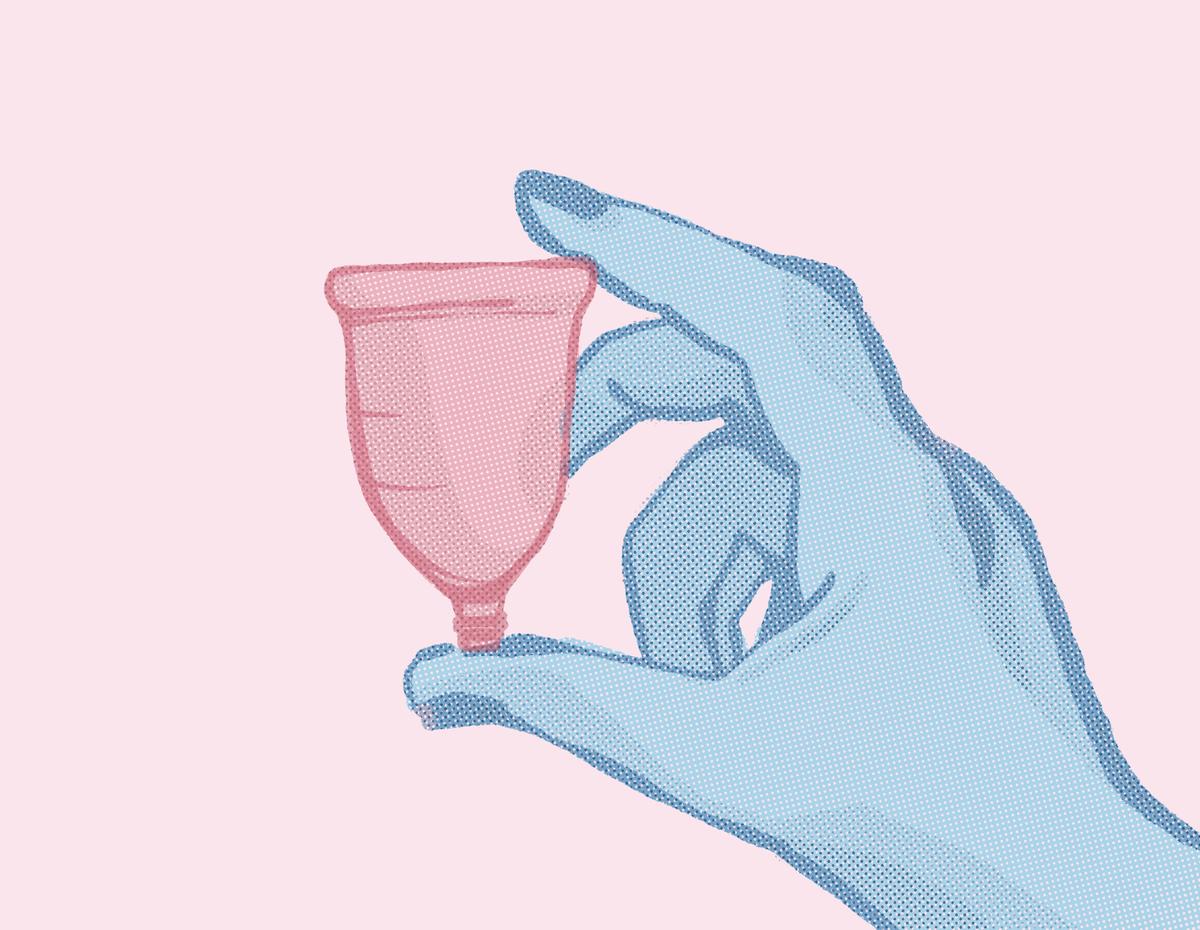
The study will provide a greater (and long overdue) understanding of menstrual health and better guidance on how to accommodate for periods. It will support reducing diagnosis wait times and finding effective treatments for life-changing conditions.
This research hopes to remove the stigmas and stereotypes around periods, raise awareness and accessibility around menstrual health and, mostly, allow women to feel safe talking about and experiencing periods in every environment, without being overlooked, because it is not ‘just a period’.
Please note that this article is not medical advice. If you have any questions or concerns about your health, please speak to a GP or call NHS 111 for advice.
On the CycleTrack website, you can also find a section on menstrual facts and a section on helpful resources, including a Wellbeing of Women Period Symptom Checker, which is a quick tool to help you determine if any of your period symptoms are something that you want to contact your GP about.
Featured Image: Epigram / Ella Joshi
Have periods ever gotten in the way of your life at university?