By Tara Cox, Second Year, Economics and Politics
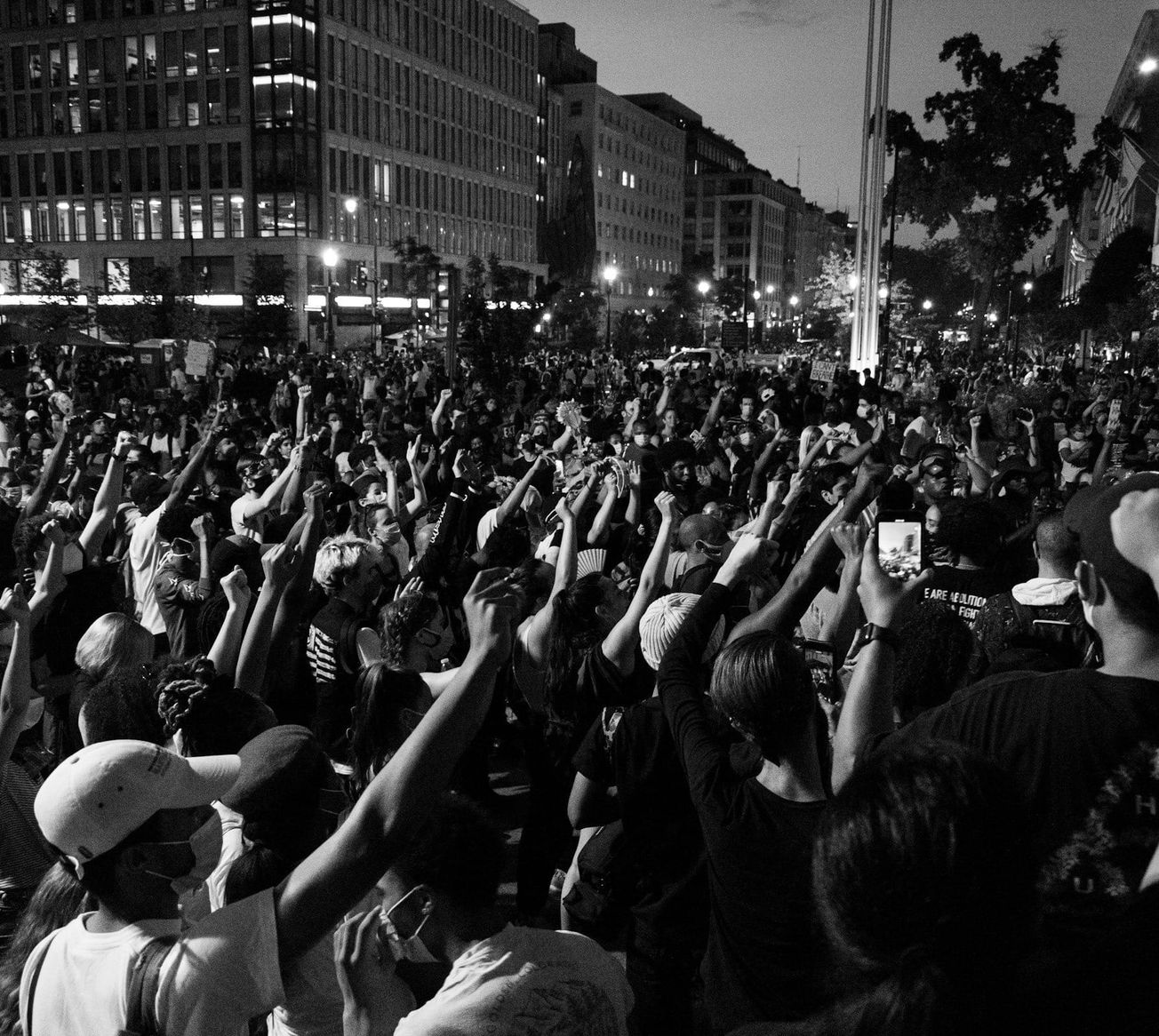
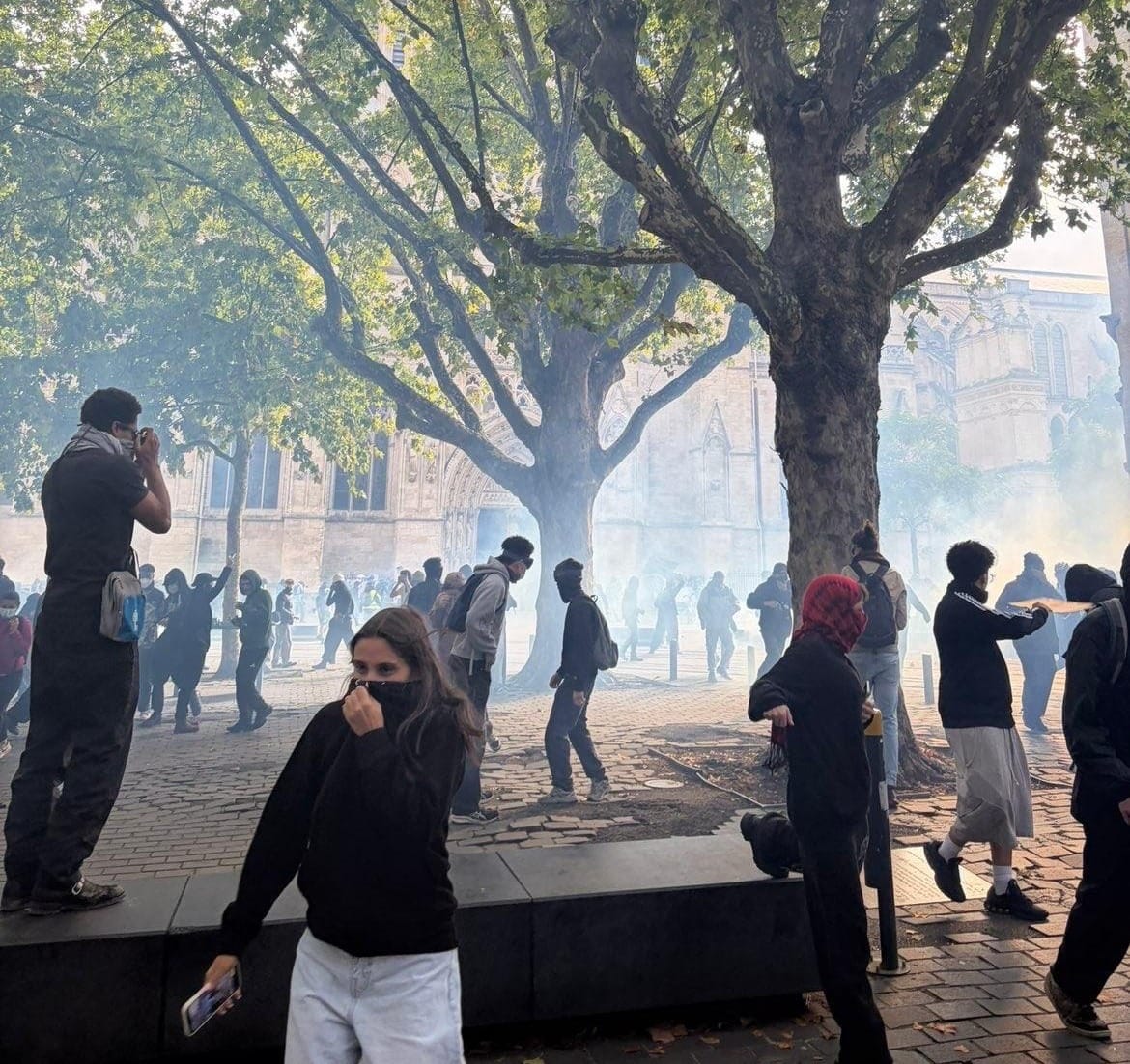
France, Spain, Albania, and Italy, 2026 have seen waves of youth-led anger spill onto the streets. These protests have shaken societies but have yet to achieve lasting political change. In contrast, Serbia’s 2026 election has marked a turning point in what youth mobilisation can achieve. Two years of relentless student-led protests, innovative use to social media campaigns and careful messaging has penetrated all sections of society and culminated in a monumental victory for the grassroots, non-partisan and leaderless movement called ‘Student List.’ In the aftermath, hundreds of thousands of Serbs congregated to celebrate the demise of Aleksandar Vučić, the autocrat whose power had a firm grip over Serbia for 14 years. This disruption of traditional power structures through grassroots movement sends a message of hope to youth movements all over the world.
Anti-government sentiment has been simmering in Serbia for years. During my time in Belgrade, I was constantly struck by the prevailing language used to describe the governing party as a ‘mafia.’ One conversation with a restaurant owner in Belgrade stayed with me, he expressed a deep mix of grief and anger over the erosion of Serbian culture and devaluation of social norms, blaming it on the systemic corruption.

This atmosphere was channelled into protest in November 2024, following the newly renovated railway collapse in Novi Sad. Sixteen people were killed. The tragedy became a symbol of the corruption that pervaded all levels of Serbian politics and society. It starkly demonstrated how misuse of public funds and bypassing of regulation led to death, whilst the government absolved itself of responsibility. In the two years since, students have been persistent and patient. They organised university blockades and peaceful protests, bringing hundreds of thousands of citizens onto the streets across 400 cities. Over 20,000 peaceful protests took place in the first 10 months alone. Student decision-making was conducted through university plenums,’ where assemblies enabled each student at a faculty to debate and pass proposals by a majority vote. This sought to remove barriers between citizens and power, placing universities as a focal point for direct democracy. These decisions determined street-level tactics and the overall direction of the movement. What started as a student movement transformed into a national political force, spanning urban and rural areas and transcending the confines of political ideology. The unifying message was one of anti-corruption and systemic change.

In response to growing pressure from the protests, Vučić announced snap parliamentary elections. The students were ready. They put forward 250 members of civil society – 160 of whom had PhDs – to form the ‘Student List.’ It included people from all walks of life, ranging from academics, legal experts, teachers, doctors, actors and farmers, all running against Aleksander Vučić’s Serbian Progressive Party. The ‘Student List’ was uniquely faceless, which stripped Vučić of his usual ability to demonise an individual opponent, through exerting his influence over the media. They campaigned with an 11-point programme which firmly focused on domestic issues: notably, alleviating corruption and restoring free and fair democratic institutions. Ultimately, they secured 140 out of the 250 seats, with the highest voter turnout in 30 years (70 per cent.)
Serbia’s students have shifted the political paradigm away from traditional partisanship, towards a deliberative democracy. That is not to say that the ‘Student List’ is entirely unified. The fact it has mobilised across diverse political values may pose a challenge to consensus. They still face ultimate challenge of governing, and whether they retain the deliberative nature remains to be seen. Amid growing polarisation and youth disenfranchisement, this victory offers a new model for citizens re-empowerment, achieved through coming together under a shared goal. It is a monumental victory for the plight of young people, who face unprecedented crisis in an uncertain world.
The world is watching this political experiment, and young people should be too.
 Phoebe Belle
Featured Image: Unsplash / Koshu
How would you feel about students running the country?