By Finn Wastnage, Second Year, Politics and International Relations
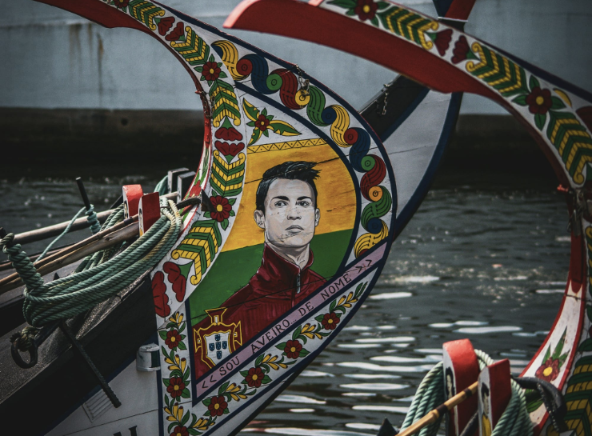
The Beatles, Fleabag, the Harry Potter films. What do these have in common? They ended when they should have. All three were fantastic, had development and left fans feeling fulfilled. If you compare this to the Stone Roses, Riverdale and the Fast & Furious franchise, you get a completely different story. With Cristiano Ronaldo’s recent announcement of his international retirement, it is fair to suggest that the twilight years of his career were more of a recent Fast & Furious film (in which they have superpowers? How does a movie franchise that started as a grounded film about cars and racing devolve into that?) than the later work of the Beatles.

I am by no means suggesting that Ronaldo should treat his career as entertainment that needs a neat beginning, middle and end for a satisfied viewer. He is obviously an individual with his own ambitions and probably was not worried about my perspective in this article, though he very well may read Epigram. But, come on, he was past it at the 2022 World Cup, way beyond it at the 2024 Euros and in 2026 he was a mere ghost of his former self. The previously lightning-fast and highly skilful winger has become a rigid striker who needs the team built around his strengths, often sacrificing their own, for him to function. He scored just four open-play goals in his last three major tournaments, barely Ballon d’Or-winning numbers.
Ronaldo is not alone in this. His former teammate and England captain Rio Ferdinand saw his 12-year spell at Manchester United end in 2014, after he played just fourteen times the previous season, because the club chose not to renew his contract. Rather than seeing this as a fitting end to his story, he joined his former manager Harry Redknapp at Queens Park Rangers. But injuries plagued him, and he featured just eleven times that season, costing them roughly £130,000 per appearance. They finished rock bottom. England teammates Wayne Rooney, Michael Owen and John Terry also arguably met similar fates at the end of illustrious careers.
This phenomenon is not exclusive to the beautiful game. A once utterly dominant, unstoppable force in the NBA, Shaquille O’Neal ended his career at the Boston Celtics aged 39. When he did make it onto the court, which he struggled to do because of his losing battle with injuries, he produced a fraction of the points he would have in his prime. Similarly, one of the greatest to ever do it, Muhammad Ali, came out of retirement to fight his former sparring partner Larry Holmes. Now aged 38, Ali was thoroughly outclassed and outfought. His trainer did not let him come out for the 11th round, a sad ending to one of boxing’s greatest tales.
But why do sports stars, even the greatest in their field, never know when to hang up their gloves (or boots)?

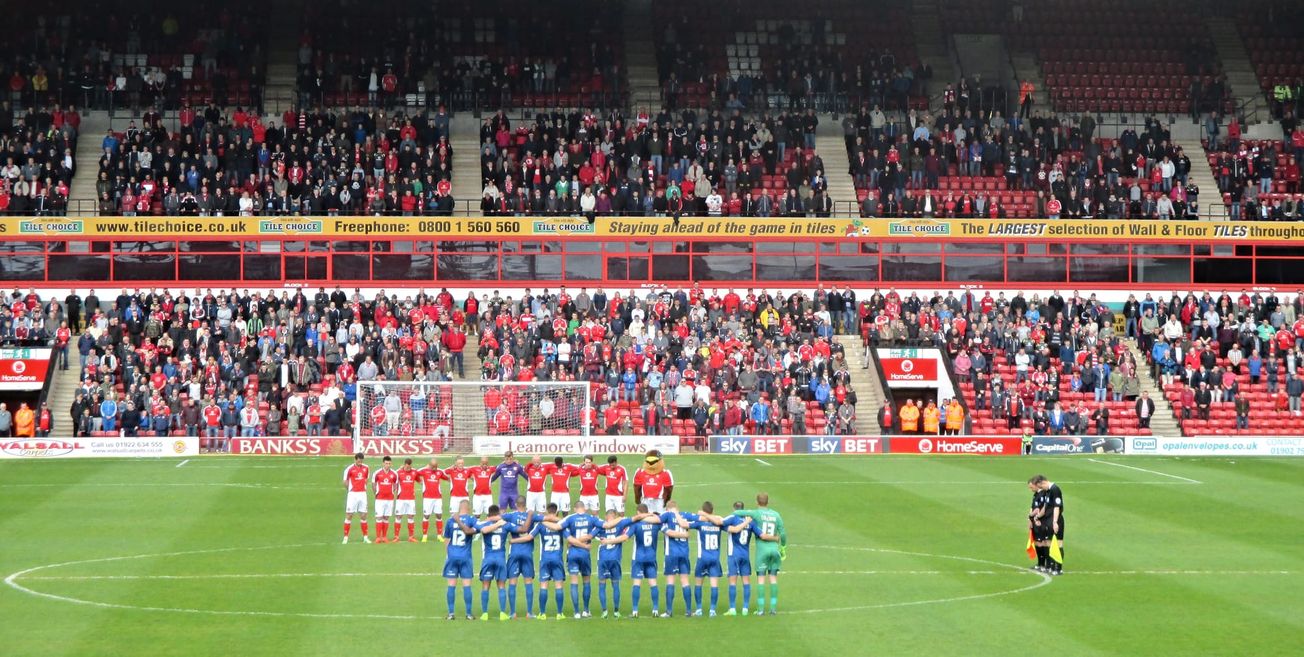
From what I can tell, a lot of athletes suffer from what I want to call “one moreism”. This is exactly as it sounds: they want one more triumphant win to perfectly cement their legacy. There are cases where this has actually gone to plan. Paul Scholes once announced his retirement after Manchester United’s Champions League final defeat to Barcelona, stating that “his legs had gone”. However, he came back seven months later and contributed significantly to Manchester United’s title win in 2013, after which he retired for good. In a similar vein, Ben Foster came out of retirement to play for National League side Wrexham, where his heroic penalty save earned them promotion to League Two. It is likely that footballers look at cases like these, and at Toni Kroos retiring on a Champions League win, and want a similar feat.
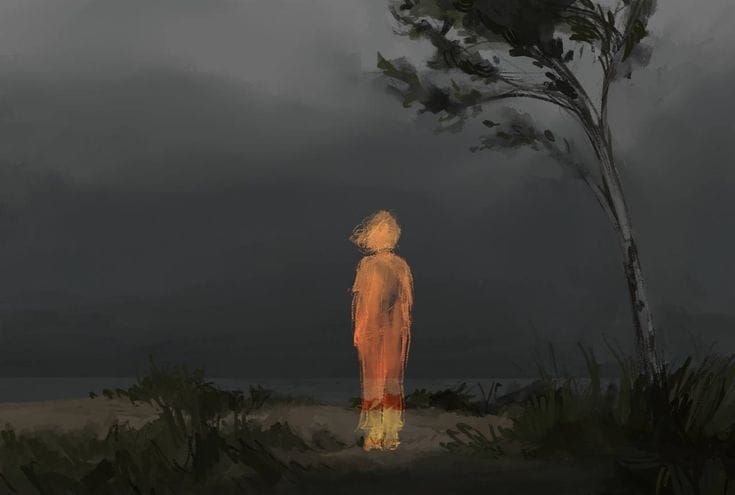
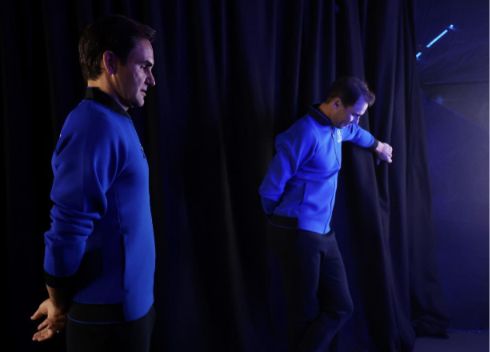
Moreover, there are many psychological factors at play that can’t be overlooked. Roger Federer produced a documentary called “Why athletes die twice”, referring to when they retire and when they actually die. In this, he is vulnerable about the profound impact that retirement has on the mental health of athletes, and the severe loss of identity. The lifelong dedication, often prioritised over friends and family, is inevitable with success. But sports careers end significantly sooner than any other, so after this lifelong build-up many are left without purpose. The risk of retirement is the risk of losing the very thing that makes them who they are.
This is significantly heightened at the Olympics, where years of training and a minimum of four years of build-up lead to one moment, which in some sports may last less than fifteen seconds. Because of this, you would expect winning a gold medal to be a euphoric feeling like no other, but that’s not always the case: one study found that 34% of athletes battle with depression, with 19% reporting alcohol misuse. Michael Phelps is the most decorated Olympian in history, winning an astonishing 28 medals, 23 of them gold. Despite this, he often talks about his battle with recurring depression and how it was almost fatal.
This is known as arrival fallacy, and it affects a lot of the athletes we know and love. Just a year after being crowned heavyweight champion of the world by beating long-reigning champion Wladimir Klitschko, Tyson Fury was battling depression. He gained nine stone and openly talks about the mental challenges he faced after winning the belt. However, he has since come back to boxing and will be fighting Anthony Joshua next month.
Despite his return, it still demonstrates how closely linked success and identity are, and how dangerous this can be for professional athletes. This may help explain why a staggering 40% of former Premier League players reportedly declare bankruptcy despite it being one of the highest-paid professions. 40%? I could not comprehend it when I first read it. This goes far beyond financial responsibility, it points to athletes losing their sense of self after playing, and breaking down as a result.
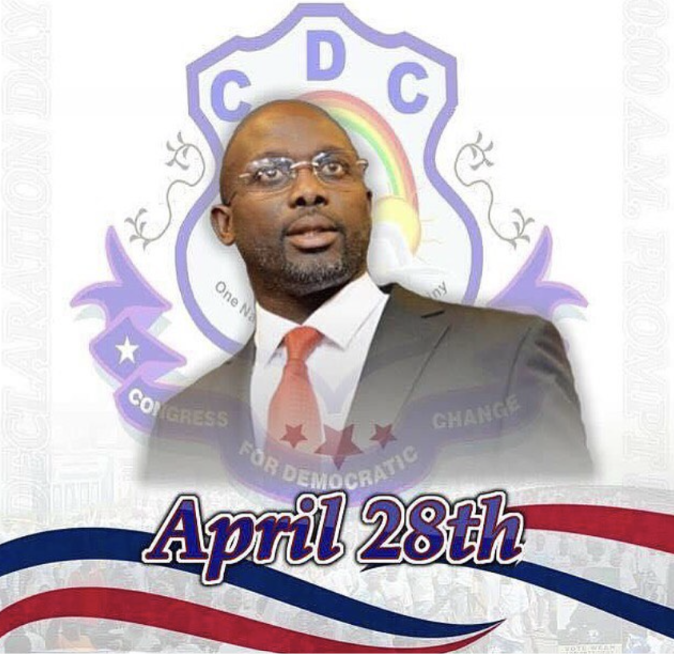
How can athletes combat this loss of identity? Many throw themselves into work closely linked to the sport they once played. This includes punditry, a second career for many former stars, with notable examples including footballers Gary Neville and Jamie Carragher and the previously mentioned Shaquille O’Neal. Others have chosen more unconventional careers, such as Jim Bunning, who was elected to both the Baseball Hall of Fame and the US Senate. This transition to politics has also happened in football, as Ballon d’Or winner George Weah became president of Liberia in 2017. I wonder if his son Timothy will make a similar transition following his footballing career. In an even more unconventional change of path, World Cup winner Lukas Podolski has opened a chain of kebab shops across mainland Europe. In these a kebab reportedly only sets you back £6.77. Almost worth the flight.
What have we learned? Sports careers are not linear and often do not have a satisfying ending for both fans and players. Careers are instead often interwoven with players’ identity and sense of self.
Therefore, you can’t really blame Ali for giving it another go, or Rooney for trying to roll back the years at Derby. When decades of their life have been building up a career, one of the hardest parts is, understandably, knowing when to let go.
So, what should Ronaldo do to fill the massive football-shaped void in his life now that he has retired? I don’t know, maybe open a chain of kebabs.
How do you think athletes know when it’s time to call it a day?
Featured image: Unsplash / Diego Cardoso