By Jesse Frizzell, First Year, Geography
Nostalgia is a dangerous thing to adapt. It’s easy to sell and almost impossible to get right, and Ben Gregor’s The Magic Faraway Tree (2026) risked it all in a modern adaptation of Enid Blyton’s beloved children’s book series about a magical tree (as the title rather gives away).
For a 10-year-old, Blyton’s books became a space where all the beauty, unfamiliarity, and terror in the world played out in a manageable way. The magic spilled out of every page I read, and re-read, and read again. And it wasn’t just me; generations of children (and adults) sought refuge and escapism in the tree’s branches.
So, following the announcement of the film’s release, initial scepticism set in, and understandably so. This wasn’t just another remake, but a risky attempt to visualise and live up to a world that defined a huge part of my childhood. That comes with a particular kind of pressure, and was actually what made me think I’d hate this film. One quick search online doesn’t help either: you are most likely met with a wave of cynical, broken-hearted, performatively moralising critics, all seemingly determined to miss the point entirely — adult nostalgia.
As source material, Enid Blyton is certainly both beloved and slightly chaotic, which makes her the ideal territory for screenwriter Simon Farnaby. A familiar and iconic face in British television, but more notably the co-writer of Paddington 2 (2017), one of the rare sequels that genuinely betters the original, Farnaby clearly knows exactly how to handle this kind of story, preserving the chaos while heightening the charm. He prioritises whimsy over structure in this film, championing those joyfully unnecessary moments that seem to exist simply for delight.
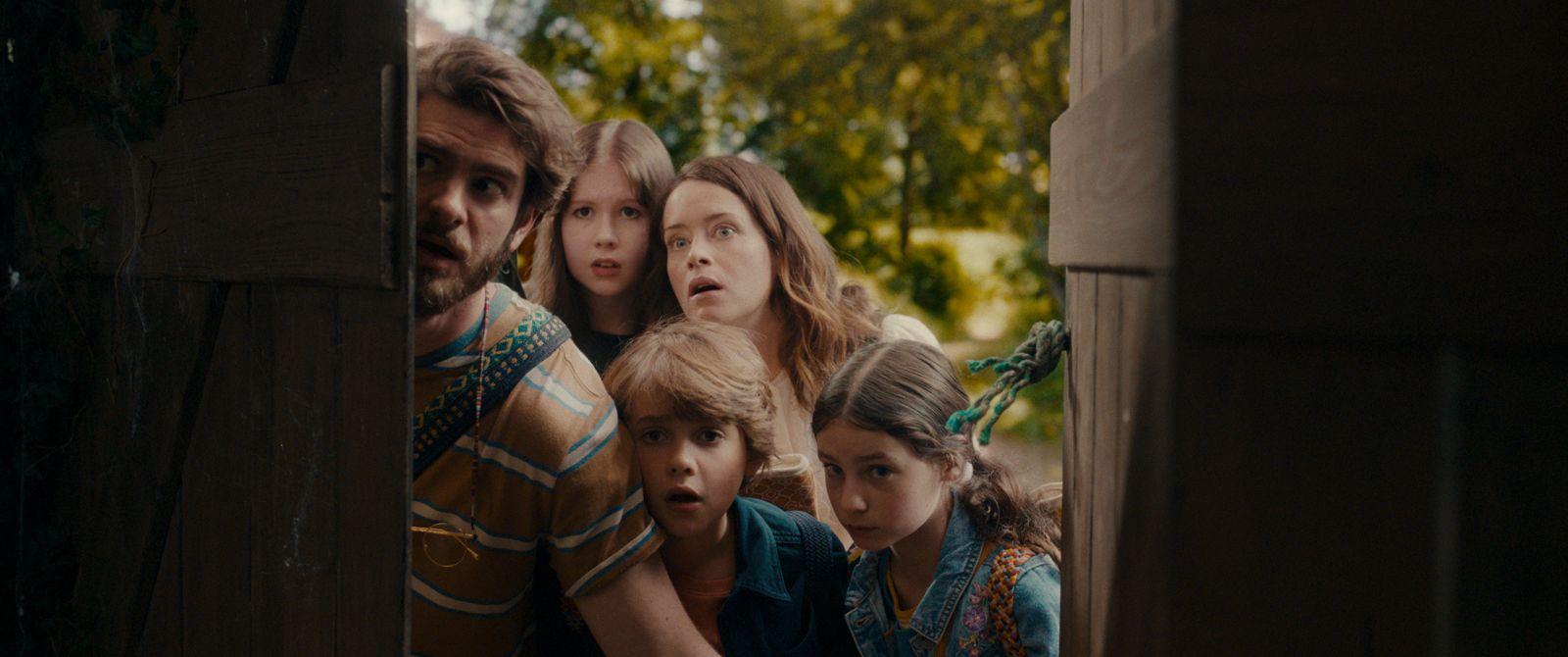
The film follows a couple deep in the throes of a distinctly modern midlife crisis: mum Polly (Claire Foy) has just lost her job, while dad Tim (Andrew Garfield) is slowly going stir-crazy at home with their three screen-obsessed children, Beth (Delilah Bennett-Cardy), Joe (Phoenix Laroche), and Fran (Billie Gadsdon). And naturally, as all onscreen midlife crises demand, they move to the English countryside, where they are forced to stay in a borderline uninhabitable barn with no electricity or signal. Horror. Tragedy. Character development.
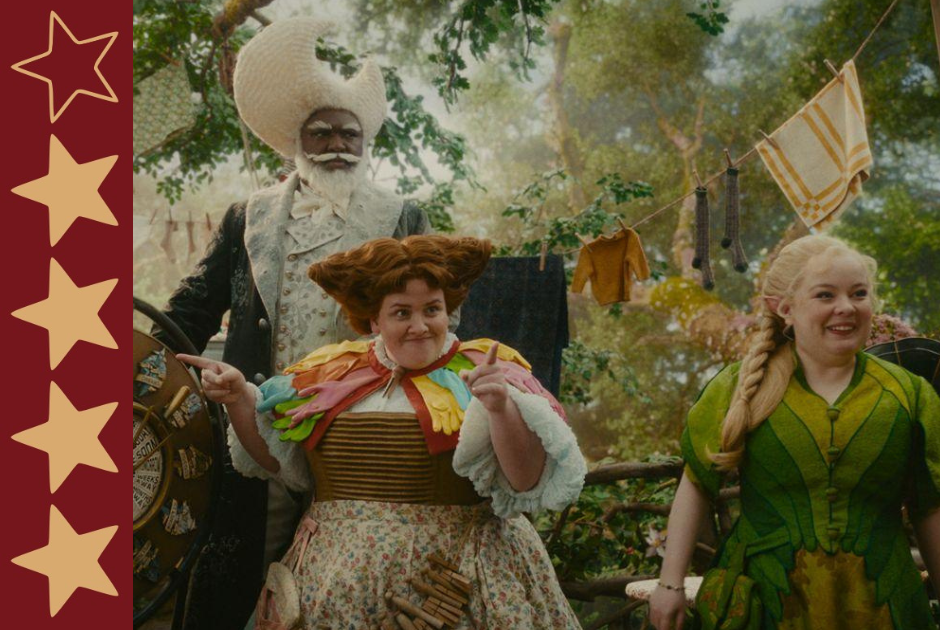
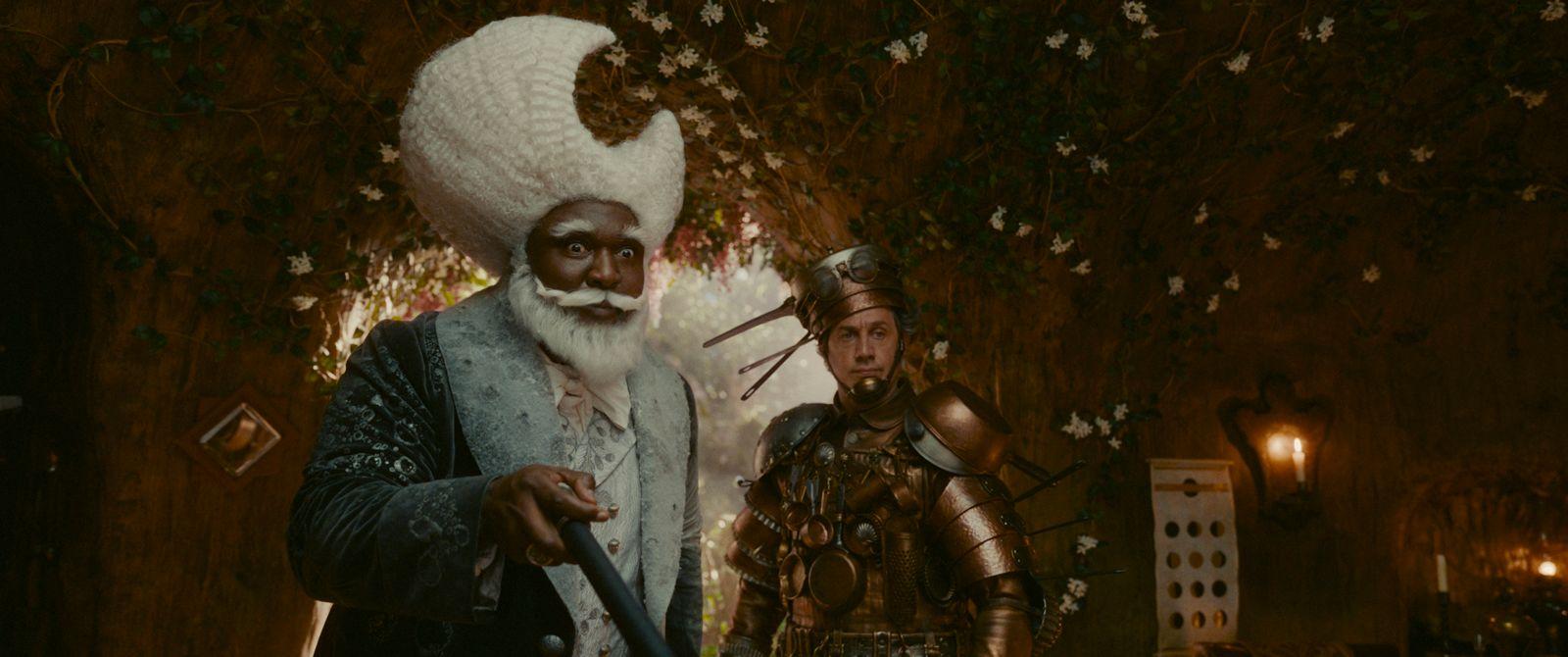
The children, initially horrified by the concepts of the “outside” and “trees”, eventually surrender to their imagination, uncovering the nearby enchanted woods that conceal the infamous Faraway Tree piercing the clouds. It is populated by an assortment of eccentrics: Moonface (Nonso Anozie) and his gravity-defying crescent hair — a surprisingly polarising revision for fans — the fairy Silky (Nicola Coughlan, joyfully radiating the same charm she honed in Bridgerton), and the gloriously muddled Saucepan Man (Dustin Demri-Burns), to name a few. Together, they traverse new worlds like the Land of Goodies, Spells, and Birthdays that are most definitely any child’s dream.
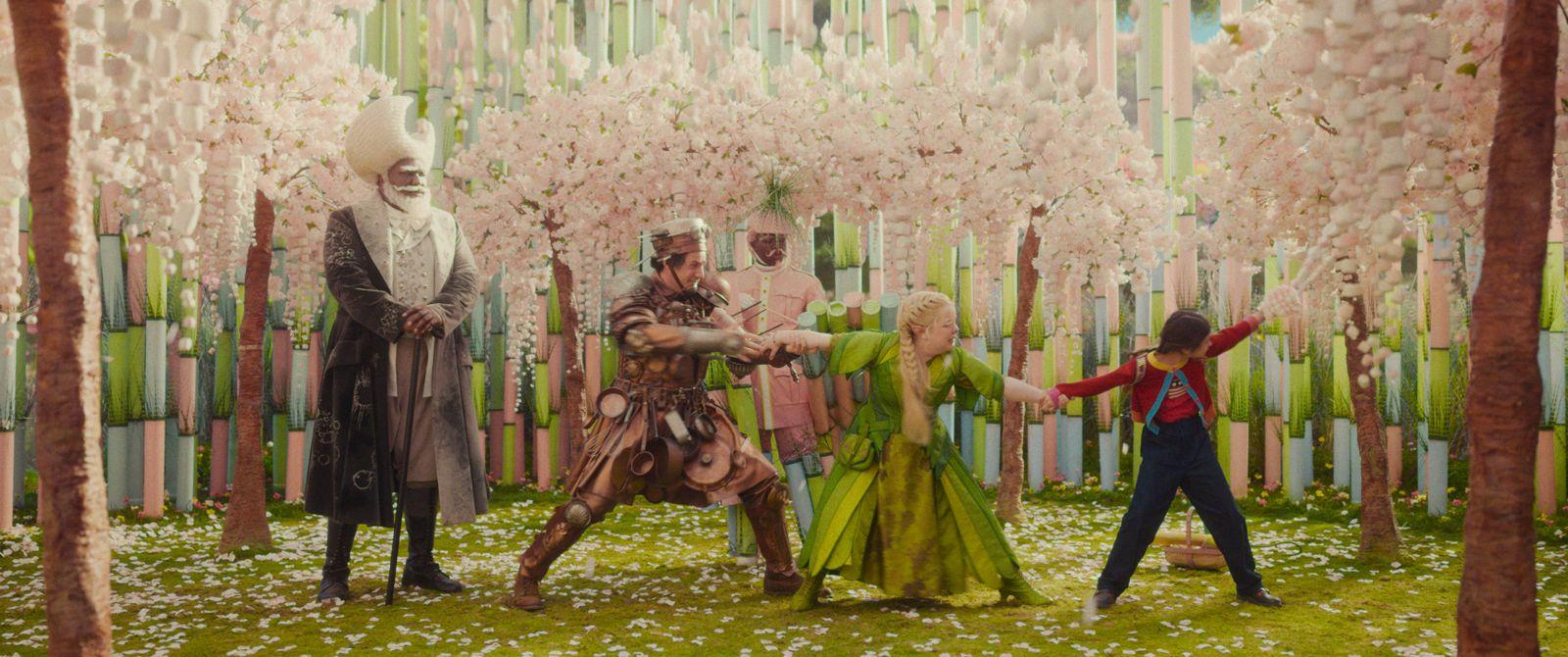
Watching them slowly learn to swap screens for spells is the film’s quiet triumph: not a lecture, but a gentle reminder to live in the real world. Whilst the movie gestures towards that classic Blytonesque spirit of childhood adventure and the outdoors, this is largely reimagined for a modern audience — one with a very clear desire for digital-age escapism.
As a book series that emerged in a post-war environment (1943), it offered something genuinely vital: imaginative release and a breath of fresh air from wartime austerity and restriction. The 2026 adaptation seems keen to replicate this function for a generation consumed by technology and AI. The intention remains the same, but now the emotional stakes are far less tangible and immediate, and perhaps that explains why the adaptation feels slightly forced at times.
One thought that particularly consumed me during my viewing was the film’s tendency to announce this theme a little too loudly and with a bit too much enthusiasm. This is perhaps most obvious in the opening scene featuring an AI fridge that steals people’s private data. Likewise, the reliance on familiar tropes, particularly the cliché of the screen-addicted, moody teenage girl, does become almost cringe-inducing at times.
Don’t get me wrong: not all updates are misplaced. In fact, many of the shifts away from Enid Blyton’s more dated, and frankly problematic, elements feel necessary, even overdue. These are changes that can easily be made without damaging the story’s essence or core. But while watching the film, I could not help but question whether some of these alterations simply signal modernity for its own sake, rather than serving a meaningful purpose.
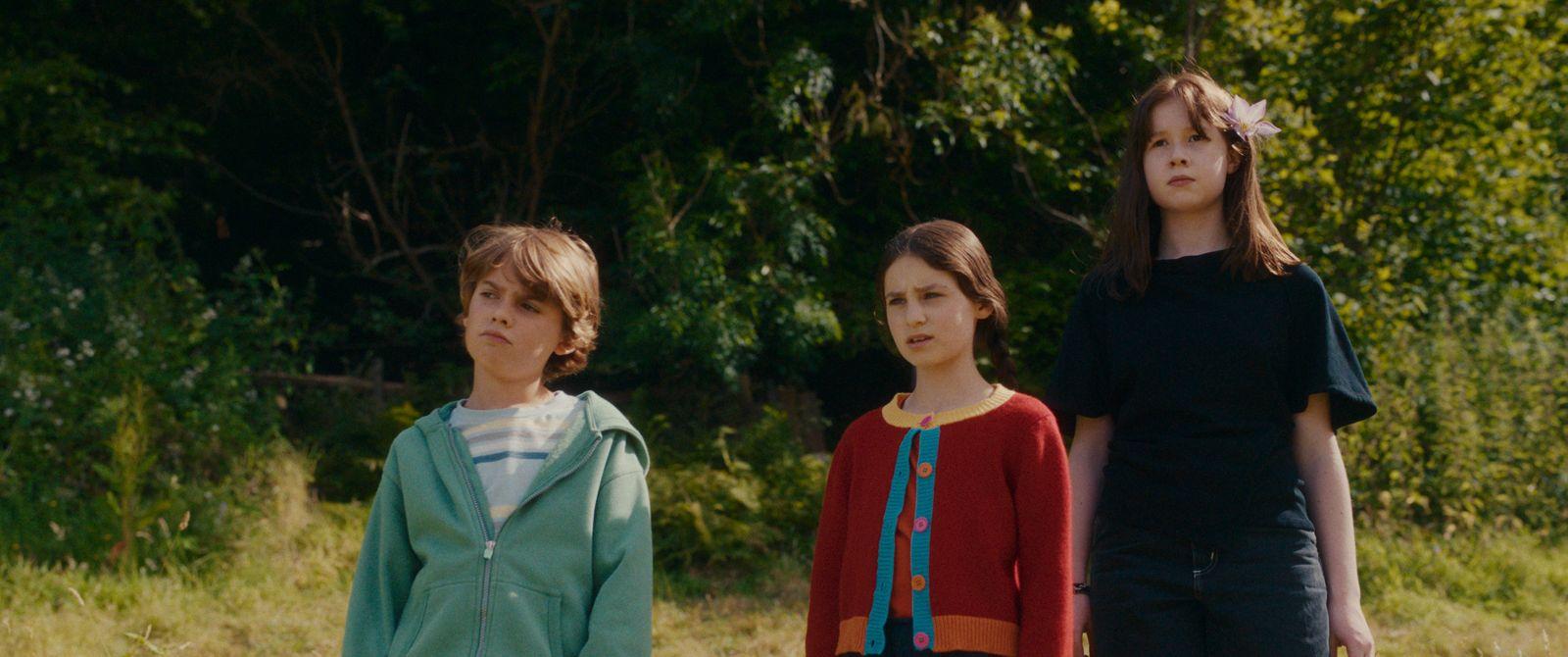
Family dynamics, in particular, are thoroughly reconfigured and modernised. Tim, played with chaotic charm by Andrew Garfield, becomes the whimsical and fanciful dreamer who yearns more to grow tomatoes and make homemade tomato sauce than embrace conventional responsibility. Polly, meanwhile, is the pragmatic breadwinner who gradually softens as the story unfolds. The siblings are also reshuffled: Joe, once the more responsible eldest child, is repositioned as the overlooked middle child, often deployed for comic effect. These changes subtly shift the film’s internal hierarchy of care and authority, certainly speaking to a more modern sensibility. Nevertheless, whether they feel genuine and organic remains the lingering post-credits question.
However, in all its attempts to bring the story forward, the film cannot help but keep finding ways to look back. Watching it alongside many of the women in my family, who themselves grew up with Blyton’s world, I started to wonder whether this was more a film targeting adult nostalgia. What emerged was less a straightforward adaptation and more a shared recognition, a quiet generational overlap. We found ourselves laughing at the same small references and quietly noticing the worlds that had been left behind or reimagined elsewhere, as if the story were revealing not just itself, but our different ways of remembering it, clearly as interested in memory as it is in reinvention. In that sense, it begins to feel less like a film for children alone and more like one quietly addressed to those who once were.
The Magic Faraway Tree does something really special: it sparks a cyclical feeling, returning you not just to the Faraway Tree itself, but to the person you were when you first climbed it. Yet this time, your legs are stronger, and your heart is a little more willing to let go.
Featured Image: IMDb / The Magic Faraway Tree | Illustration by Epigram / Sophia Izwan
Do you think The Magic Faraway Tree successfully captured the nostalgia of Enid Blyton’s original stories for a modern audience?