
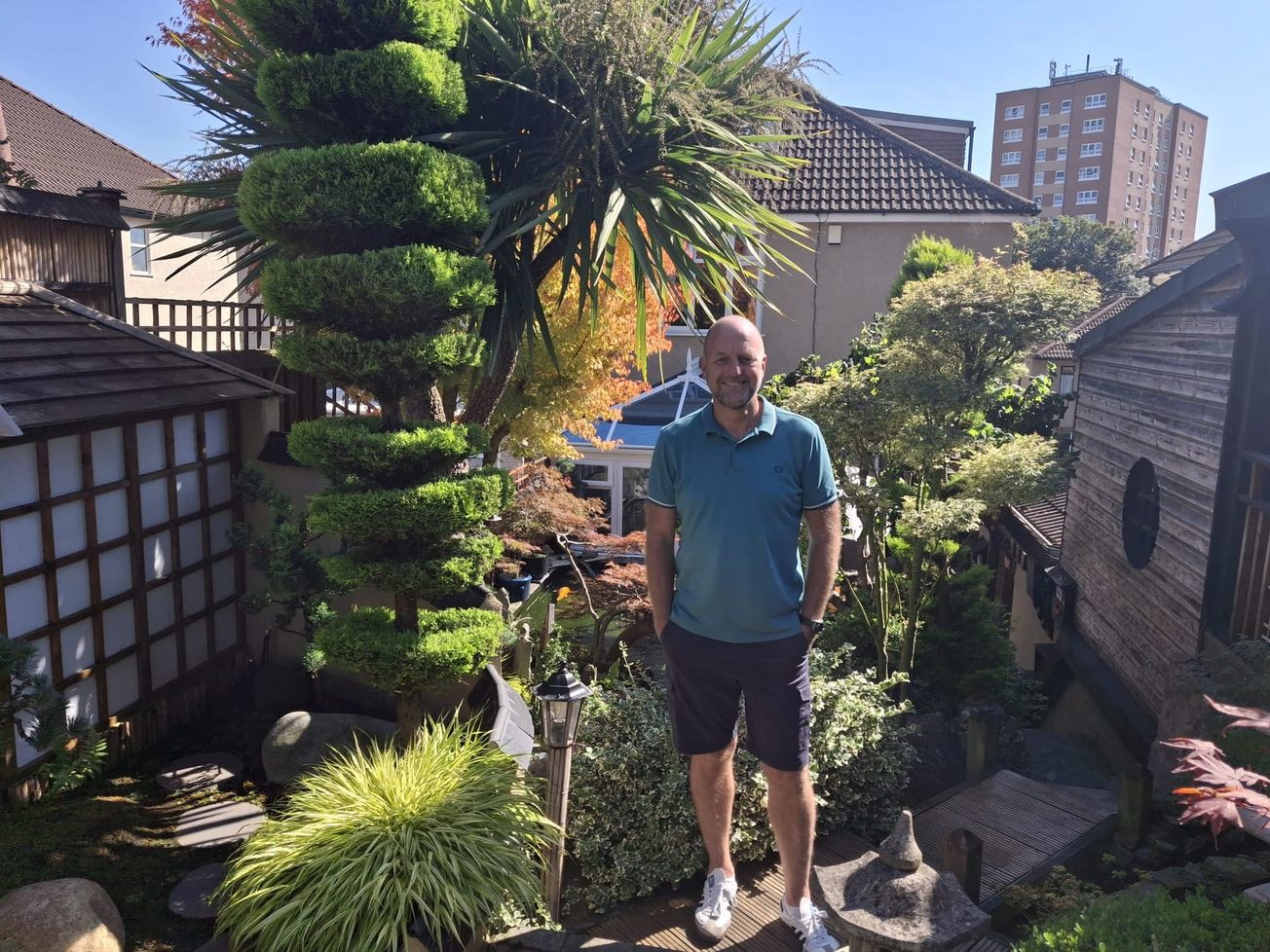
By Hannah Corcoran, Deputy Editor
A stone’s throw from the hustle and bustle of Brislington, come rain or rush hour, Bristol Japanese Garden is to be found in Martin Fitton's back garden. Epigram spoke with Martin to find out more about his unique garden- the only one of its kind in the city of Bristol.
Having travelled in on a sizzling bus, as soon as we step into Martin’s garden we are greeted with the tranquil sound of running water and shade from the splayed branches of acers. Forget a 14-hour plane journey across the world- this pocket of Japan is a short bus trip away for us Bristol students. Because Martin’s garden slopes uphill he’s designed it to consist of layers. Each connecting tier is cleverly disguised by foliage, a winding path, and a stream.
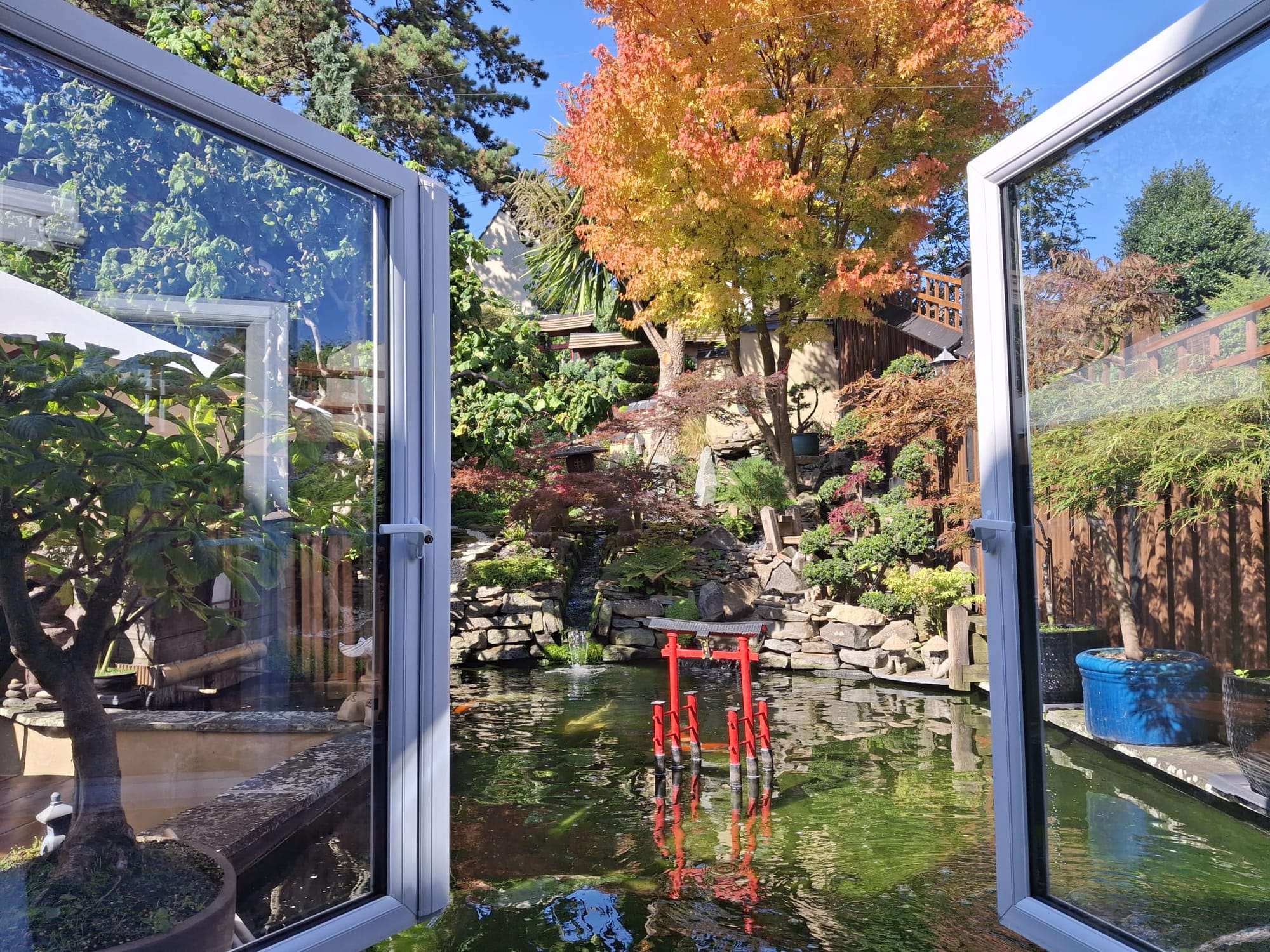
Level with the house is the koi pond that marks the start of the story. Martin says when he, his wife, Cyndie, and his children first moved into this house in the nineties the garden was just a lawn. But it didn’t stay that way for long. Inspired by memories of his grandparent’s pond as a kid Martin knew he wanted to build his own and keep koi carp in it.
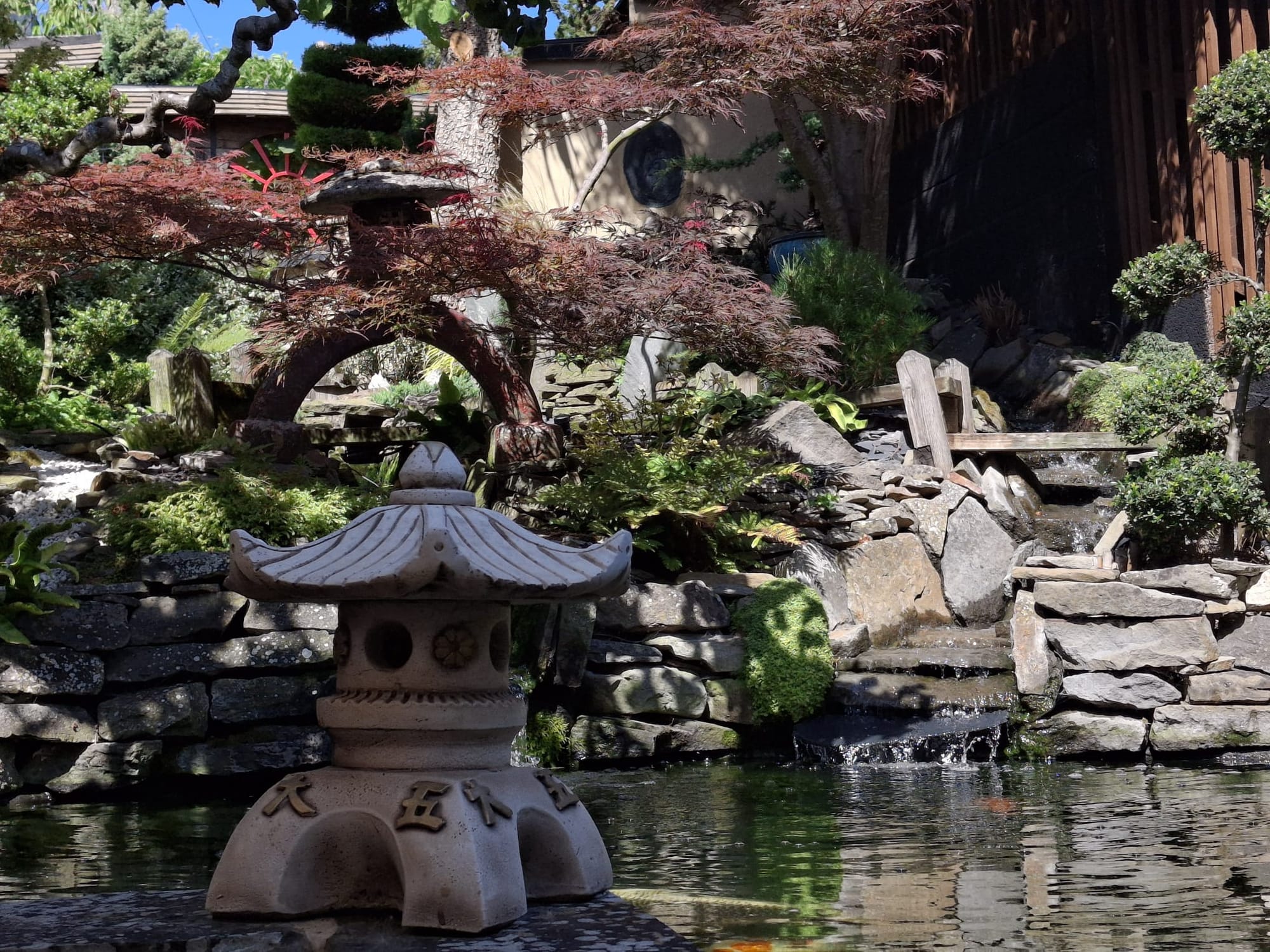
But it didn’t stop there. In 2009, inspired after a trip to Compton Acres, Martin slowly got to work by designing and installing more Japanese features: bonsai, stone lanterns, raked gravel, and more until every corner of his garden was transformed into how it looks now. But the still of the garden today conceals the graft gone into building it. Martin worked within a small budget by sourcing second hand materials and taking on extra work to fund his project.
At once astonishing for its beauty the garden is also a testament to DIY. Excluding help from his son’s friends to position the walls of the tea house, every aspect of the garden is down to Martin’s vision and work. With no formal training in gardening, woodworking, or landscaping he says teaching himself new skills, including building a website and video editing, has been eye-opening. It’s also a testament to what is possible when you’re willing to turn your hand to something new- even when you’re short on time and money.
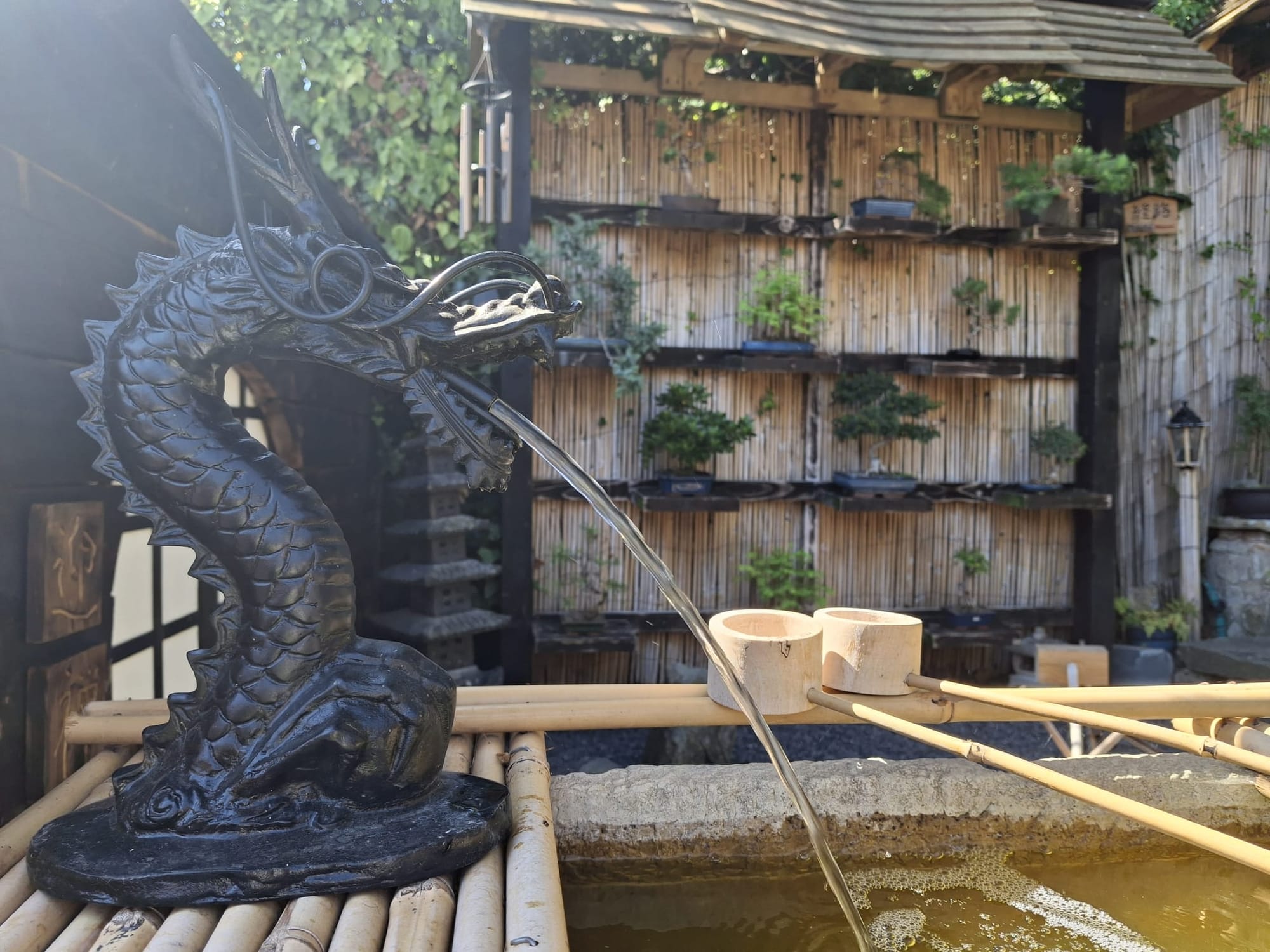
Martin jokes some sources of inspiration for his garden come from his job as a tanker driver. Many hours on the road sat high up in a lorry means you’re bound to get a sneaky look over some garden fences! But more importantly, transforming his garden has given him a way to switch off from the stresses of work. Once Martin shuts his front door at the end of the day, he literally has his own private zen garden.
He could very understandably keep his garden a secret but since lockdown it has piqued the interest of not just the UK press but also Japanese mainstream media. Since opening his garden to the public any money Martin raises from booking fees goes back into maintaining his garden or is donated to the National Garden Scheme, which raises money for nursing and health charities.
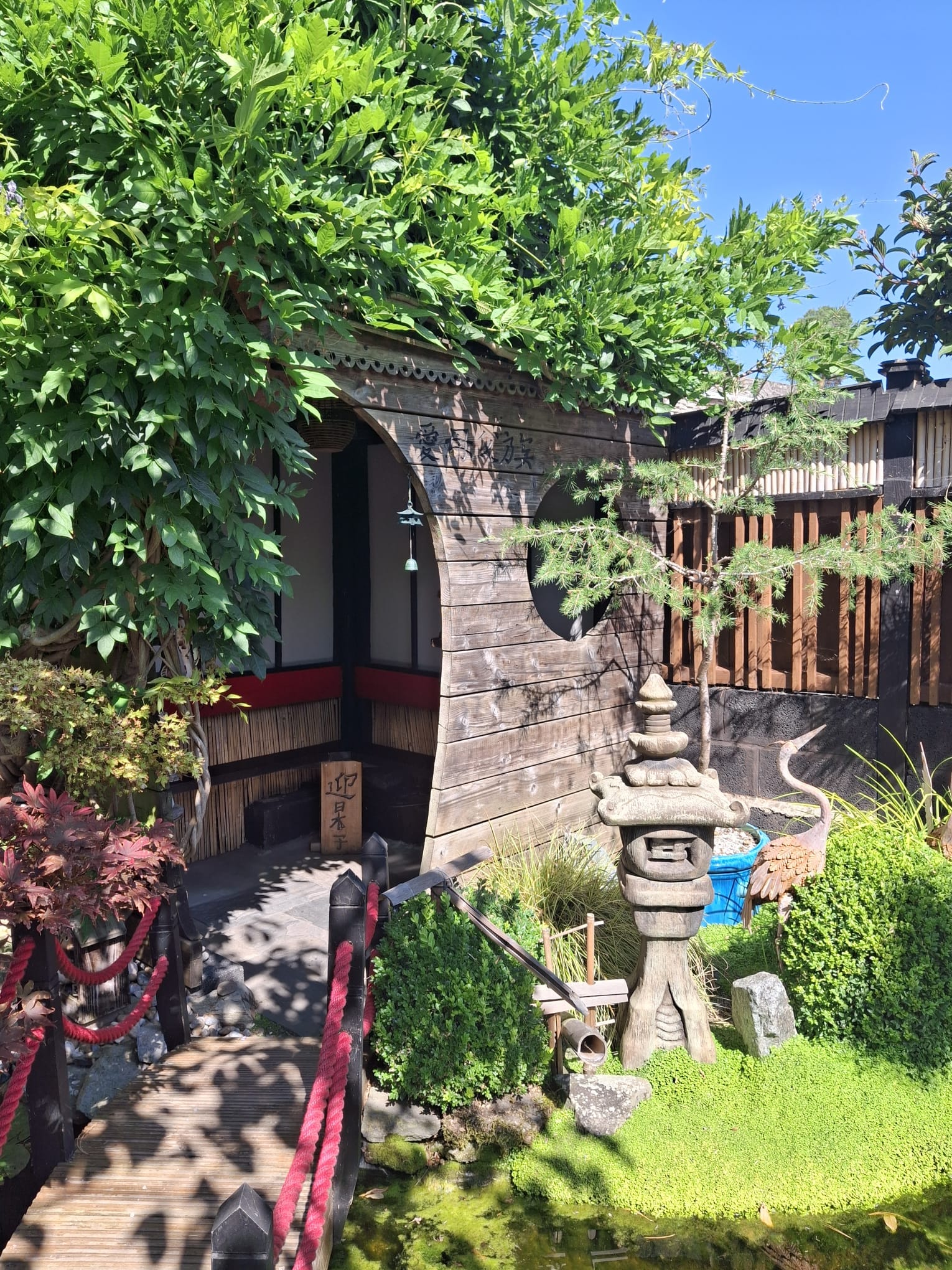
As we walk up the steps to the second tier, we pass vibrant acers and get a closer look at the stream which Martin says he’s planning to work on later this year and widen some sections into pools.
Providing respite from the heat is the recently renovated tea house where guests can enjoy afternoon tea. Beneath the decking is another cleverly concealed pond where Martin moves the koi to in winter. The iridescent black and orange koi here are healthy and active but they can be fickle fish. Martin explains how they need leaf-free, clean and strongly filtered water to avoid toxins and parasites. Water quality aside koi are an enduring species with a lifespan that can exceed fifty years if properly cared for. When the fish aren’t running rings around Martin, he’s been getting them to jump through hoops by making a Japanese doorway water feature they can leap over.
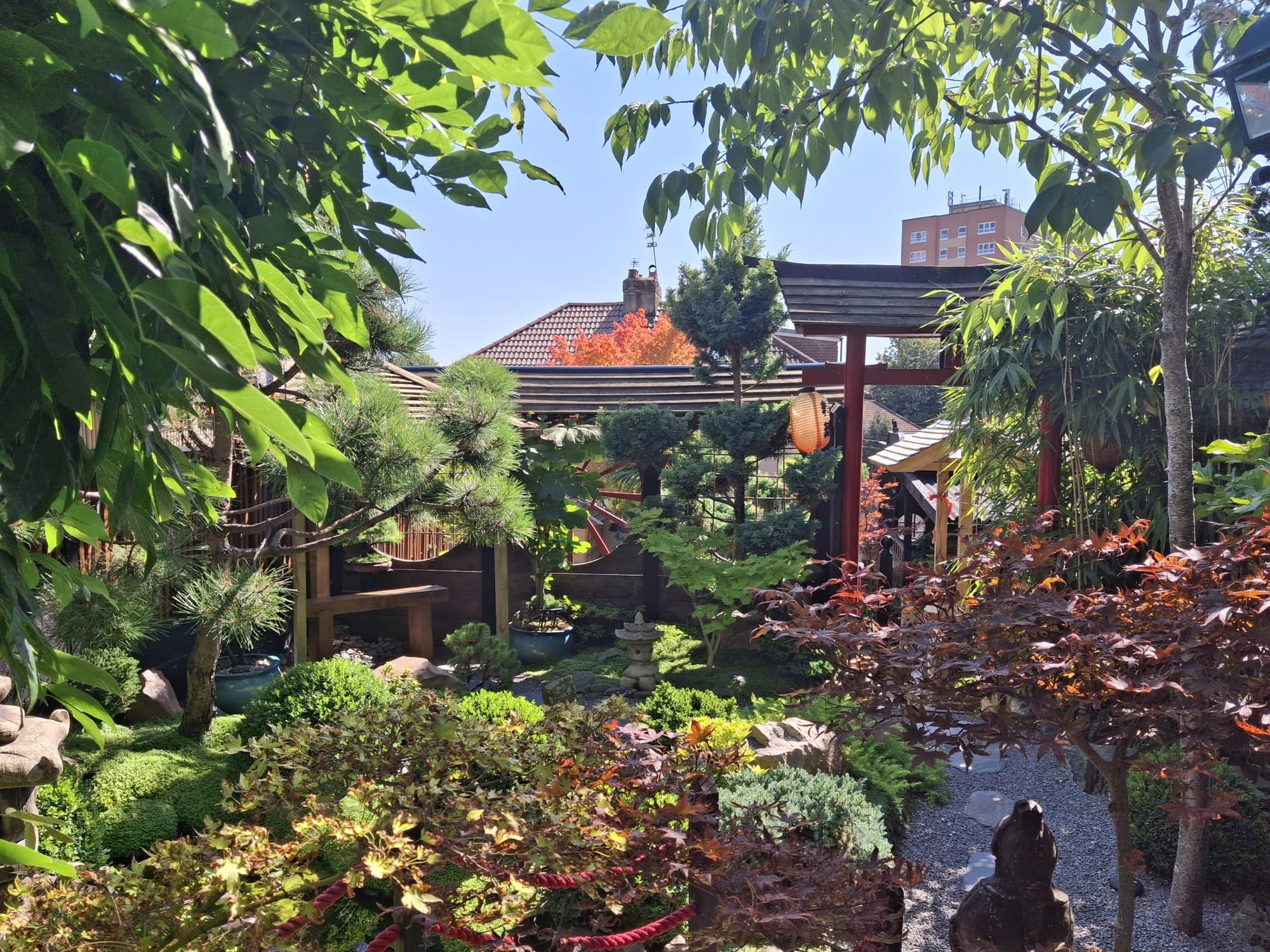
The top tier of the garden is more secluded than the rest. Tucked beyond the raked gravel is Martin’s workshop, a mini bridge, a zig-zag walkway, and another tiny tea house. The zig-zag pattern draws on Japanese legend that evil moves in a straight line- which, in Martin’s case, is unavoidable if you’re driving a lorry down a stretch of motorway!
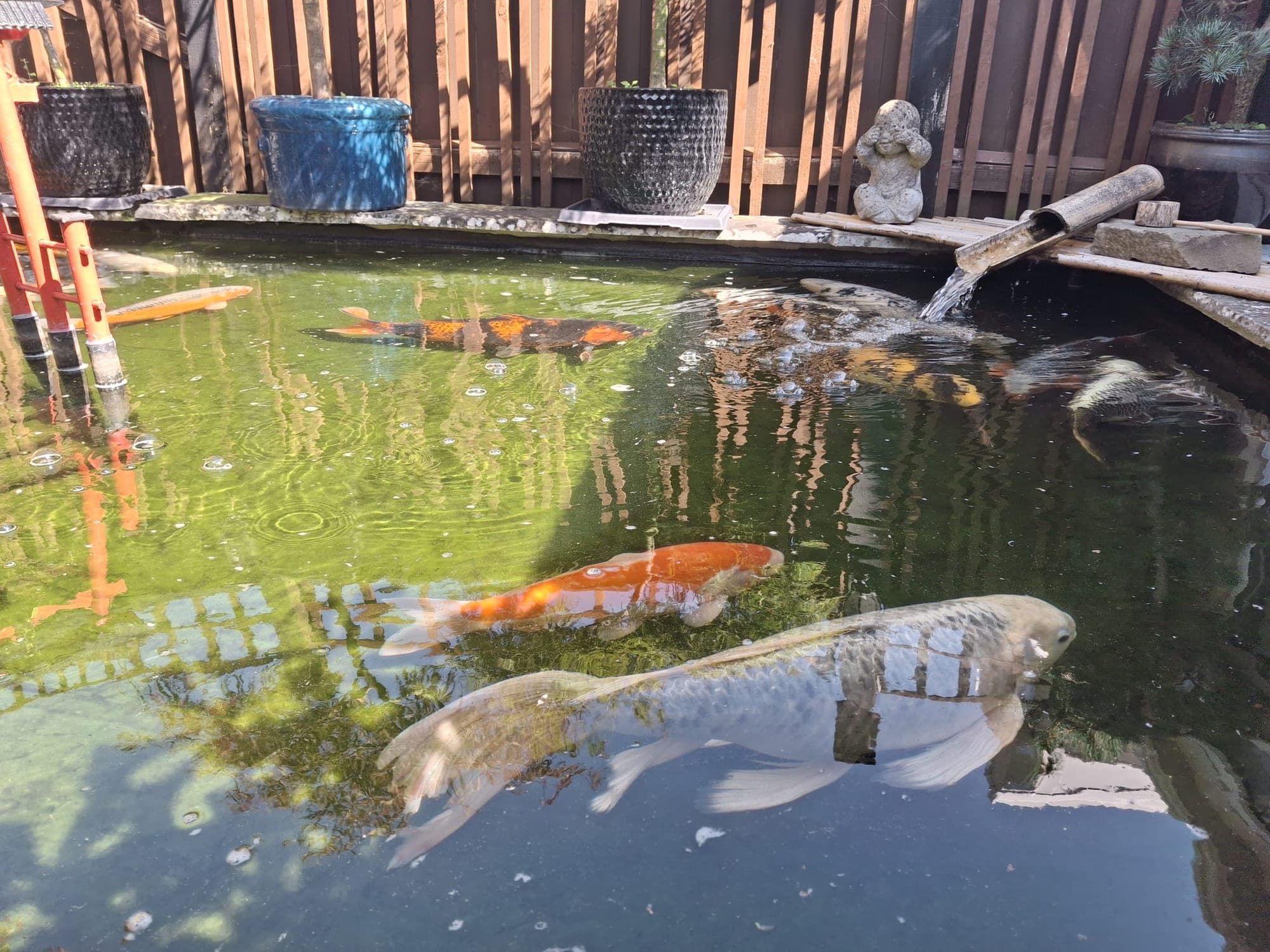
But beyond the occasional gusts of wind scattering leaves and gravel, evil is very much absent here. Martin explains that unlike English gardens Japanese gardens require minimal weeding and with an automatic sprinkler system now fitted there’s more time to enjoy the fruits of his labour. As we look out from the top of the garden the scale of what Martin has created is even more apparent. Our view is framed by a pagoda sculpture to the right and pagoda-inspired topiary to the left. Heaven isn’t reaching the top of Park Street or St Michael’s Hill- it’s reaching the summit of Japanese Garden Bristol.
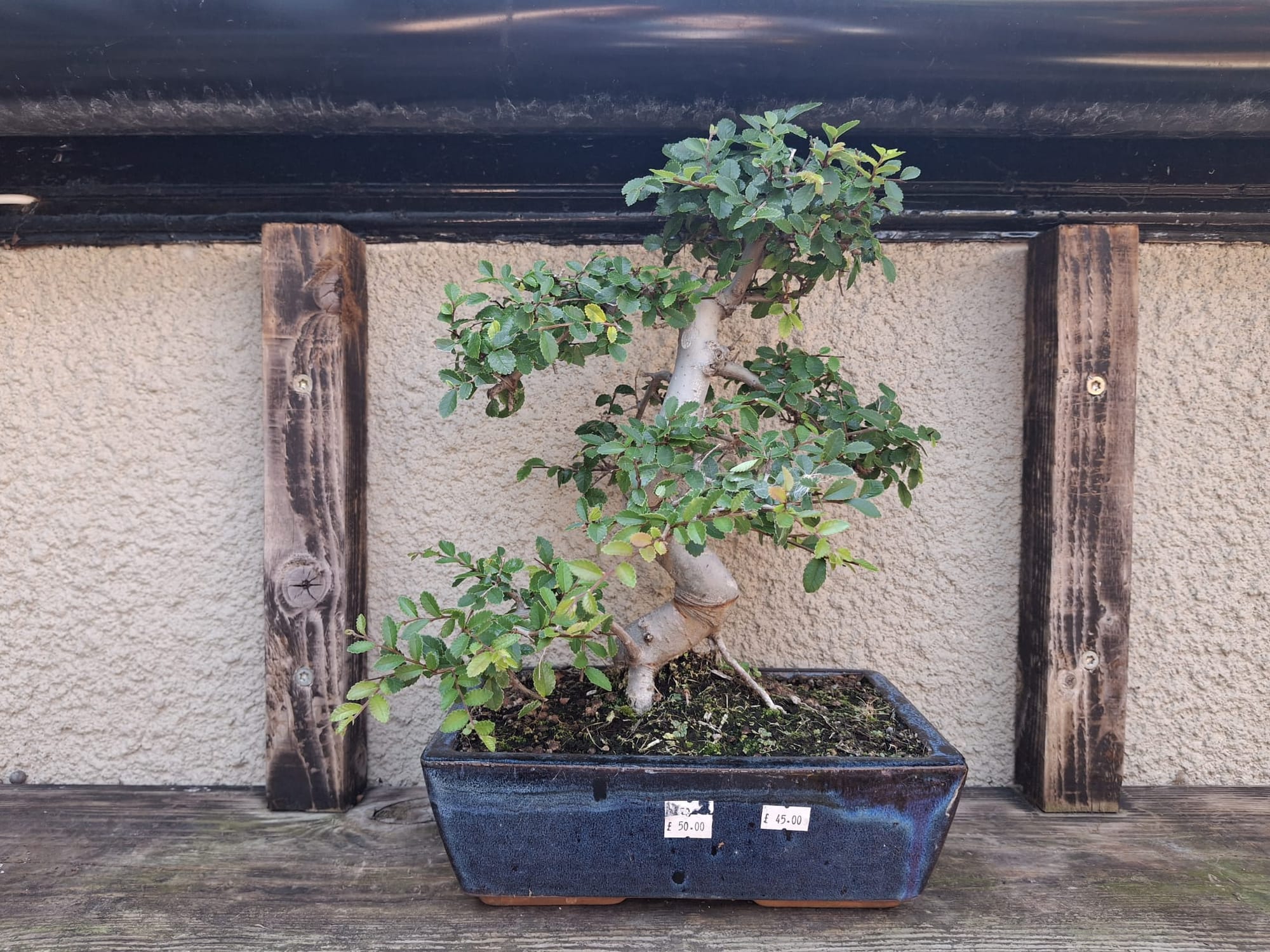
But reaching the end isn’t what Martin’s garden is about. We retrace our steps back to the pond, seek shade and have some cold drinks. Martin says if he’d been told twenty years ago that he’d create what he has today, he wouldn’t have believed it. Having visited Japan with his wife for the first time only last year, he’s drawn even more inspiration from his travels. Generous for sharing his knowledge as well as his garden, Martin makes content on YouTube and Facebook for garden lovers. He imparts his wisdom to us students too. Out of all the plants in his garden, which is best for beginners? He recommends the Chinese elm as perfect for the student bonsai enthusiast. It can be kept inside or outside and just needs a generous daily watering to thrive.
 Anna Dodd
 Olivia Hunt
Feeling low on inspiration and high on perspiration this heatwave? It won’t stay like this forever. With autumn on the approach, why not book a night walk at the Japanese Garden and feel its power for yourself?
Featured image: Martin Fitton, creator of Japanese Garden Bristol | Epigram / Oliwia Godlewska
How will you bring a pocket of the extraordinary to your university room this year?