By Tom Forbes, First Year, History and Modern Languages
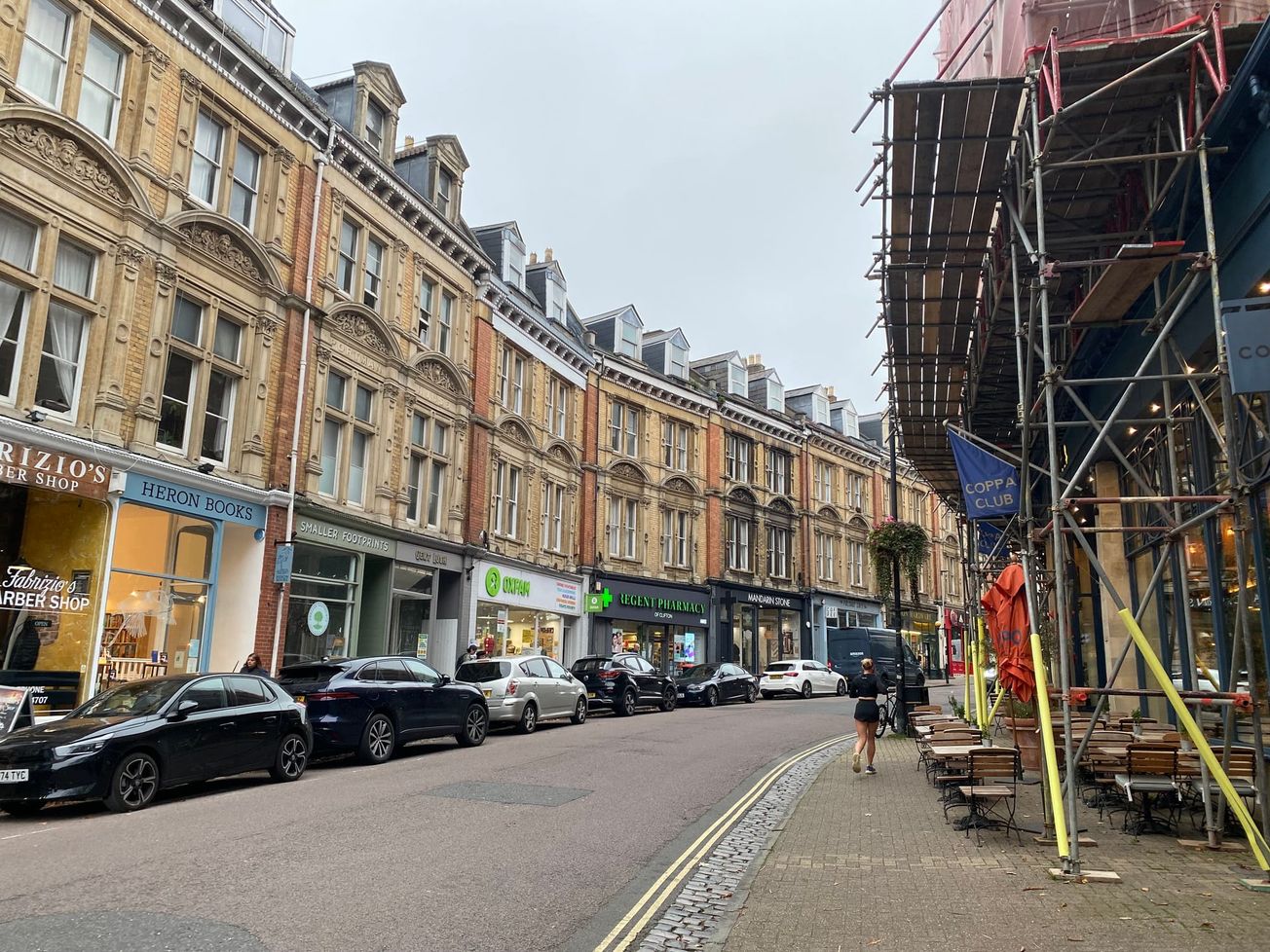
Unlike many other places in modern Britain, Bristol’s identity is intertwined with its unique high streets and its quirky small businesses. As a first year student who had only visited this city once before on an Open Day, I was struck by the number of small shops totally divorced from any chains, selling odd bits and pieces. This was the norm once in cities like London, before rents became so outrageously high that recognisable high streets like King’s Road were subsumed by big soulless chains with big soulless capital behind them. ‘Not in Bristol, though,’ I thought.
However, sitting in an independent cafe on Regent Street in Clifton one day, just under a week and a half into my new life as a student here, I saw, glaring at me from across the street, a Gail’s. The two could not be more different. One David, one Goliath. One sold stale, twice baked, overpriced almond croissants, the other an equally expensive but far superior range of fresh pastries. The differences were so glaring, yet the two were so close, staring each other down, that it almost seemed like a deliberate provocation on the part of Gail’s. As I hopped from café to café there were whispers from managers and baristas everywhere that slowly, fellow independent shops just up the road were being forced to close down.
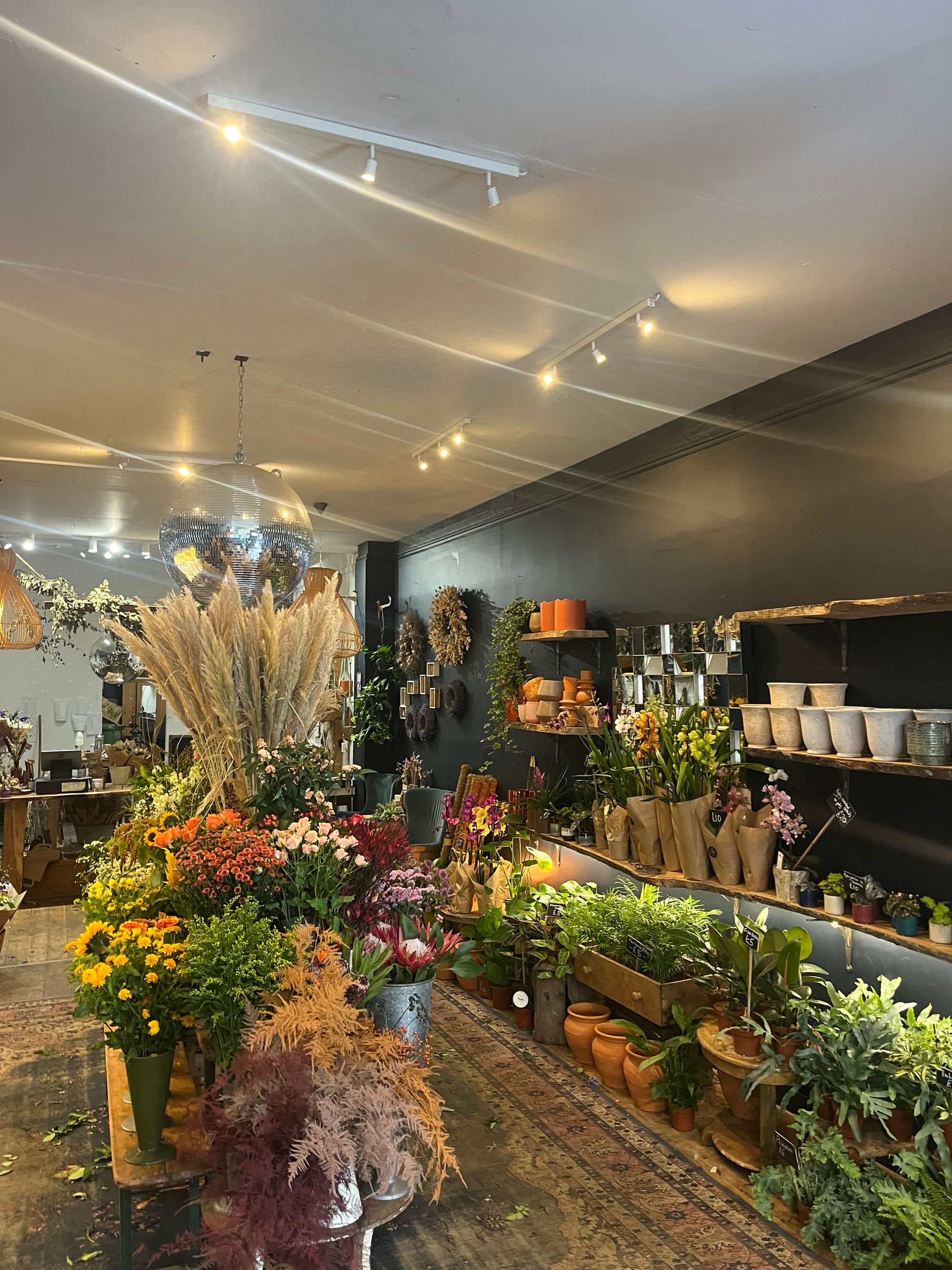
It is not just cafés that suffer in an economic climate unhealthy for independent businesses, nor is it always direct competition from chains that threatens their survival. In most of my interviews with small business workers and owners, it was not the spectre of a big supermarket or a private equity hatchet job that threatened them the most, but rather local council business rates. One manager I spoke to even went so far as to admit that the rise in the minimum wage, although ‘great for workers’, was an added financial strain.
For independents driven by more altruistic, rather than explicitly commercial motives, this conflict of interest between proprietors and workers was exactly the point they were trying to make. ‘There’s no such thing as ethical consumption in a capitalist society,’ Benoit, an anarchist-artist volunteer, tells me in-between bites of avocado on toast. The People’s Republic of Stokes Croft, physically just under a mile and a half away from Regent Street but spiritually many thousands, is an artist's collective with a china shop attached. Mugs adorned with the late Queen’s smiling face, captioned with “I EAT SWANS”, peer down from one shelf. A police officer’s helmet from the St. Paul’s riots sits atop another. A lone bookshelf labelled “Radical Literature” sits in the corner stocked with the likes of Yuval Noah Hariri and other such firebrands.
'We’re a very political organisation. We try and buy local where we can. Our newsletter promotes other local events and local organisations. Still, it’s not a cash cow... we struggle from month to month'. Although member’s motives vary- ‘we are a pan-leftist organisation,’ Benoit explained- he personally ‘resented’ having to devote so much time to running the business. Nevertheless, the social part of the Republic’s work, such as ‘giving sleeping bags and tents... makes so much difference in some people’s lives.’ In this sense, it is probably a mistake to view the many independent shops that have made Bristol their home as the best expressions of a sort of localist capitalism. Others view the best of Bristol’s independent scene as acting against capitalism itself; as being less like businesses and more akin to cooperatives and organisations.
Amidst the increasingly high rents, business rates, an apparently hostile council, and fewer staff who were becoming increasingly expensive to hire, the question of course is why on earth would anyone want to start an independent business in the first place?
'I had done all the jobs,’ Lizzie explained to me amidst the bustle of customers coming and going, the latest hardbacks and paperbacks in their hands. ‘I first worked at Waterstones in Cambridge, then as a Classics teacher, all the admin jobs you could think of. Then one day I decided “you can just do what you like” and I opened a bookshop.’ She admitted to me that it probably wouldn't have been possible without extra help.
‘I was very, very lucky that I had lots of family friends behind me.’ Still, she joked, even with lots of backing, the beginning was ‘constant terror’, with the shop opening just as the Truss ministry was preparing to release the ‘mini-budget’, plunging the economy into a pit of uncertainty. Peril and a sense of change were two themes that seemed to recur, whether it was at the People’s Republic of Stokes Croft or the cafe down the road, The Crafty Egg.
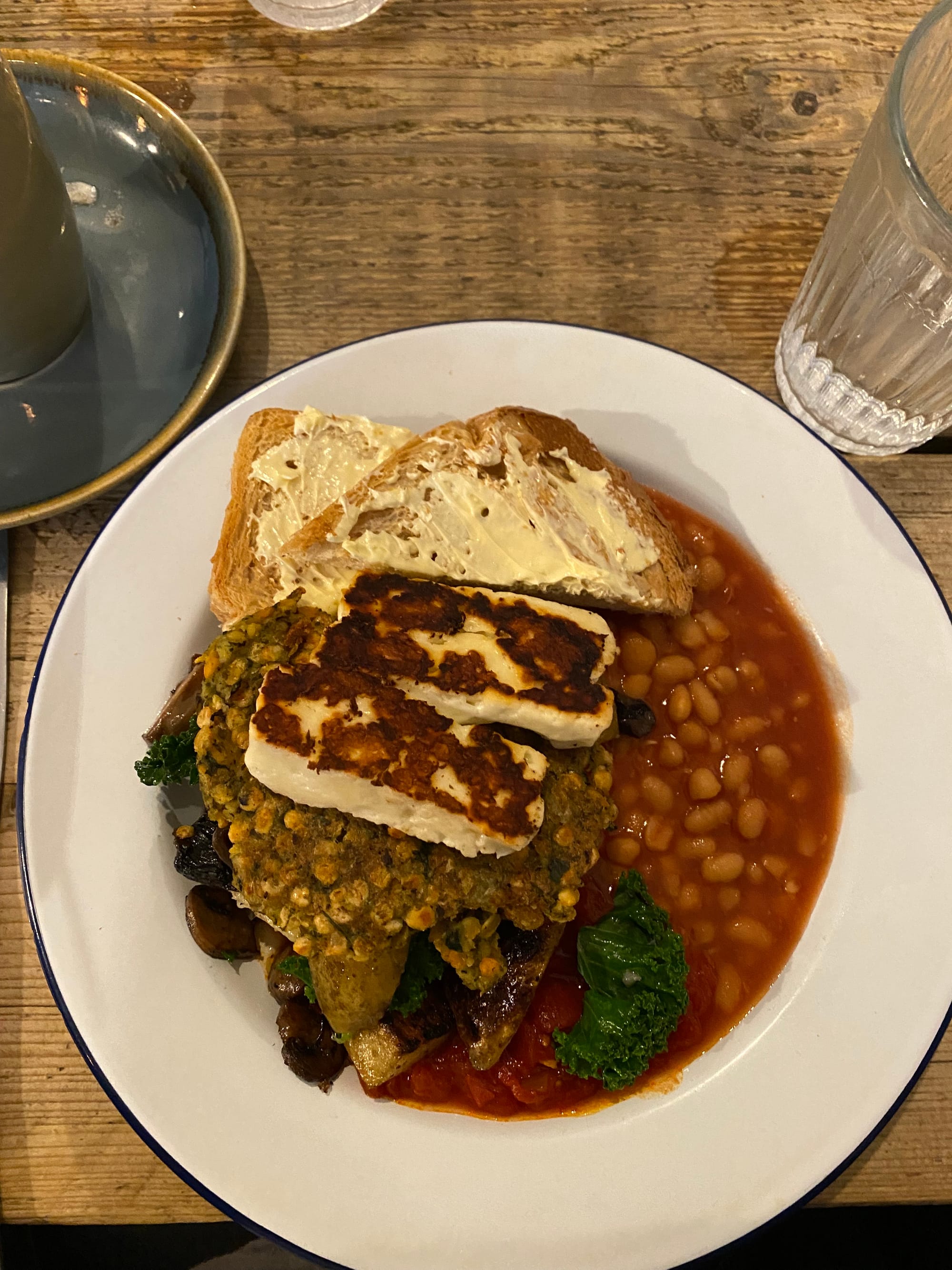
'Gloucester Road, from top to bottom, used to be the longest street in Europe with only independent shops on it,’ Benoit explained to me. “Then in 2011 Tesco snuck in by withholding their name on the planning application.’
They did not, however, arrive without a fight. ‘The riots that erupted when Tesco opened in Stoke Bishop were so severe that riot police all the way from Wales had to be called in to restore order,’ George, the manager of The Crafty Egg told me, pointing at an enormous framed photograph on the mantelpiece next to the table we were sitting at. Fond memories of resistance amidst chaos were common amongst those I spoke to, some of whom had lived in Stoke Bishop for more than a decade.
A keen sense of history and an attachment to the Bristolian identity seemed to be a common denominator amongst the volunteers, managers, and workers that I spoke to. However, in conversation with fellow first-years students like myself, the sentiment differed.
‘If a Starbucks moved in to take over an independent shop, it would be a shame, but I wouldn’t be gutted or overly disappointed,’ one friend told me candidly. ‘I’d just go to the same Starbucks. It’s too soon for me to have built a relationship with Bristol in that sense.’
‘I would care more if a chain moved into my village,’ another person added, ‘but I don’t have as much of a connection here.’ Amongst a population of freshers who had barely gone beyond Whiteladies Road, it is hard to find those who are willing to put aside the prospect of a good bargain for the good of a community which, as of yet, means nothing to them. This is especially true when one considers the great advantage that chains have, like a menu and a ubiquitous, uniform identity. ‘If I could marry Domino’s I would,’ a friend explained to me, summing up a 15 year relationship. It is hard to imagine the same strength of feeling being applied to Pizza Workshop down the road.
 Leah Hoyle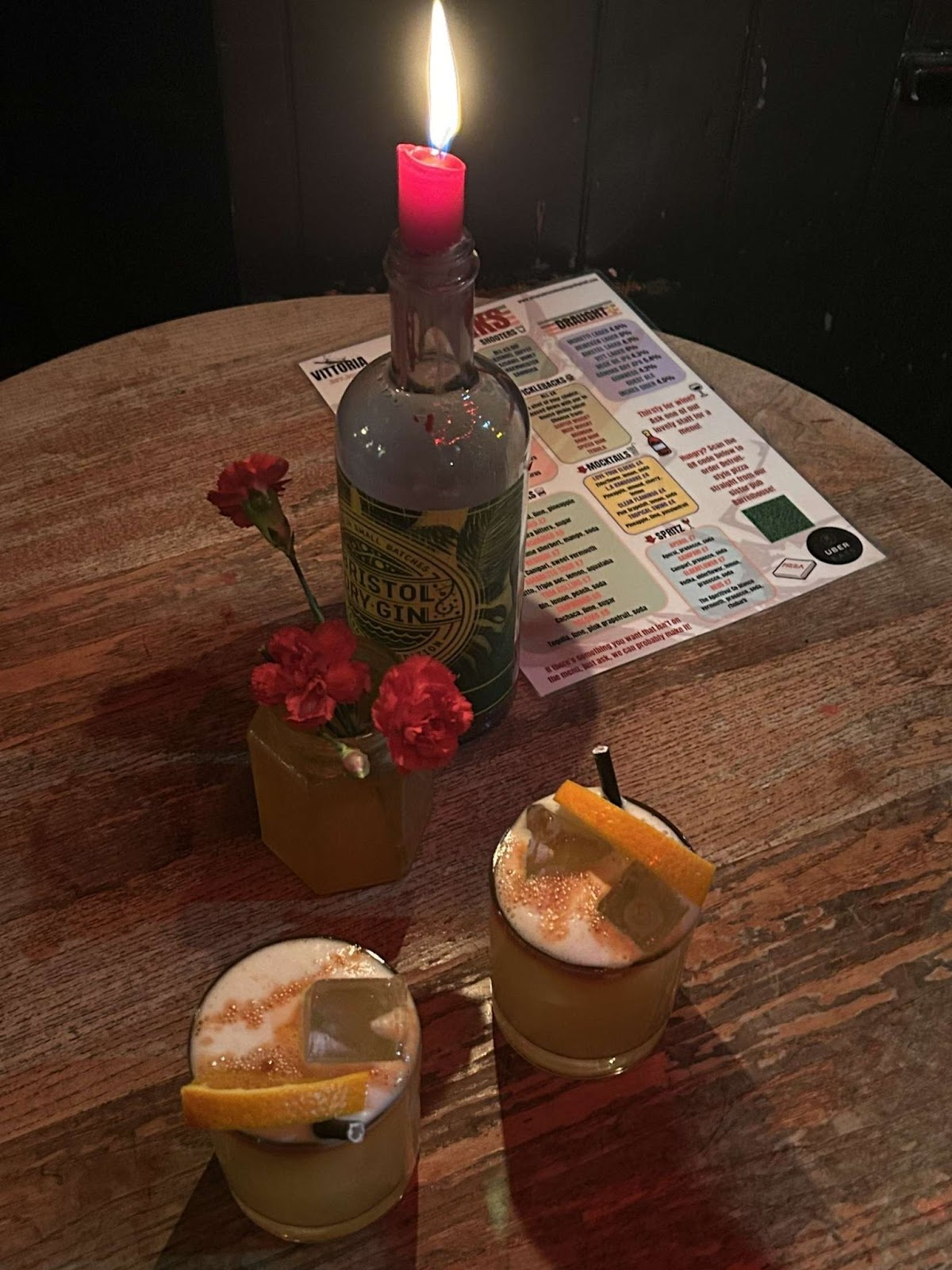
 Elizabeth Abbott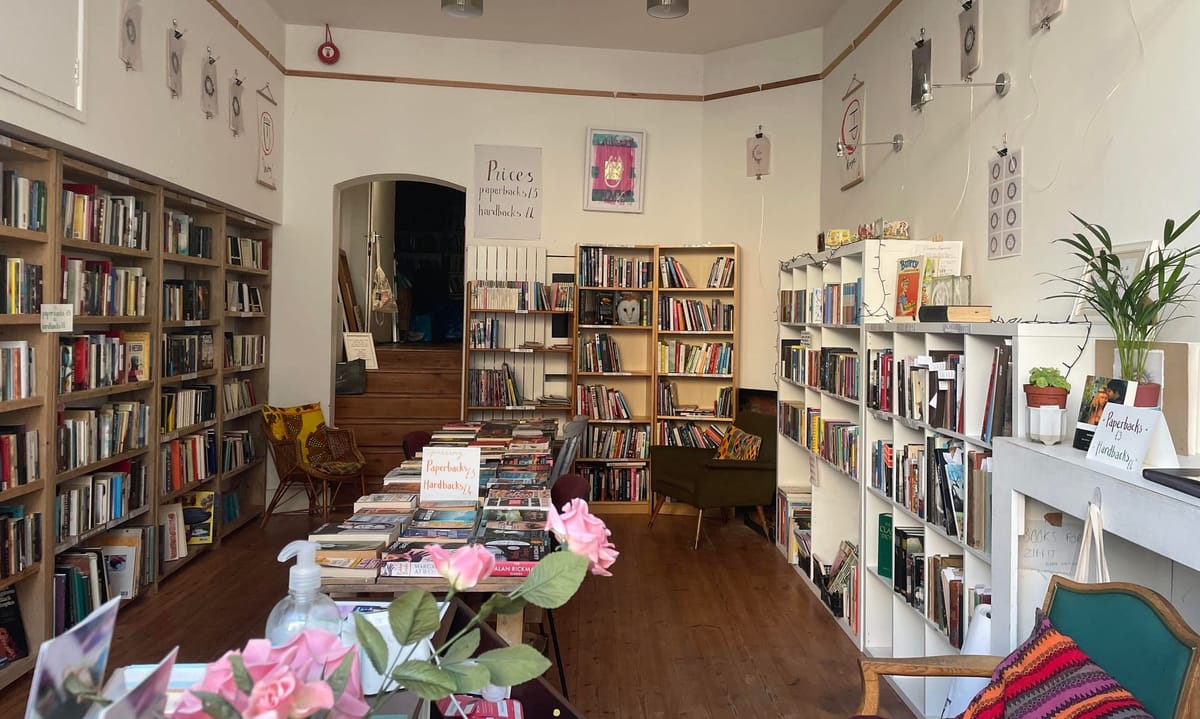
Still, according to Lizzie, it is wrong to be totally pessimistic about the future of the independent shops in Bristol. ‘I’m optimistic about the future here,’ she said. Even amid the competition with the chains, it was not Waterstones that presented the biggest threat, as Lizzie does ‘very different things’ than them, but Amazon. Even then, in a testament to the extent of the impact that campaigns can have, 'raising awareness about 'saving your local bookshop' did make so many people more aware about shopping in their local bookshop.'
After a long day of first week lectures I wearily (and guiltily) made my way into a Caffè Nero. I spotted an old interviewee, a barista from another small indie coffee shop. ‘Funny seeing you here in a chain,’ she said to me, smirking. ‘Still, I’m a hypocrite as well.’ It is hard to deny Bristol’s streets are changing when even those threatened by big chains are happy to wind down in them for a coffee at the end of the day. Nevertheless, Bristol’s small shops and businesses remain defiant, if besieged.
Featured image: Epigram / Maya Tailor
What are your favourite independent businesses in Bristol?