By Alejandra Bonwick, SciTech Subeditor
This November, the Study Buddy Project between Bristol Medical School and Al-Quds University was launched. It’s a student-led initiative to meet regularly online. The program has been built with an emphasis on flexibility – the conversations could range from academic advice to casual catch-ups – but at its heart is the connection between the students.
I spoke to some members of the Study Buddy team – Habibah Choudhry, Ohona Hossain (Bristol medical students and project leads) and Dr Rita Yacoub (doctor and lead of the Palestinian branch) – alongside the University of Bristol’s Professor Gene Feder, who assisted the initiative’s development.
Professor Feder pointed out that ‘mutual benefit is hardwired into [the project]’ – it’s centred around cultivating a space for ‘mutual growth [and] shared experiences.’ Students in both countries have their own unique perspectives and knowledge to share from their medical training. This variety can lead to broader understanding of the subject: as Dr. Yacoub puts it, ‘I have a piece of information, you have a piece of information, we will share it together, we will learn it together.’
Although the connection stems from studying the same degree, the learning isn’t confined to academia. It’s true that the meetings are useful for revision and developing knowledge of medicine (after all, human anatomy stays the same across seas), but Dr. Yacoub also argues that there’s an element of cultural knowledge, just as valuable, to be gained from this program. ‘We as medical students or doctors,’ she says, ‘think sometimes that medicine is fixed, as we learn about diseases, how to diagnose them, how to treat them. But sometimes we forget to learn about people… and their cultures.’
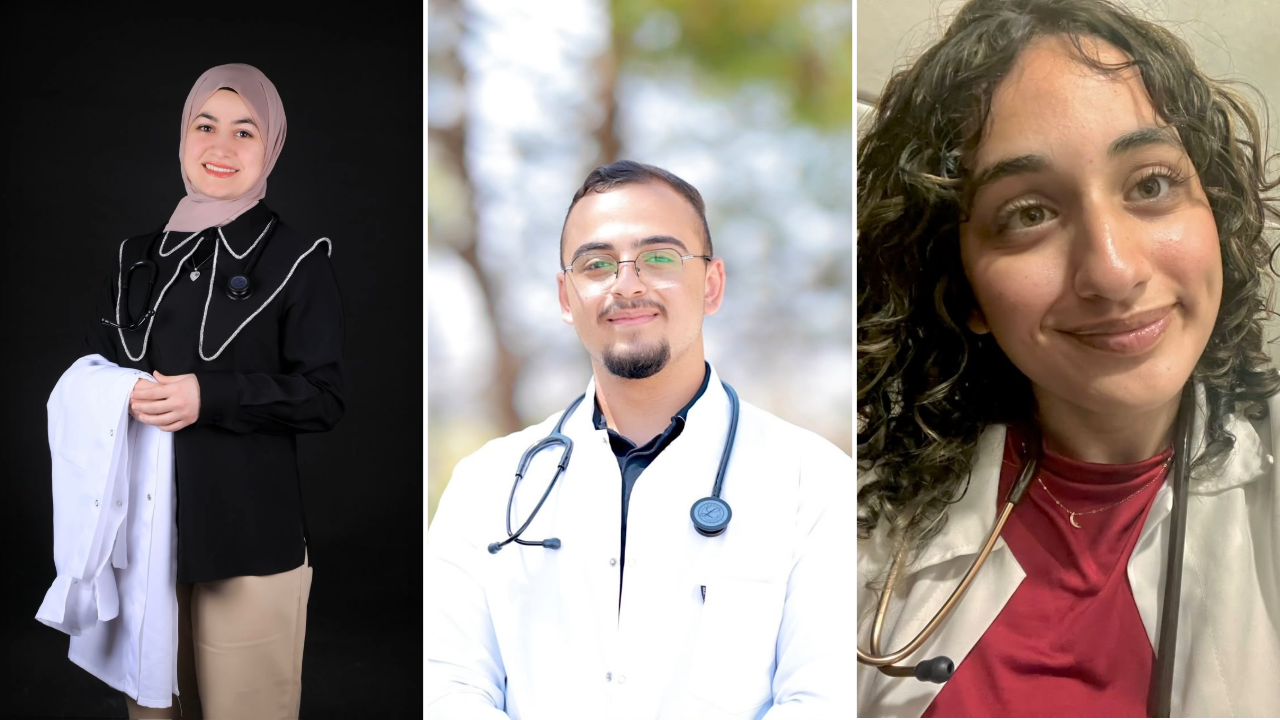
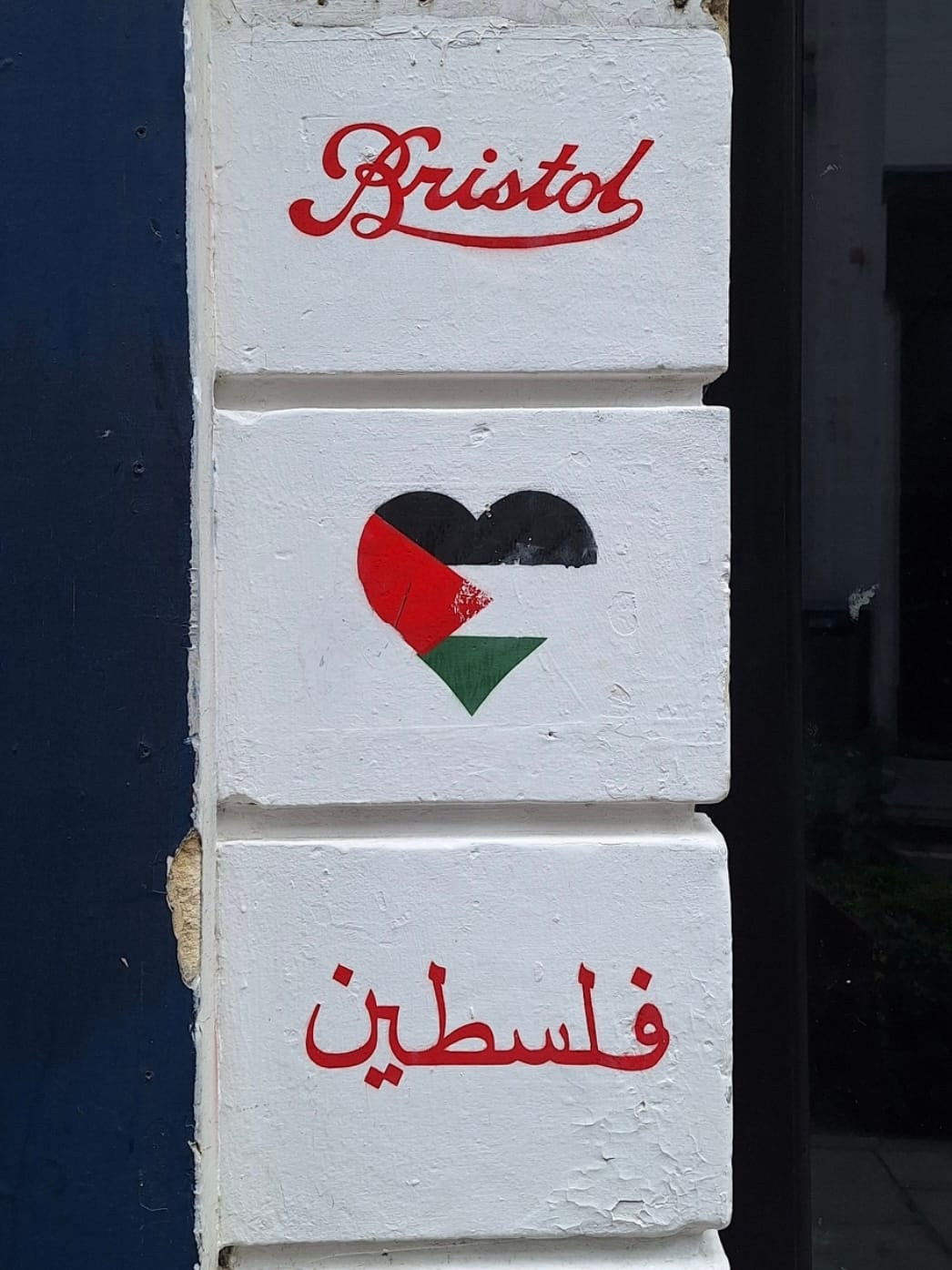
The Study Buddy Project developed in reaction to geopolitical isolation faced by Palestinian students amidst the ongoing crisis in Gaza and the West Bank. The team behind it are clear, however, that this is not a hierarchical scheme – students from both universities have equal amounts to learn from each other. That’s not to say that they shy away from acknowledging the context of the collaboration: one of the main aims is to ‘turn global solidarity into tangible action.’ Ohona acknowledges that the circumstances in which Palestinian students pursue their education are very different from ours. Habibah adds that, yes, the buildings may crumble, but the students are still there in Palestine, studying for a degree, graduating every year.
For Habibah, this is how connection became central to the Study Buddy Project. ‘Tutoring wouldn’t be as useful because [the students] are very capable and self-sufficient academically… it’s the extra things that come with having to study in such a volatile climate.’ The team doesn’t claim that the project will change the conditions under which Palestinian students are getting their medical degree in – that’s not the aim. As Ohona puts it, ‘it’s about creating something practical that allows people to learn from one another and hopefully maintain these relationships over time.’
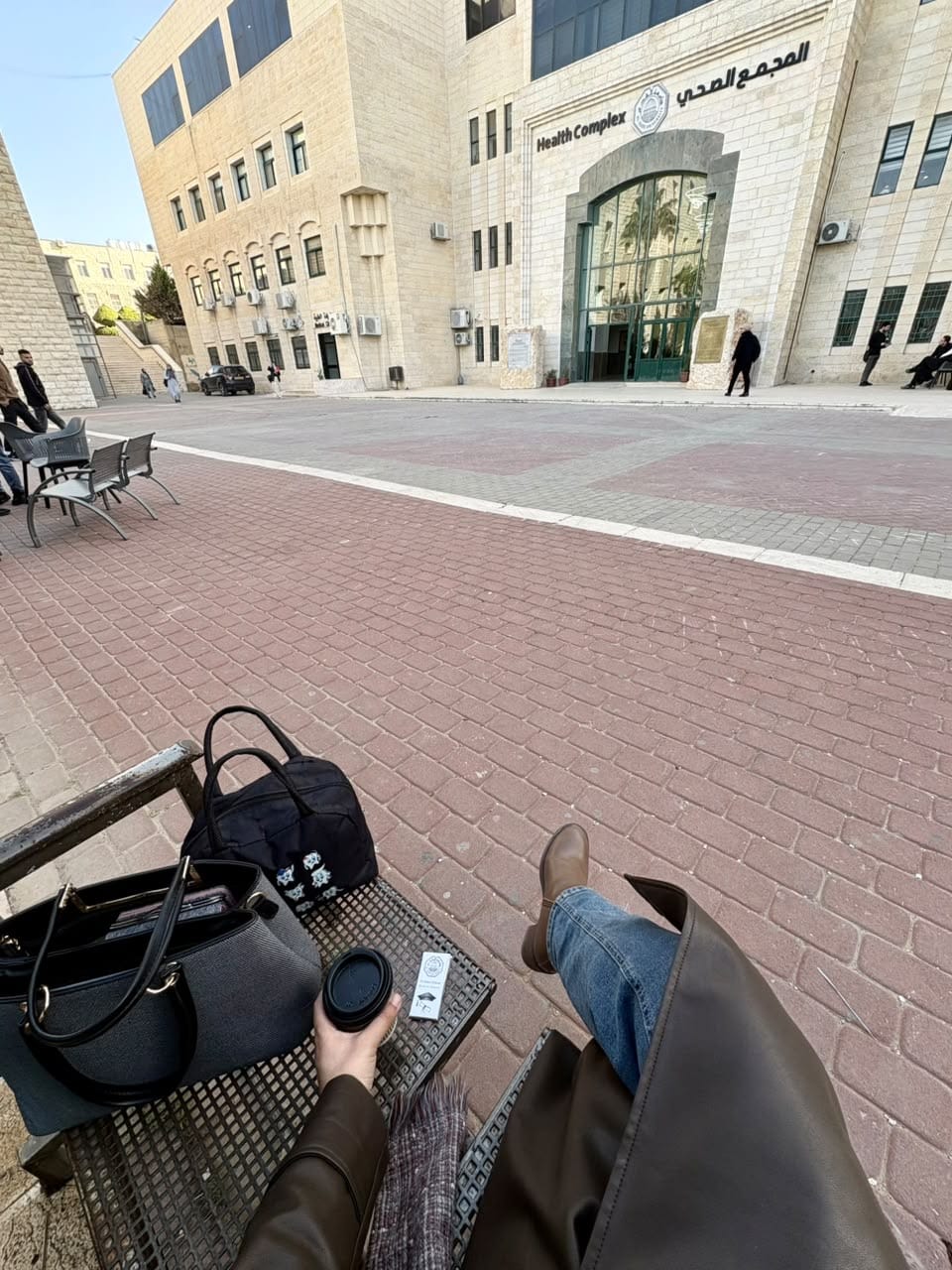
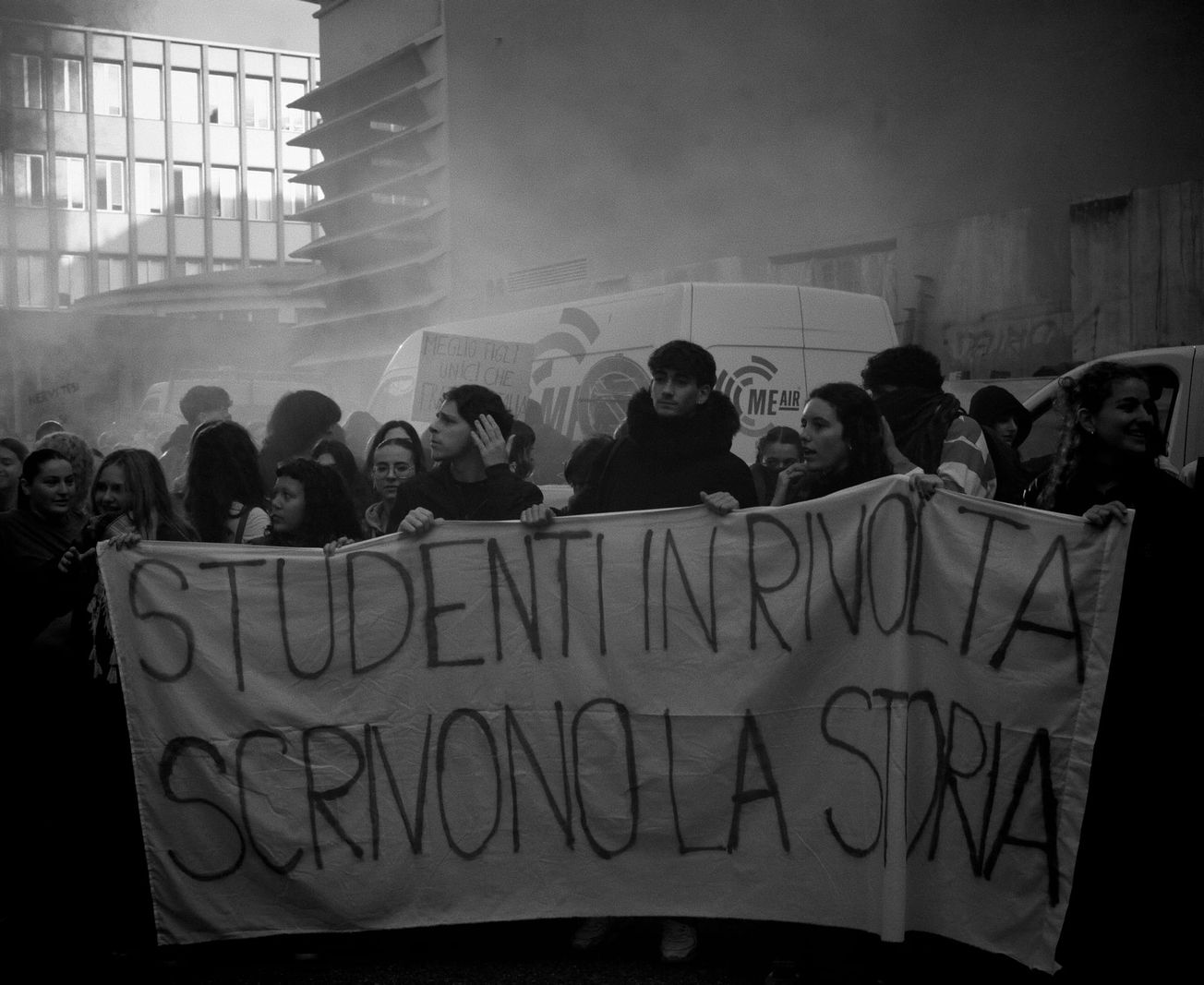
This project may be focused on medicine, but Habibah and Ohona feel that their responsibility to act extends to being a student more widely. As much as university is about seminars and assessment weeks – make no mistake, most students in Bristol will feel like their world is confined to the ASS at some point – we’re not just here for a degree. As we’ve seen around the world recently, ‘student bodies have this unique opportunity to come together and make a change in a way that adults or younger students might not be able to.’ Habibah continues: ‘it’s not only the opportunity, but also the responsibility, to change the environment around us for the better.’
Habibah points out that there are wars, conflicts and genocides happening globally and ‘they don’t just thrive off war machines, they thrive off the expectation from these machines that people will forget and people will stop caring.’
This initiative is an example of refocusing attention on one of the many things going on in the world right now. Habibah points out that there are wars, conflicts and genocides happening globally and ‘they don’t just thrive off war machines, they thrive off the expectation from these machines that people will forget and people will stop caring.’ It is this point of isolation, where that community or region becomes ‘cut off from the rest of the world’, that the project wants to target. It’s a way of showing, on an individual level, that ‘we won’t be blindsided by the culture of division.’
Habibah admits that, as students, there can definitely be ‘a feeling of not being able to do something tangible’ in response to larger issues. However, Professor Feder believes that the grassroots, ‘bottom-up’ approach to the initiative makes it all the more powerful. Although he had a key role in supporting the idea, the subsequent development into an international collaboration between students, with robust processes, structures and a website was led by the Bristol and Al-Quds students.
When the students approached Professor Feder after a lecture in his series at Bristol Medical School, ‘Safe Spaces For Difficult Conversations’, he saw it as them ‘recognising a faculty member doing something political and thinking, hang on, I feel connected to that, is there something we can do together?’ Professor Feder posed a question around whether ‘this kind of connectivity [is] potentially possible around other things’ – surrounding Palestine but also other crises that ‘affect health and medical students when they’re doctors for the rest of their life.’ He believes so: there are clinical academics active around many issues, from the climate catastrophe to trans rights.
 Lara Kurtulus
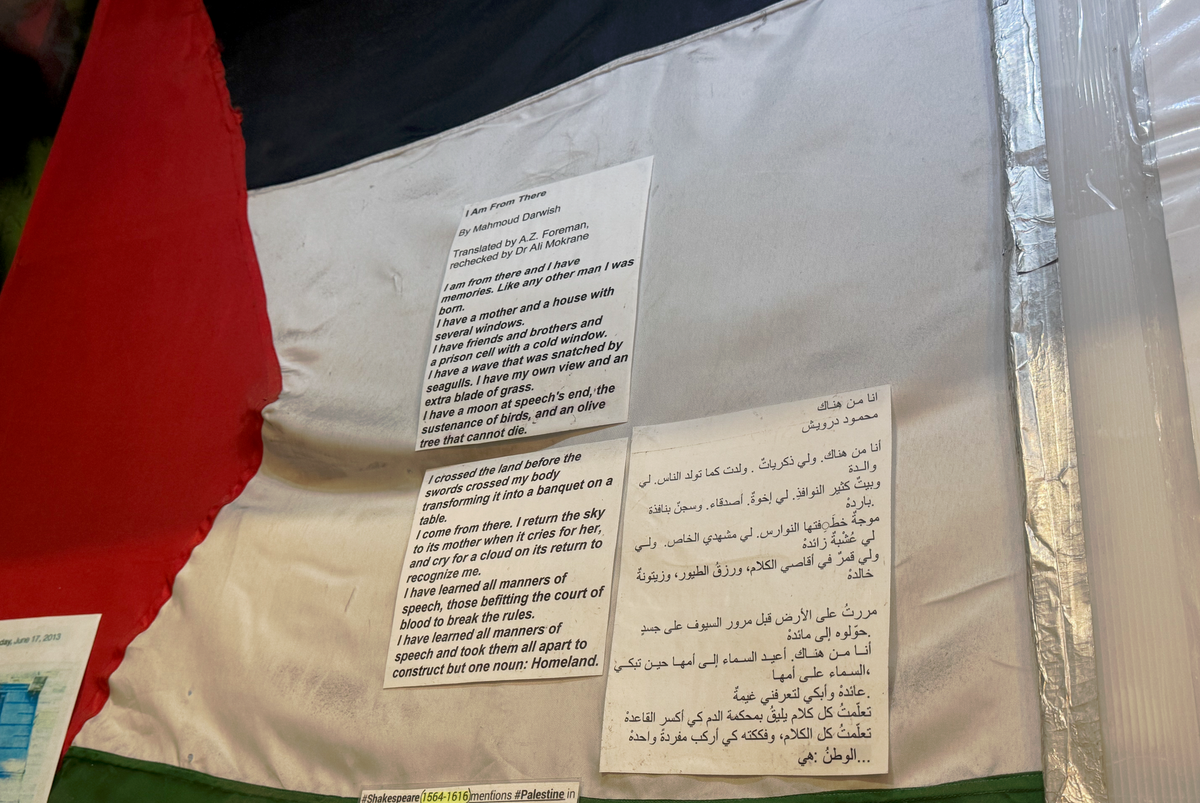
The Study Buddy Project highlights the innate value of a connection between people across the world. Students on both ends of this exchange can develop their academic and cultural knowledge, to their benefit as medics but also more generally. Equally, in a period where student activism demonstrates its potential to catalyse change time and time again, this initiative is another example of how a reaction to global issues can develop into tangible action.
To learn more about the Study Buddy Project, you can visit their website or Instagram @studybuddybristol. You can also email them at studybuddybristol@gmail.com for more information or if you are interested in setting up a similar program in your school.
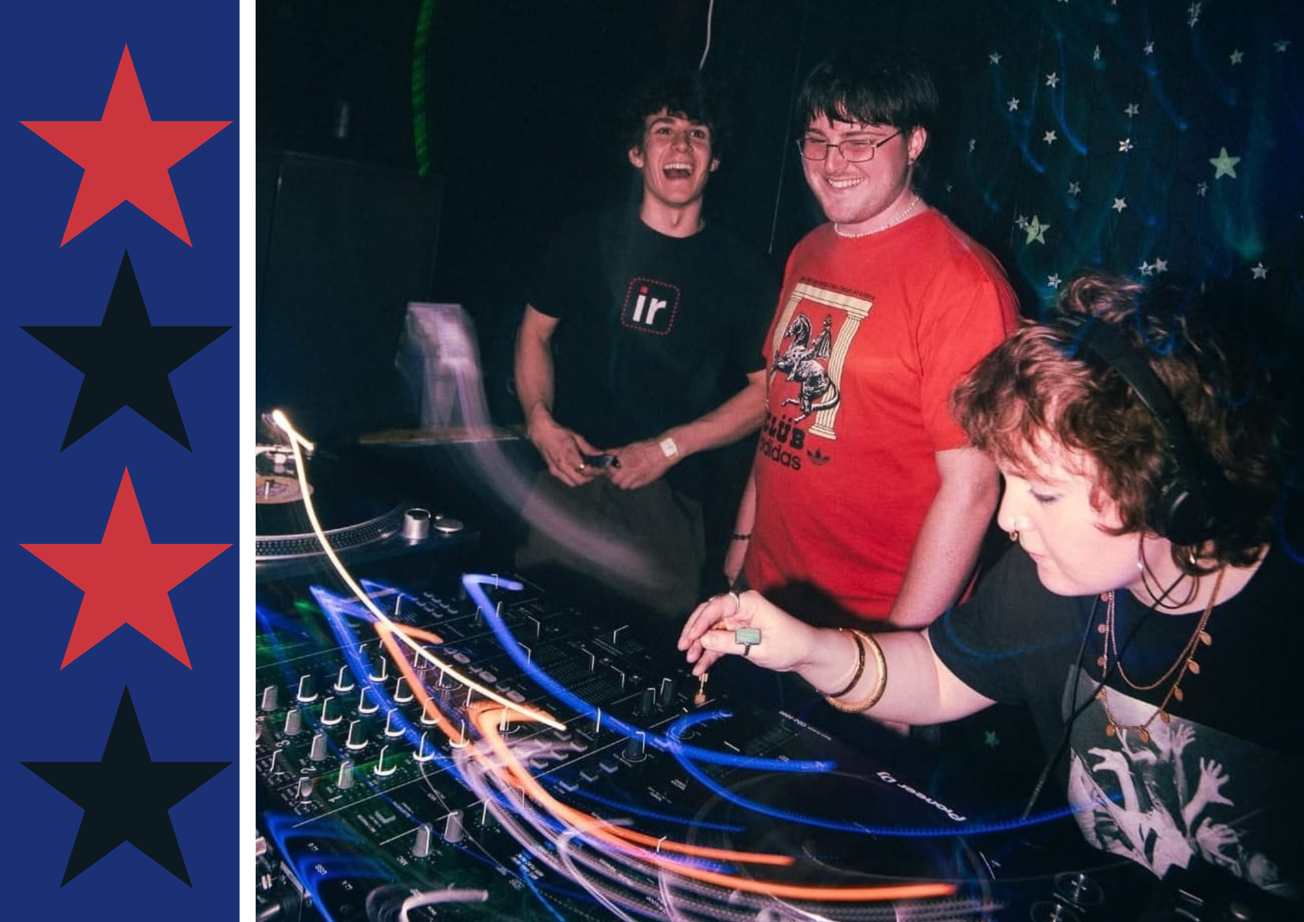
Featured Image: Courtesy of the Study Buddy Project