By Maddy Wootton, First Year, English
Why do students prefer to travel to European destinations such as Copenhagen or Valencia? Cheaper travel you say? Better climate? More interesting cultural scenes? These preferences may all be valid to some extent, although I am here to successfully convince you as to why vacationing in the UK is just as enticing.
Yes, I caught you rolling your eyes at the title ‘green travel’, as it feels as though we are consistently lectured about this topic. Perhaps this took the form of a PSHE session from school, where a pie chart was devised on how we travelled to school that day: ‘prize for those who used public transport or walked/cycled!’, or talk on the importance of utilising local train networks, although that means spending hundreds monthly for trains to be cancelled or heavily delayed a lot of the time. This can feel tedious and monotonous over time, to the point we do not even absorb what is being said.
I also understand that places like Spain offer cheap package holidays for a week, allowing you to sunbathe in the warm weather, experience a different culture and enjoy the strips in Magaluf and Barcelona on a post A level holiday. Trust me, we’ve all been there downing god knows what shots with random locals. But….what if I told you that holidaying in the UK could be just as fun over time? With fuel prices recently surging and airlines such as Ryanair reducing their flights, a significant group of students will be turning to the UK for their next holiday destinations.
Now for the boring part… No trust me, keep reading…Globalisation has led to plane travel becoming cheaper for UK citizens thus boosting other countries' beach economies but allowing our own to decline. Yes, I can imagine you’re thinking the seaside resorts, other than the expensive Cornwall and Devon, are run down but what if I told you they were once known to be like ‘one of the wonders of the world’ back in the 50s and prior to that.
Understandably, reduced accessibility and unaffordable plane travel is a core reason as to why beaches such as Blackpool were so populated at the time, but people truly loved vacationing in the UK regardless. David Muirhead commented on a post by ‘Everything Blackpool’ when reminiscing on past days spent there: ‘Donkeys, deckchairs, punch and Judy, Charlie and the tower circus. It was the days of the knotted handkerchief on the head.’
David’s description highlights how dreamlike and bustling Blackpool beach was, causing an influx in tourists from all over the UK. Imagine if we could revive this dream of the beach again?
Now for some logic-an increase of tourists into these areas boosts the local economy, allowing for more investment to go into regeneration, maintaining, and improving the standards of the beach, thus causing even more tourists, more money etcetera A negative feedback loop (actually creating a positive effect) is created. Take Boscombe as an example, a huge regeneration project led the beach to win the 2010 pier of the year award. Regenerating the artificial surf reef also revamped the view of the area, attracting tourists and therefore investment.
Unfortunately, at the moment we are in a positive feedback loop (actually negative) where seaside economies such as Blackpool, Boscombe and Broadstairs are declining and investment is low thus causing the beaches to be far from magical. Bill Bryson paints a depressing picture of Blackpool now: ‘Blackpool is ugly, dirty and a long way from anywhere … its sea is an open toilet, and its attractions are nearly all cheap, provincial and dire.’
How we initially encourage more people to travel within the UK is a challenging question in itself, but maybe it can happen with an increasing ageing population, reduction in plane travel availability and with an increase in global warming too.
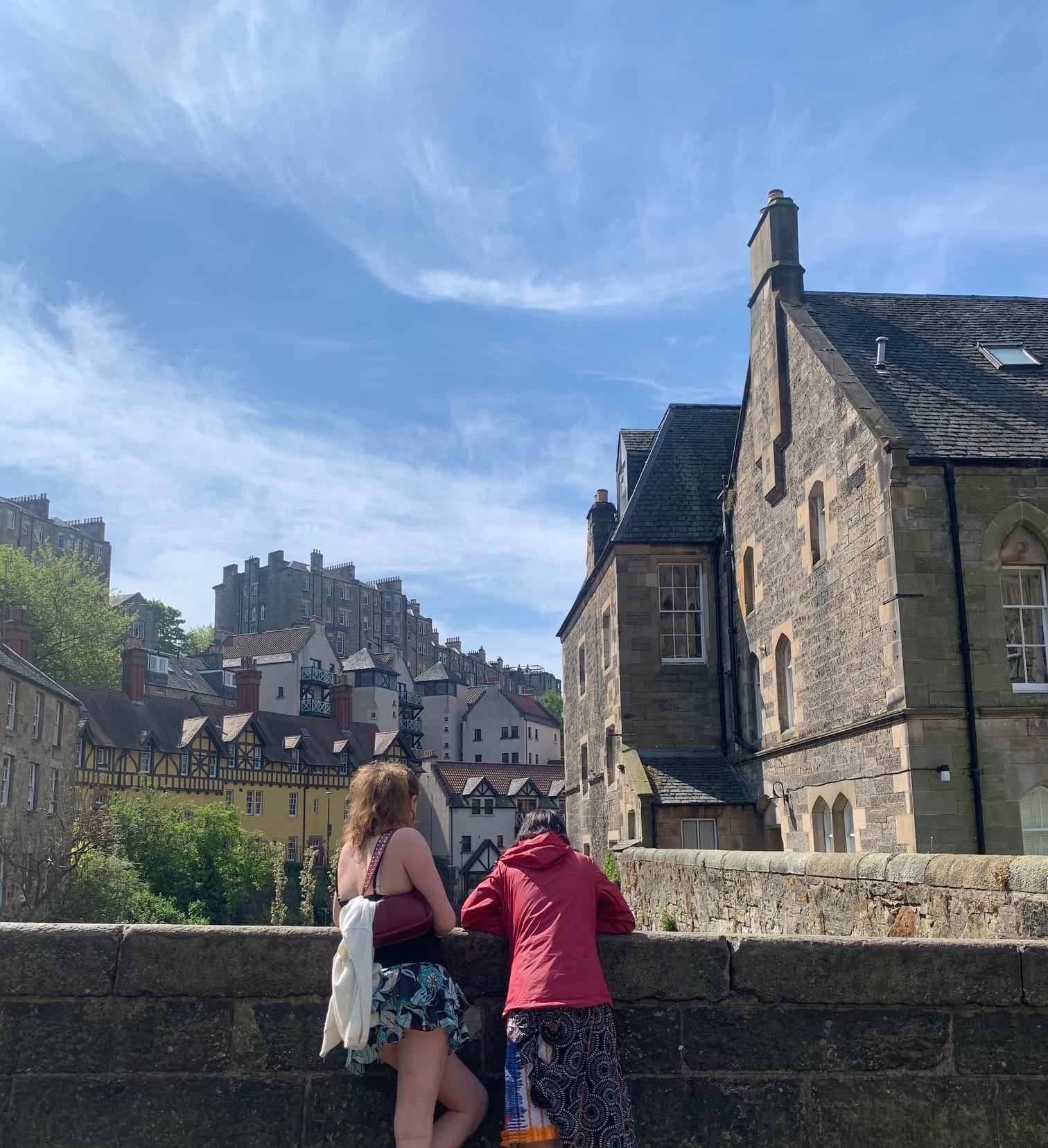
Travelling in the UK reduces airport stress and could increase the likelihood of people embarking on more frequent long weekend trips instead of, for example, a one week abroad trip annually. When it rains, cities such as Edinburgh and Durham are attractive for historical visits, and even places like the Cotswolds (yes I know we’re not 50 with 3 children) offer indoor activities and events during the winter months.
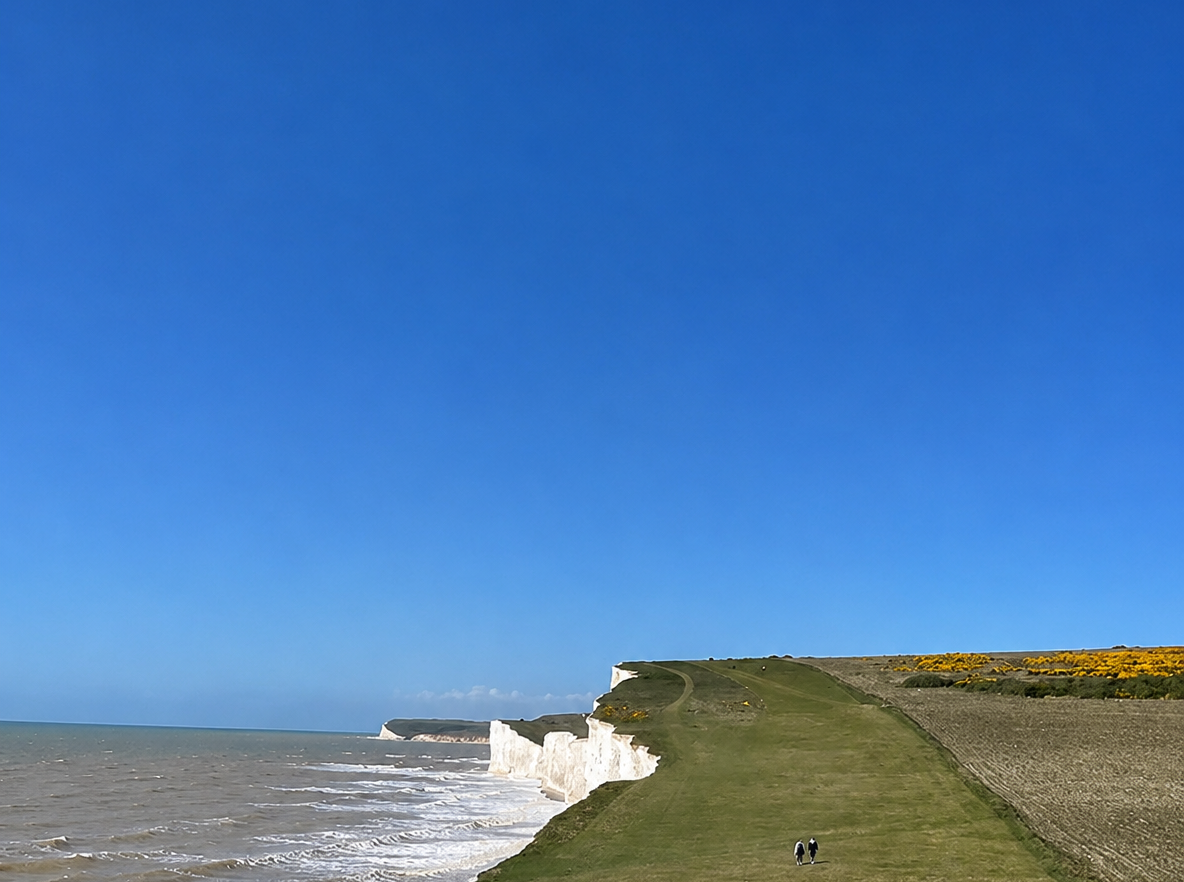
Also, a lot of us also have pets, thus travelling in the UK allows you to take them with you, encouraging you to perhaps do more environmentally friendly activities. This might include national trust countryside walks or hikes on the Seven Sisters and in the Peak district, visiting dog friendly beaches or trying out dog friendly pubs and restaurants, which all simultaneously boost the economy in local areas.
From my own experience, the Scottish Highlands and areas in North Wales are densely populated with beautiful landscapes such as Snowdonia, Arthur’s Seat and Loch Ness to visit. In one trip you can get your steps in and enjoy a cheeky pub trip with a pint afterwards.
 Hannah Corcoran
Does the future for vacationing in the UK seem bright or did it really die in the 80s? Can we change people’s perception of seaside resorts and bring places like Blackpool back to what they were? I'd argue that with the aid of increased tourism and regeneration, UK holidaying can be restored.
Featured image: Epigram / Maddy Wottoon
Have you been inspired to make greener travel choices?