By Tess Rayner, MSc Biochemistry
By 2015, Back to the Future predicted that we would have flying cars. While we haven’t yet figured out how to make Fiat 500s float, a swarm robotics team at the University of Bristol has found a way to use flying machines to identify wildfires early and hopefully save lives.
Bristol’s team AURA (Autonomous Ubiquitous Wildfire Response with Aware Robots) has helped develop an AI-driven system that detects the start of wildfires and uses drone swarms to coordinate a rapid response. They achieved this after teaming up with the Australian company Fire Foresight to create AURA Foresight.
This September, AURA Foresight was awarded $500,000 in the global XPRIZE Wildfire competition for their innovative design. The competition finals were held in June, and the challenge was to locate and respond to small ignitions set in a 1000 square kilometres area in the Alaskan wilderness within a 10-minute timeframe, all while ignoring nearby decoy fires.
Out of more than 120 teams worldwide, AURA Foresight was one of just four finalists. So how exactly did they do it?
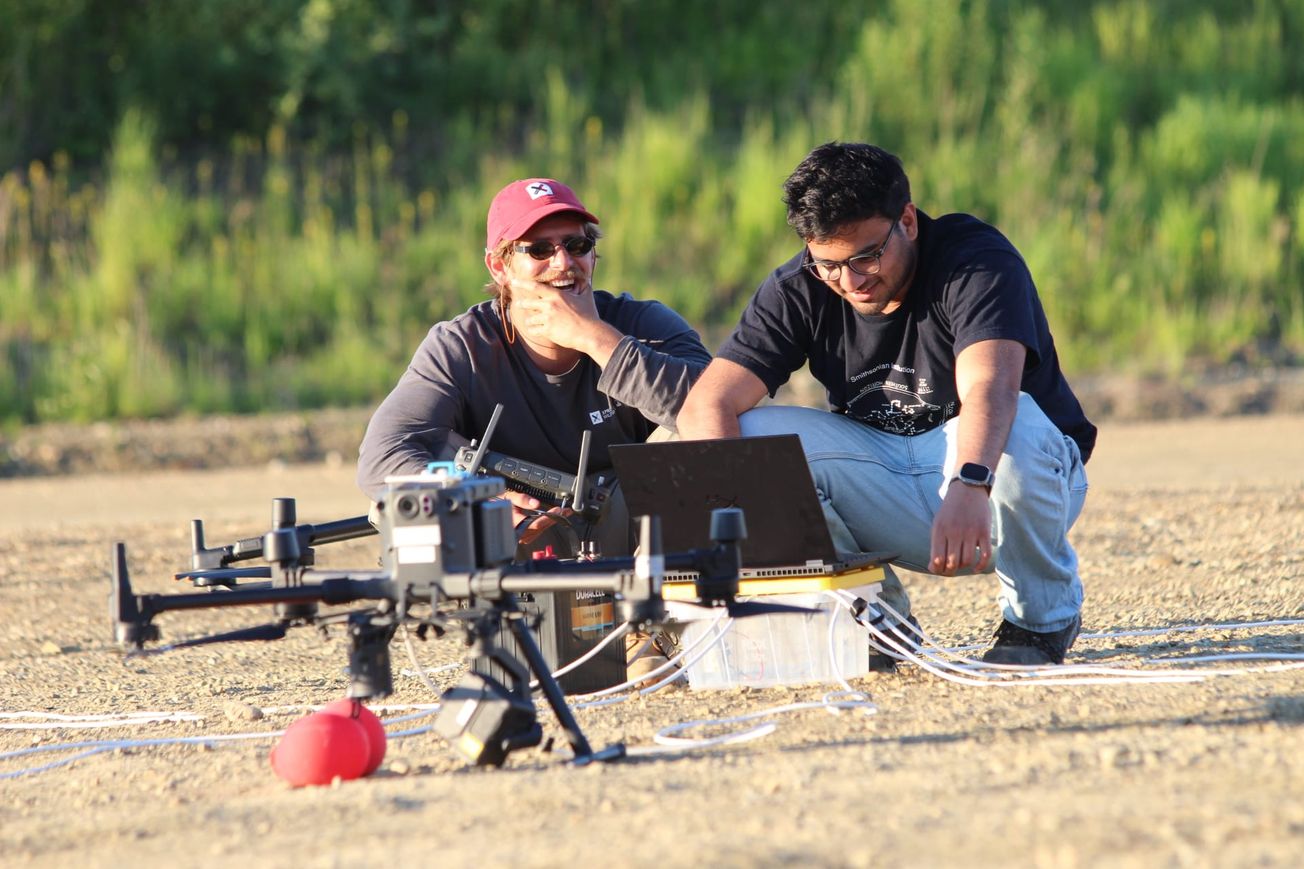
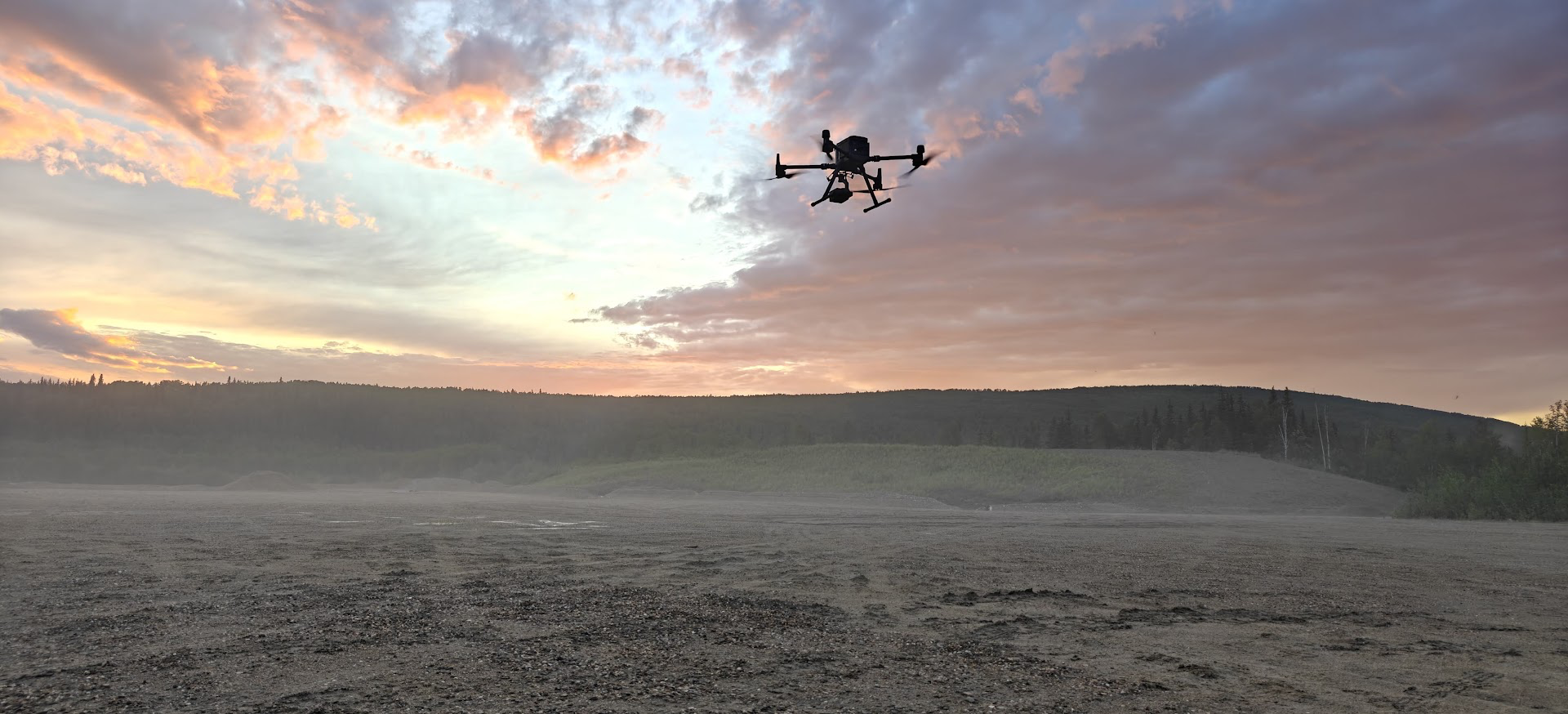
In Alaska, the system followed a three-stage protocol of detect, verify and act. Detection began with AI-powered vision detection cameras on boom lifts, which scanned the surrounding area for signs of fire. Once a possible ignition was identified, its predicted location was sent to the nearest drone nest, an autonomous hub where drones were kept. Verification drones launched automatically to confirm the fire, which then triggered the launch of a swarm of drones. That second flock were responsible for dropping balloons filled with a fire-extinguishing agent onto the target area.
In the real world, rather than relying on boom lifts for detection, the AI-powered cameras would be installed on permanent structures such as masts or towers. Information on possible fire locations would also come in from reports by members of the public and from fire service intelligence. The drone nests would be situated in areas particularly susceptible to wildfires, and thermal cameras on the verification drones would confirm whether a fire is real.
AURA Foresight XPRIZE AI Footage | Video Courtesy of Team AURA Foresight
As for the balloon payloads used in the competition, AURA co-leader Dr Georgios Tzoumas and team member Tilly Evans said: “This was part of our proof of concept, and the approach was chosen because of the constraints of the drones available to us.” For real wildfires, the team hopes larger unmanned aerial vehicles (UAVs) could take over the extinguishing step. Fitted with Bambi Buckets, as firefighting helicopters are, these UAVs would refill from nearby water sources and make repeated drops on the fire, enabling a much larger, sustained fire response, and, as Tzoumans and Evans note, doing so “without putting aircrew at risk.”
At the core of AURA Foresight’s approach is containment. The idea is to catch wildfires at the earliest possible stage. By combining detection, verification and action into a single, autonomous workflow, the team hopes to tackle small fires before they can escalate and cause environmental catastrophe and loss of life. But the team does not expect AI cameras and automatic drones to take over from existing human systems, and a person remains in command at every stage of the protocol. Tzoumas and Evans said: “Our aim is for the technology to fit into the way fire services already work rather than replace it.” To ensure this, the consortium worked closely with Lancashire Fire & Rescue Service in the UK, and in the future will train firefighters to operate the swarm.
 Ilgin Guzel
 Julia Riopelle
Fire Foresight is now helping to build an integrated bushfire detection network in Tasmania, which would incorporate AURA’s aerial verification and its extinguishing drone swarms, a factor that proved so successful in the XPRIZE finals. In the UK, the next step is supervised trials alongside fire services, before expanding to regions with increasing wildfire risk.
The speed, size, and intensity of the wildfires that have torn through our warming planet have given us an all-too-real view of the future. Perhaps the only way we can fight back is with the futuristic power of AI and airborne robots.
Featured image Courtesy of Team AURA Foresight
Do you think that drones are the future for fighting wildfires?