
By Dominic Wright, First year, Neuroscience
It’s the 26th of December. Presents have been opened, roast potatoes are starting to look nauseating, and slowly the magic of Christmas fades away. Whilst yesterday you celebrated the most wonderful time of the year. Soon, however, you will find yourself horizontal on the sofa stewing the impending doom of January.
This is the Boxing Day slump…
For students, this festive comedown can be especially brutal. Often signalling a return to burn out and an insufficient amount of sleep. However, you are not alone in finding the festive season challenging at times. In fact, YouGov’s 2025 ‘big survey on christmas’ found that 30% of women and over 20% of men in the UK report feeling stressed by Christmas. For your bank account, well, research discovered that over 40% of households are worried about the impact Christmas will have financially.

So why do we love Christmas at all?
For weeks, Christmas dominates almost everything from what we eat to the music we hear. So it's no surprise the endless build up of decorating, buying presents and organising, provides a steady stream of anticipation. This excitement contributes to a release in dopamine, a neurotransmitter associated with motivation and reward anticipation, which supports why looking forward to something, for instance, Christmas, can feel so enjoyable.
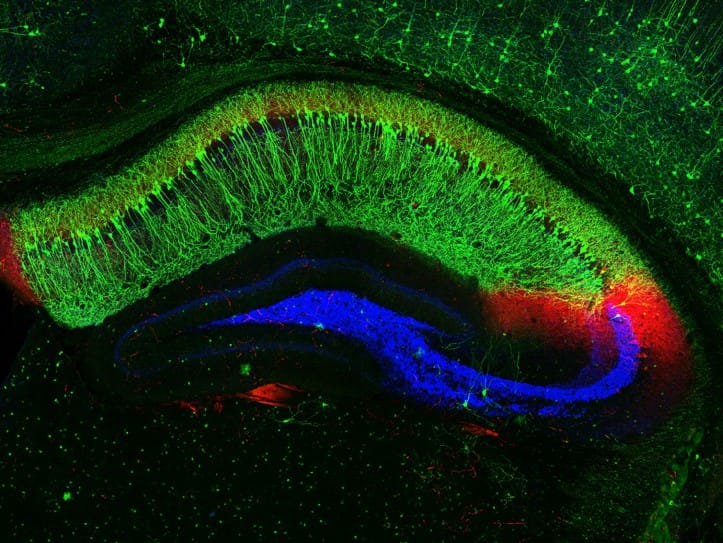
The sensory experience of the season also contributes to the merriment of Christmas. Familiar music, vivid decorations and scents, we associate with advent, may remind us of positive autobiographical memories. The hippocampus, a structure involved in both formation and retrieval of memories, increases activity during pleasurable experiences to teach your brain how to repeat more enjoyable outcomes in the future. This indicates why Christmas can be so nostalgic for a vast majority, and why many of us find Christmas so memorable in particular.
Even gift-giving can coalesce Christmas with happy memories. Researchers have linked generosity to activity in areas of the brain involved with reward systems, creating a ‘helper’s high’ that might just justify a £20 Secret Santa budget.
However, anticipation does not fully translate to lasting happiness. After the exciting weeks leading to Christmas, the sudden disappearance of that ideal future is ultimately quite disappointing. This is often contributed to by our ability to overestimate future emotional experiences, usually how strongly or how long an event will affect us emotionally, in a cognitive error known as impact bias.
This does not mean dopamine levels suddenly plummet on boxing day. Rather, emotional flatness and discontent stem more from a contrast between festive expectation and its aftermath.
However, psychological explanations are only a small part of the equation. The Christmas season is also disruptive biologically. Late nights, intense travel, and influx of daily routines will all interfere with our circadian rhythms. The 24-hour system regulates sleep, digestion, hormone release, and even body temperature.

Minimal winter daylight may add to exhaustion at this time. Reduced exposure to natural daylight can affect melatonin and serotonin, impacting both sleep and mood regulation. Changes such as these are characteristic of seasonal affective disorder (SAD), a form of depression associated with changes of season.
A Boxing Day sofa marathon is certainly not a clinical diagnosis. A temporary post-Christmas slump should not be confused with SAD, but lessened stimulation to the suprachiasmatic nucleus will reduce serotonin production in anyone.
Changes to diet influence the festive spirit as well. Research shows there is a relationship between our diets, specifically our gut microbiomes, and aspects of our mental health. Richer foods high in sugar and fat, along with heavy alcohol consumption, can alter positive gut microbes, and even promote inflammatory microbes. Inflammation ultimately impacts the gut-brain axis, a system connecting digestion to emotion centres in the brain. So whilst a few weeks of Christmas indulgence won't give you dysbiosis (a decline in variety of microbes in the gut), or the emotional crash that follows, dopamine (mainly produced in the gastrointestinal tract) will be impacted once again by an aspect of Christmas.

Unfortunately, as students, the added factor of January can make the Boxing Day slump particularly impactful. The Christmas holidays serve as a busy intermission between university, instead of a relaxing, family-oriented celebration. Students can also often find themselves worrying about planning revision more than actually revising. Furthermore, already under financial strain and tight budgets, the monetary responsibility of Christmas can also add to the stress. And with 72% of all Britons worried about finances regardless of Christmas, the impact and concern on students is likely to be particularly extreme.
 Sophia Lee-Baum
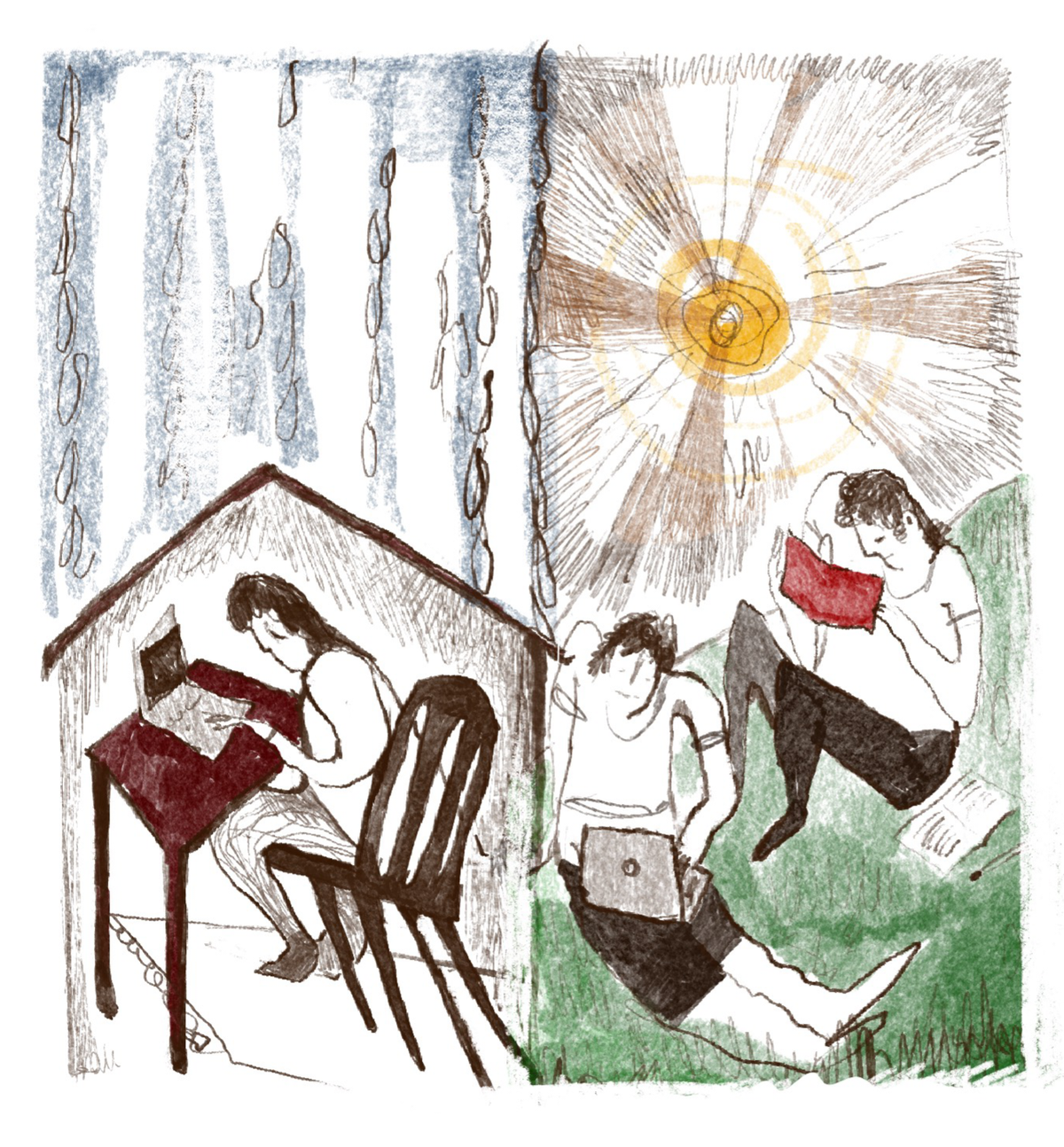
Furthermore, the stress of travelling and readjusting family relationships can be emotionally challenging, never mind Christmas. Fortunately, several practices can help to manage these challenges. Maintaining a sustainable sleep schedule will sustain circadian regulation, while sufficient daylight hours can benefit mood and sleep through increased melatonin and serotonin production. The University of Bristol even provides SAD lamps in its libraries to help students navigate darker months and minimise the impacts of the shorter days. Although this isn't a cure for academic burnout, it's reassuring to know the University's acknowledgement that students need a little more light in their lives.
Generally, it's unlikely this slump has any one cause, but the slump certainly isn’t laziness, or the Christmas spirit leaving your body. It quite simply reflects a culmination of disrupted routines, stress, and exhaustion. So if you find yourself on the sofa this December 26th, surrounded by empty boxes, wrapping paper, and chocolate wrappers. You can find solace in knowing your brain isn’t failing you; it's just taking the Christmas holiday it was promised.
Feature Image: Epigram / Luke Beaumont
How do you spend your Boxing Day: partying or revitalising?