By Ilgin Guzel, SciTech Editor
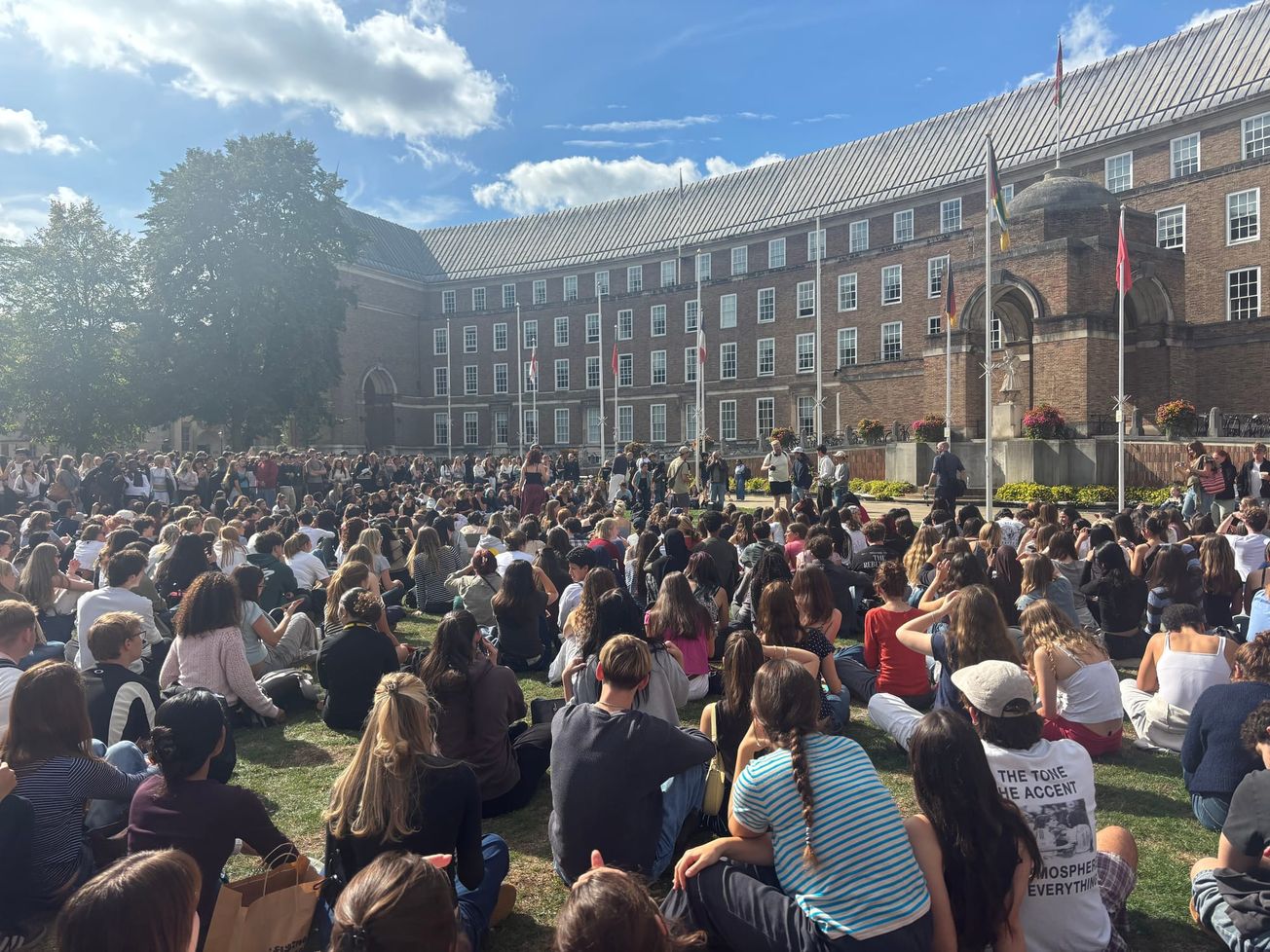
The sun is up; you and your friends have your iced coffees (or probably just cold beers), trying to find a place to sit in the student-filled College Green. You’re planning a day of tanning under the sun in 30°C weather. Have you ever thought that, in a few years, you might not be able to do this, not because you’re not going to be in Bristol anymore (you might be!), but because the weather might become dangerous for people to go out during the day?
To understand what we’re facing, we asked Dr. Alan Kennedy-Asser, a climate scientist and Bristol alum who goes beyond standard data, using interdisciplinary storytelling to study extreme heat.
He sat in our lecture halls as a fresher back in 2010, and he’s stayed in Bristol long enough to watch the city's weather completely shift.

‘The attitude to summer heat extremes has completely changed in Bristol in the time I have known the city,’ he said. ‘With time, the climate of the South West is gradually becoming more like that of South East England.’
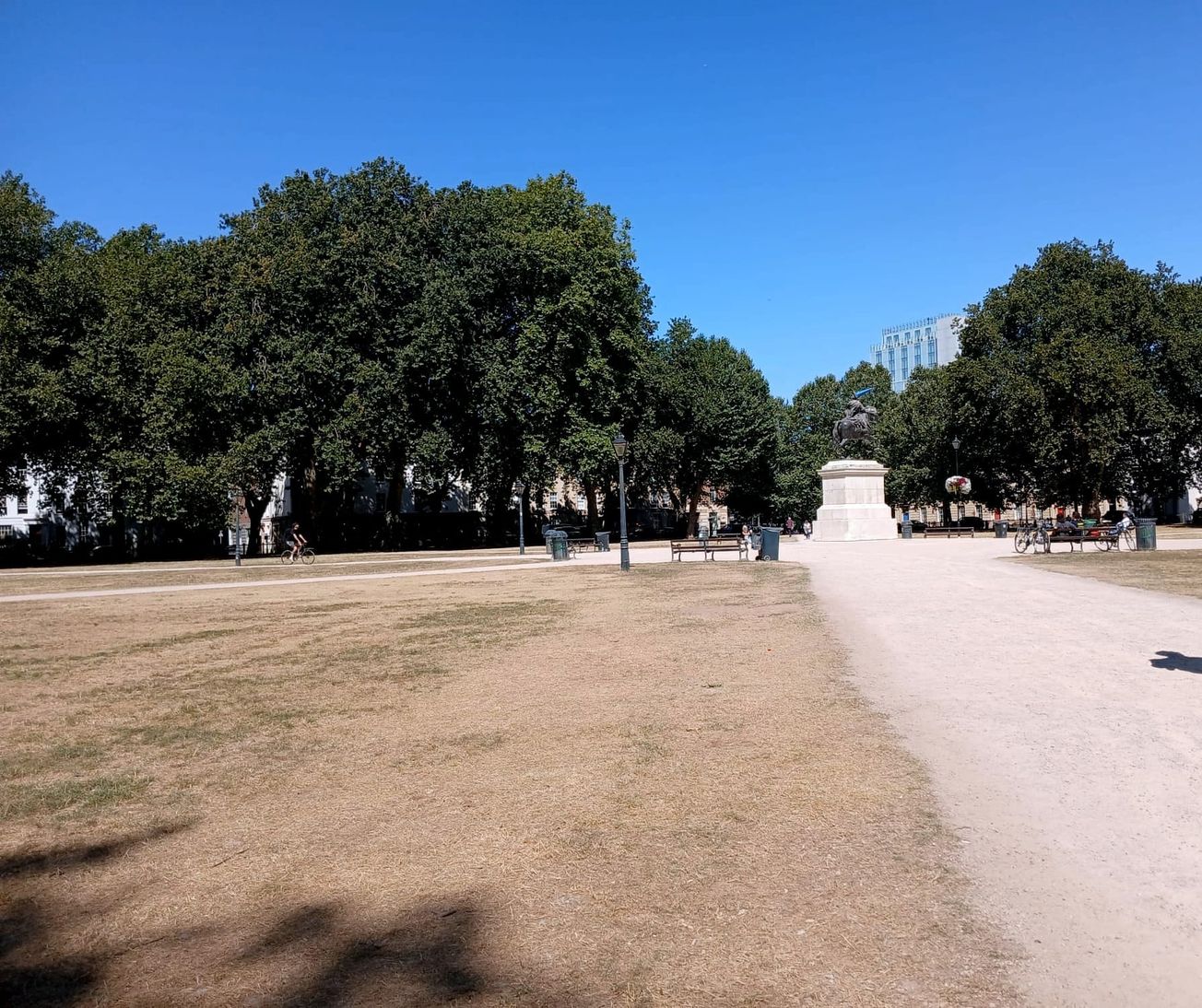
In fact, over the course of a typical three-year university degree, the average temperature might only rise by a fraction of a degree (just over 0.15°C). ‘That might not sound like much, and that would be hard for someone to personally feel,’ Kennedy-Asser admits. But it’s not the slow, everyday warming that catches you off guard; it’s the crazy extremes. We're already living through it. Think about the intensely hot, dry weeks we've had this summer, or the absolute downpours and flooding during the winter. That's the new normal.
When your student house becomes a greenhouse
Let’s be real: renting as a student usually means rolling the dice on older houses that are freezing in December but turn into absolute greenhouses by June. It turns out that stuffy feeling isn't just annoying; it can actually be a health risk.
‘Studies show that in the UK, even temperatures in the mid-20s lead to increased mortality from other health problems such as cardiovascular or respiratory illness,’ Kennedy-Asser explains. Everyone handles heat differently, so a room that feels just a bit warm to you might be genuinely dangerous to someone else.
But before you blame your old house, he dropped a massive plot twist: old architecture isn't always the enemy.
‘Believe it or not, sash windows can actually be really good - if they are well maintained, and ideally double-glazed,’ he notes. Because they open at the top and bottom, they give great airflow. He says adding external shutters to them is the ultimate hack for keeping a room cool.
He also brought up a super practical point landlords often forget: security. No student is going to leave their ground-floor window wide open at night if they don't feel safe. Secure gates and un-climbable windows are literal climate adaptations, so that we can ventilate our rooms without fear.
It’s not all about the numbers
Then there’s our own weird mindset. When our weather apps show 35°C, our first instinct is usually to grab a meal deal, head straight to the Downs, and treat it like a holiday. We struggle to see it as a weather warning.
This is why Kennedy-Asser’s research looks past the spreadsheets to see how heat actually affects real people. For example, he highlights care home staff working demanding shifts in heavy PPE; even in mid-20s heat, their working conditions put them at serious risk.
‘Climate modelling alone would not capture this,’ he points out. If we only look at the maths, we miss the human stories, which is why ‘interdisciplinary research is so important to truly appreciate the complexity of climate change impacts and risks,’ as he states.
‘Interdisciplinary research offers a chance for voices and stories like these to be heard and feed into climate policy and decision-making.’
Wildfires aren't just a California problem
Just as we underestimate the health risks of heat, we also underestimate the environmental risks happening right in the hills around us. When we hear wildfire, we usually picture California or Southern Europe, not the fields around Bristol. Kennedy-Asser admits he has ‘some sympathy for a lack of preparedness’ when it comes to fires in the UK, simply because it's a complex issue.
‘Hot, dry and windy conditions will increase the availability of dry fuel and the potential for fast-spreading fires,’ he explains. But human beings are the wildcard here: fires are very often started by us, either accidentally (like a careless BBQ in dry grass) or through land management.
The good news? This risk is manageable. Kennedy-Asser points out that ‘with careful planning and management, we can help reduce the risk so it is definitely something that we should be doing, even in the UK.’
Adapting as we go: Lessons from the rest of the world
So, what do we actually do about it? Kennedy-Asser also studies climate in Southern Africa, and his takeaway is surprisingly simple: we don't need sci-fi technology; we just need to take notes from countries that have always dealt with the heat.
‘We do not need brand new techno-fixes or to reinvent the wheel,’ he says. This means shifting our diets, installing external window shutters, planting more trees for street shade, and yes, adopting the siesta.
‘I have been amazed at some of the parallels and similarities I have seen in climate risk and its management in the UK compared with countries in Africa... We have so much more in common than we might think, and a lot we can learn from each other.’
Bristol isn't going to turn into a desert overnight. But the vibe of the city is definitely changing. It's going to be a slow build-up of hotter summers, wetter winters, and houses that need to catch up. Whether you're just moving into your halls or getting ready for your final year, it's a transition we are all going to navigate together.
 Rebecca Le Jeune
Epigram extends its thanks to Dr. Alan Kennedy-Asser for sharing his time and insights for this piece. Here is the full interview transcript if you’re interested.
Featured Image: Epigram / Hannah Corcoran
Are we actually going to miss the summer rains by the time we graduate?