By Charles Hubbard, Second Year Theatre and Performance Studies
The inaugural production of Connie Weston and Eloise Nicol’s Secret Indigo Theatre is a manic, mannered and merry one-act trifle about a group of women who gather to share stories together in the midst of World War Two.
How do you deal with a national trauma, especially one that is still ongoing? This is the question at the heart of The Rosies - a play fundamentally about finding the strength to carry on (and keep calm while you’re at it) by reaching into stories of the past and the heroes that got us where we are today. And also about how it’ll never not be entertaining to watch someone try to balance a pen on their upper lip. Connie Weston and Eloise Nicol’s vision of a nation’s refusal to admit its own crisis is represented as a cosy, cloistered attic whose inhabitants are regaling each other with stories of the past even as the bombs rain down upon their heads. Sort of like Alice by Heart if you took out the songs. And the talking caterpillars. In fact, the play itself seems as desperate as its characters to shield itself from the horrors of war - a tendency that is both the play’s strongest centrepiece and its ultimate Achilles heel. Is it vital to take some solstice in stories to avoid the troubles of the present or is the necessity of looking the other way just another lie that fascists tell to pull the wool over our eyes? The Rosies (both the play itself and the titular group of characters it features) remains strongly in the former camp but the script doesn’t quite combat the latter point effectively enough to entirely convince me that we will defeat Nazis by meeting in cosy attics and discussing how much the inventor of bloomers did for the cause of feminism.
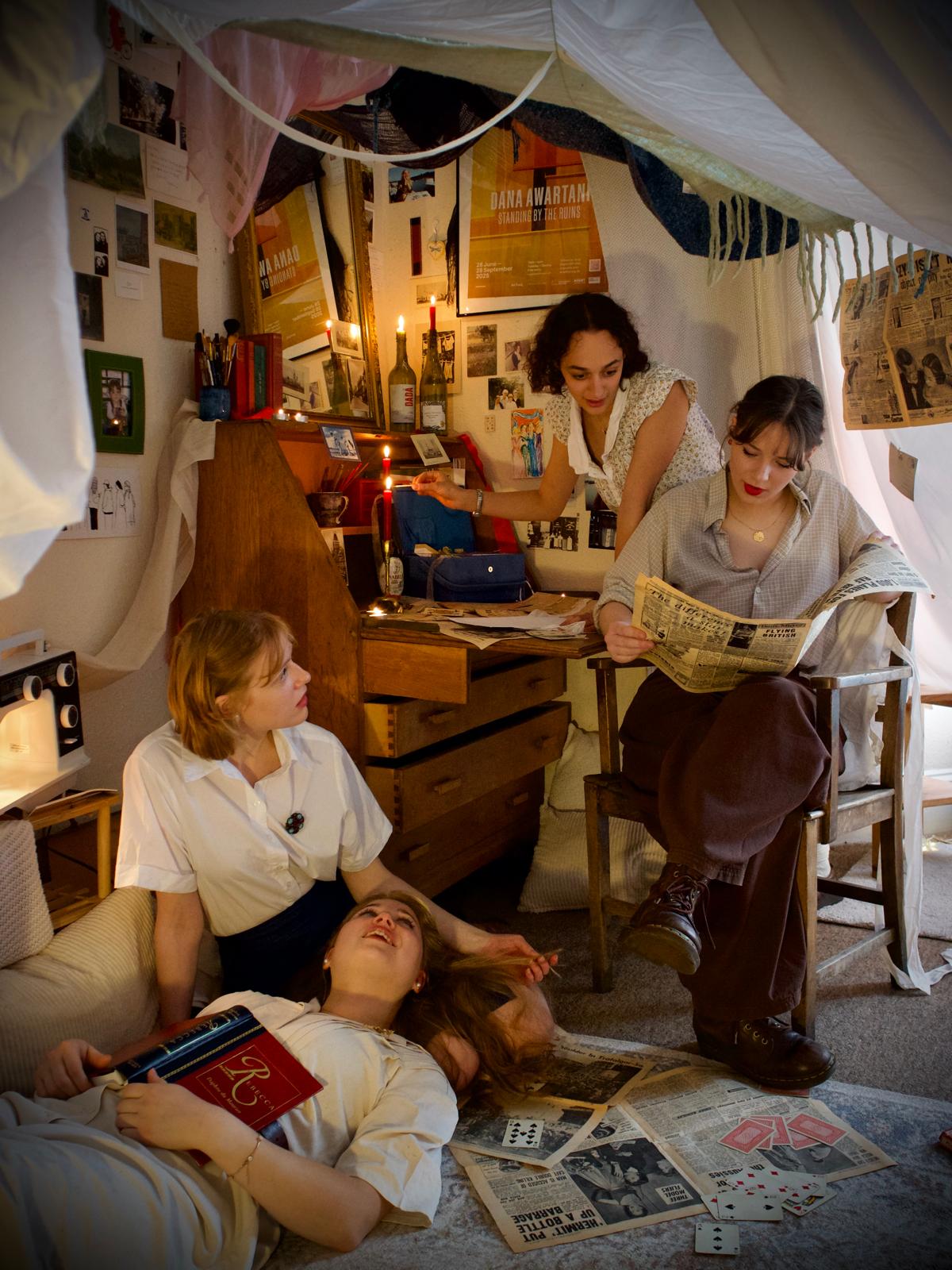
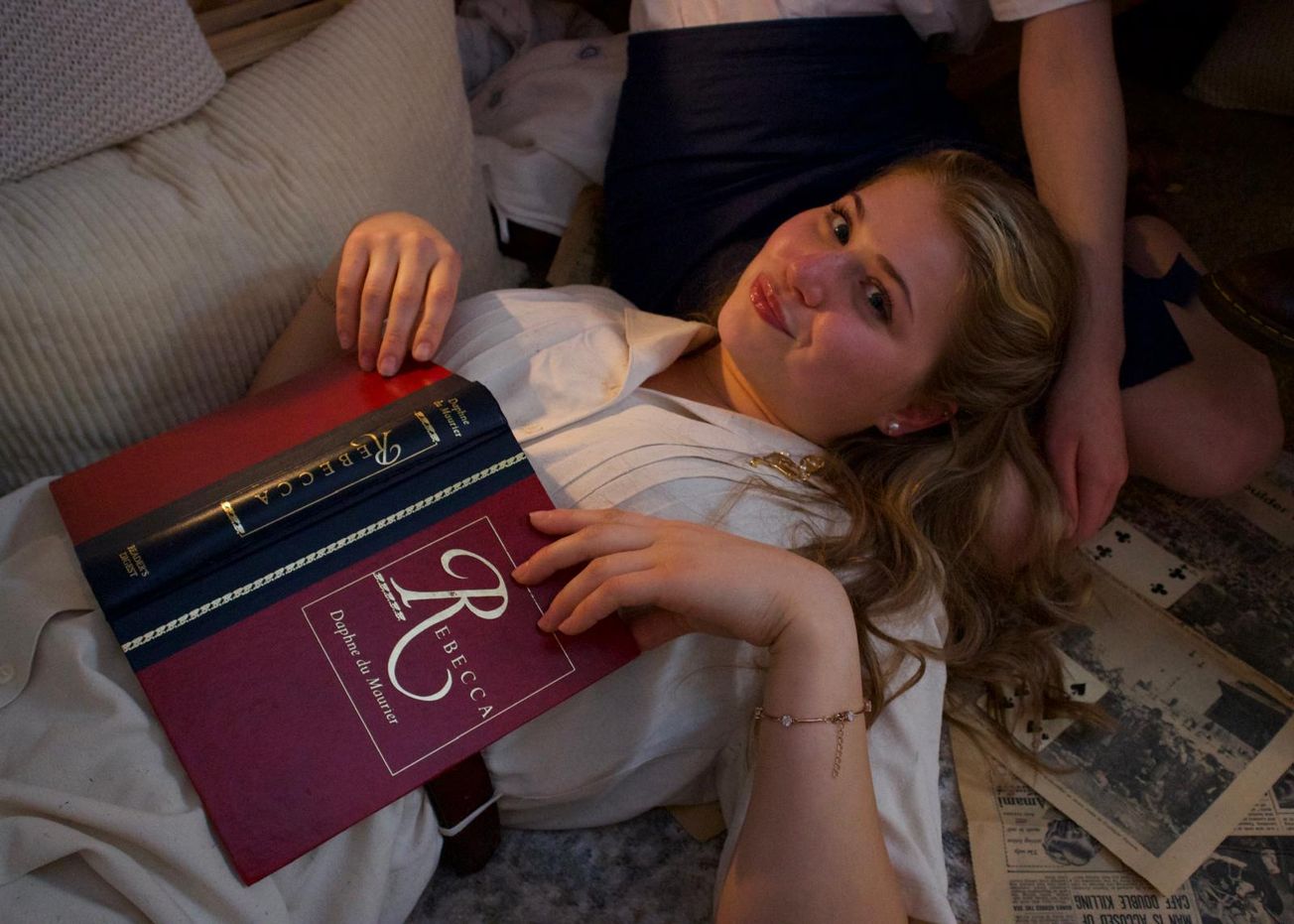
Since the Allied forces entered into the most destructive worldwide conflict in human history, naive and starry-eyed Rosie (Esme Fleeman), her older sister Wendy (Sophia Fantozzi), aspiring writer Angie (Connie James) and Francis (Véia Zanelli) have gathered once a week in Angie’s mostly deserted attic to comfort themselves with stories of great women of yesteryear. The play, which runs at a fleeting 35 minutes, sometimes functions exclusively as a vehicle for getting these women’s stories to a wider audience - a commendable mission statement and one that justifies a much longer (those perhaps less narrativized) piece of theatre all on its own. However, the script never seems to quite make up its mind whether the Rosies are merely a framing device for the stories they pore over or whether the stories are merely a tasty side dish on the platter of their friendship. I know that that metaphor is a little overwrought, but, when placed alongside the impressively flowery dialogue streaming out of Weston and Nicol’s pens, it sounds downright neo-realist by comparison. The more the play veers into the latter avenue and references the longstanding conflict all the characters are involved in, the more glaring the swastika-branded elephant in the room becomes.
As a technical showcase for its four performers, The Rosies is entirely unimpeachable. As mentioned earlier, the script is thickly laced with Howard Hawks-y rat-a-tat-tat dialogue delivered so quickly by the actors it often feels like you’re watching the play at 2x speed. Connie James (whose character’s continued writer’s block serves as the play’s only real-world narrative turnkey, at least until a wrench is thrown into the works of the four women’s harmony at the eleventh hour) is tremendous at carefully detailing her character’s rapid peaks and valleys in confidence and inspiration. Sophia Fantozzi plays the prickliest character of the four and the one who most frequently tests the audience’s sympathies. Fortunately, Fantozzi has never seen a difficult part that she can’t play with an astonishing level of grace and empathy and extracts the hidden likeability out of her character with just as much skill and vivacity as she did with Lady M in InterAct’s production of the Scottish play.
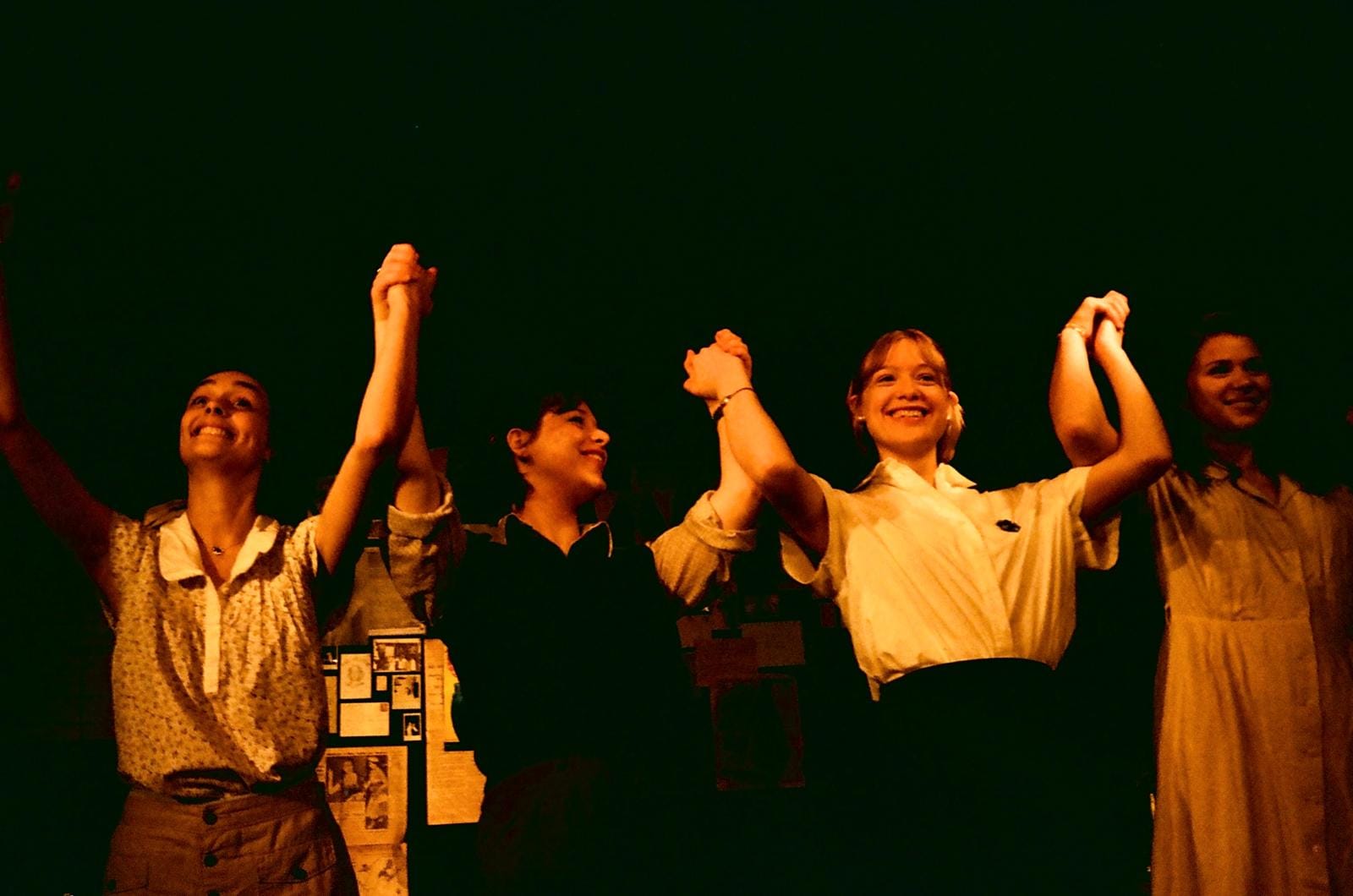
Speaking of likeability, Esme Fleeman is a natural choice to play the heart (and namesake) of the group. In terms of pure onstage presence, Fleeman has more charm in her little finger than the rest of us seem to have in our entire bodies and the strength of the play’s ending, which tentatively pokes at the fourth wall and extends the concerns of the Rosies beyond the scope of 1940s Redbridge, is carried off exclusively due to her ability to sell anything convincingly. Véia Zanelli is slightly shortchanged when it comes to narrative meat (with a runtime stopping just short of half a typical Alma show, there isn’t quite enough to go around) with a character who feels like an extension of Angie and is rarely given any interiority of her own. Zanelli is nevertheless excellent and handles the period dialogue with an explosive degree of panache and flair but is worthy of much more than the script is giving her.
 Charles Hubbard
For a play that’s already bite-sized and sped through at such a degree that I could feel myself missing many great moments, there is certainly a lot under the hood here. Weston and Nicol touch upon the question of fidelity for women whose husbands are at war, the insidious way the war was used to justify and perpetuate a notion of masculine supremacy and even the necessity of murdering your husband should he get violent. Grit and brutality are very clearly not what the writer-directors are going for, so anyone potentially noting this for not engaging with the senseless violence of the Second World War (and the systemic ethnic cleansing at the root of it) can promptly be shown the door - and this probably refers to me as well! The Rosies is a strong debut and one brimming with potential for what Weston and Nicol could do if they allowed themselves a slightly bigger canvas.
Featured image: Secret Indigo Theatre