By Amber de Waal, Second Year, English
Each year the Booker Prize shortlist is linked by a theme, and the theme this year is ‘What it means to be human in an ever-changing world’. However, in truth, the emphasis should really be on the second syllable of human, as it is masculinity and the complexities and anxieties which surround it, that appear to have grabbed the judge’s attention this year.
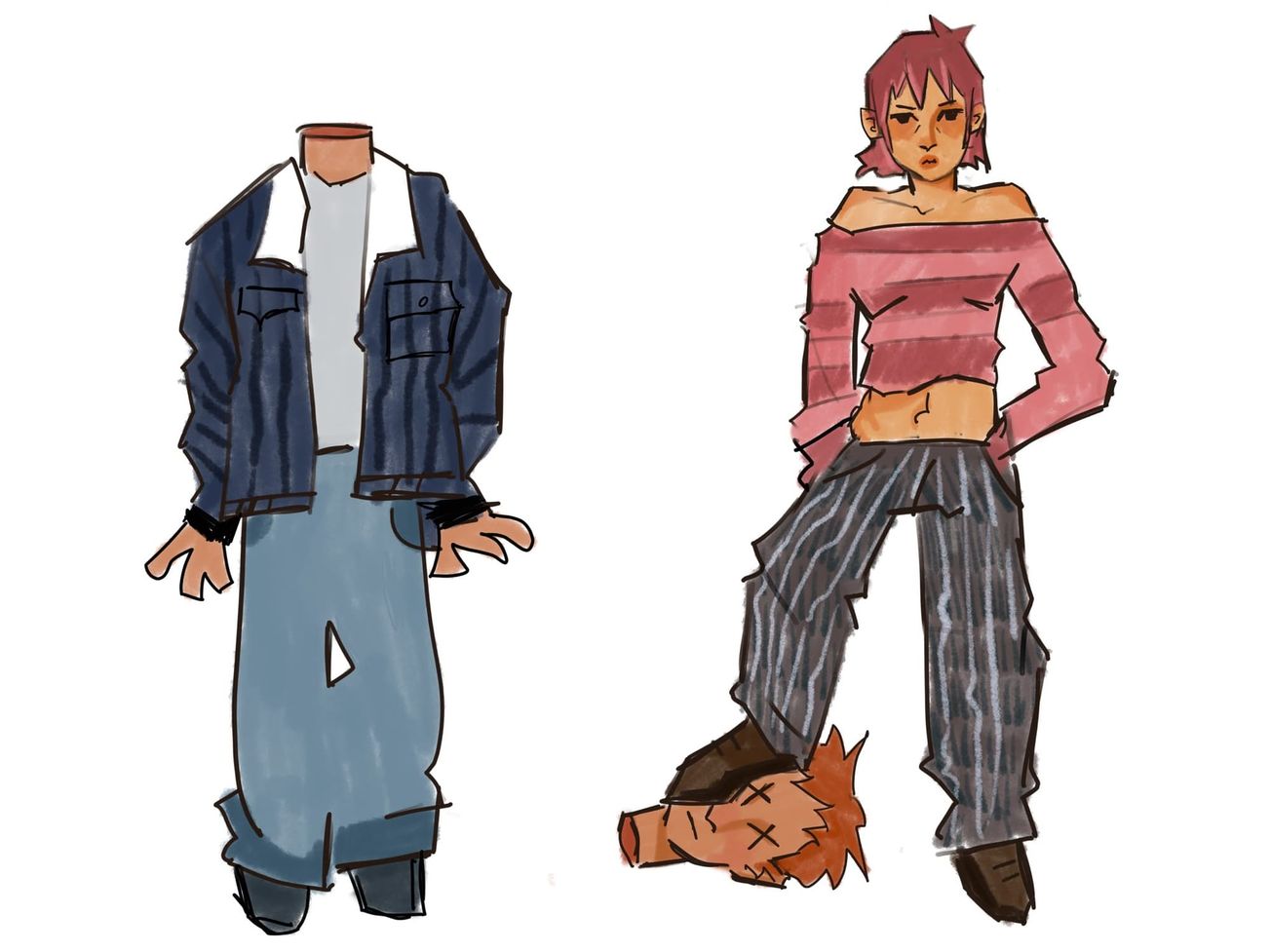
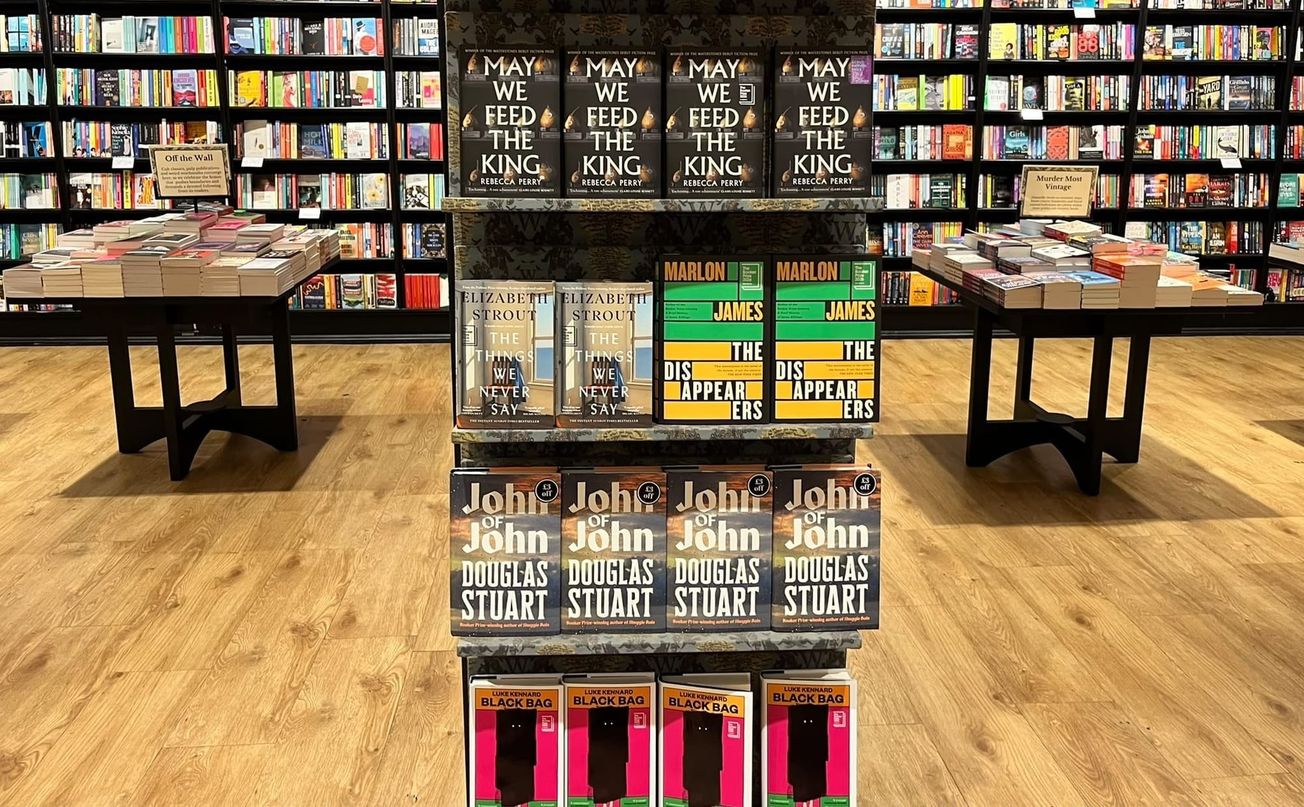
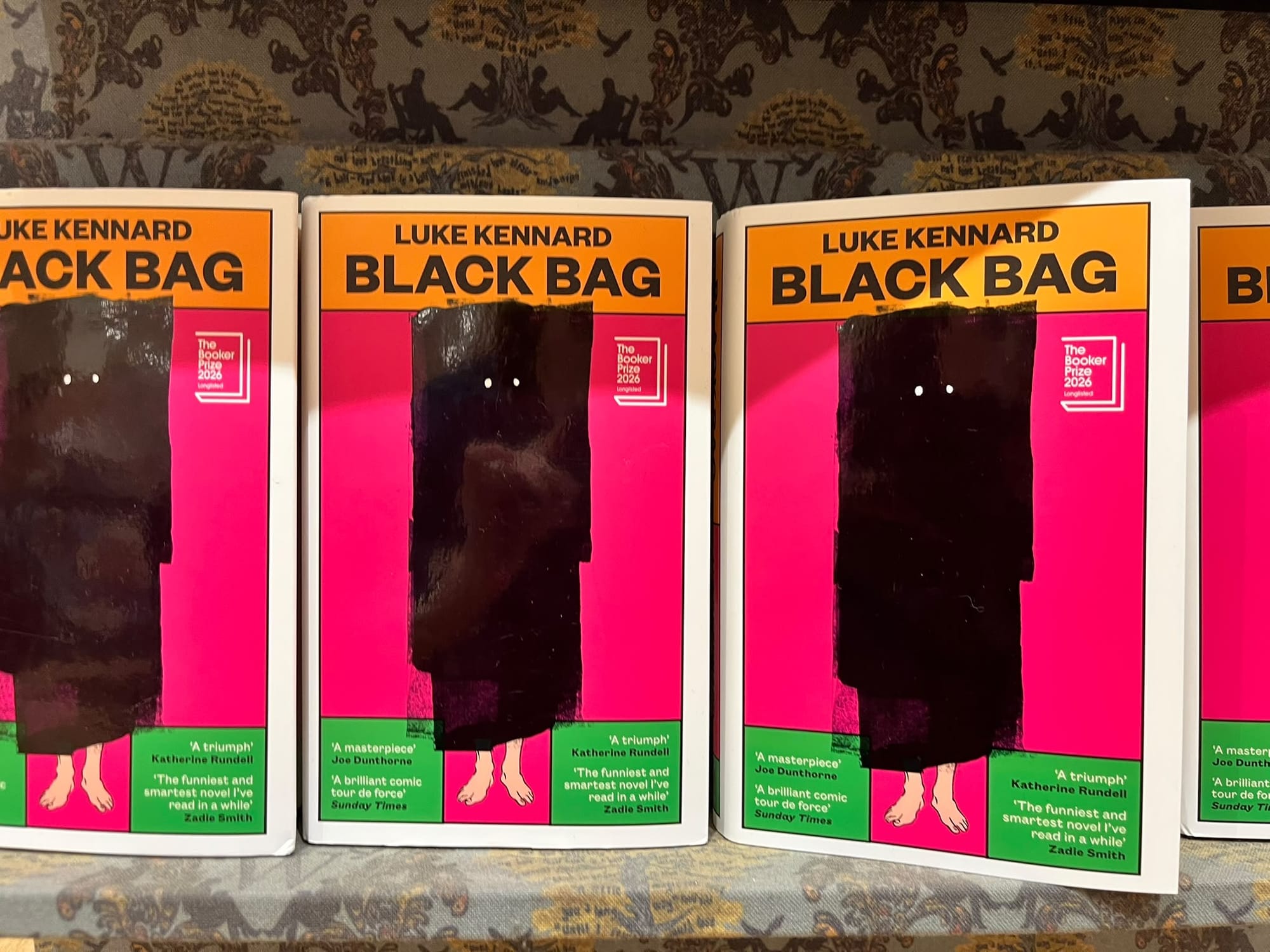
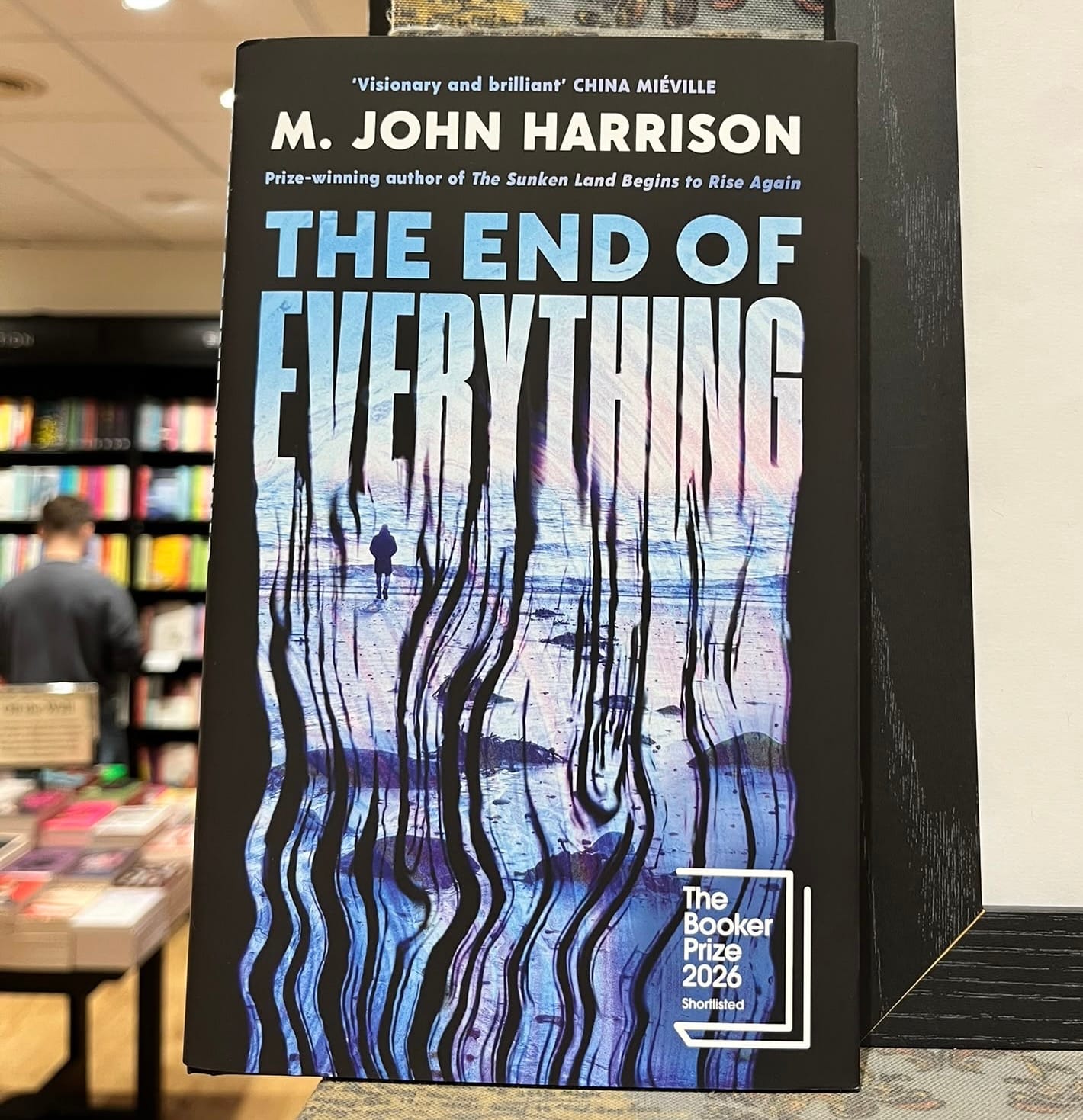
At a glance, the shortlisted books feel to have little in common, spanning widely different genres and settings. Marlon James’ The Disappearers is an epic story about a violent attack on the cast of an overtly gay play put on in 1980’s Kingston, Jamaica. Douglas Stuarts John of John is a heart-wrenching tale about a father and sons’ constrained relationship on a claustrophobic Scottish Island. Elizabeth Strout’s Things We Never Say is a quiet story about a kind and brilliant teacher from Massachusetts, who is secretly incredibly lonely. Rebbeca Perry’s May We Feed The King, follows a curator assembling historical tableaux, and imagines the life of a Medieval King who finds the position of power incredibly restrictive, and is unable to align himself with the bloodthirsty rulership of the age. Luke Kennard’s Black Bag follows a struggling actor who takes part in a psychology experiment where he must sit in a classroom dressed head to toe in a black leather bag. M. John Harrison’s The End of Everything is about a “beach comber” who searches the shores of post-apocalyptic England for washed-up strange organisms to sell.
Upon reading the shortlist, it became apparent that each book follows a male character who sits at an awkward angle to the surrounding community’s ideals of masculinity. We encounter men who are sensitive and strange, melancholy and queer, quiet and thoughtful, passive and unambitious. These men do not conform to the macho or aggresive stereotypes which allegedly define masculinity. There is an attempt then, at a kind of redefinition. The shortlist nominees show us that masculinity is not a thing that can be easily defined, but rather a ever-changing interaction of aspirations, expectations, and desires.
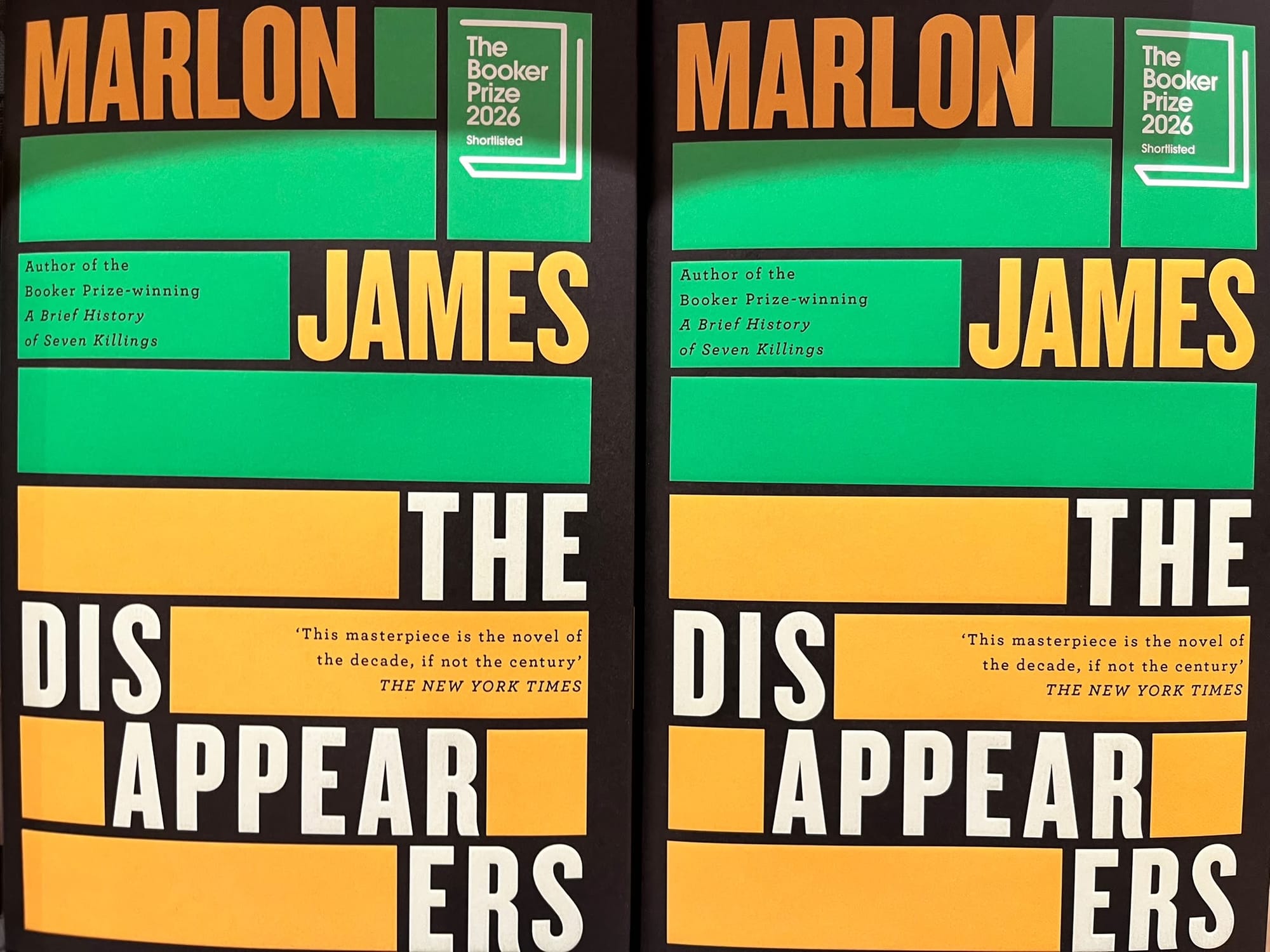
Douglas Stuart and Marlon James (both of whom are previous winners of the Booker Prize), explore the struggle to express queer masculinity within communities and settings that are hostile to queerness. In The Disappearers, extreme violence is used by mob attackers as a device to punish the queer actors for their deviation against hegemonic masculinity. Amid the golden era of peace-loving reggae, Jamaica remains a terrifying place to be a queer man. In an interview on The Daily Show, James talks about what it was to be different growing up in Jamaica, and that is sometimes necessary to become to get out the way or go unnoticed. 'I was a pretty good disapperer' James recalled, 'the kids would call me names if I took the 6'oclock bus to school, and I realised if I got the six-fifteen, I could still get to school'. He continued, 'When you're in the margins...you have to find ways to vanish right in front of people.' In the face of this necessary act of disapperance, it is rather beutiful to have James write a 600-page novel, which sets in stone a record of those for whom it was necessary to vanish.
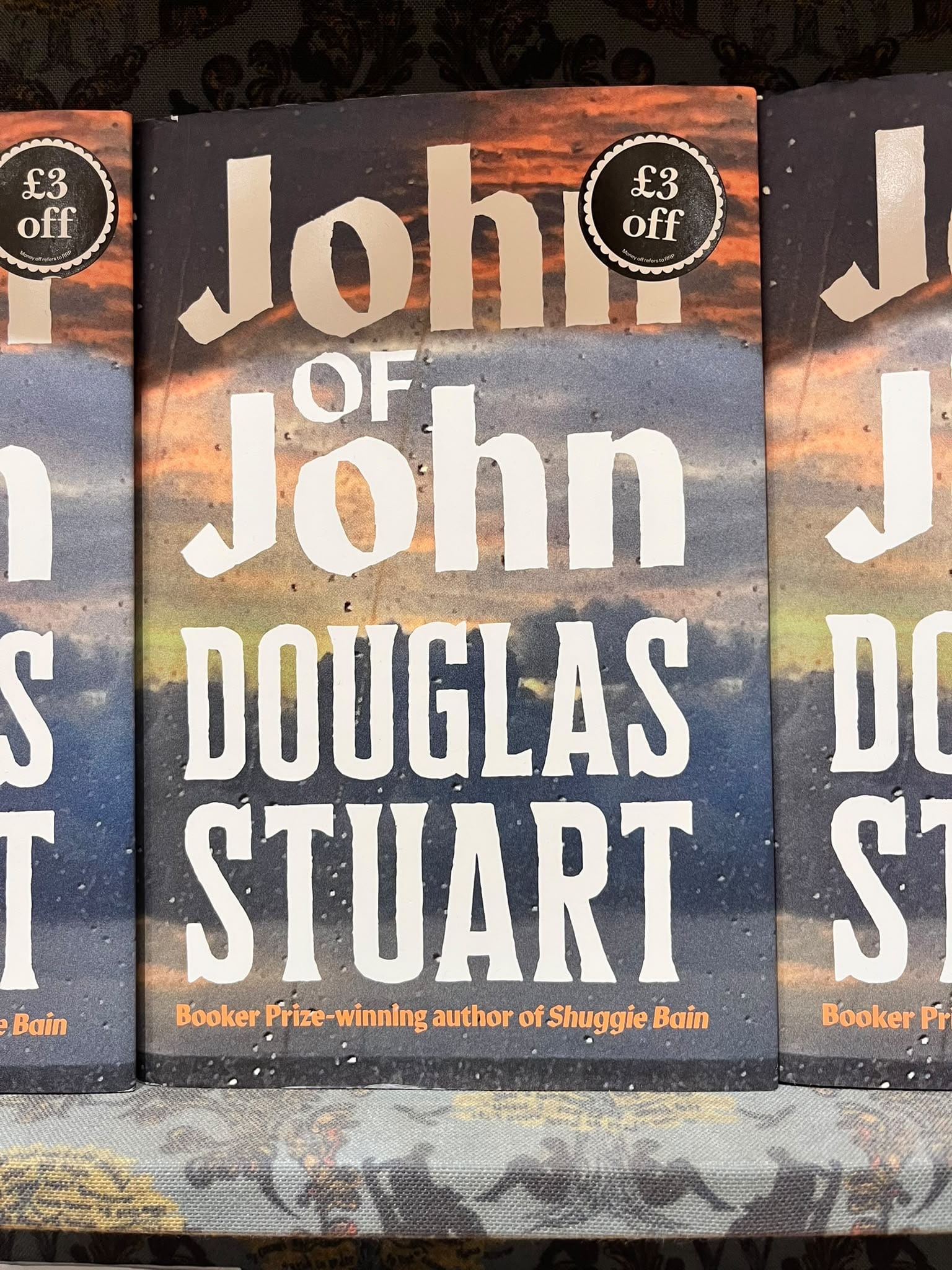
For Douglas Stuart it is tenderness, in his novel John of John, that becomes an act of rebellion. In a talk held by his publishers Pan Macmillan, Stuart told the audience 'When you write about softness, especially in a very masuline world, there is something a little subversive about that. The world is very suspivious of men who feel tender'. In John of John, the warmth shared by father and son is understood through the rich and descriptive prose, which lingers on these moments of sensitivity, and reveals a love shared between men unable to be articulated. By paying such detailed attention to what cannot be said, Stuart engages in an act of rebellion. It says look here, this is happening, even if were all refusing to talk about it. It exists, and its important.
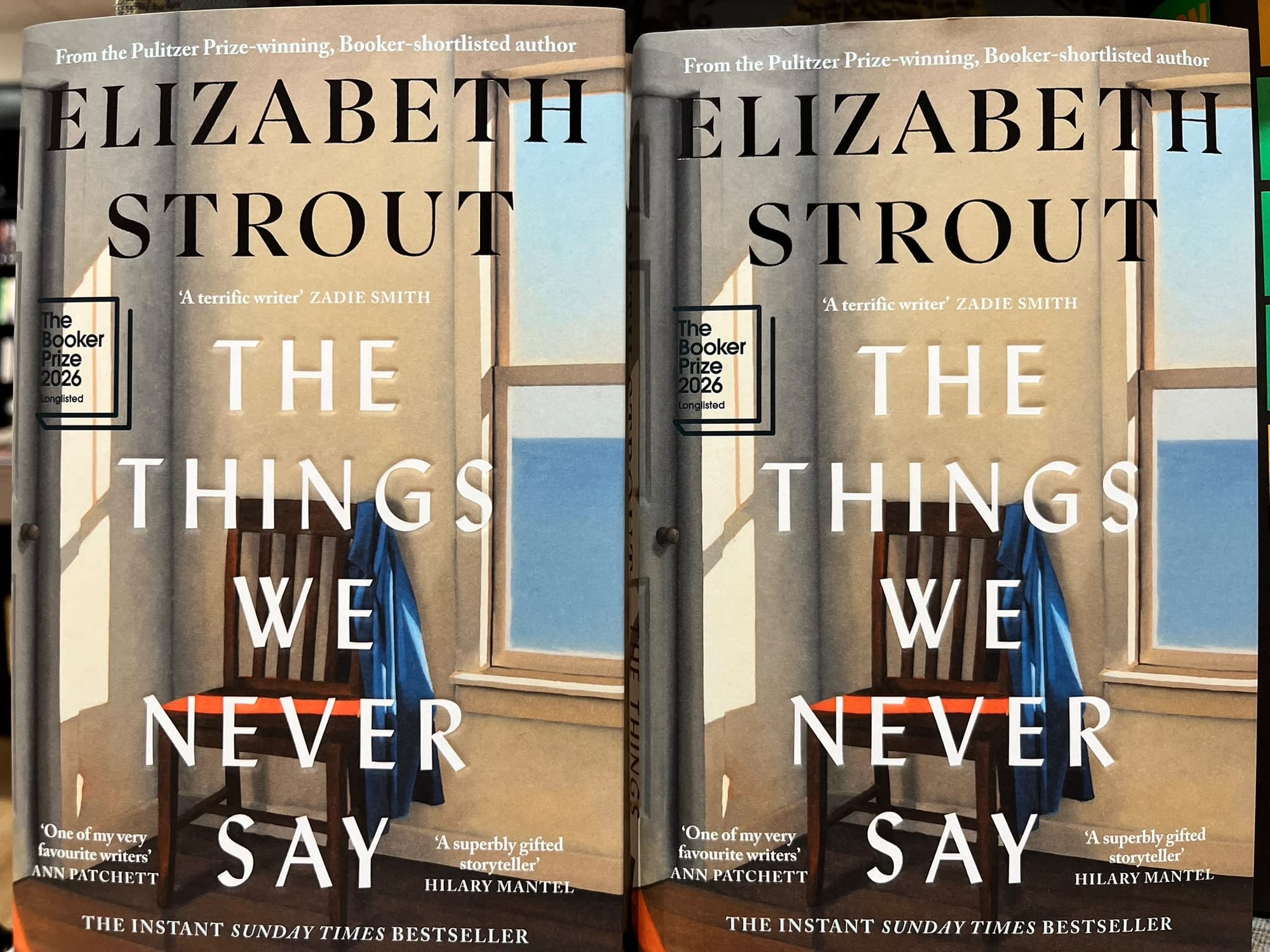
On the topic of the inarticulable, Things We Never Say, by Elizabeth Strout, understands the loneliness that can emerge from not being able to communicate with those around you. Artie Dam, the 57-year-old protagonist, realises at one point that:
“People die of loneliness. It happens all the time… Yes… People do die of loneliness, and I am—or will be—one of them.” (p.31)
Strout’s book is filled with these simple sentences that seem to grasp those unsayable, painful truths. When speaking with Ryan Turbidy on Times Radio, Strout described an unknowable sympathy she has for men of this age. “I don’t know why” she laughed, then added softly, “poor men”.
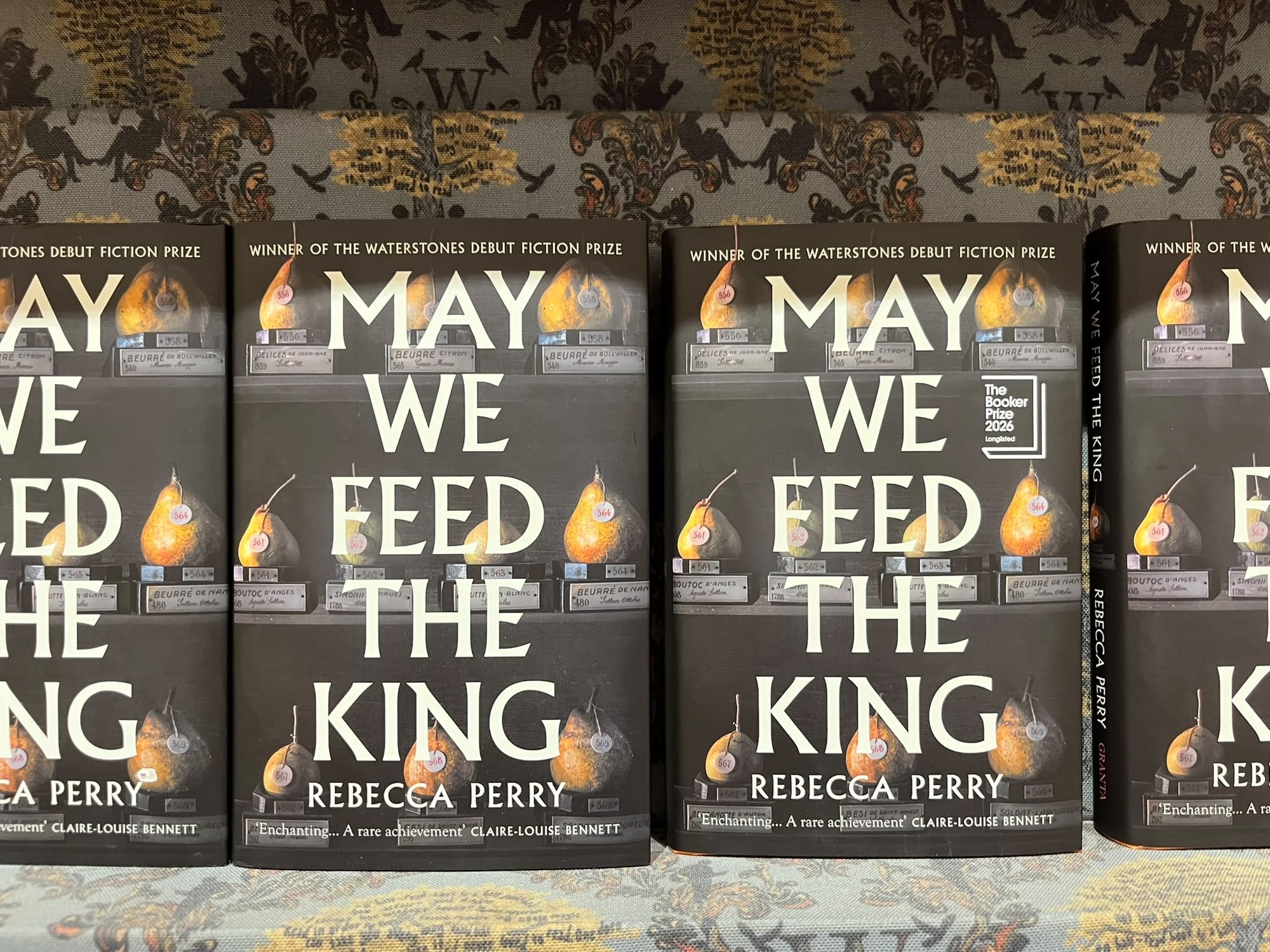
May We Feed the King, considers the rigid historical expectations surrounding men in power. With a thirst for bloodshed, beheadings, dominance, and conquest, a medieval king was considered the ultimate masculine figure. Yet the King we follow thirsts for none of this; he lacks an appetite for power, does not care to be perceived as dominant, does not wish to bring bloodshed to anyone. This alternative vision of masculine leadership may seem the obviously more suited to modern readers, and yet, if we look at current world leaders, we might find they share more with the bloodthirsty one.
If you would like to read more about May We Feed the King, you are in luck, as it is also November’s Epigram Book club pick!
Black Bag wants to know, in an era where traits like appearance and strength define masculinity, what it is to be a man inside a black bag? What qualities, what weaknesses, exist when we dig more than skin deep.
The End of Everything sees masculinity stripped bare in a post-apocalyptic world where societal structures have fallen to pieces.
The question remains why these men, and why now? What has drawn the Booker judges to these specific narratives, and the writers to these topics?
Recent years have seen the wide scale emergence of hyper-masculine spaces on the internet which promote a very rigid type of masculinity, otherwise known as the Manosphere. Perhaps these writers, as well as the judges, are responding to a crisis around the question ‘what is a man?’. While manosphere content creators claim a man is made by his high status, physical dominance, and financial wealth; the booker short list gives us a far more nuanced answer to this question. It not only shows us a diverse range of men, it also empathises the difficulties of navigating desire and personhood in a world that stifles individual identity into such a rigid binary.
Or is the predominantly male written and male centred shortlist a response to the recent domination of women in the world of fiction? The UK top 20 bestseller list is predominately female authors, and statistics show that whilst about seventy-one percent of men read books, only about quarter pick-up fiction. Sometimes referred to as the “Male Literacy Crisis”, there is a growing concern in the publishing industry about male disengagement with fiction (see more in The Guardians article: How women conquered the world of fiction). So, is this an attempt to draw men back into the literary landscape as readers and writers?
Douglas Staurt is hopeful that his work will help to do this. On the Inklings podcast, he spoke about the importance of including male characters who read in his novel, as a way of encouraging men to do the same. Perhaps this also explains the many literary discussions and books featured in James’ The Disappearers. In Stuart’s talk on John of John, he encourages working-class men to find a love for reading, “It’s always there for you” he says, “we always want you to join”.
 Jasmine Symes

Whether this year’s shortlist is a response to the rise of hyper-masculinity, an attempt to draw men back to fiction, or a simple coincidence of six writers exploring similar anxieties, the significance of the theme lies is the questions it raises about masculinity. These books do not offer a single answer to what it means to be a man, instead they present masculinity as something unstable and deeply personal. These books make space for men who are quiet, frightened, loving, strange, queer, lonely, and soft.
In a world that is increasingly trying to dictate “how to be a man”, the Booker shortlist essentially answers that there is no single way.
Featured Image: Epigram / Amber de Waal
Which book do you think deserves to win this year's Booker Prize?