
By Alice Manning, History MA
‘the human race is filled with passion’
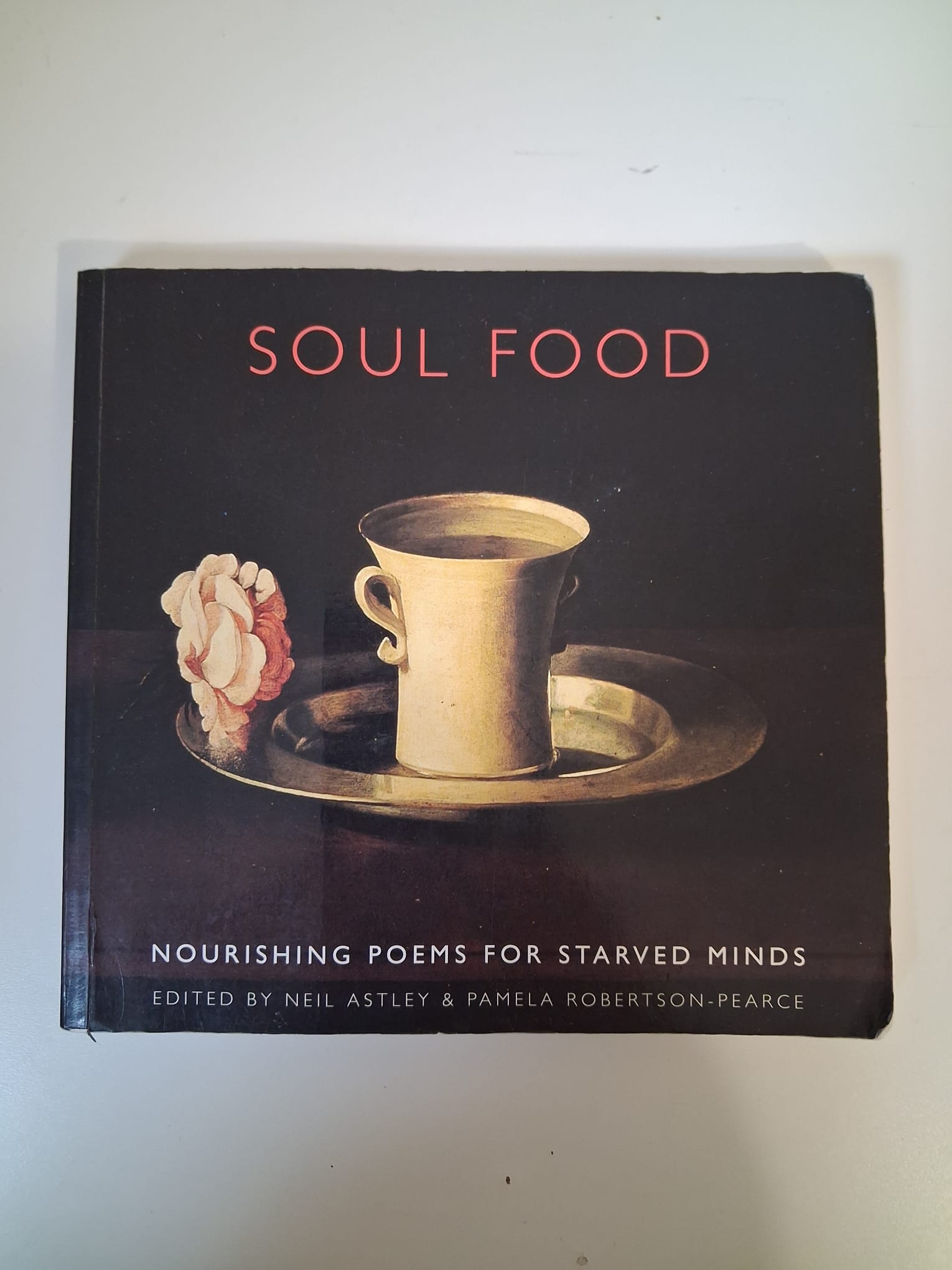
In the 1989 classic Dead Poets Society (Weir), everyone’s favourite English teacher John Keating (Robin Williams) encourages his students to find their place in the world via the written word. His lessons inspire in them not only a love of literature, but the courage to take a stand, and assume control of their lives. In a tumultuous political era, amid rising costs for students and a growing literacy crisis, the idea of doing a degree merely out of ‘passion’ has lost vogue. But, in the words of Mary Oliver, ‘the world offers itself to your imagination’; literature and writing can offer solace, impetus, and opportunities for reflection in times of uncertainty and difficulty. The existence of places such as the Poetry Pharmacy in London might speak to our modern age of commodification, but they also attest to how the art form can play a significant role in maintaining wellbeing.
You may be enthusiastic about your degree; or you may be wondering if it’s really for you. Either way, there’s plenty of opportunity to find your ‘passion’ elsewhere – in societies, volunteering, paid work, or simply the friendships you make. Whether you are a literature student yourself or engaged in one of John Keating’s ‘noble pursuits’; a seasoned Shakespeare fan, or a novice to verse, we can all take a lot from the wisdom and wit of poetry for our university experience.
There is something timeless about the lessons that poetry can offer, and with that in mind here are a few classics – ancient and modern – to inspire your studies, social life, and everything in-between.
‘Some momentary awareness comes as an unexpected visitor’
Unsurprisingly university, as with the rest of life, will never go exactly as you predict it to. ‘Guest House’ by the 13th century Sufi poet Rumi offers useful instruction on how to approach difficult circumstances. Rumi had his fair share of these, in a life beset by difficulties; he and his family fled their homeland when the Mongols invaded, and he experienced intense emotional pain at the loss of a longstanding friend. He identifies difficult moments as opportunities for growth, and recommends characterising your emotions as visitors in a guest house. It is a theme that speaks, somewhat remarkably, to modern psychotherapy and its concept of holding space for your emotions, and practising gratitude. So perhaps, although not everything will go well, the key thing is approaching setbacks with a positive attitude, and learning from these experiences, rather than letting them define us.
‘Easy is right. Begin right and you are easy’
Zhuang Zhou was a major thinker in the Taoist canon whose writings are widely read across China and the world today. ‘When the Shoe Fits’ plays on the talents of a skilled artisan who ‘draw[s] more perfect circles freehand’ to illustrate how trusting your instincts can be both satisfying and practical. As I see it, the lesson from this is to lean into the process: don’t think too hard. Getting started can be the hardest step, and often all it takes to join a new society or write that essay you’ve been putting off and you find your ‘flow’. Hard work is valuable, but don’t create an ‘obstacle’ for yourself, or force yourself to do something you’ve no inclination for. University is not always a straightforward path; you may find inspiration in places that surprise you. For example, the best piece of advice I ever received was to take the things you procrastinate with – those late-night Wikipedia deep dives we are all guilty of – and find a way to incorporate them into your career or your life at large. Sometimes the old cliché is true: when you know, you know.
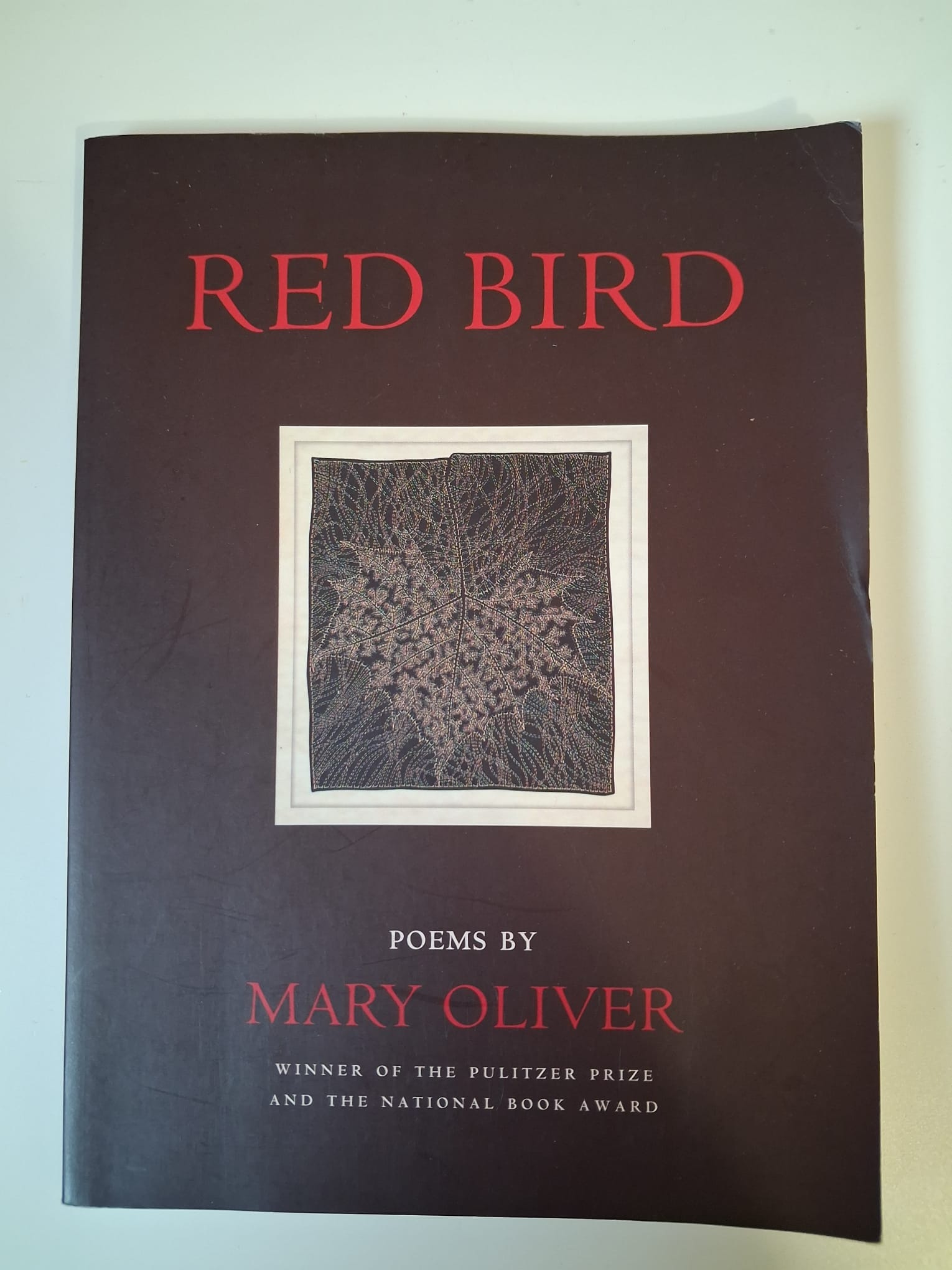
‘I listen to those teachers, and others too’
The internet’s favourite poet of the moment, the late great Mary Oliver, spent much of her life in nature appreciating the solace and sense of purpose it gave to her. ‘The Teachers’ from Red Bird (2008) exemplifies her relationship to the natural world and offers inspiration to the reader too. The narrator paints an excursion to the woods as a lesson in leaving behind ‘the dryness of self’; going beyond the mechanics of human language and simply listening, allowing yourself to just be. It also reminds us that sources of learning can come from many places. With her words in mind, why not take a moment to pause from your studies (or partying) to explore the natural world on your doorstep – whether that’s locally in Bristol, or somewhere further afield.
Just from the examples above we can see that poetry suits the notion of a mental health prescription, chiefly for the sage advice it can offer us. It is no monolith; there are countless styles, eras, and writers to discover, and arguably there is something for everyone.
Returning to Dead Poets, the final lesson in this scene is that any of us ‘may contribute a verse’ to the poem of life. Whether you take this advice literally – and go to buy a dozen notebooks for your poetic scribbles – or not, it is an emphatic call to arms. You have a say in a collaborative piece of art known colloquially as life (trite, yes, but correct) and university is a golden opportunity to grow, learn, and make your voice your own.
 Ella Joshi

Featured Image: Unsplash / Patrick Tomasso
Do you already read poetry?