By Vaishnavi Chandrashekar, First Year, Law
In an animation circuit once dominated by Disney and Pixar, Dreamworks has increasingly become one of the most exciting studios in western animation and, with their latest release - Joel Crawford and Januel Mercado’s Forgotten Island (2026), the studio continues their upward trend.
Bright, fast and vibrant in more than just presentation, this film delivers a hyperactive, solidly emotional exploration of memory, friendship and growth through a rich backdrop of Filipino culture and folklore but remains nevertheless weighed down by its commitment to a lightning fast-pace.
Dreamworks is historically best known for their raunchy, satirical classics like Shrek (2001), Bee Movie (2007) and Megamind (2010), meaning that the average person may very well struggle if asked to pin down the studio’s signature style. Their artistic identity has been far-reaching in terms of tone, genre and even medium, ranging from the 2D masterpiece The Prince of Egypt (1998) to acclaimed book adaptations like How to Train Your Dragon (2010) and The Wild Robot (2024), the beloved martial arts series Kung Fu Panda (2008-2024) and infamously mocked films like Shark Tale (2004), Turbo (2013) and the Boss Baby (2017). In other words, Dreamworks has a reputation for high highs and low lows.
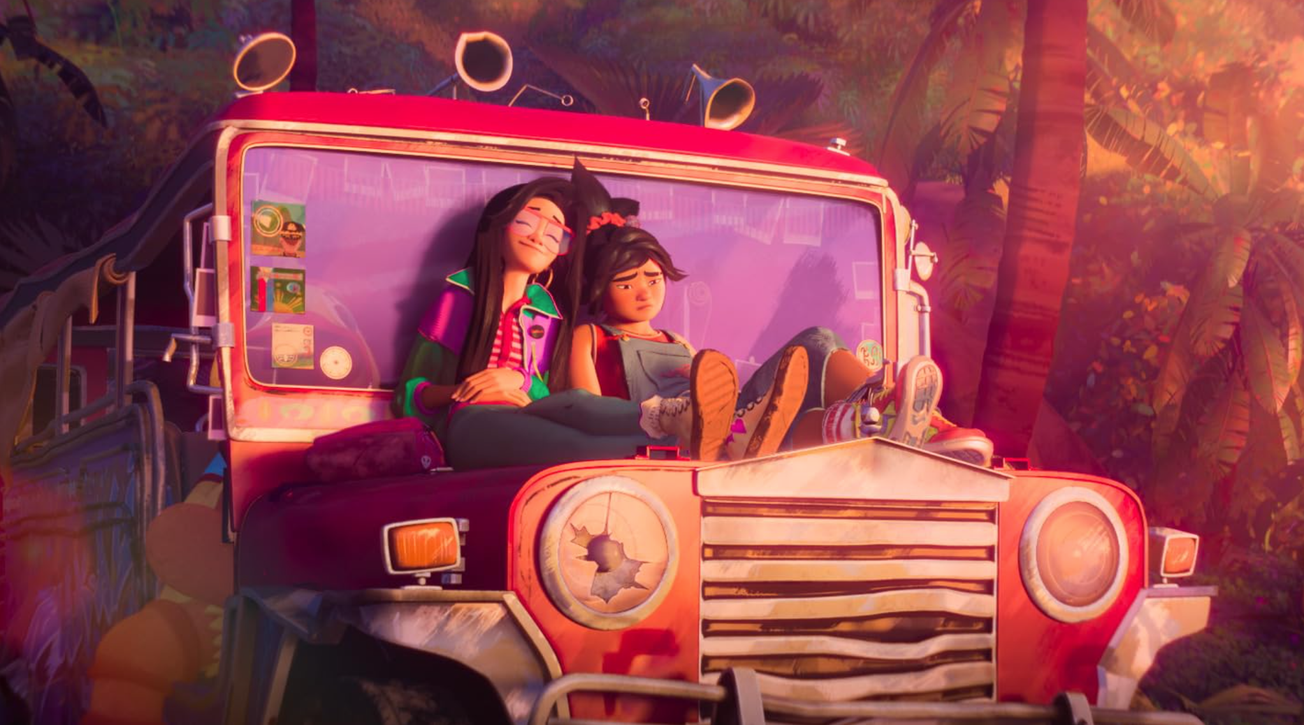
Fortunately, their most recent outing has taken after its more emotionally resonant brethren while still retaining elements of Dreamworks’ trademark humour. The film follows best friends Jo (R&B singer H.E.R.) and Raissa (Liza Soberano), who, now growing into adulthood, find themselves at a crossroads with each other and their own futures. Raissa wishes to move abroad to the US to pursue her education, whereas Jo seems stuck, jumping from one job to another with seemingly no plans for her life nor a regard for her own future.
After a spat begins to break out between the two the night before her planned departure in regard to Raissa’s wish to leave, they find themselves transported into the world of Nakali Island: the very same island that Jo’s grandma has regaled them with stories of prior to her passing, the finding of which had served as the foundation to their friendship. Upon landing on the island and coming to, the two find themselves covered in mysterious clothes, tattooed and bereft of their memories of last night. Tasked with learning what really happened once they arrived on the island, Jo and Raissa are left to contend with themselves, each other and the arduous task of finding their way back home (if that is what they really want at all).
Visually, Forgotten Island first follows in the footsteps of films like Puss in Boots: The Last Wish (2022) and then immediately sprints headfirst into its audience. To say it is a bright film would be an understatement. It is almost sickeningly colourful; a constant kaleidoscope of shape and movement; an absolute overload of visual spectacle. Every single second felt like the animators were flexing. I thought, that by the end of the film, I would have found myself sick of this but, once you buckle in for the ride, the film generally maintains a comfortable visual balance that, rather than detracting from the narrative, enhances both its emotional beats and sillier moments.
As a lover of portal fantasy, I found myself extremely taken in by Forgotten Island. Its sweeping, colourful locations, spanning from talking forests, mushroom armies and demon markets felt as if they were ripped directly from a children’s fantasy book. In many ways, the wonder of this new world reminded me of my experience watching Hayao Miyazaki’s Boy and the Heron (2023). Even pre-transportation, the settings are animated with so much talent and appreciation for the Philippines that it practically jumps off of the screen.
However, unlike the slow meditation of Boy and the Heron, Forgotten Island absolutely speeds through from place to place and plot point to plot point in a frenetic ball of crazed energy, colour and sound. There is a gag every minute, a reference every other second and, despite enjoying the humour for the most part, I admittedly thought that, due to this, much of the film squanders this incredible setting.
This pace issue permeates the film not only in regards to setting but also in regards to its narrative. I kept having the pervasive thought while watching that, if they wanted to retain all elements of the story as is, Forgotten Island should have been at least 30 minutes longer. Without that time to linger, the plot zooms past without allowing the audience a chance to really resonate with what’s happening on screen. We do not actively feel time moving as it would be in-universe because an attempt to maintain that immersive illusion is given up on almost immediately.
The wonder and embarrassment of discovering what Raissa and Jo got up to on their freshers week-esque night out, the stress of watching Raissa lose more and more time before her plane is set to take off, even a chance to properly acclimate towards the roster of side characters the main two pick up on their quest, are all minimised in comparison to what they could have been in a version of this film that took its time when jumping from one element to another.
This in turn leads to a climax that is both incredibly fulfilling and yet also a little frustrating, despite it being one of the strongest parts of the film. Maybe it is wrong to judge a film off of what it could have been but it is almost impossible to not picture that better film when watching Forgotten Island: a project teeming with ideas and yet very little room within which to fit them all.
 Janine Tan
Nevertheless, despite its issues, Forgotten Island is a heartfelt, wonderful addition to the Dreamworks canon; one that made me laugh, cry and feel things I haven’t felt since I first watched Eternal Sunshine of the Spotless Mind (2004). At the heart of this film is a genuine appreciation of platonic love. For a story so hellbent on pursuing laughs at every second, I found myself in tears over the genuine nature of Raissa and Jo’s relationship and troubles, over Jo’s grief over her grandma and over the tumultuous and precious part memories play in who we are and who we will eventually become.
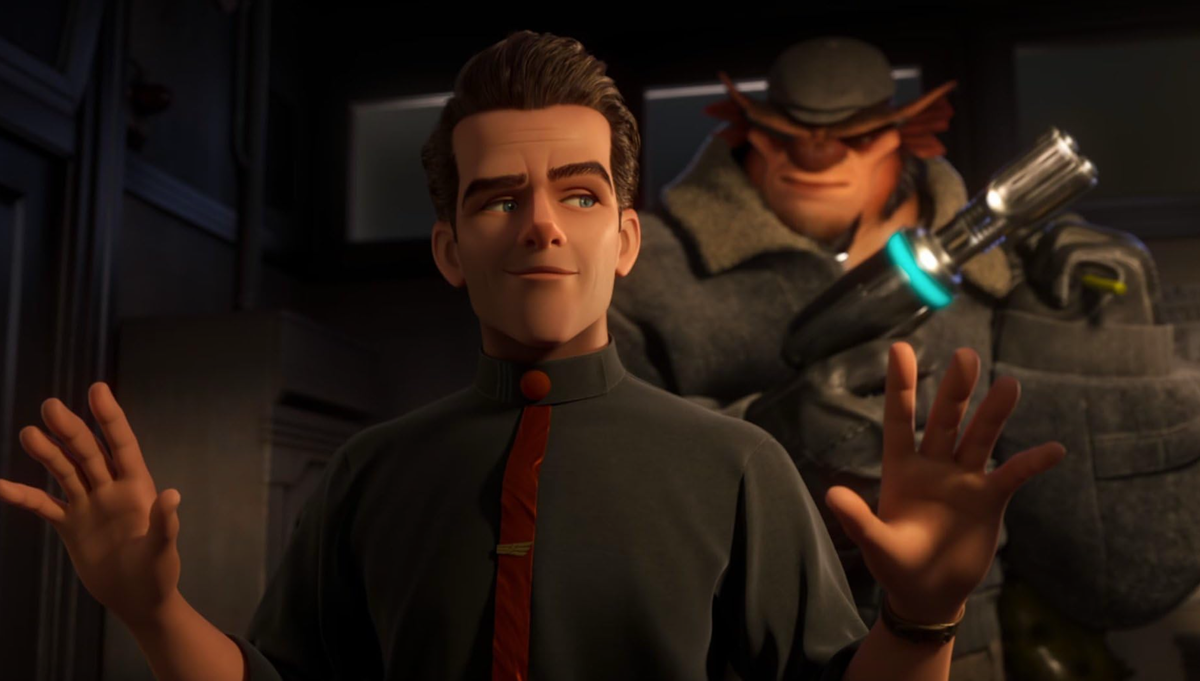
With a villain that acts as a wonderful foil for the main themes at play in both Raissa and Jo’s journey, Forgotten Island forces both of its main characters, and its audience, to reckon with change and how the future is something to walk into rather than sit and hide from.
Featured image: IMDb / Forgotten Island
What's your favourite Dreamworks film?