By Rochelle Troyanovsky, Third Year, Film and English
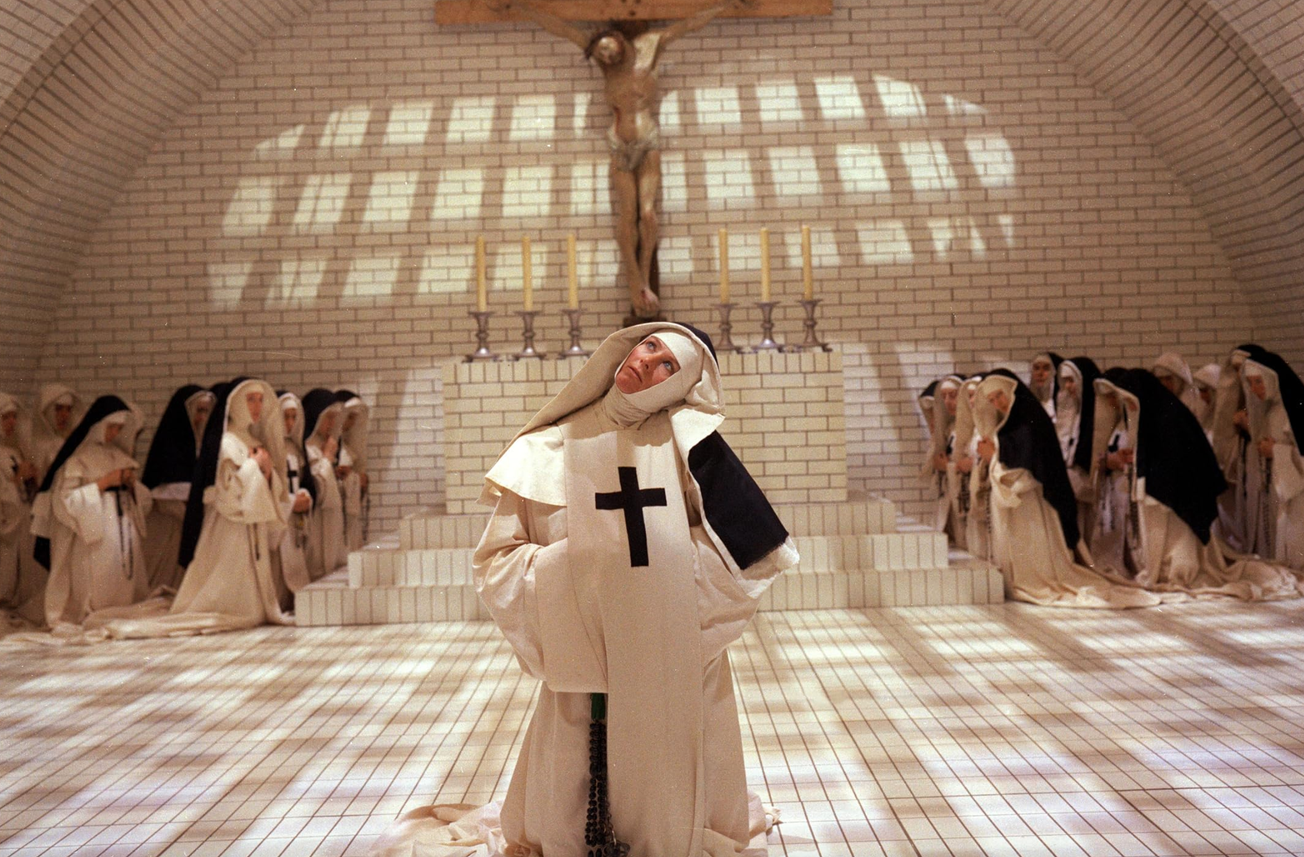
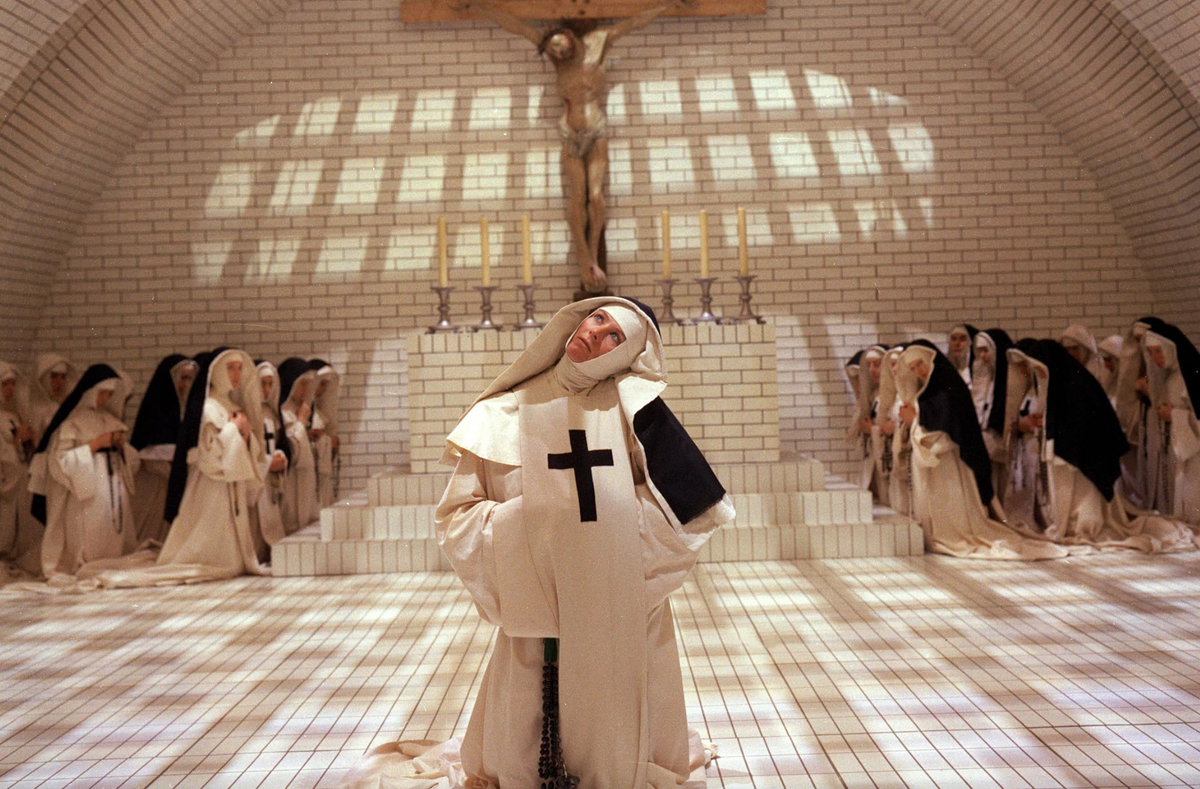
55 years after its original release, Ken Russell’s The Devils (1971) has finally returned to UK cinemas in a definitive 4K restoration of the director’s intended cut. However, its journey to the big screen has been anything but straightforward.
Originally subjected to substantial cuts by Warner Bros. and the British Board of Film Classification (BBFC), including the notorious ‘Rape of Christ’ sequence, Russell’s religious epic became one of cinema’s most infamous censorship controversies. Ironic that a film about political and religious institutions exploiting mass hysteria to suppress dissent was itself subjected to decades of institutional scrutiny. Now, its long-awaited uncensored restoration is one of the year’s most anticipated cinematic releases.
Perhaps banning a film is the most effective way of convincing people that they need to see it. The very act of prohibition can elevate an otherwise ordinary piece of cinema into a mythical forbidden fruit. But do these notorious films actually live up to their reputations? And, when the controversy finally subsides, what remains: a genuinely provocative work of art or simply an overhyped relic of a different cultural era?
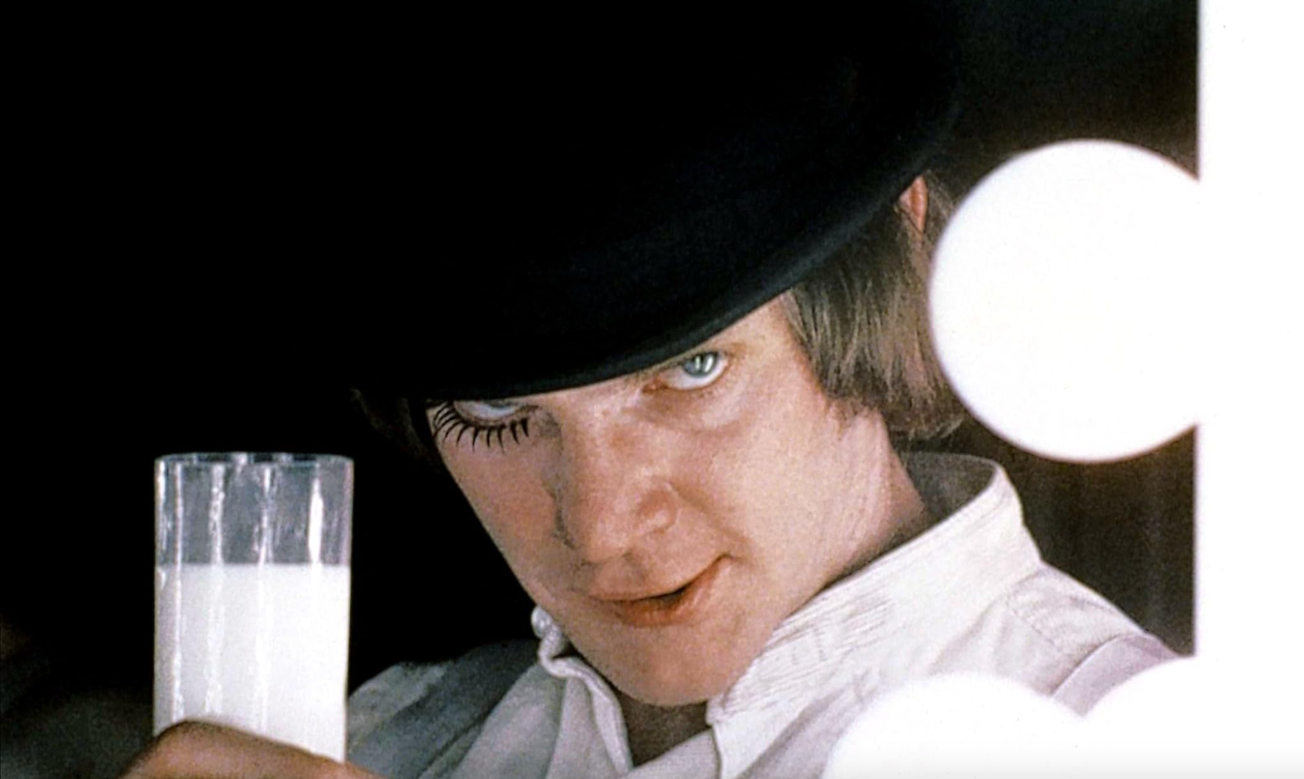
Sometimes, the controversy surrounding a film becomes so overwhelming that it is difficult to separate what actually happened on screen from the hysteria surrounding it. Take Stanley Kubrick’s A Clockwork Orange (1971). Following reports of copycat violence and threats against Kubrick and his family, the director famously withdrew the film from UK distribution in 1973. Interestingly, this was not an official government ban as the BBFC had originally passed the film uncut and it remained available in cinemas around the world. However, British audiences had to wait until after Kubrick’s death in 2000 for its return to cinemas.
Then there is Cannibal Holocaust (1980), perhaps one of the most notorious examples of censorship in horror cinema. Ruggero Deodato’s exploitation film was banned in several countries, including Italy and the UK, for its extreme depictions of sexual violence, torture and animal cruelty. Its pseudo-documentary style was so convincing that Italian authorities suspected its on-screen murders might have been genuine. Deodato was charged with murder and obscenity with the former charges eventually dropped after he produced the supposedly dead actors in court. While the filmmakers were convicted of animal cruelty, that verdict was overturned in 1984.
But does Cannibal Holocaust actually live up to its reputation? In some ways, no. Its dated performances, deliberately abrasive filmmaking and excessively graphic violence make it a difficult watch but not necessarily for the reasons its notorious reputation suggests. Modern audiences have arguably become more accustomed to cinematic violence so its original shock value has inevitably diminished. However, its most genuinely indefensible scenes are not the simulated murders of its human characters but the real killings of animals carried out during production. Film communities often celebrate censorship as evidence of a film’s artistic importance, while overlooking the ethical violations that occurred in making it.
If you scroll through Wikipedia’s massive list of banned films, which often notes the reasons these films were banned, you will find films ranging from the obvious examples like The Texas Chainsaw Massacre (1974) and Fifty Shades of Grey (2015) to stranger ones like Barbie (2023) and Ben-Hur (1959). The actual criteria for banning films are quite murky with their reasoning both baffling and able to change over time as government-appointed boards and international review commissions handle film censorship on a case-by-case basis.
For example, when Borat came out in 2006, the Kazakhstani government strongly condemned it and banned its release, along with the character’s promotional website. However, over time, the country's stance changed. When the sequel - Borat: Subsequent Moviefilm - was released in 2020, the Kazakhstan Tourism Board officially adopted Borat’s signature catchphrase - “Very nice!” - for a marketing campaign since the first film actually sparked a massive rise in international tourism. What was once considered an international embarrassment had been turned into a marketing opportunity.
But perhaps the biggest irony of film censorship is that it rarely achieves the control its institutions intend. In an age where almost anything can be found online, restricting access to a film does not necessarily prevent audiences from watching it. The more authorities insist that something should not be seen, the more audiences might want to see it. Does total accessibility ruin the thrill of the banned film? Perhaps, but it also raises the question of whether the controversy was ever more important than the film itself.
 Ines Wotton
Ultimately, censorship is not governed by a single universal standard of morality. What is considered offensive in one country might be perfectly acceptable in another, while the same state can change its position as cultural and political attitudes evolve over time. As Oscar Wilde famously wrote in the preface to The Picture of Dorian Gray, “There is no such thing as a moral or an immoral book. Books are well written, or badly written. That is all.”
Featured image: IMDb / A Clockwork Orange
What banned film would you love to see get a wide cinematic release?